

The Quiet Luxury of South Sardinia: Why It's the Mediterranean's Best-Kept Coastline (And Where to Stay)
I've been thinking a lot lately about what people actually want from a luxury trip in 2026, and it isn't any more. It isn't a louder beach club, a more crowded yacht marina, a Negroni at the same Capri terrace where everyone you follow on Instagram took the same photo last August. What I keep hearing from friends, what I see in my own travel calendar, is the opposite — a quieter coastline, fewer people, food that tastes like a place, and a property that handles the logistics so you don't have to think about them. The Mediterranean still has corners that deliver this. You just have to know where to look.
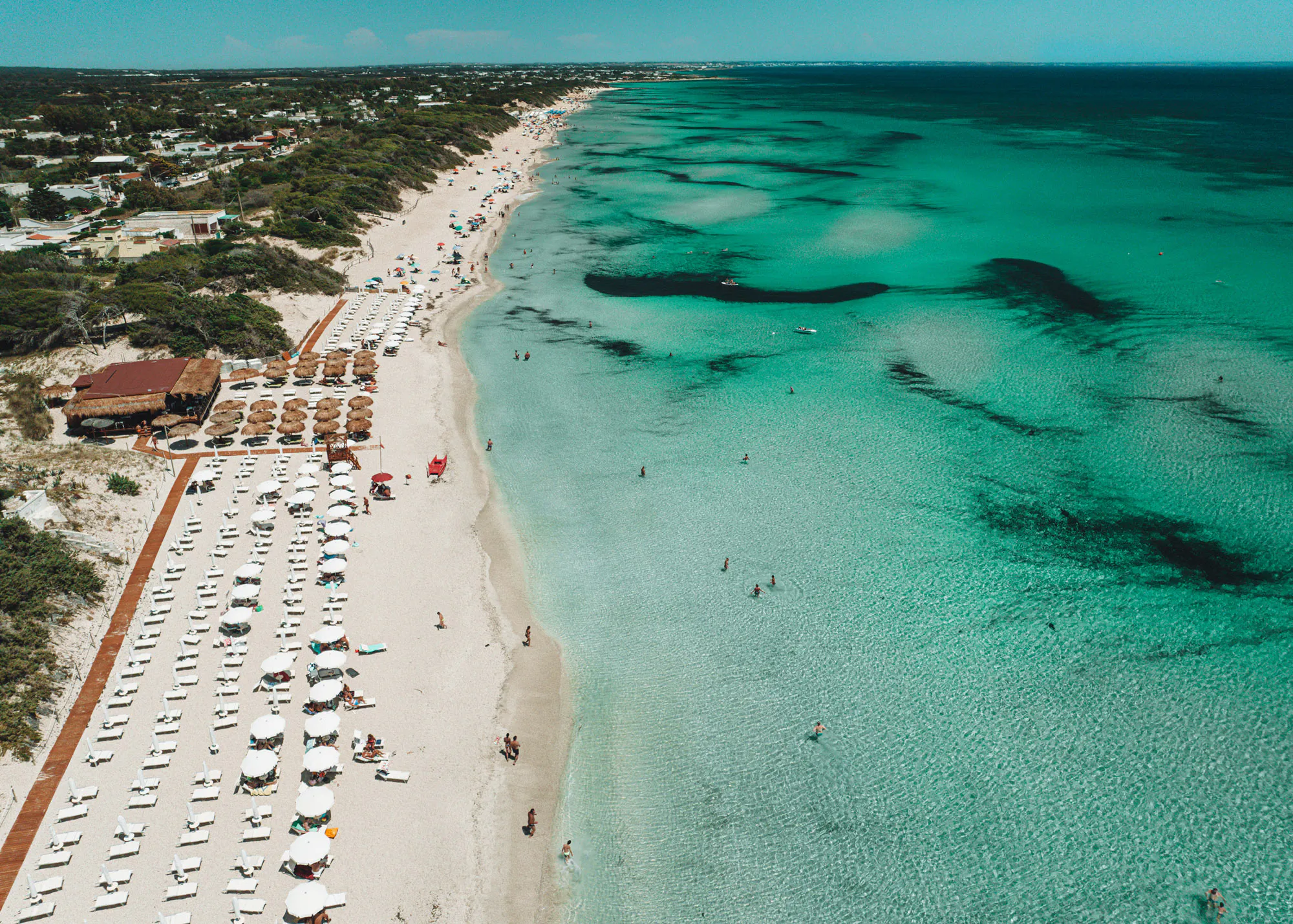
Southern Sardinia is one of those corners. The northern half of the island gets most of the attention — Porto Cervo, the Costa Smeralda, the celebrity yachts — but the southern coast, from Pula and Chia through Villasimius, is where the island's quieter, more grown-up version of itself lives. Long white-sand beaches with sloping shallow water. Granite headlands scented with juniper and myrtle. A coastline that hasn't been overbuilt because the south's airport (Cagliari) is smaller and less of a celebrity stop than the north's. And, increasingly, some of the best luxury hotels in Sardinia sit along this stretch of coast, quietly building the kind of suite-based, slow-luxury experience that the over-trafficked Mediterranean hotspots can no longer credibly offer.
If you haven't started paying attention to South Sardinia yet, this is probably the right summer to start.
Why South Sardinia, specifically
There's a reason Condé Nast Traveller readers voted Sardinia the best island in Europe in their 2023 Readers' Choice Awards — beating Mykonos, Ibiza, Crete, and Sicily. But the island is huge (second-largest in the Mediterranean, almost the size of New Hampshire), and where on it you stay completely shapes the trip. The south coast specifically gives you a few things the north can't:
- Calmer, shallower beaches. The southern shoreline slopes gradually into the sea, which photographs beautifully and matters even more if you're traveling with kids or just want to actually swim without scrambling over rocks.
- A cooler price point. Costa Smeralda is one of the most expensive corners of the Mediterranean. The south delivers a comparable level of beauty without the same August pricing pressure.
- Better connections. Cagliari Elmas Airport has direct routes from most of Europe, and a 40-minute drive puts you at the major resort properties — no internal flights, no two-stage journeys.
- A more authentic island feel. The south is where you'll actually find shepherds, working agriturismi inland, and restaurants run by families who've been making the same bottarga pasta for generations.
I haven't visited South Sardinia myself yet (Italy I know well; this specific coast is on my 2026 list), so I'm going on what I've researched and what trusted friends who've made the trip describe consistently: the south is the Mediterranean that the Mediterranean used to be.
What to look for in a stay
Whether you're traveling solo for a wellness reset, as a couple for a romantic week, or with a family that has wildly different needs across ages, the property you choose determines whether you actually relax or spend the week managing logistics. A few non-negotiables I'd look for in any Sardinia booking:
- Direct beach access. The whole point of South Sardinia is the water. If you're driving to a separate beach every day, you've miscast the trip.
- Suite-style accommodation, not just hotel rooms. Long Mediterranean stays work better when you have somewhere to actually live — a terrace for morning coffee, a separate space for a partner to read while you sleep in, room for kids if they're along.
- On-site dining variety. Italy is too beautiful to spend your evenings googling restaurants 25 minutes away. Look for properties with multiple restaurants on site so dinner becomes a five-minute walk, not a logistics decision.
- Wellness infrastructure. Particularly if you're going for the slower side of Sardinia — Sardinia is one of the world's five recognized Blue Zones, which means longevity-focused experiences (Mediterranean diet, thalassotherapy, coastal walking, breathwork) are part of what makes the destination special and worth specifically seeking out in a property.
This last one is genuinely interesting for the wellness-leaning traveler. Forte Village, the best-known luxury resort on the southern coast, has built a "Centenarian Rituals" program around the island's Blue Zone status — guided coastal walks, Mediterranean nutrition, breathwork drawing on the Sardinian maquis landscape — that puts a real layer of intention under the standard luxury-resort offering. For a solo traveler doing a reset week, or a couple looking for a honeymoon that isn't just beach-and-cocktails, that kind of programming is what separates a memorable trip from a generic one.
A few honest planning notes
The shoulder season — late May to mid-June, and September into early October — is the genuine sweet spot for South Sardinia. The water is warm, the crowds are thin, and the suite rates drop significantly from August peaks. If you can pull your trip out of school-holiday windows, do it.
For broader destination research, the official Sardegna Turismo site has solid coastal breakdowns by region. And if you're still in the comparison phase across other underrated Mediterranean coastlines, our deeper guide to the best luxury hotels in Montenegro covers another part of the Adriatic that's quietly outperforming its neighbors.
But honestly: South Sardinia is having its moment, and it's the kind of moment that doesn't last. The coastline is still quiet because the world hasn't fully caught on. That window will close. If you can find a week in 2026 to go now — and a property that lets you settle in rather than scramble — it's the kind of trip you'll be telling friends about for years.
Explore further
-
Renting a Car in Italy: Everything You Need to Know Before Your Road Trip
-
What to Pack For Summer In Italy: A Complete Female Packing List for an Italian Vacation
-
Mediterranean Garden Ideas: 14 Ways to Transform Your Backyard Into a European Vacation
-
The Top 8 Most Instagrammable Places in Rome
-
19 Of The Most Unique and Unusual Beaches in the World
-
Austria Road Trip Guide: The Best Car Rental Companies and Routes for 2026
-
Best Private Expedition Experiences for Luxury Travelers in 2026
-
Top Unexpected Beautiful Beaches in Portugal: Hidden Coastal Gems Worth Visiting
-
Top 5 Small Ship Cruises Around the British Isles in 2026
-
Solo Travel Safety Guide: Essential Tips for Traveling Alone With Confidence
-
What to Wear in the South of France - 30+ Outfit Ideas for Provence and French Riviera Summer Style
-
Mediterranean Garden Ideas: 14 Ways to Transform Your Backyard Into a European Vacation
-
Is NakedMD Med Spa Too Cheap to Be True? Honest Botox, Filler, and Microneedling Review
-
Best Travel Photography Cameras and Gear (From a Professional Photographer)
-
20 Best Beaches in California - Near Los Angeles and Beyond (From a Local)
-
What to Pack for Japan in Winter: Female Packing List for Cold Weather + Snow