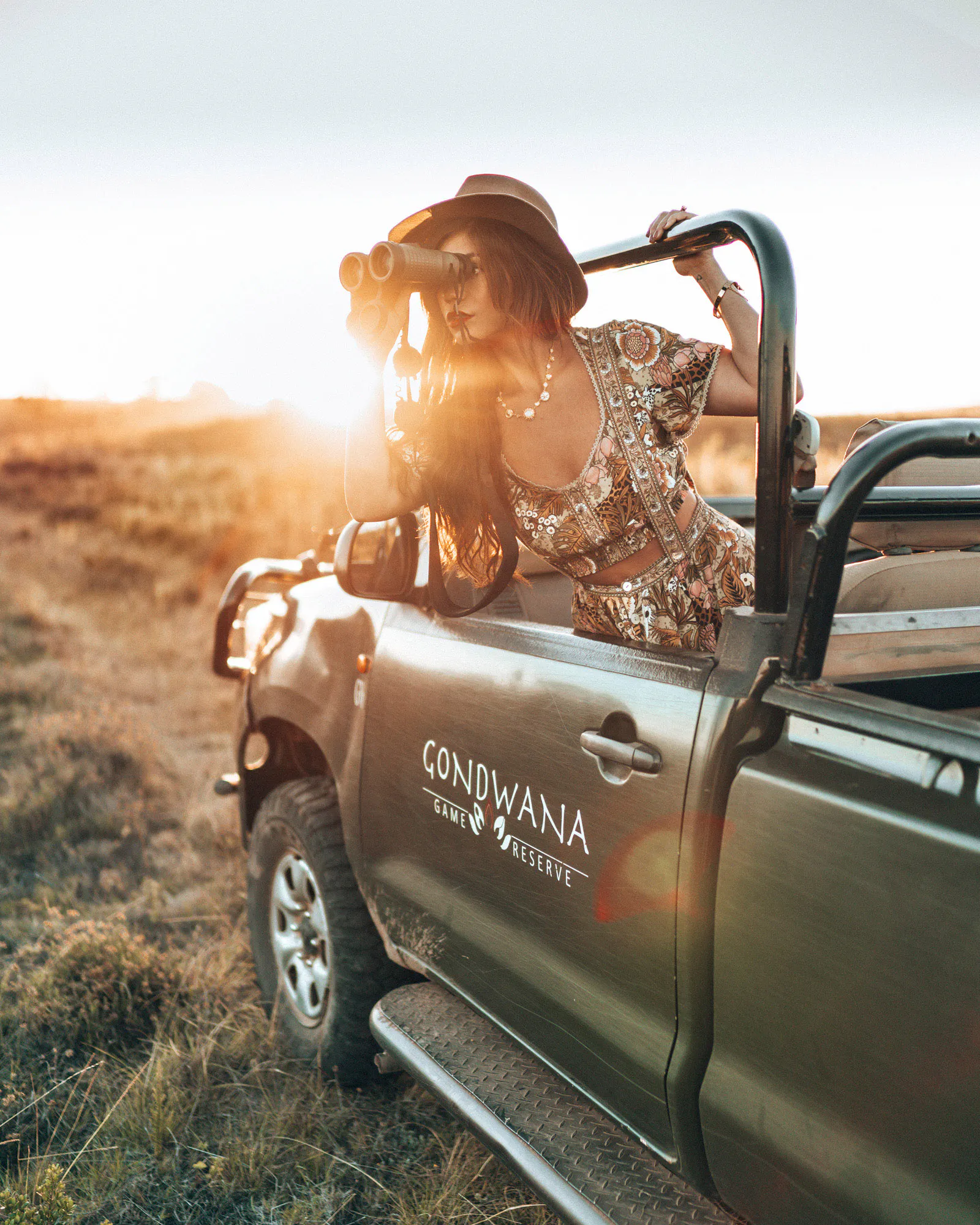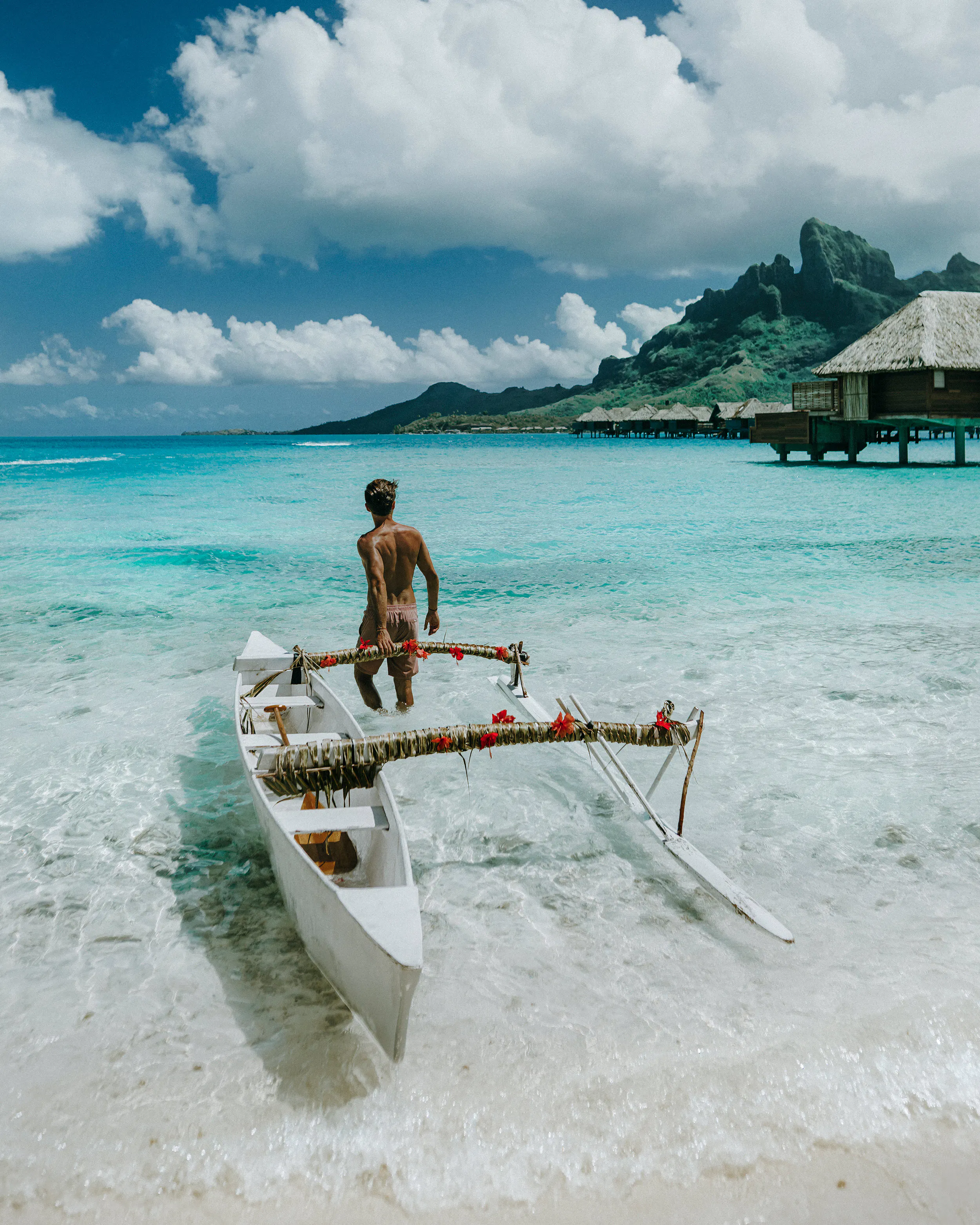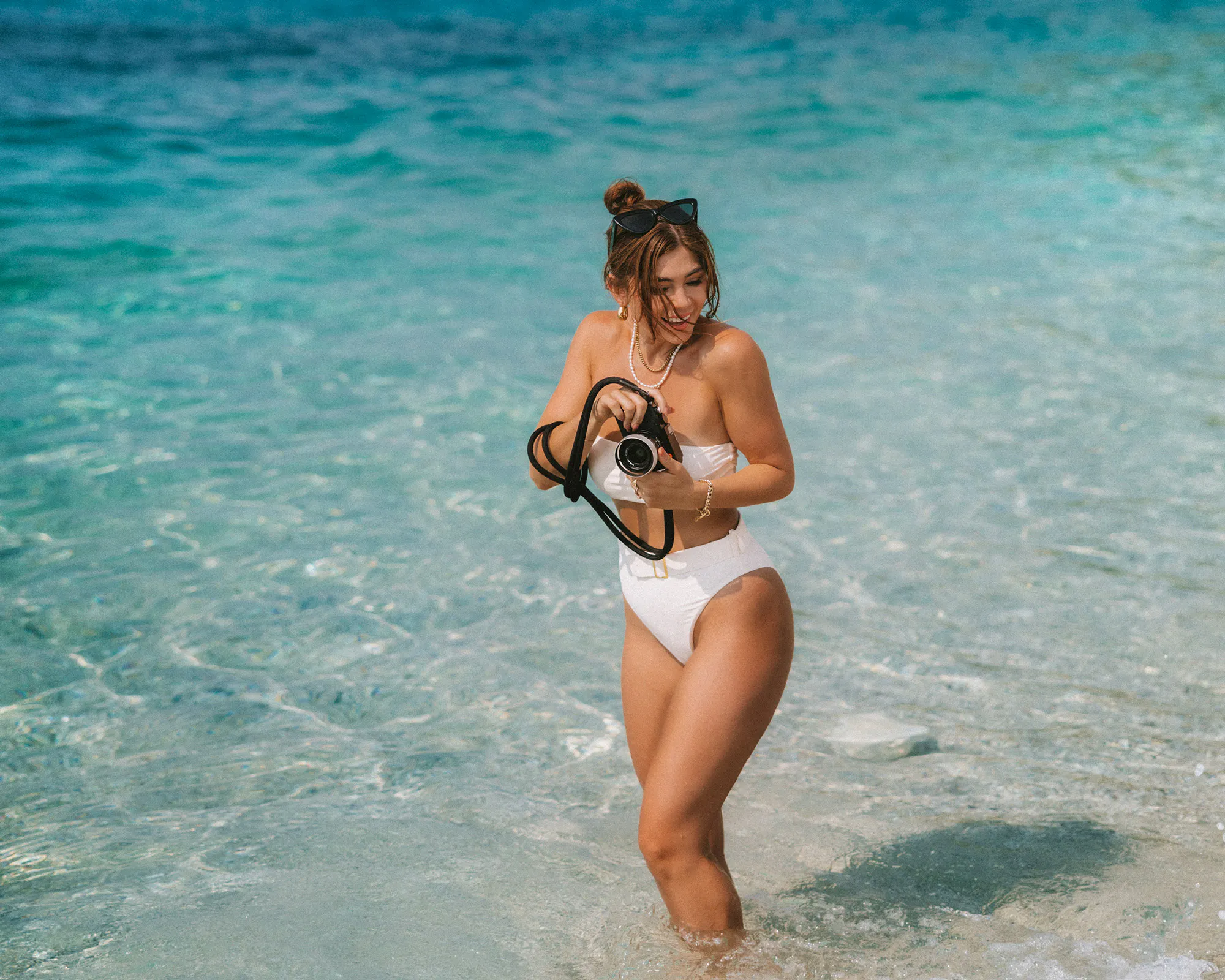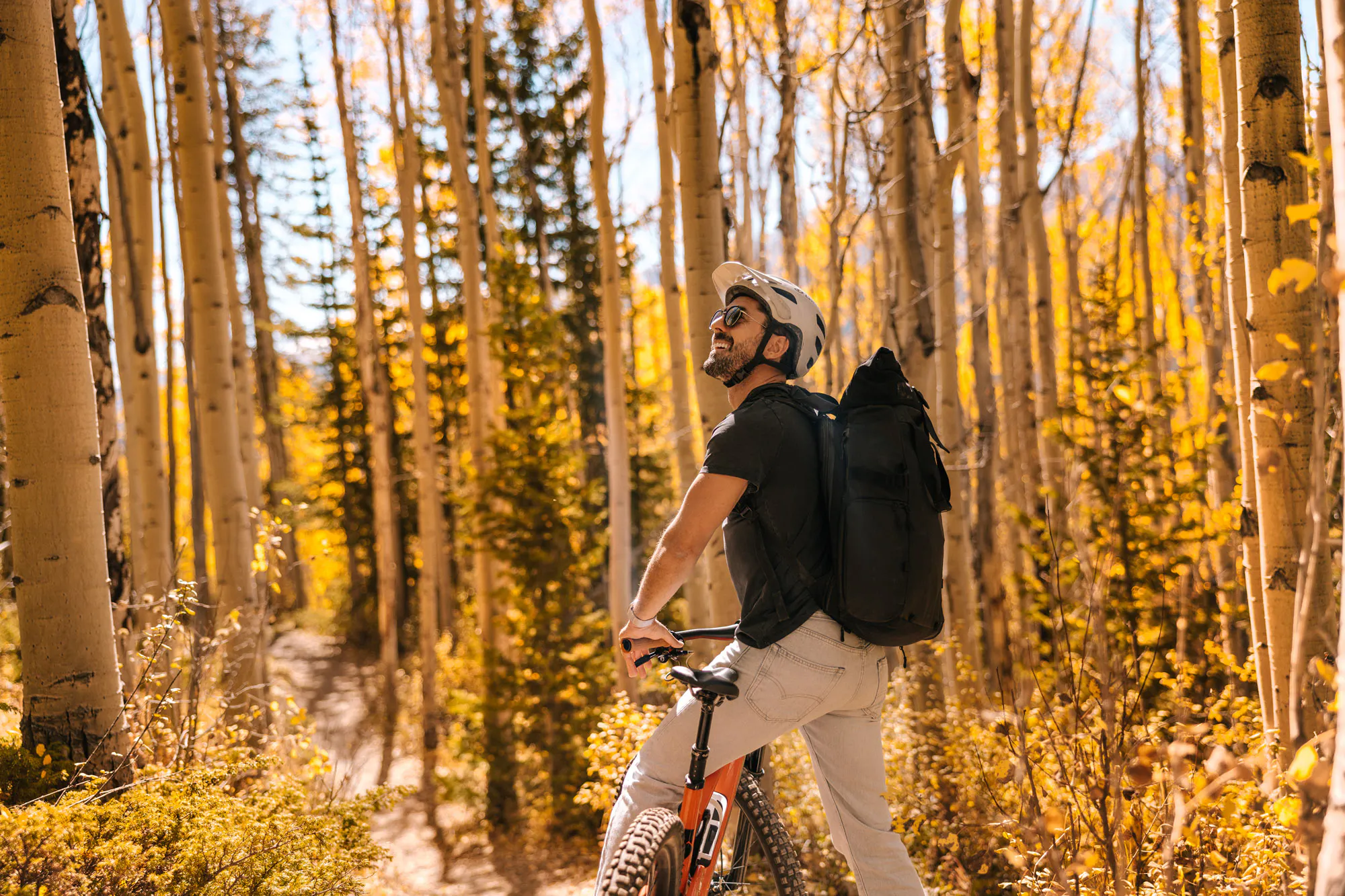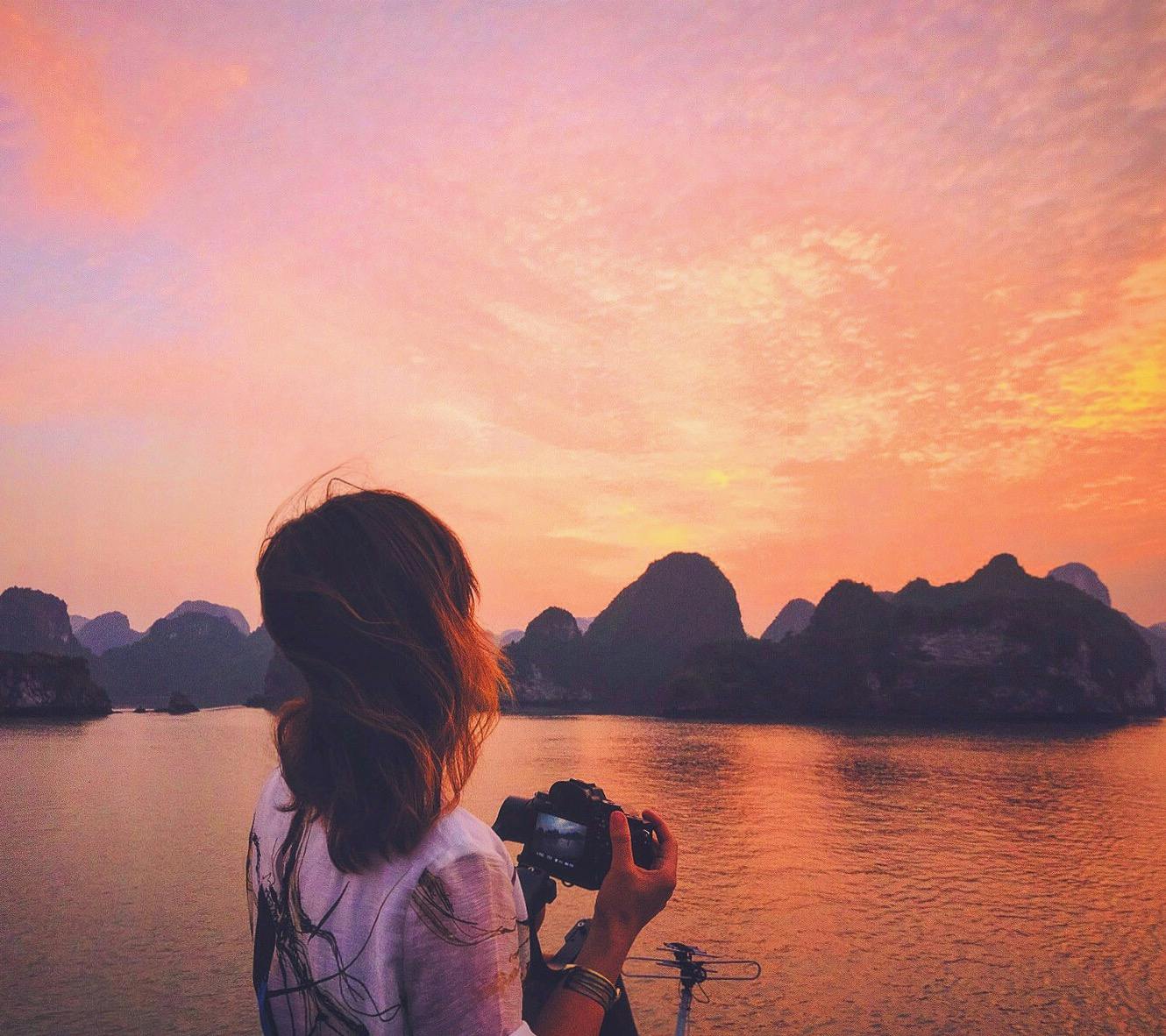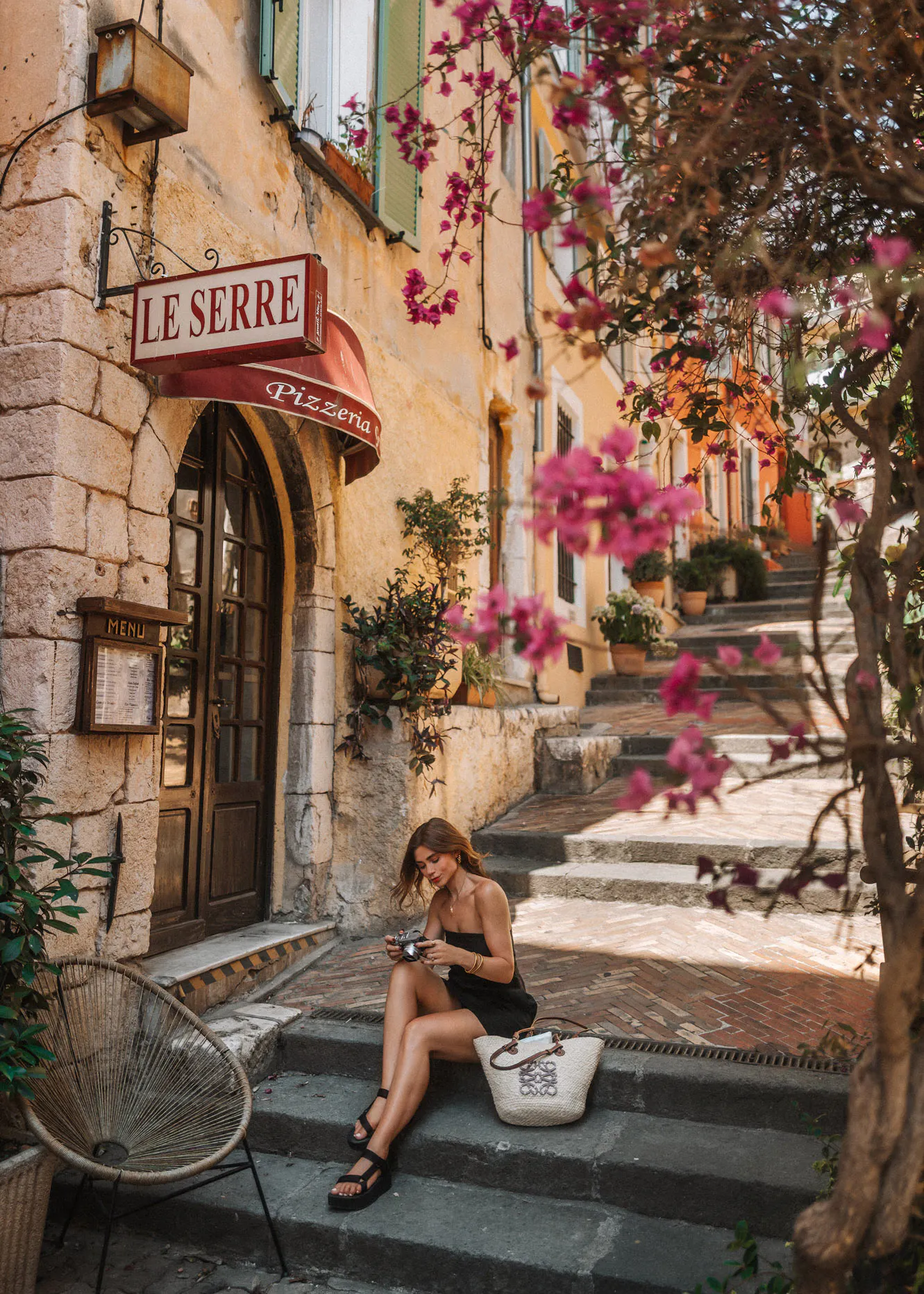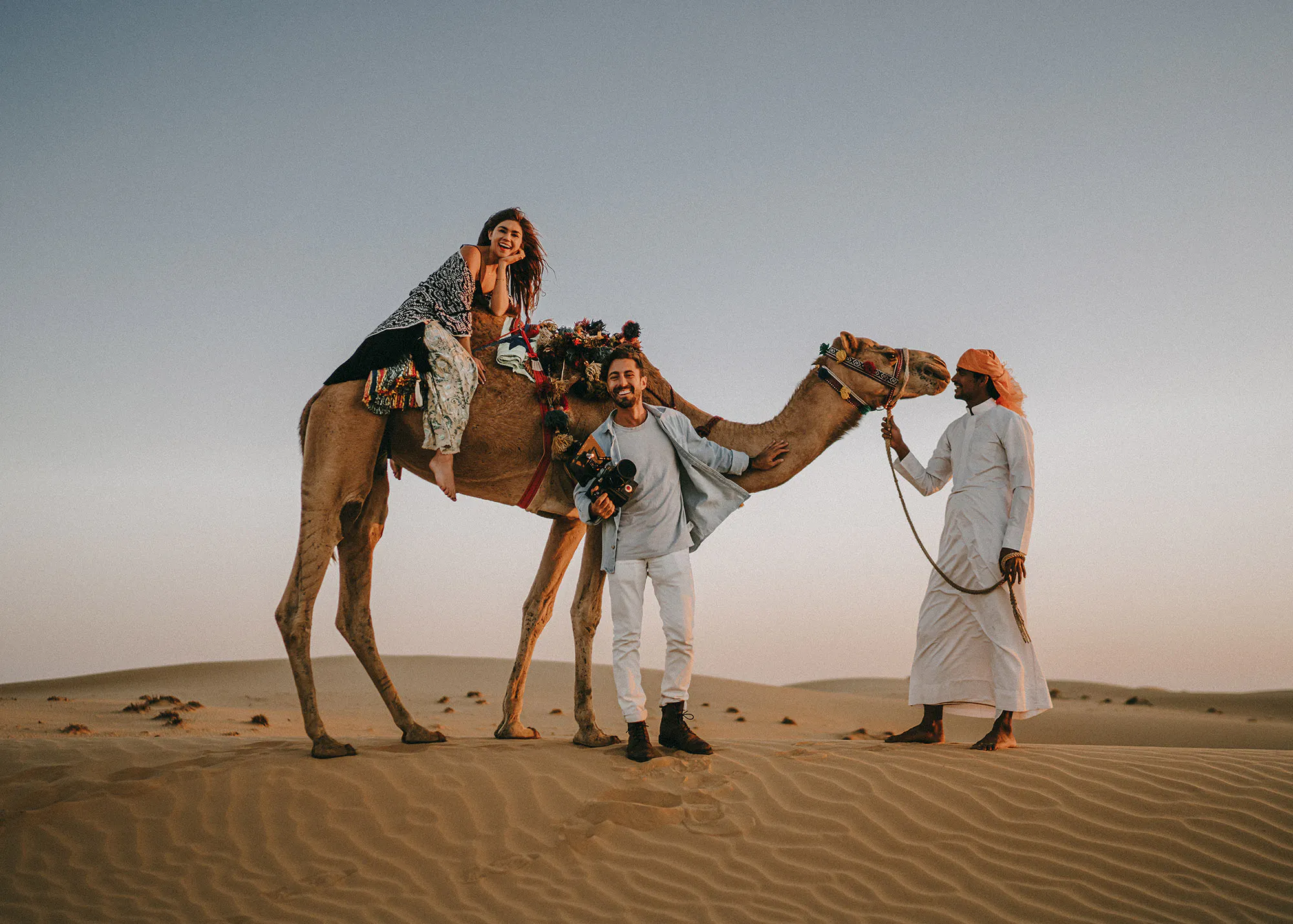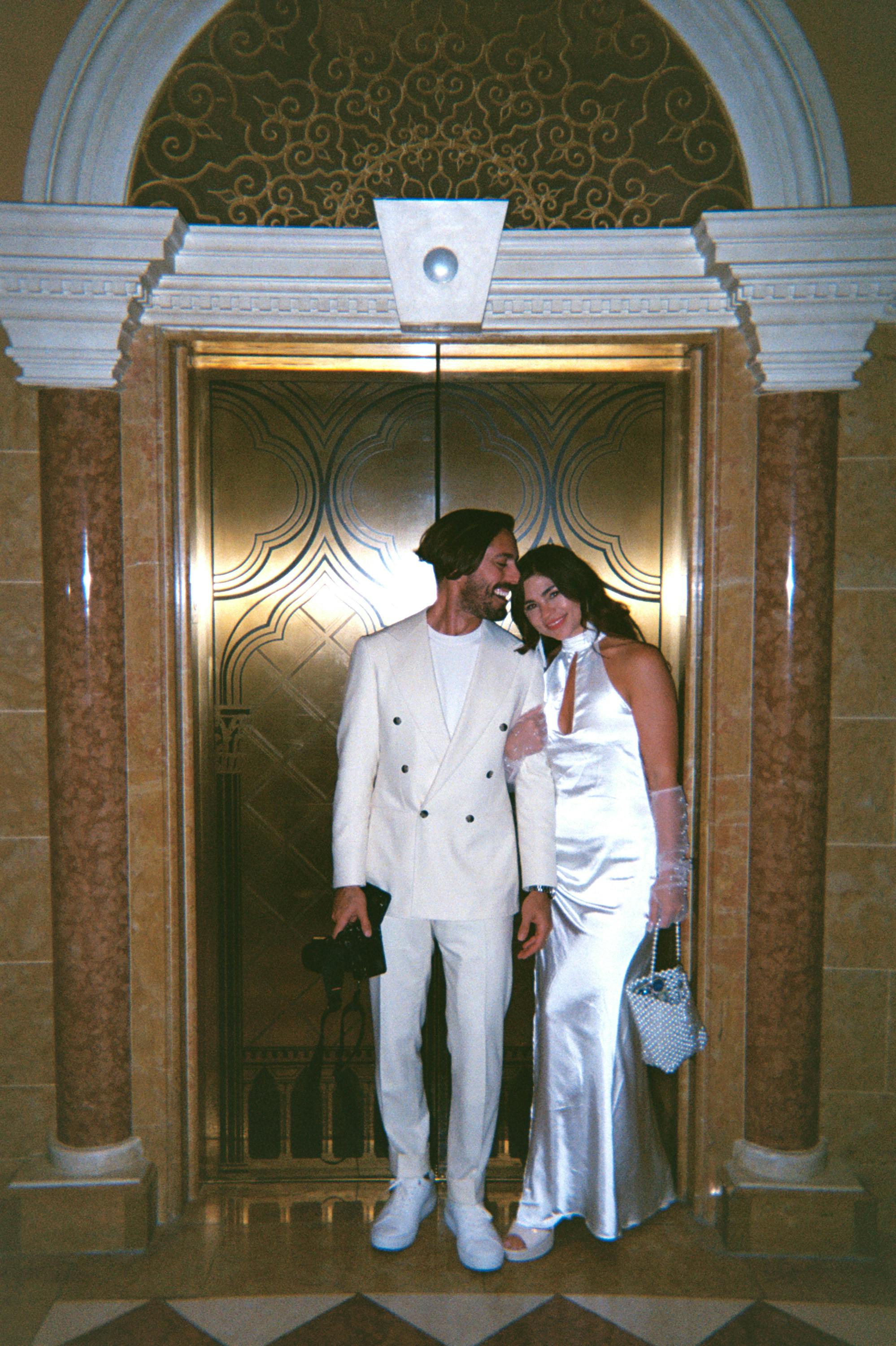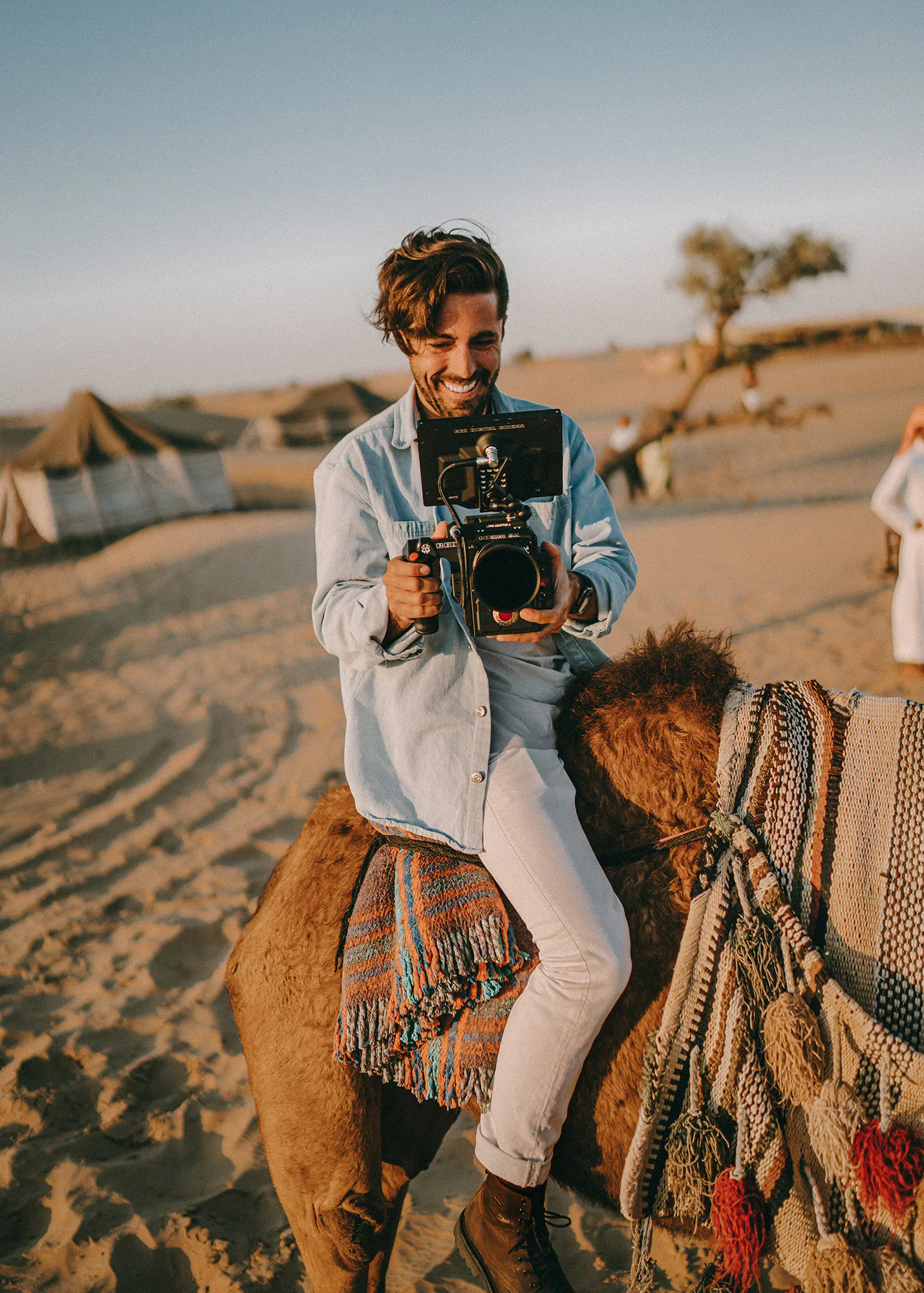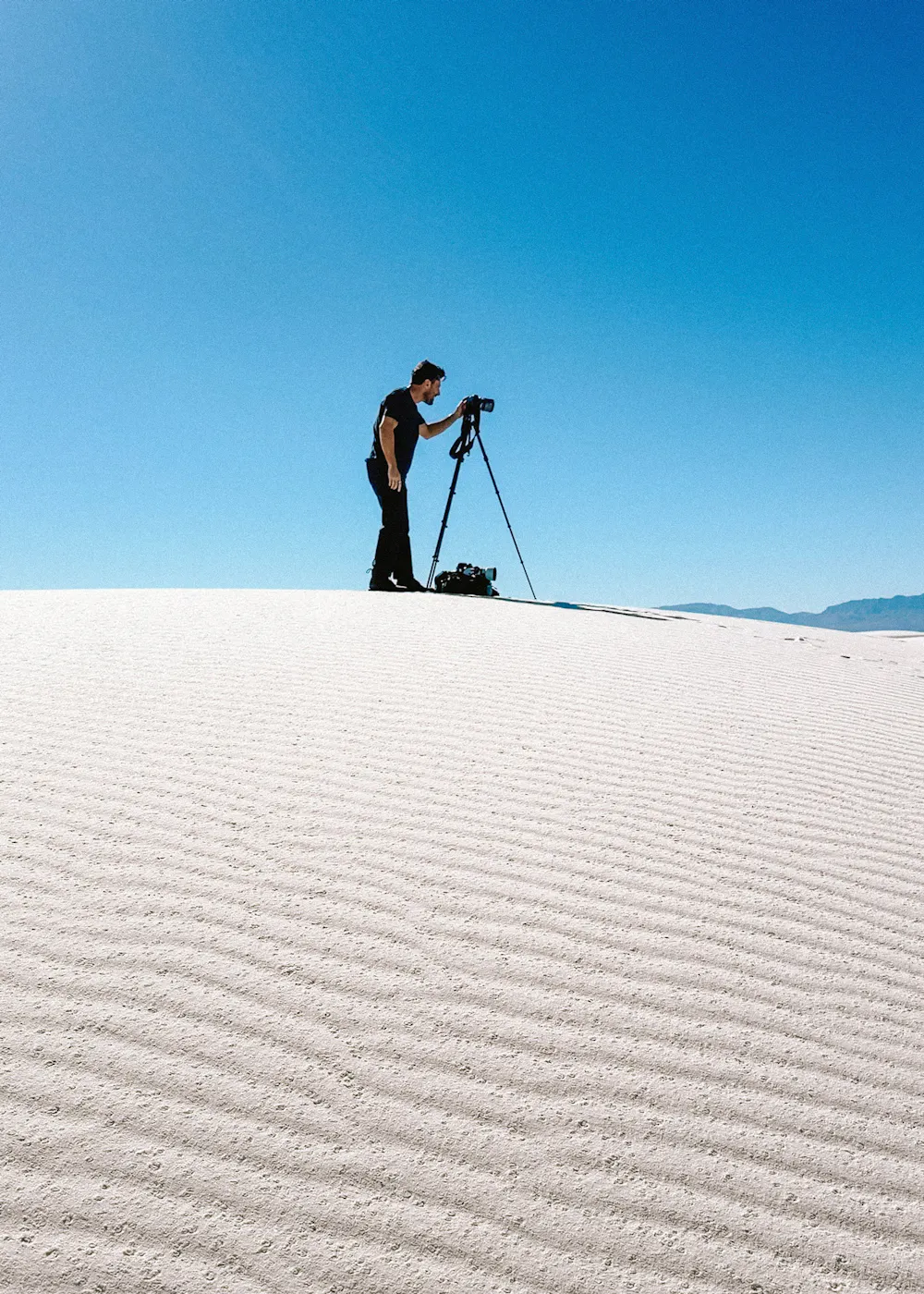
Brandon and I take most of our photos together by setting a camera on a tripod and having it shoot at intervals while we walk into the frame. For a wide shot of the two of us on a beach, I want the freedom to set the lens at waist height with the water behind us, even when the only thing I could balance a camera on is a rock at my feet. That’s the kind of trip where I’ll make room in my suitcase for a full-height tripod. On a weekend when my phone is coming to dinner, and the camera bag is staying at the hotel, I’d happily go much smaller.
K&F CONCEPT TA02 - Best Full-Height Travel Tripod for Cameras
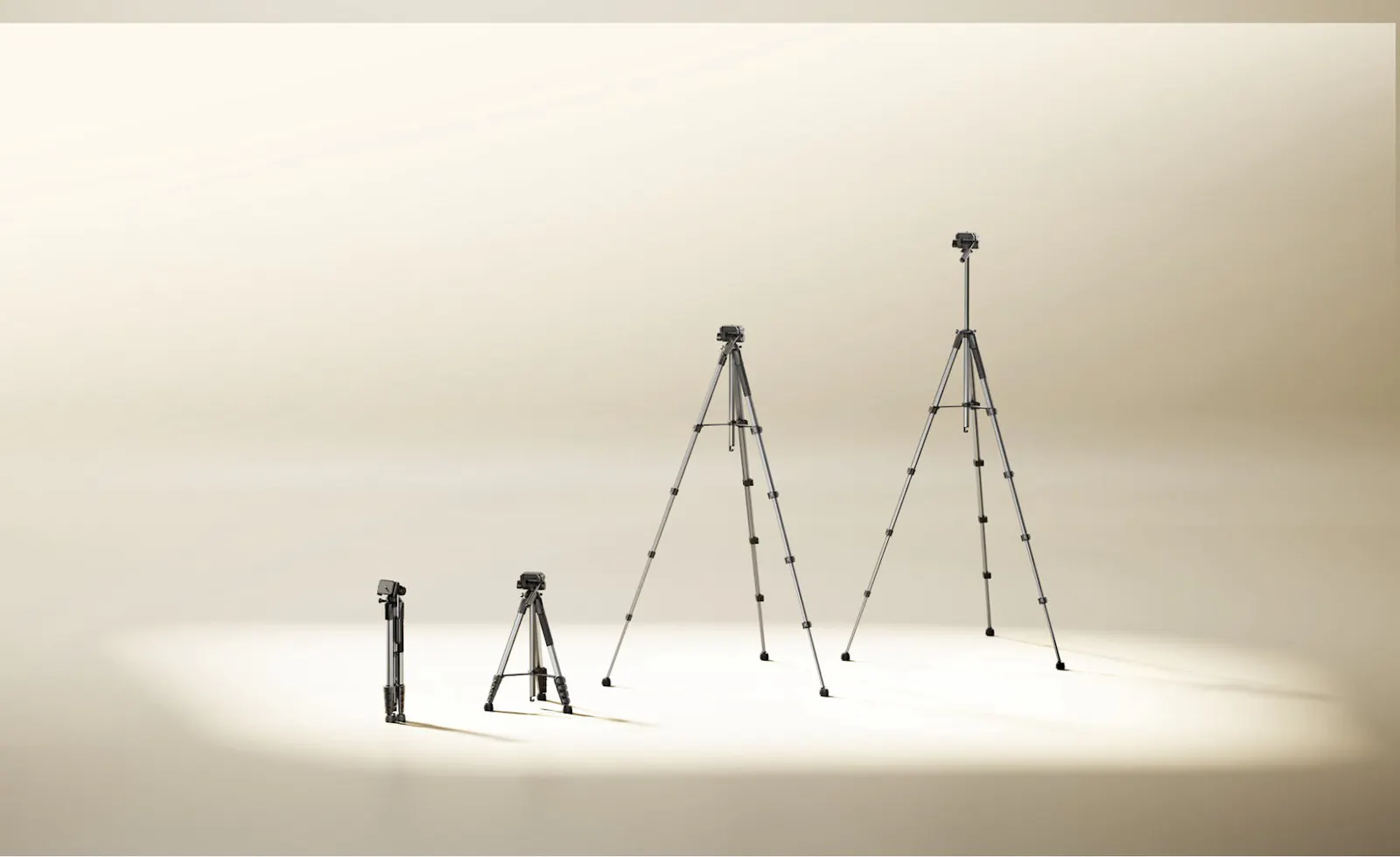
The K&F CONCEPT is my pick for a trip where you’re bringing a mirrorless camera or DSLR to shoot landscapes at blue hour, and you’d like to get into a few of the photos yourself. What I like about this aluminum tripod is how much height you get before you even touch the center column. With just the legs extended, the head sits 59.4 inches off the ground. Mount a camera on top, and you have a comfortable starting point for a standing portrait, with room to adjust the angle once you see where the horizon falls behind someone’s head.
Before I’d give it that much room in a suitcase, I’d check two things at home.
- Folded length and weight. The TA02 folds to 19.7 inches (50 cm) and weighs 3 pounds (1.36 kg). Measure the usable space inside your carry-on with the camera cube in place. In a roller bag, the channels around the telescoping handle can take up the exact spot where you pictured the tripod going.
- Weight of your camera with the lens attached. K&F rates the head for 8.8 pounds (4 kg). Weigh the combination you’ll actually mount, especially if you’re bringing a telephoto lens with a tripod collar. Attaching the plate to that collar brings the weight of the lens back over the legs.
With the center column extended, the TA02 Travel Tripod reaches 73.2 inches (186 cm), high enough to clear a railing that would otherwise run straight through your skyline. For a long exposure at dusk, I’d extend the thicker leg sections first and leave the column down as long as the lens has a clear view. A two-second shutter delay gives the camera time to settle after you press the button, so you can keep the windows of a building sharp while headlights leave a streak across the street below.
One leg unscrews and attaches to the head by hand to turn the TA02 into a monopod. I’d use that configuration along the edge of a crowd, where you can plant a single foot by your shoe and follow a performer through the viewfinder. You’re supporting the monopod the entire time, so set up all three legs before you step away for a self-portrait or open the shutter for several seconds.
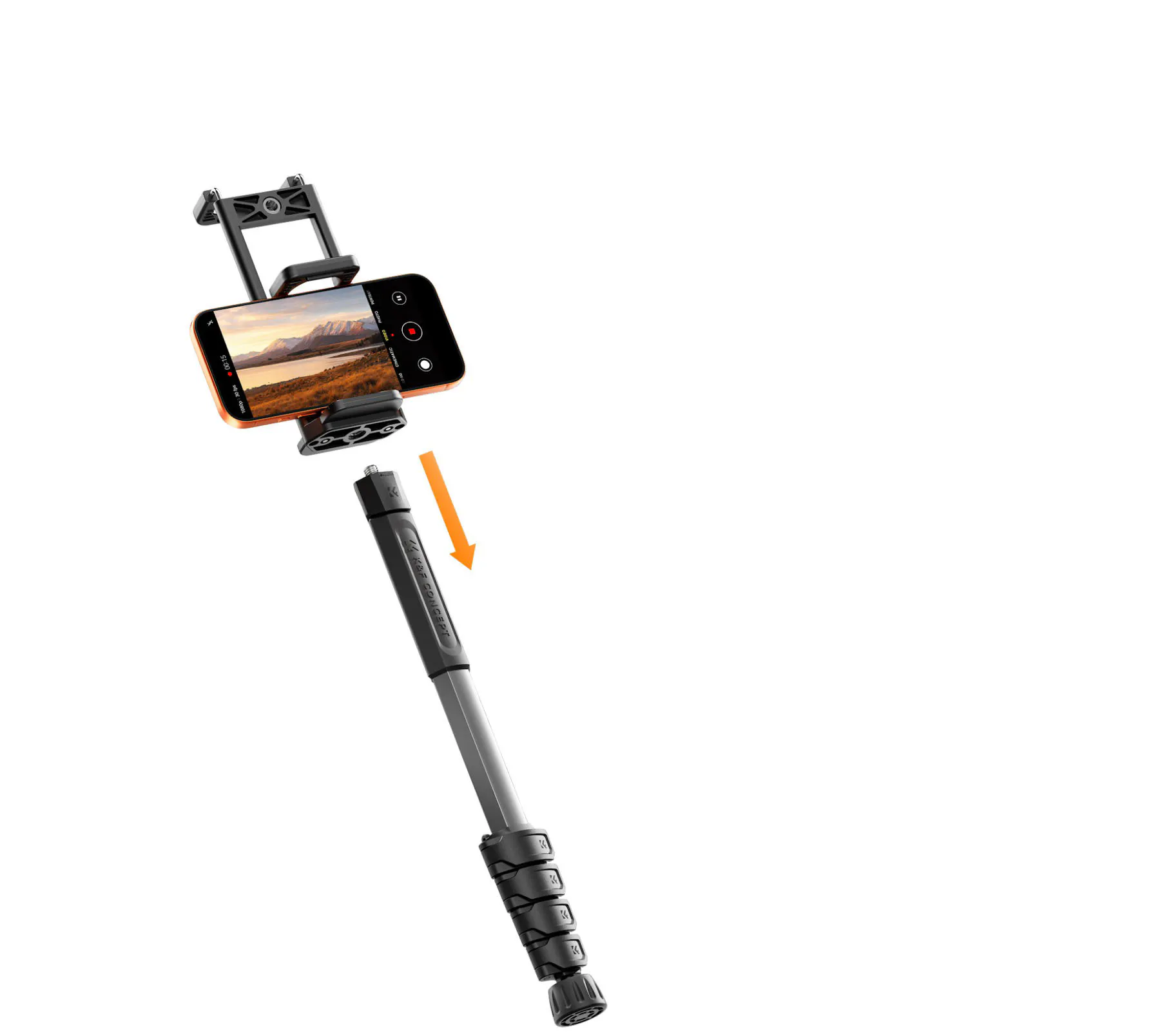
The K&F travel tripod comes with two quick-release plates and a phone holder, handy if you want a vertical phone clip from the same spot where you’ve just framed a wide shot on your camera. The included Bluetooth shutter works with compatible phones. For a camera, use its self-timer or interval mode, or bring a remote that works with your particular body.
Best Tabletop Tripod for a Compact Camera
The Manfrotto PIXI EVO is the one I’d tuck into a small camera bag for a trip where I’m photographing food. Set it on a table beside a window and you can keep a compact camera in the same position while someone pours the coffee or breaks into a pastry. At just over 9 ounces (260 g), it’s a reasonable thing to carry through lunch even if the camera only comes out for a minute.
Its two-section legs open to different angles, putting the head between about 4 and 8 inches above the surface. That low viewpoint is lovely for a dish with some height to it, and the head tips 90 degrees for a vertical crop. Manfrotto rates the PIXI EVO for up to 5.5 pounds (2.5 kg). I’d pair it with a short lens so you can move the whole setup around a plate without the front of the camera hanging halfway across the table.
Best Magnetic Travel Tripod for a Phone
The Peak Design Mobile Tripod folds nearly flat against the back of a phone, adding about half a centimeter of thickness. I like this format for an evening out because I can still carry the little bag I wanted to wear. The legs fold out from the back and the small ball head lets you tilt the lens, so you can put your phone across the table and frame a photo together without a water glass holding everything up.
Check the case you actually travel with before buying. The mount works with MagSafe-compatible phones or cases, and Peak Design also offers its own compatible case and a separate Universal Adapter. The surface you choose supplies almost all the shooting height, so a shelf near eye level will give you a much more natural angle for a standing portrait than a coffee table will.
Best Mini Tripod for a GoPro
The GoPro Shorty is the one I’d pack for a hike where I wanted a little footage of the trail with both of us in it. Folded, the grip is 4.6 inches long, and the base opens into three small feet that you can set on a level rock to film a walk-through. Leave a few seconds of footage on either side of the walk so you can trim out the part where you reach for the camera.
With the feet folded in, the grip extends to 8.9 inches for handheld shots. That little bit of distance is useful with a wide GoPro lens, especially when you want to talk to the camera and leave enough of the trail in the frame to show where you are. Check that your GoPro accepts the Shorty mount before packing it, especially if you keep your camera in a housing that covers its usual mounting points.
How to Set Up a Travel Tripod for Photos Together
For the wide photos Brandon and I shoot, a 24mm lens gives us room to move and still leaves enough of the setting to tell you why we stopped there. I’d start with one person in position while the other looks through the camera. Moving the tripod a foot to the side at this stage can separate a face from a dark tree trunk, a detail that’s surprisingly easy to miss on the rear screen once you’re both tiny figures in the frame.
Set the camera to take a frame every couple of seconds if it has interval shooting, or use a compatible intervalometer to do the same thing. Give yourself time to walk into position, then make a short pass through the spot you framed. Before you fold everything up, zoom in on one of the photos and check the eyes. If the background is sharp and the people are soft, a faster shutter speed can take care of movement during the exposure, even when the camera itself is perfectly still.