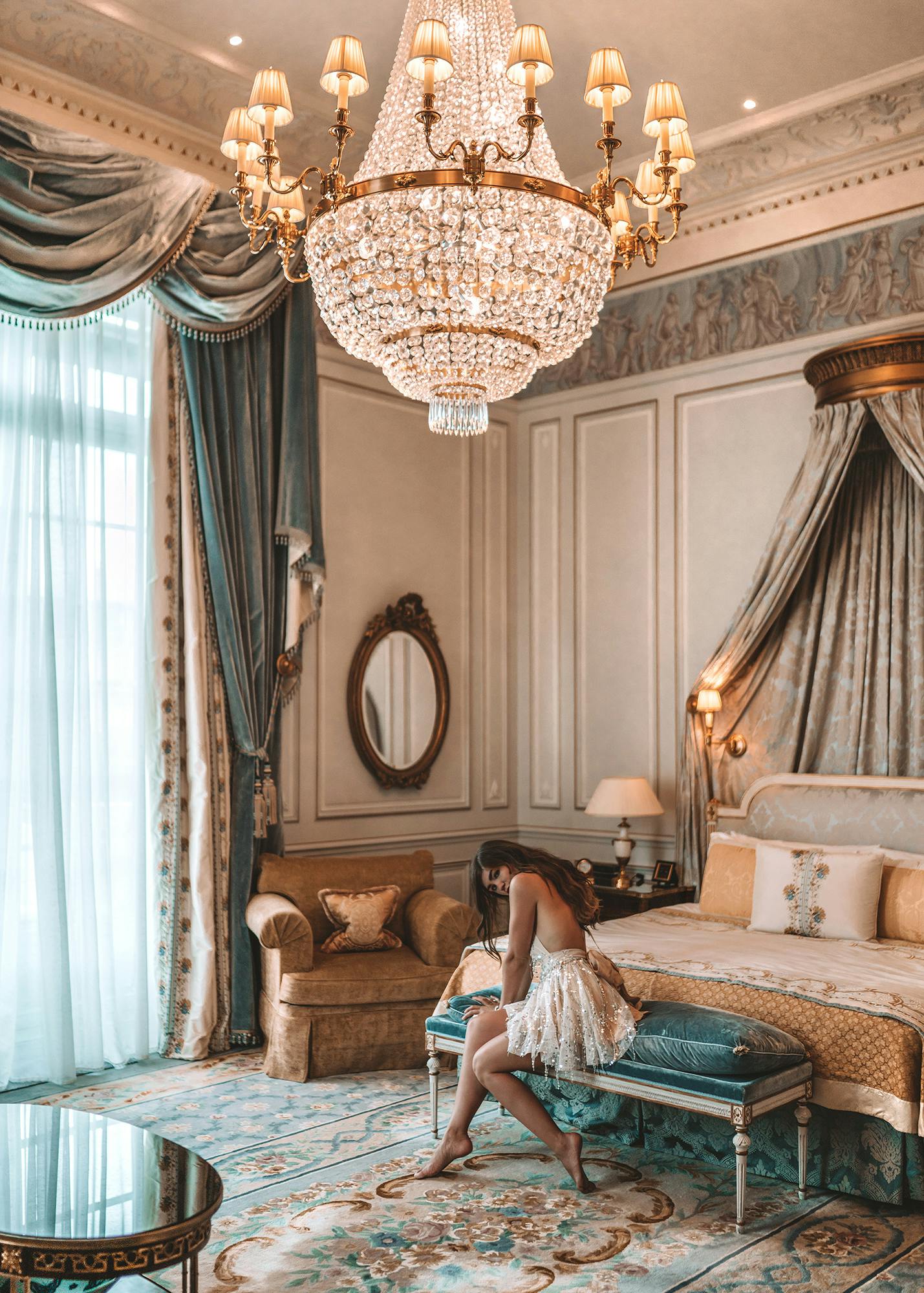
Scotland is a destination where the accommodation can become part of the adventure. Instead of choosing a standard hotel, visitors can sleep in a historic castle, a remote Highland lodge, a cozy bothy, a lighthouse, a converted railway carriage, or a stylish cabin surrounded by wilderness. For travelers looking for unique places to stay in Scotland, these options offer more than somewhere to spend the night- they can shape the entire experience.
From Edinburgh's historic streets to the dramatic landscapes of the Highlands and the peaceful islands of the west coast, Scotland offers an impressive variety of Places to stay in Scotland. The right choice depends on what you want from your trip: romance, wildlife, outdoor adventure, history, privacy or easy access to major attractions.
If you are flying into Glasgow and planning to explore beyond the city, arranging a reliable Glasgow Airport Taxi can also make the beginning of your journey more convenient, particularly when traveling with luggage or heading directly towards accommodation outside the city.
What Makes a Place to Stay in Scotland Truly Unique?
Unique accommodation does not necessarily mean expensive or luxurious. The defining feature is usually the setting, architecture, history, or experience.
A memorable Scottish stay might involve:
- Sleeping inside a centuries-old castle
- Staying in an isolated Highland cabin
- Waking up beside a loch
- Spending the night on a Scottish island
- Booking a traditional shepherd's hut
- Staying in a converted railway carriage
- Choosing a remote lodge for stargazing
- Experiencing a historic country estate
- Renting a traditional cottage in a rural village
For visitors, these properties can provide a stronger connection with the surrounding landscape than conventional accommodation. They are particularly appealing for couples, families, photographers, hikers and travelers seeking something beyond the usual city-break hotel.
1. Historic Scottish Castles
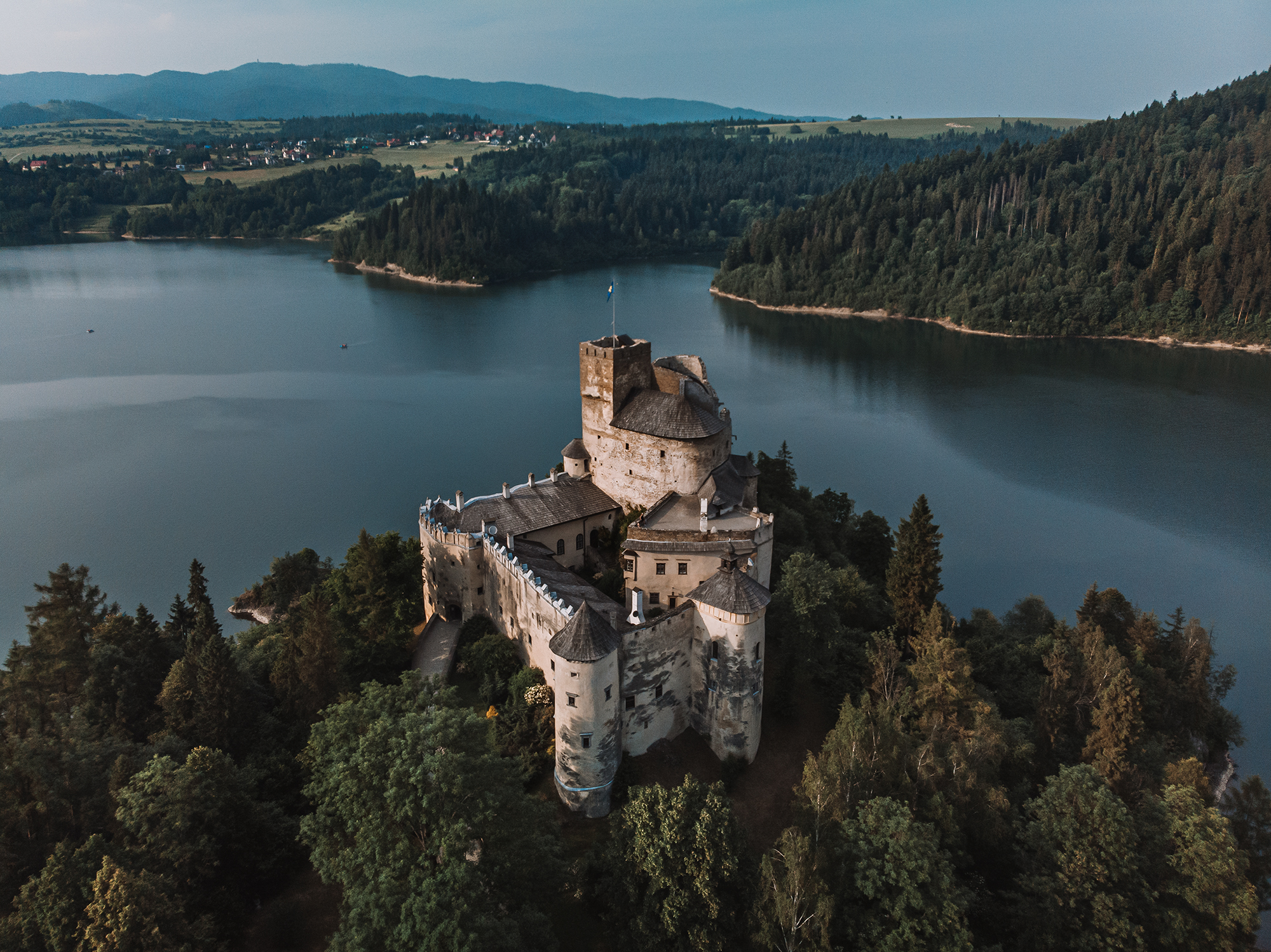
Scotland is famous for its castles, and some historic properties offer visitors the opportunity to stay in or close to genuine castle buildings.
A castle stay can combine period architecture, dramatic landscapes and traditional Scottish hospitality. Depending on the property, guests may find stone fireplaces, grand dining rooms, antique furnishings, turrets, gardens and expansive countryside views.
Castle accommodation is particularly suitable for:
- Romantic breaks
- Special celebrations
- Family holidays
- History enthusiasts
- Luxury countryside escapes
Not every castle accommodation offers the same experience, so check whether you are actually staying within the historic building or in a separate lodge or estate property.
2. Highland Lodges in Remote Landscapes
For travelers who want peace and spectacular scenery, a highland lodge can be one of the most unique places to stay in Scotland.
The Scottish Highlands cover a huge area, with mountains, lochs, forests, glens and rugged coastlines providing countless opportunities for scenic accommodation. A remote lodge can be an excellent base for walking, photography, wildlife watching or simply disconnecting from a busy routine.
Many travelers choose locations around areas such as Glencoe, Torridon, Cairngorms and the northwest Highlands because of their dramatic scenery.
Before booking, consider accessibility carefully. Remote accommodation can mean longer driving times, limited public transport and fewer nearby shops or restaurants.
3. A Cozy Bothy Experience
Traditional bothies are among Scotland’s most distinctive accommodation concepts. Historically associated with simple rural shelters, bothies appeal particularly to adventurous visitors who appreciate simplicity and remote landscapes.
A bothy stay is very different from a conventional hotel. Facilities can be extremely basic, and some locations may require a walk to reach them. That simplicity is precisely the attraction for many outdoor enthusiasts.
A bothy-style experience can be ideal if you want:
- A remote escape
- A walking adventure
- Minimal distractions
- A close connection with nature
- An unconventional Scottish experience
Always check the individual property’s access, facilities and booking requirements before setting out.
4. Lighthouse Accommodation on the Scottish Coast
Scotland’s coastline is dotted with historic lighthouses and dramatic headlands. Some former lighthouse buildings have been converted into holiday accommodation, offering visitors an opportunity to stay somewhere with genuine maritime character.
Imagine waking up to sea views, watching waves break against rocky cliffs and exploring nearby beaches and coastal paths.
Lighthouse accommodation is particularly appealing to couples and photographers, but availability can be limited because many properties are small and located away from major towns.
For a coastal itinerary, allow extra travel time. Scenic locations are not always close to major transport connections.
5. Converted Railway Carriages
A converted railway carriage provides one of the more unusual accommodation experiences available in Scotland.
These properties preserve elements of railway design while transforming the interior into comfortable accommodation. They can be particularly enjoyable for families and couples looking for something that feels different from an ordinary cottage.
Some are located in rural areas, allowing visitors to combine an unusual overnight stay with walking, sightseeing, and exploring nearby towns.
When comparing properties, look beyond photography and check sleeping arrangements, bathroom facilities, heating, parking and accessibility.
6. Luxury Cabins Surrounded by Nature
Modern cabins have become increasingly popular with travelers seeking privacy without sacrificing comfort.
In Scotland, cabins can be found in forested areas, beside lochs and within countryside settings. Many combine large windows, private outdoor areas and contemporary interiors with spectacular natural surroundings.
Some properties also feature amenities such as:
- Private hot tubs
- Wood-burning stoves
- Outdoor seating
- Panoramic windows
- Kitchen facilities
- Dedicated spaces for wildlife watching
A cabin can therefore work equally well for a relaxing weekend or as a base for exploring the surrounding region.
7. Island Accommodation
Scotland’s islands offer some of the most memorable stays for visitors willing to travel beyond the mainland.
The Inner and Outer Hebrides, Isle of Skye and other Scottish islands provide opportunities to experience beaches, mountains, wildlife and small communities at a slower pace.
Island accommodation ranges from traditional cottages and guesthouses to modern lodges and boutique properties.
However, island travel requires planning. Ferry schedules can be affected by weather, and services may operate less frequently than mainland transport. Check the latest ferry information and build some flexibility into your itinerary.
8. Boutique Accommodation in Glasgow
Not every unique Scottish stay needs to be in the countryside. Glasgow has distinctive hotels, boutique properties and characterful accommodation that can work well for visitors combining urban attractions with trips into the surrounding region.
If your itinerary includes concerts, museums, restaurants, shopping or architectural sightseeing, staying centrally can reduce travel time and make it easier to explore on foot. Visitors arriving by air can also consider a Glasgow city private hire taxi for transfers between the airport, accommodation and other destinations.
Glasgow can also be a practical starting point for road trips towards Loch Lamons, the Highlands and the west coast.
9. Traditional Highland Cottages
For visitors searching for charming accommodation with a distinctly Scottish atmosphere, a traditional Highland cottage is difficult to overlook.
Stone walls, fireplaces, exposed beams and countryside surroundings can create a much more characterful experience than a modern chain hotel.
Cottages are particularly useful for families and groups because they often provide:
- Multiple bedrooms
- Self-catering kitchens
- Living areas
- Private outdoor space
- Parking
They also give travelers greater flexibility over meal times and daily schedules.
10. Treehouses and Woodland Retreats
A woodland treehouse can provide a memorable alternative to conventional accommodation, particularly for couples and families.
Scotland’s forests and wooded countryside create an atmospheric setting for elevated cabins and treehouse-style properties. Depending on the location, guests may have views across woodland, hills or nearby water.
These stays are often chosen for short breaks rather than as bases for extensive sightseeing.
For a quieter experience, consider visiting outside peak holiday periods, when rural accommodation may feel more peaceful.
11. Shepherd's Huts and Glamping
Shepherd’s huts combine traditional rural design with modern glamping facilities. They are usually compact but thoughtfully designed, making efficient use of limited space.
A typical hut may include a bed, small kitchen area, heating and private outdoor space. Some properties add bathrooms, hot tubs or fire pits.
This type of accommodation is particularly suitable for visitors who want to experience rural Scotland without giving up basic comforts.
12. Historic Country Houses and Estates
For travelers interested in Scottish history and architecture, staying within a historic estate can provide a deeper sense of place.
Country-house accommodation may offer landscaped gardens, woodland walks, period interiors and access to historic surroundings.
These properties can also be useful for exploring some of the most visited places in Scotland, depending on their location.
If you plan to visit Edinburgh, Loch Ness, the Isle of Skye, Glencoe or other major attractions, compare the property’s location with your planned driving routes before booking.
13. Loch side Accommodation
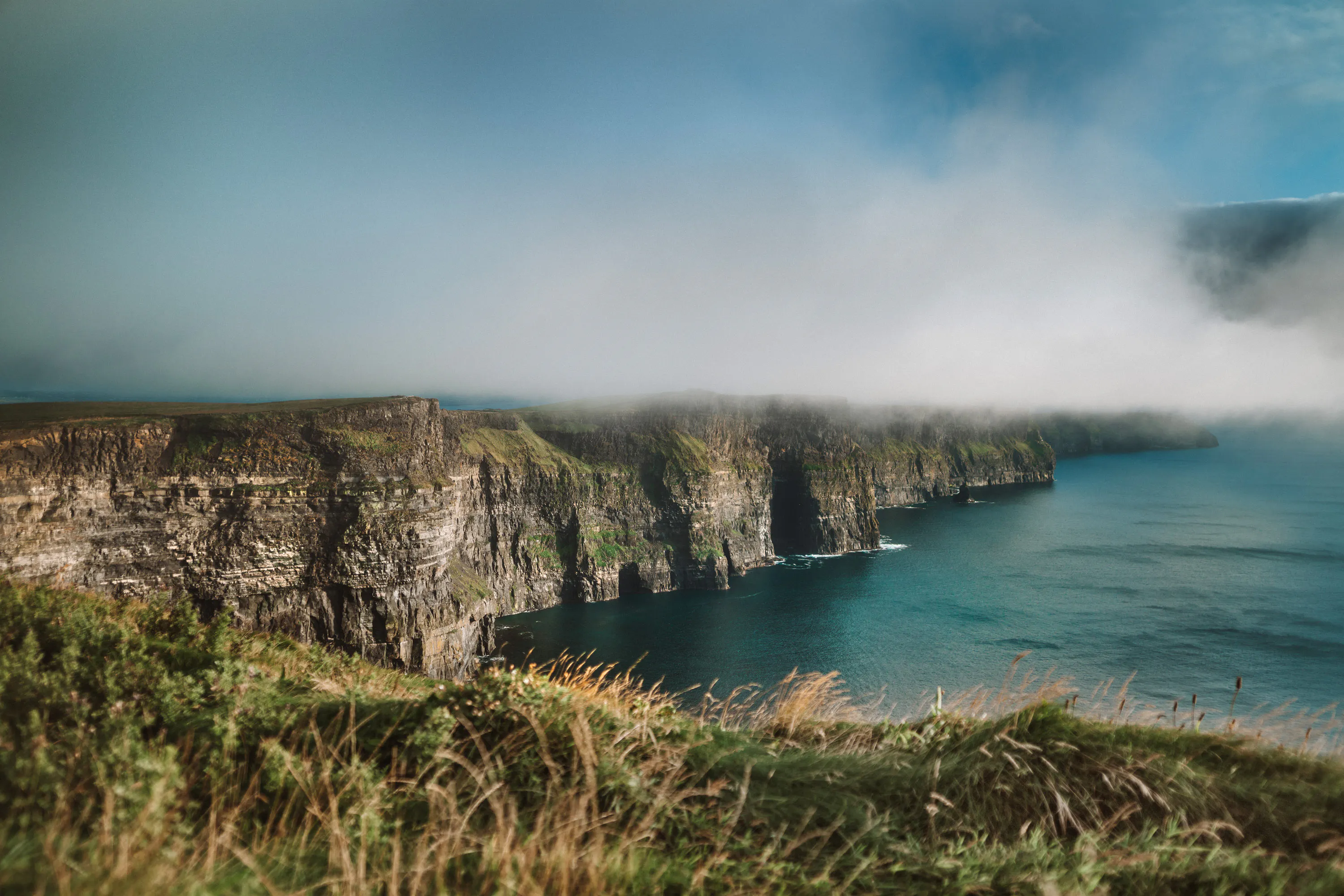
Few Scottish settings are as recognizable as a peaceful loch surrounded by mountains and woodland.
A lochside cottage, lodge or cabin can provide an excellent base for a relaxing break. Depending on the location, visitors may enjoy kayaking, fishing, walking, photography or simply watching changing weather across the water.
Lochside properties are especially appealing during autumn and spring, when changing colors and quitter surrounding can create a particularly atmospheric setting.
14. Eco-Friendly Retreats
Sustainability-conscious travelers can also find accommodation deisgned around lower-impact tourism.
Eco-lodges, sustainable cabins and nature-focused retreats may incorporate renewable energy, locally sourced materials, waste-reduction measures or environmentally responsible operating practices.
However, do not assume that a property is sustainable simply because its marketing uses terms such as “eco” or “green”. Look for specific information about its practices, energy sources, waste management and environmental commitments.
15. Unique Stays Near Scotland's Famous Attractions
Another practical approach is to choose unusual accommodation close to attractions you already want to visit.
For example, you might combine:
- A castle stay with Edinburgh sightseeing
- A Highland lodge with a Glencoe road trip
- A lochside cabin with outdoor activities
- Island accommodation with coastal exploration
- A countryside cottage with visits to historic estates
This approach can make your accommodation part of the itinerary rather than simply somewhere to sleep.
How to Choose the Right Unique Accommodation in Scotland
The best places in Scotland for accommodation depend heavily on your travel style. Before booking, consider these factors.
Location
Check driving distances rather than relying only on the property’s nearest town. A property described as being “near” an attraction may still involve significant travel.
Transport
Remote accommodation can be difficult to reach without a car. If you are relying on public transport or private transfers, investigate the complete journey before booking.
Facilities
Check whether the property has reliable heating, Wi-Fi, cooking facilities, parking and an appropriate bathroom setup.
Weather
Scottish weather can change quickly, particularly in mountainous and coastal regions. Accommodation with comfortable indoor space is valuable when outdoor plans need to change.
Seasonal Availability
Some unique properties operate seasonally or become particularly popular during summer, school holidays and festive periods. Booking early can provide more choice.
Your Itinerary
Avoid choosing accommodation solely because it looks impressive in photographs. A beautiful remote property may be inconvenient if you intend to visit several cities and attractions in a short trip.
When Is the Best Time to Book a Unique Scottish Stay?
The ideal time depends on the experience you want.
Spring can bring longer daylight and fresh landscapes, while summer offers long evenings and generally more opportunities for outdoor activities. Autumn is attractive for woodland colors and quitter rural breaks, while winter can create a cozy atmosphere for cabins, cottages and historic properties.
Remember that Scotland’s weather is variable throughout the year. Pack accordingly and check local conditions before undertaking outdoor activities, especially in mountainous areas.
FAQs About Unique Places to Stay in Scotland
What are some of the most unique places to stay in Scotland?
Popular unusual accommodation types include castles, lighthouses, Highland lodges, bothies, treehouses, shepherd’s huts, railway carriages, island cottages and lochside cabins.
Are unique places to stay in Scotland expensive?
Not necessarily. Prices vary significantly according to location, season, facilities and property type. Simple bothy-style accommodation can be very different in price from an exclusive castle or luxury lodge.
Where should I stay in Scotland for a peaceful getaway?
Rural Highlands, island communities, forest areas and lochside locations can offer quieter experiences than major cities. Check transport access carefully before choosing a remote property.
Is it better to stay in a city or the Scottish countryside?
It depends on your itinerary. Cities such as Edinburgh and Glasgow are convenient for cultural attractions, restaurants and transport, while countryside accommodation provides easier access to landscapes and outdoor activities.
How far in advance should I book unusual accommodation?
For distinctive properties with limited rooms, booking several months ahead is sensible during popular travel periods. More flexibility is usually available outside peak seasons.
Can I find unique accommodation suitable for families?
Yes. Larger cottages, lodges, converted properties and some glamping accommodation can work well for families. Always check sleeping arrangements, safety features and minimum-age requirements before booking.
Final Thoughts
Scotland offers far more than conventional hotels. From atmospheric castles and remote Highland lodges to island cottages, woodland cabins and historic coastal properties, there are unique places to stay in Scotland for almost every type of visitor.
The best choice is not necessarily the most unusual property. It is the one that fits your itinerary, budget, transport arrangements and preferred experience. Consider the location carefully, verify the facilities, check seasonal conditions and allow enough time to enjoy the surrounding area.
For visitors arriving through Glasgow and traveling onwards into Scotland, combining convenient airport or private transport with distinctive accommodation can make the entire journey easier. With thoughtful planning, where you stay can become one of the highlights of your Scottish adventure rather than simply a place to spend the night.