Europe continues to appeal to travelers looking for culture and comfort in places with a strong sense of character. For those prioritising space, quiet, and thoughtful architecture or natural surroundings, some destinations stand out because geography, local regulations, or protected landscapes have limited large-scale development. These conditions can shape everything from how visitors move around to how hotels, restaurants, and local traditions have evolved.
In the Azores, geothermal heat is used for traditional cooking, while Tuscany’s wine regions are shaped by tightly controlled production rules. These local traditions help distinguish one destination from another. The following European escapes stand out for their local character, thoughtful accommodation, scenery, and dining.
Zermatt, Switzerland: A Village With No Cars Allowed
Zermatt sits at an altitude of 1,608 meters at the foot of the Matterhorn and has been car-free since 1961. Travelers arrive by train from Visp or Täsch, while private helicopter transfers are also available. Electric taxis and horse-drawn carriages handle local transport, and the historic village center preserves traditional wooden buildings just beyond the main Bahnhofstrasse.
Skiers have access to 336 kilometers of pistes spanning the Swiss-Italian border, with the Matterhorn Glacier Paradise reaching 3,883 meters above sea level. Summer skiing is also available on the Theodul Glacier. Luxury accommodations range from five-star hotels in the village center to contemporary chalet-style properties overlooking the surrounding peaks. Zermatt also fits naturally into an itinerary when planning a 7-day private luxury Switzerland tour, with the Glacier Express linking the village directly to St. Moritz.
Furnas, Azores: Meals Cooked Underground by Volcanic Heat
Furnas sits inside a volcanic caldera on the eastern side of São Miguel Island, defined by steaming fumaroles, mineral springs, and thermal waters. The village uses this underground geothermal heat for culinary traditions, most notably the preparation of Cozido das Furnas. Large pots filled with meat and vegetables are lowered into holes dug into the hot ground near Lake Furnas and left to cook slowly for around five to six hours.
Thermal bathing is another defining part of Furnas, with two well-known sites in the village. Terra Nostra Park covers 12.5 hectares and surrounds a large iron-rich thermal pool with an average temperature of about 37 degrees Celsius. Nearby, Poça da Dona Beija has four outdoor thermal pools at around 39 degrees Celsius, along with a cooler stream-fed bathing area. Luxury accommodation in Furnas includes design-led stays close to the valley’s thermal gardens and bathing facilities.
Montalcino, Italy: Only One Zone Can Grow Brunello Grapes
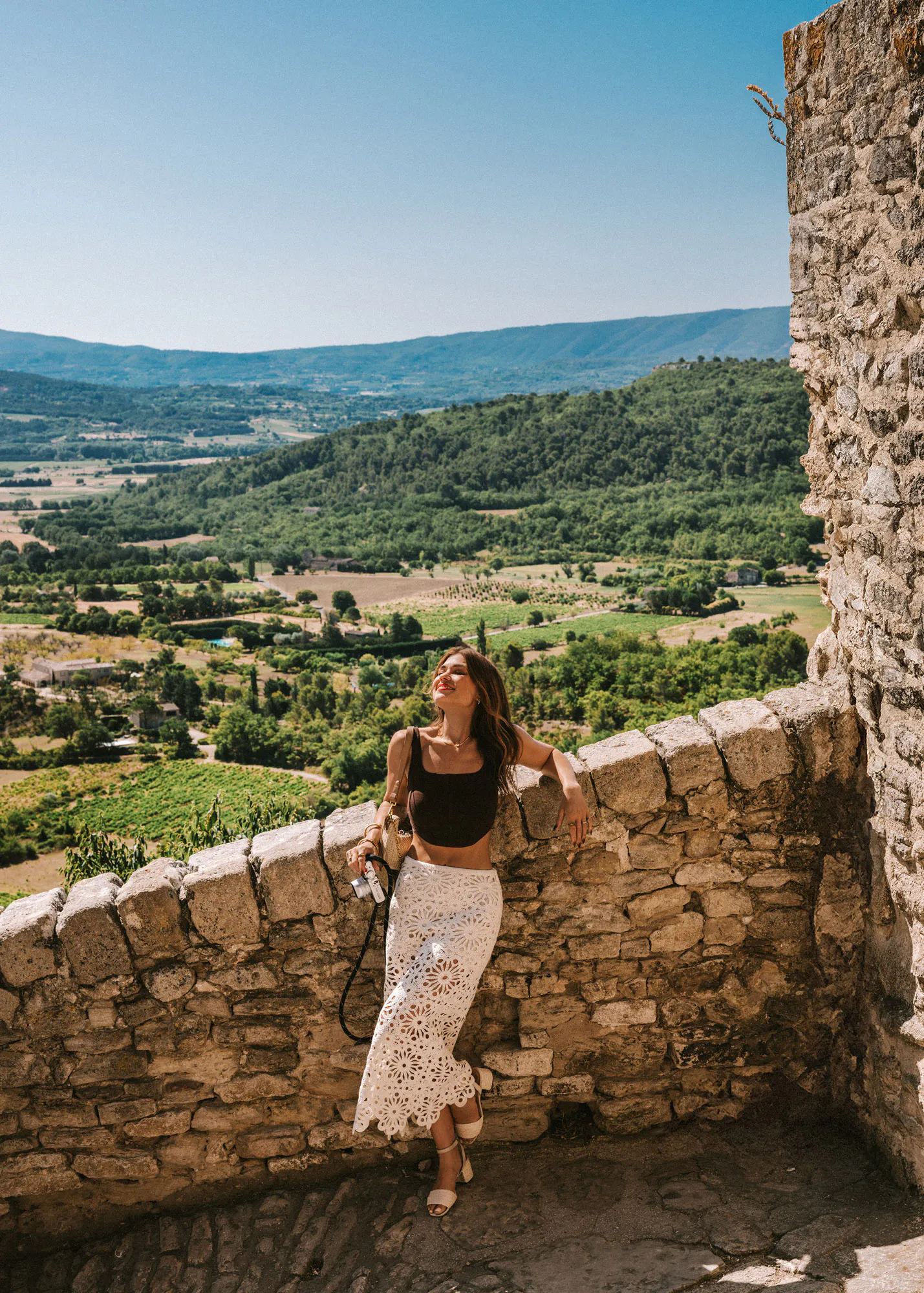
Montalcino is a hilltop town in southern Tuscany surrounded by vineyards, olive groves, and forest. Around 2,100 hectares are registered for the production of Brunello di Montalcino DOCG. Under the appellation rules, Brunello must be made from 100 percent Sangiovese grown within the historic boundaries of the Municipality of Montalcino. The local climate is influenced by its position between the Tyrrhenian Sea and the central Apennines, while Mount Amiata to the south helps shelter the area from severe weather.
The wine must spend at least two years aging in oak and four months in the bottle before release, while Riserva wines require six months of bottle aging and are released a year later. When considering wine tasting holidays in Italy, Montalcino is a natural stop, with vineyard visits and cellar tastings centered on the tightly regulated Brunello production zone.
Biševo, Croatia: An Island With No Roads, Reached by Boat
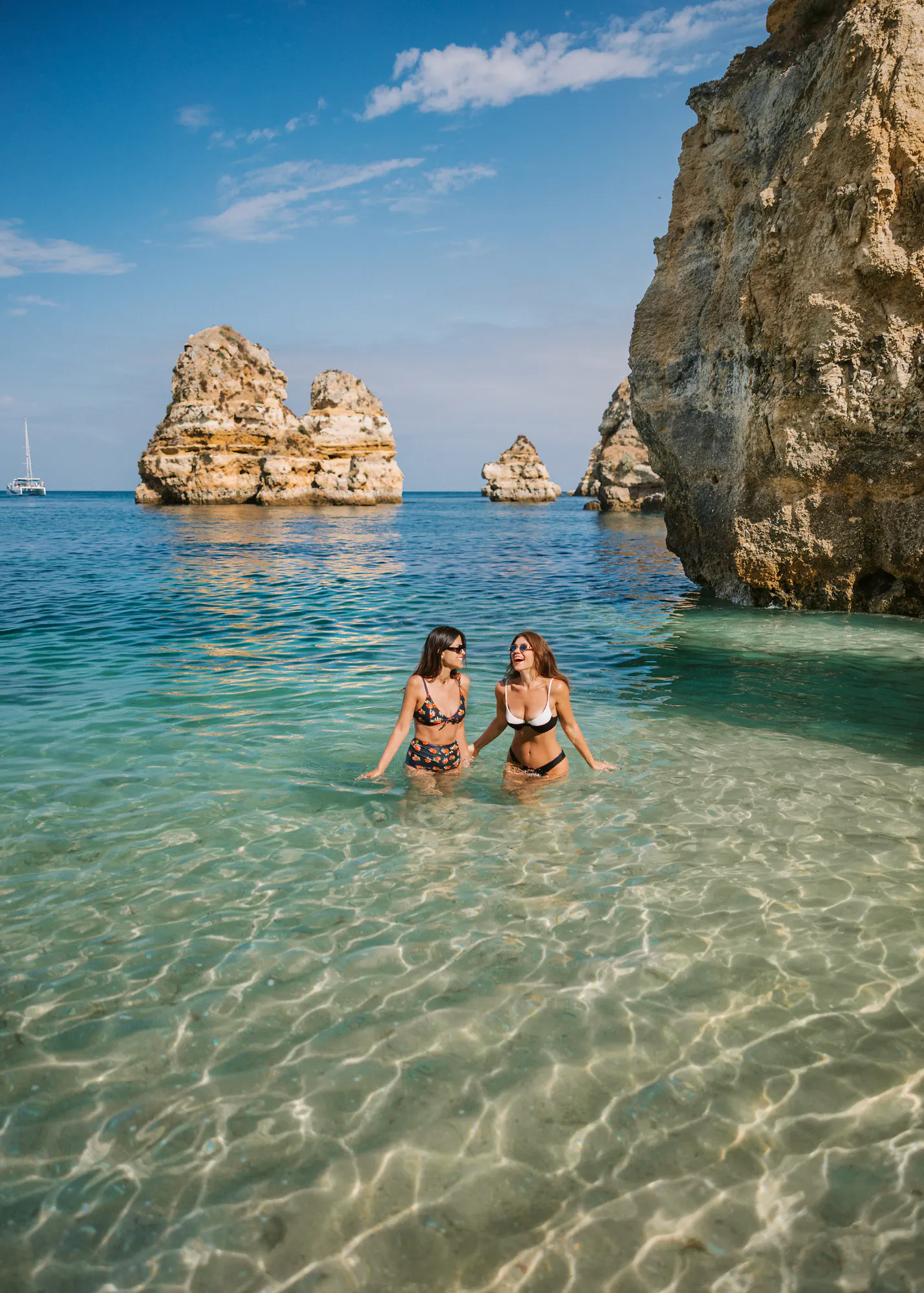
Biševo is a limestone island covering under six square kilometers in the Dalmatian archipelago, located southwest of Vis. The island is not connected to a public water supply and remains lightly developed, with a permanent population of around 20 residents. Access is by boat, with visitors arriving from Komiža on Vis or by private vessel.
The island's primary geographic feature is the Blue Cave (Modra špilja), located in the cove of Balun. Depending on the season, the best viewing period falls between roughly 10 AM and 2 PM, when sunlight enters through an underwater opening and reflects off the cave floor, illuminating the chamber in a blue-silver light. Visitors transfer into a small boat to pass through the cave's narrow entrance. Outside the main cave-visiting period, Biševo also has quieter coastal areas such as Porat, a sandy beach on the island's western side.
Galloway Forest, Scotland: The UK's First Dark Sky Park
Galloway Forest Park covers roughly 774 square kilometers of woodland, hills, and lochs in southwest Scotland. In 2009, it became the UK's first International Dark Sky Park, recognized for its remote setting and low levels of artificial light. On a clear night, more than 7,000 stars and planets can be visible with the naked eye, along with the band of the Milky Way.
The park has several recommended stargazing locations, including Clatteringshaws Loch, Stroan Loch, and Glentrool. Clatteringshaws is considered one of the darkest parts of the park, with open views across the loch and surrounding hills. Visitors can stay in private countryside accommodation around the park and plan evening drives to designated viewing areas.
Longer nights in autumn and winter make these seasons particularly useful for stargazing and night photography. On clear nights, visitors may also have a chance to see the aurora during periods of increased solar activity.
Which Slow-Luxury Escape Calls to You?
Each destination in this selection has been shaped by geography, local regulations, or protected landscapes. From the vehicle-free streets of Zermatt to the dark skies over Galloway, these factors influence how visitors experience each place and help preserve aspects of its landscape and local character.
Geothermal cooking in the Azores, regulated wine production in Tuscany, and the quiet coastline of Biševo each create a different pace of travel. Thoughtful accommodation, regional food, and access to distinctive landscapes give these European destinations plenty of appeal for travelers looking for a more considered escape.