Why Travel Memories Feel Different When They’re Not Just on Your Phone
Indeed, so much has changed during the last twenty years. One of those transitions concerns going digital; everyone and everything has “gone digital”. In the “olden times”, you had to have a bunch of devices and gadgets with you to do what can be essentially done using a smartphone today. Cameras, camcorders, film rolls, chargers, and storage all took space and planning. Today, one slim device replaces them all, with speed and ease. Yet something feels different when we look back at travel memories that live outside a screen. Printed photos, developed film, and recorded tapes seem to hold some weight, some presence; it’s something that digital memories don’t have. Analog memories ask for attention in a way a swipe simply can’t match. This difference shapes how we remember various trips and how those moments stay with us over time, for many people today still.

The Tangible Nature of Captured Moments
Analog formats create a physical link between a moment and its memory. A printed photo can sit in a hand. A strip of film exists as a physical object. This form changes how the brain processes the memory, as it gives the moment a fixed place in the real world.
And there’s another thing. The film doesn’t last forever, so film shelf life also plays a role here. The film lasts long enough to feel stable and reliable. That balance creates value. People treat film with care because they know it has limits. That care shapes how photos are taken and stored.
On the other hand, digital files feel endless. They can be copied without effort. They can be lost in large folders. Analog formats create boundaries, and those boundaries give each image more weight and more meaning.
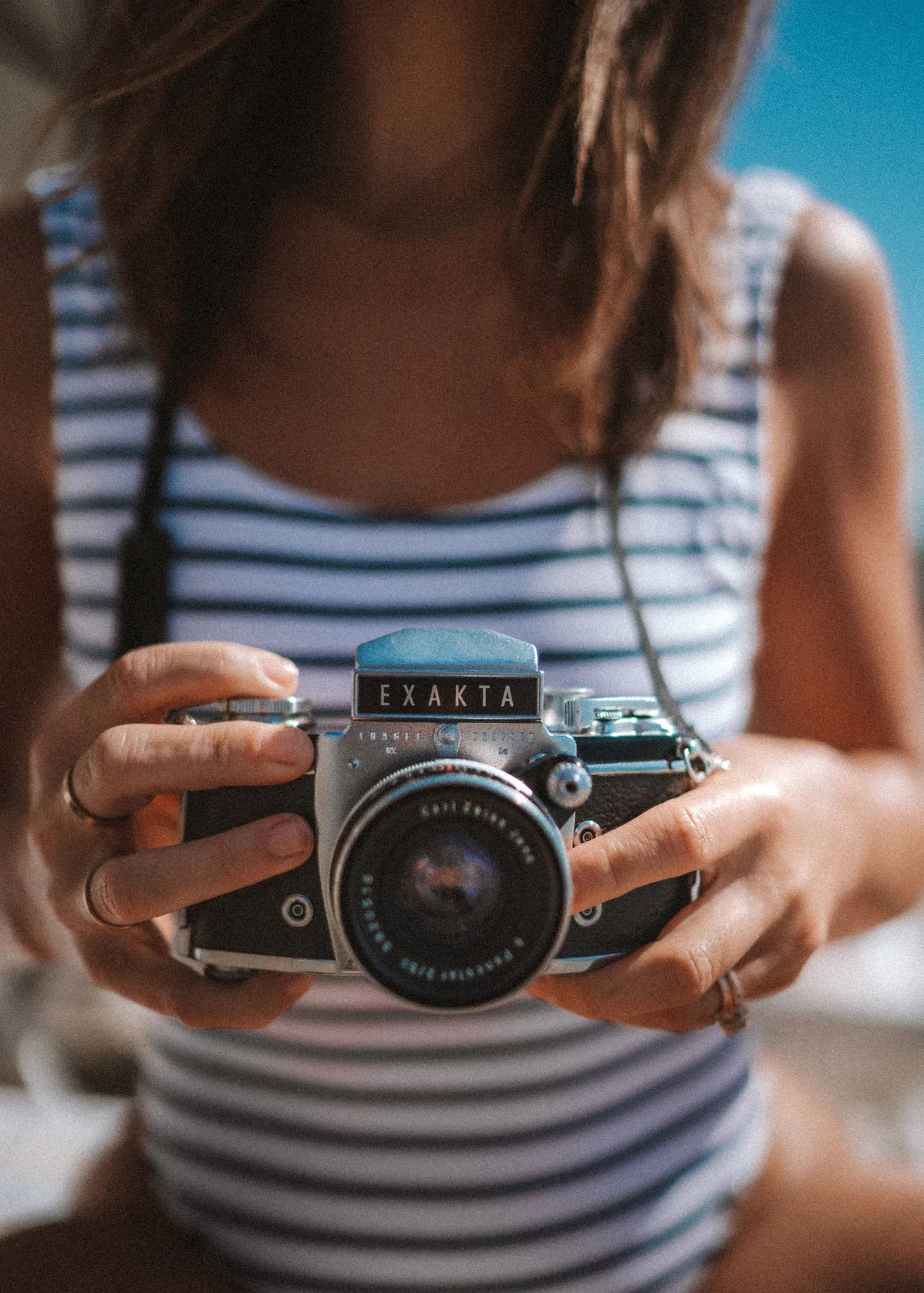
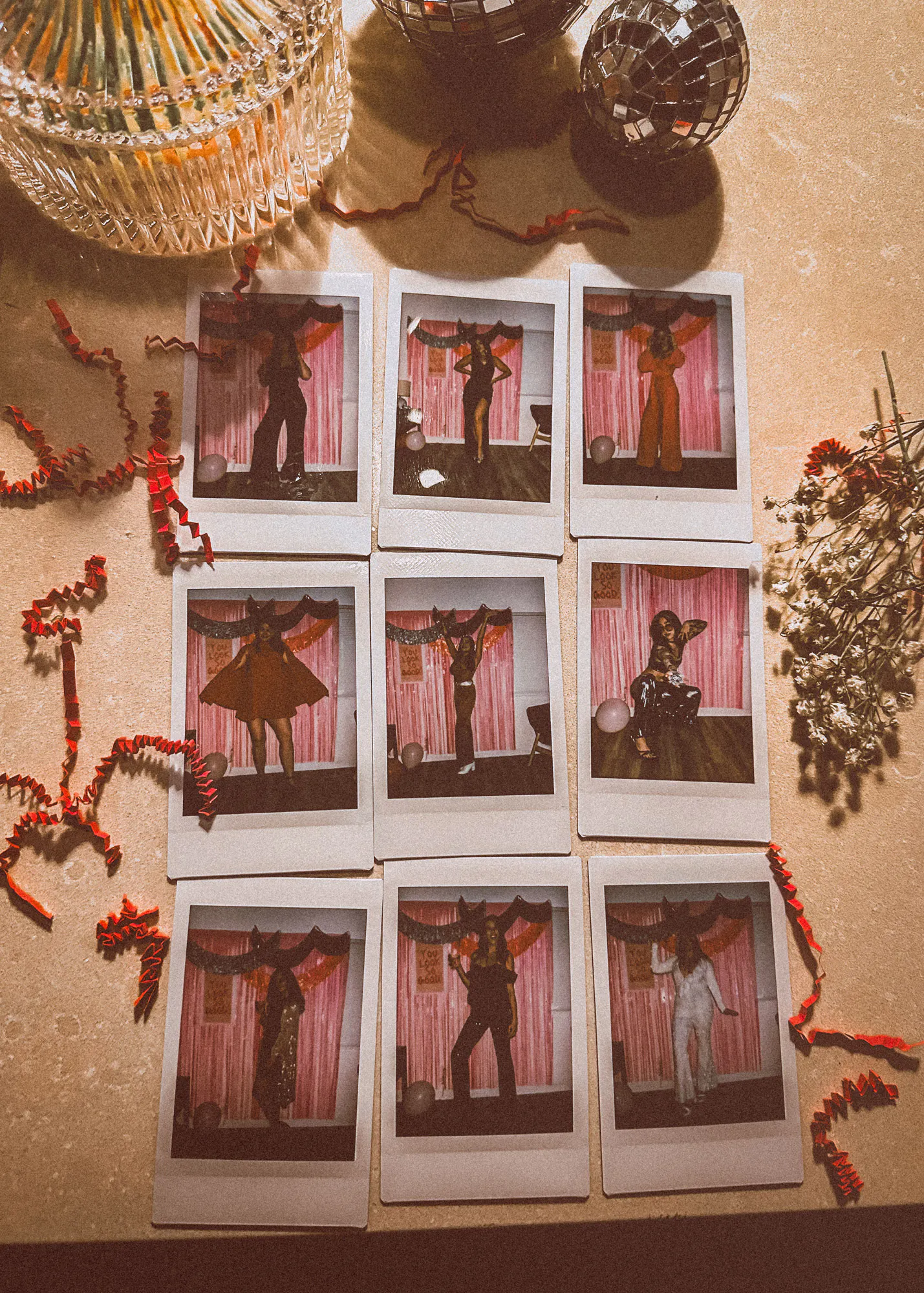
Analog formats create a physical bridge between a moment and its memory.
Attention Changes the Experience
Analog photography asks for focus. A person must think before pressing the shutter. Each frame costs time and money. This process slows the pace of capture. It creates intention. Digital tools remove that pause. A person can take hundreds of photos in a single minute. The result often becomes a blur of similar images. The brain struggles to separate them later.
When attention increases, memory improves. A single well-considered photo can hold more meaning than many quick ones. The act of choosing the moment becomes part of the memory itself. That act stays in the mind along with the image.
Effort Shapes Value
A decent amount of scientific research has shown that consumers often choose harder tools even when easier ones exist. These studies suggest that effort increases emotional attachment. People value what they work for. This pattern appears in photography and video. Analog methods require planning, patience, and skill. Each step adds effort. That effort creates a stronger bond with the final result.
The difference is quite clear. A person who uses film often remembers the act of taking the photo in detail. That memory blends with the image itself. This process strengthens travel memories in a subtle but lasting way.
Digital capture removes most of that effort. It provides speed and convenience. Yet it often reduces the sense of involvement. The result may look sharp, but the memory behind it can feel lighter.
Limits Create Better Stories
Limits guide behavior, and analog formats impose clear boundaries that shape how we act. A roll of film holds only a fixed number of frames, and a tape can record only a set duration, so these restrictions will naturally force people to make deliberate choices. Each decision influences the story being created, as individuals must think about what matters most and carefully select which moments to capture.
In contrast, digital formats remove most of these limits, as storage feels almost endless. While this freedom can seem beneficial, it often weakens storytelling because important moments become mixed with less meaningful ones, making the overall narrative less clear over time. Analog tools, on the other hand, provide structure; that structure supports memory by helping the brain organize events into a coherent sequence. As a result, the story becomes easier to recall and share.
The Role of Waiting
Analog processes involve waiting. The film must be developed. Photos must be printed. This delay changes how people experience their own images. Also, waiting builds anticipation. It creates a gap between the event and the result. During this gap, the mind can reflect on the experience. That reflection strengthens memory.
When the images finally appear, they feel new again. The moment returns with fresh energy. This second encounter deepens the connection.
Digital images appear at once. This speed removes the period of reflection. The image becomes part of a fast stream of content. It risks being forgotten sooner.

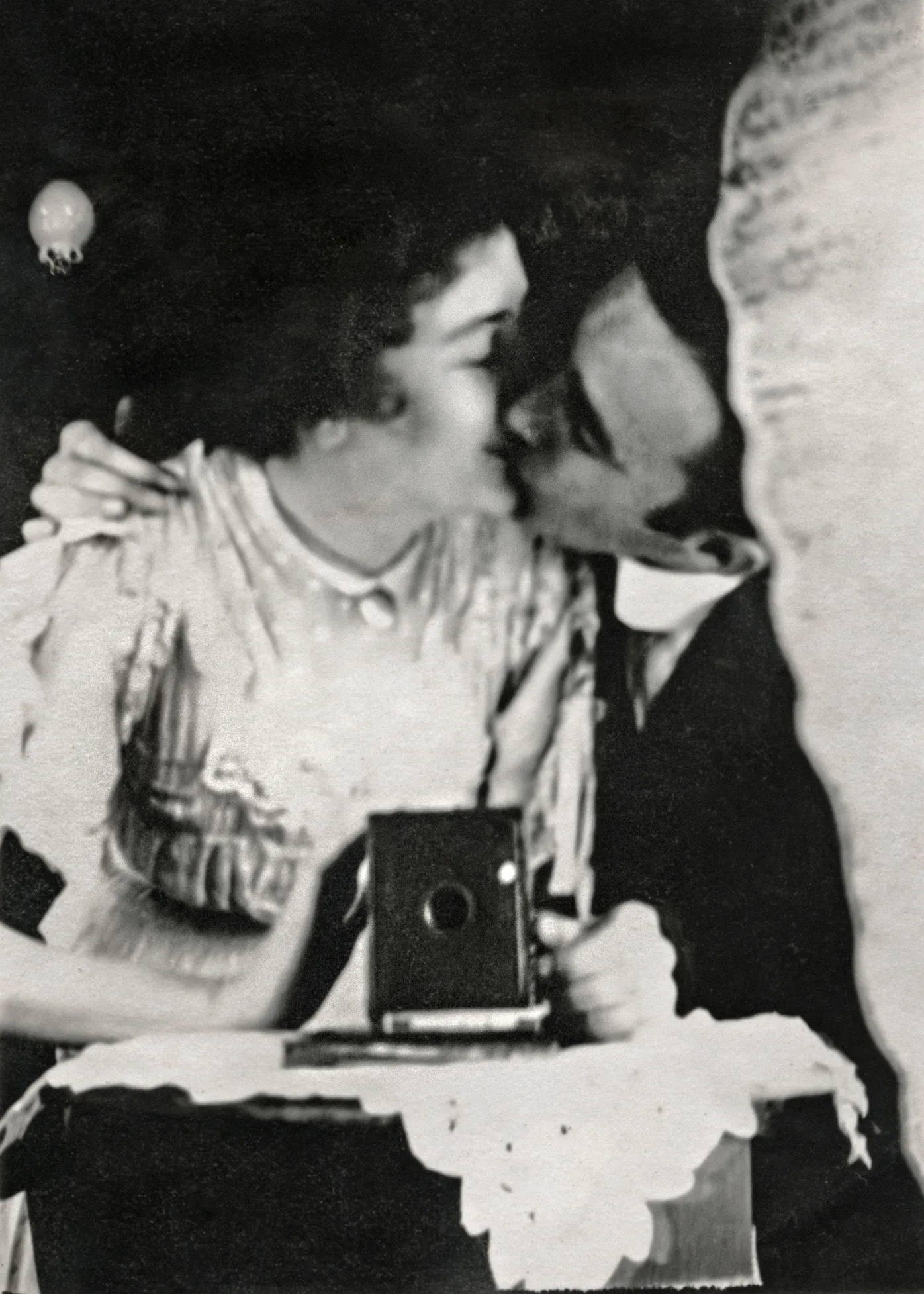
Waiting for the film to develop creates positive anticipation.
Bringing Digital into the Physical World
Modern tools don’t need to replace analog values. They can support it. A simple step can change how digital images are experienced.
Printing photos creates a bridge between formats. A digital image can actually become a physical object. It can gain presence and weight. It can leave the screen and enter daily life.
Albums, photo books, and prints on walls all serve this purpose. They turn quick captures into lasting items. They invite repeated viewing. Each viewing refreshes the memory.
This approach shows that analog value isn’t limited to old tools. It can be recreated with simple actions. The key lies in giving images a physical form and a clear place.
A Lasting Impression
The difference between formats doesn’t depend on age or nostalgia. It depends on how the mind connects with moments. Analog methods support that connection through effort, limits, and presence. Digital tools offer speed and ease, yet they can feel distant without intention. By adding physical form and thoughtful capture, people can shape stronger travel memories that stay vivid and meaningful over time. A useful step is to build small habits around this idea. Set aside time after each trip to select a few images that truly matter. Print them, label them, and store or place them in a visible place. This routine will create a sense of closure and reinforce the value of the experience. Over time, these small actions will form a personal archive that’s easy to revisit and share, which strengthens long-term recall.