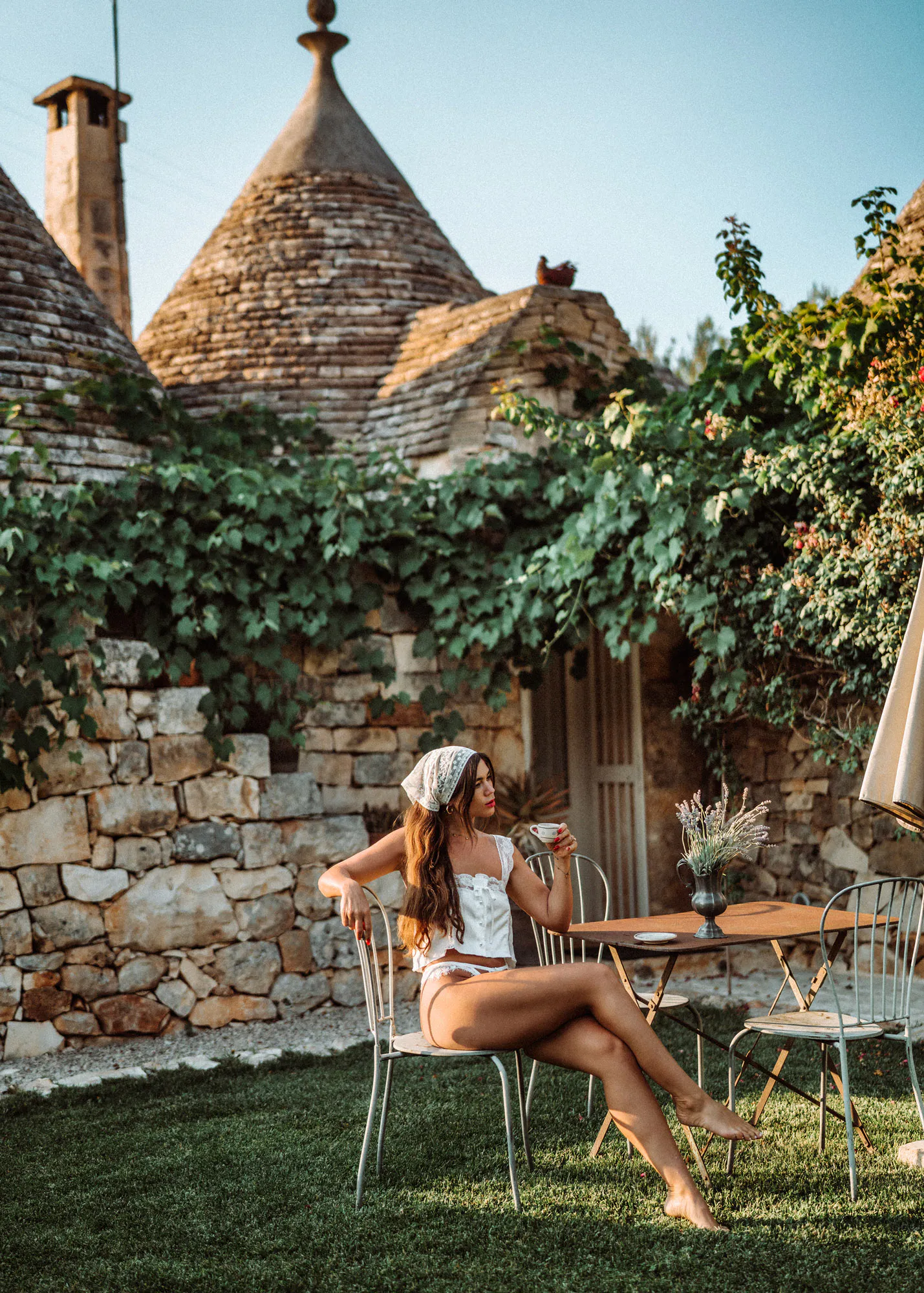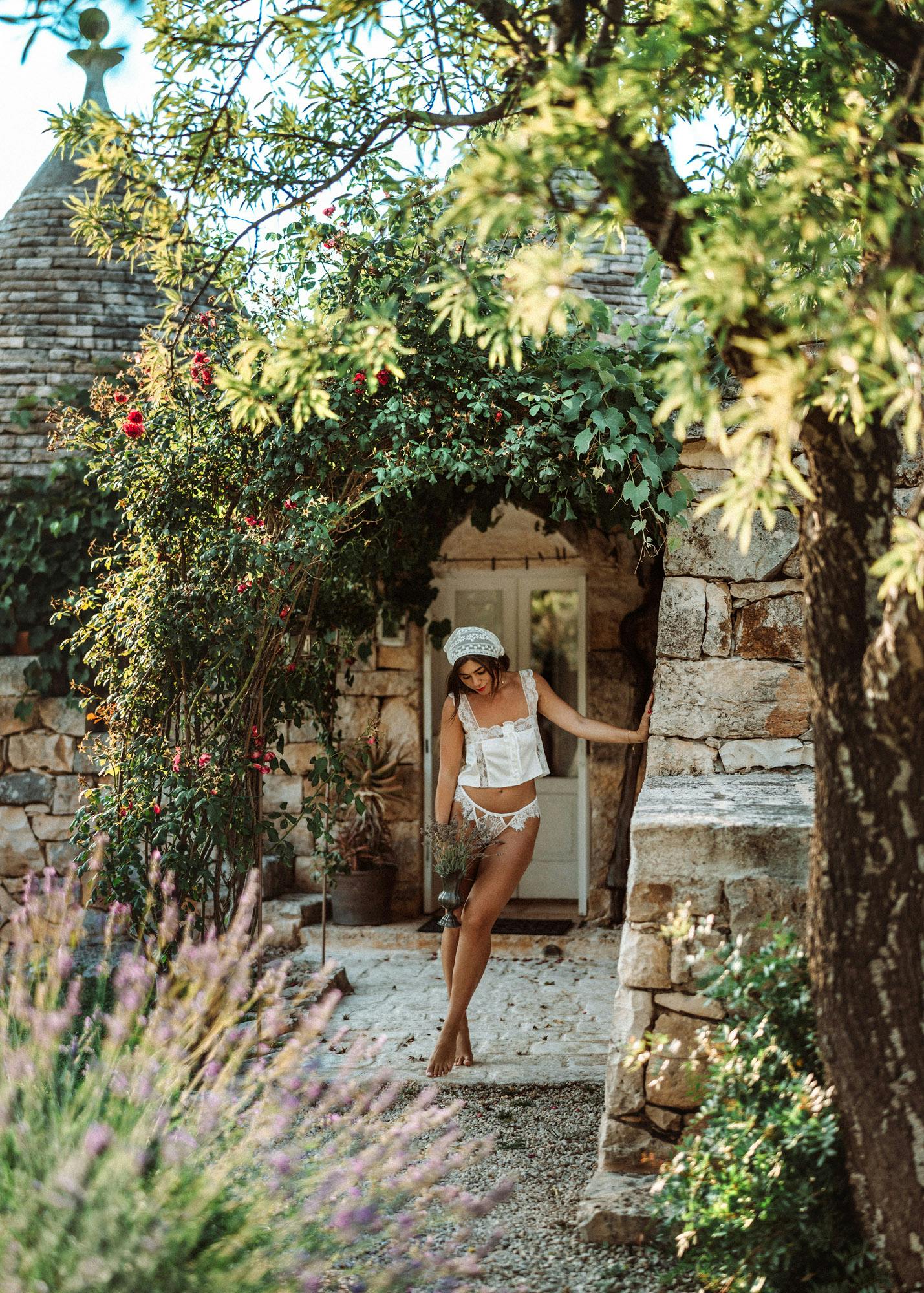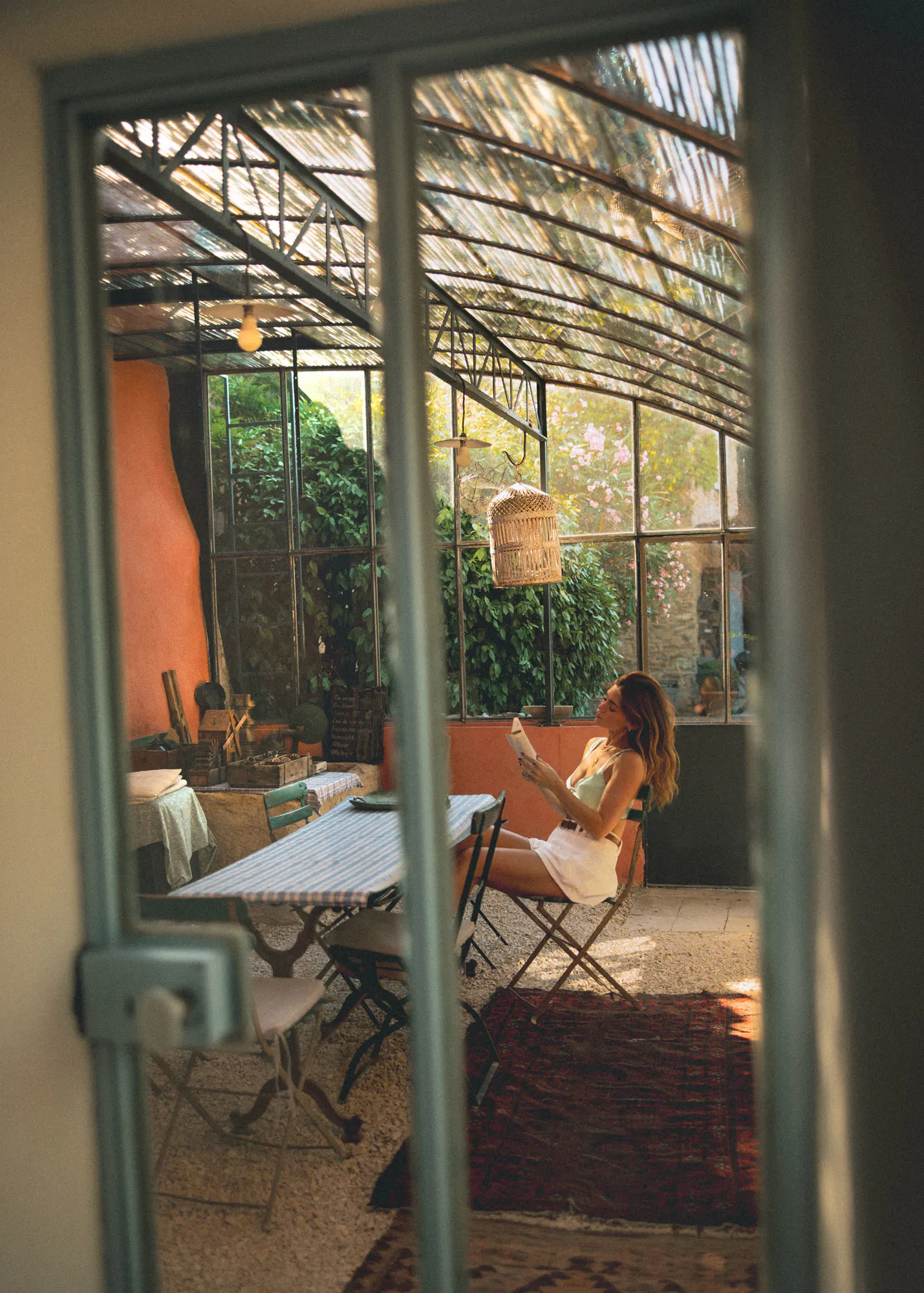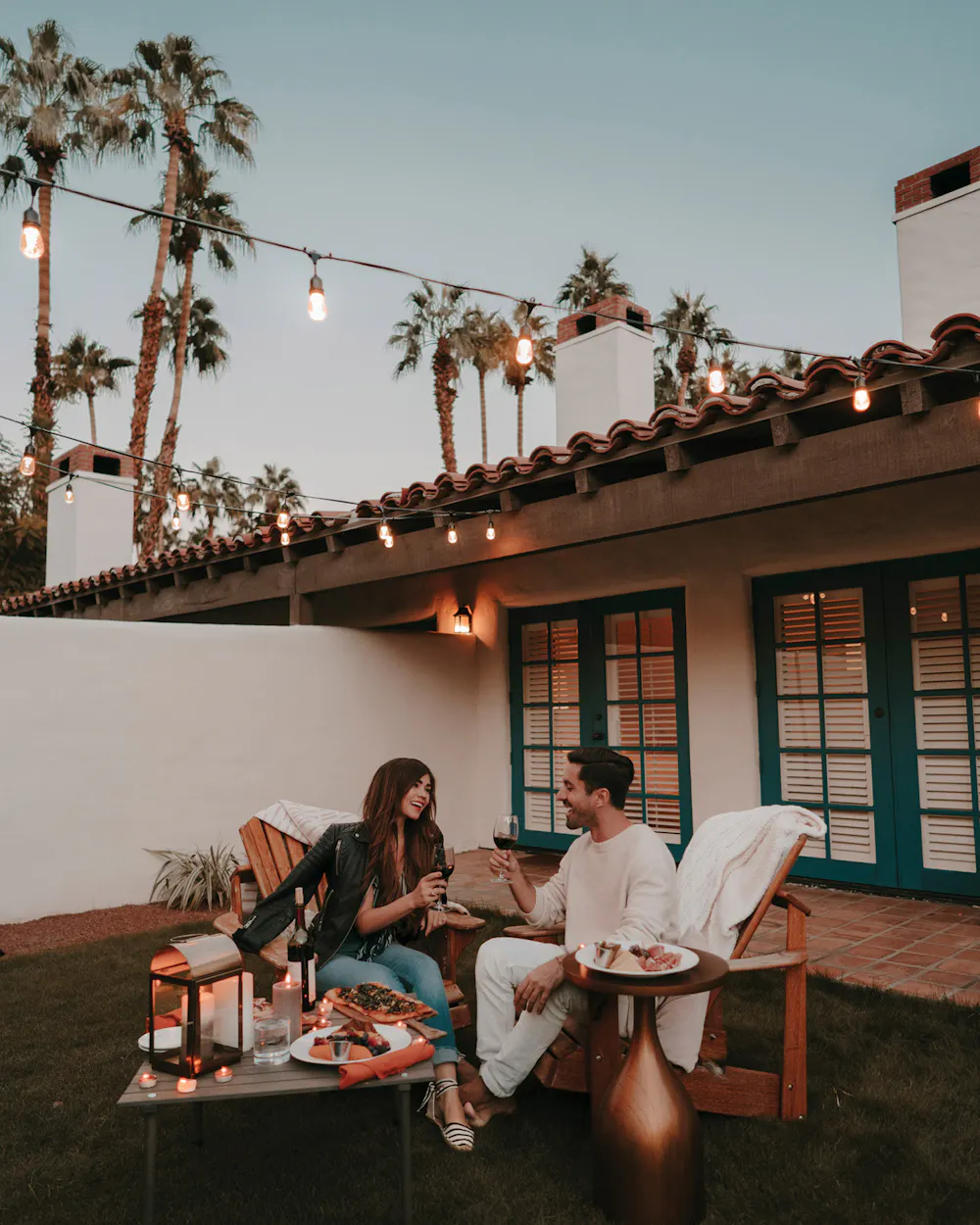
A patio has real potential to become your most-used space at home, but it takes more than a couple of lawn chairs to get there. Most outdoor areas sit half-finished: they work when you think about it on paper, but they're forgettable when you're actually using them.
You don't need a full renovation to turn things around. A few deliberate choices can completely change how a patio feels and looks. These five upgrades cover what actually matters when you want a patio that's both comfortable and visually appealing.
1. Add a Fire Feature for Warmth and Ambiance
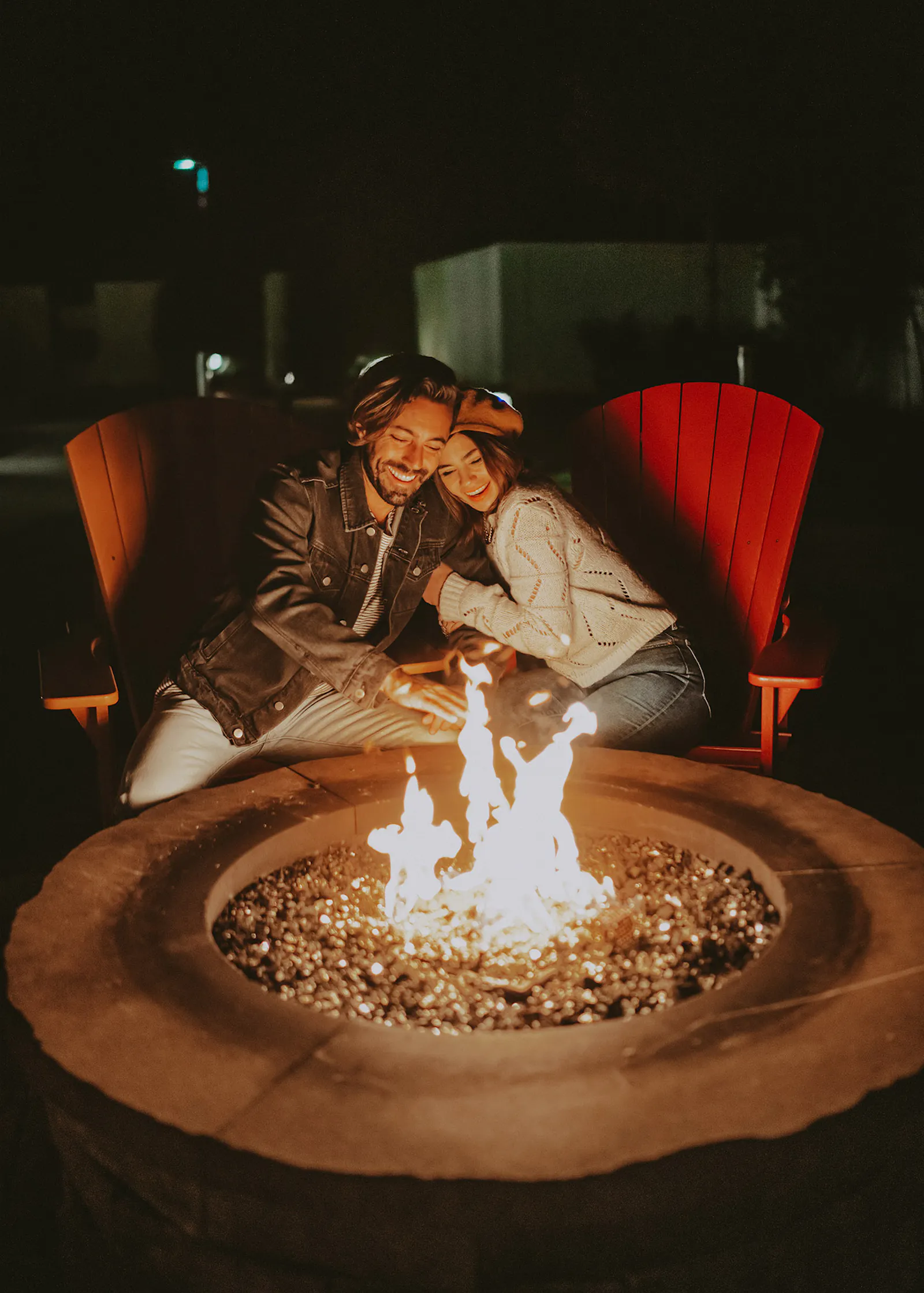
A fire bowl is one of the fastest ways to add warmth and visual drama to an outdoor space, and https://www.majesticfountains.com/collections/fire-bowls gives you a solid range of options to find one that fits your patio's scale and style. Fire features earn their place on any patio for two reasons: they extend the usable season well into fall, and they create a natural gathering point that no string light can replicate.
Placement matters. Center a fire bowl on a stone or concrete pad to keep it a safe distance from furniture and any wood structures. Most manufacturers recommend at least 10 feet of clearance from walls or fences.
On a small patio, a low-profile bowl on a pedestal keeps the flame at eye level without crowding the space. Larger patios can handle a tall, freestanding unit that reads almost like a sculpture when it's not lit. Either way, a fire feature makes the space feel considered rather than thrown together.
2. Invest in Seating That's Actually Comfortable
Outdoor furniture lets a lot of patios down. Cheap cushions flatten after one season, metal chairs wobble, and plastic frames crack under UV exposure. Buying well once saves money in the long run.
Go for deep-seated sectionals with high-density foam cushions rated for outdoor use. Sunbrella fabric - a polyester-acrylic blend that resists fading, mildew, and moisture - holds up in most US climates without constant upkeep. Spend a little more here, because comfort is the whole point.
Think about your layout's shape, too. A square patio pairs well with an L-shaped sectional that follows two walls and opens toward the yard. Long rectangular patios often work better with two loveseats facing each other across a coffee table. Don't buy what fits in the store; buy what works for your actual footprint.
Side tables at armrest height also make a real difference. Nobody wants to set a drink on the ground.
3. Define the Space With an Outdoor Rug and Lighting
An outdoor rug does something that furniture alone can't: it anchors the space and tells the eye where the "room" begins and ends. Without one, patio furniture tends to look like it's floating on concrete. A rug pulls everything together.
Pick a rug sized so that at least the front legs of all your seating rest on it. Polypropylene rugs handle rain, sun, and foot traffic without breaking down. Patterns with dark backgrounds hide dirt far better than pale neutrals, something worth considering if your patio faces a garden or lawn.
Lighting does the other half of the work. String lights hung between posts or overhead give the patio a warm glow that carries the space from afternoon into evening without effort. Solar-powered stake lights along the perimeter add definition without any wiring. And if you've got a fire feature, the ambient light it throws covers a lot of ground on its own.
Layer your lighting sources - overhead, perimeter, and tabletop candles or lanterns - so the space feels dimensional after dark rather than lit by a single floodlight.
4. Build In Shade So the Space Is Usable All Day
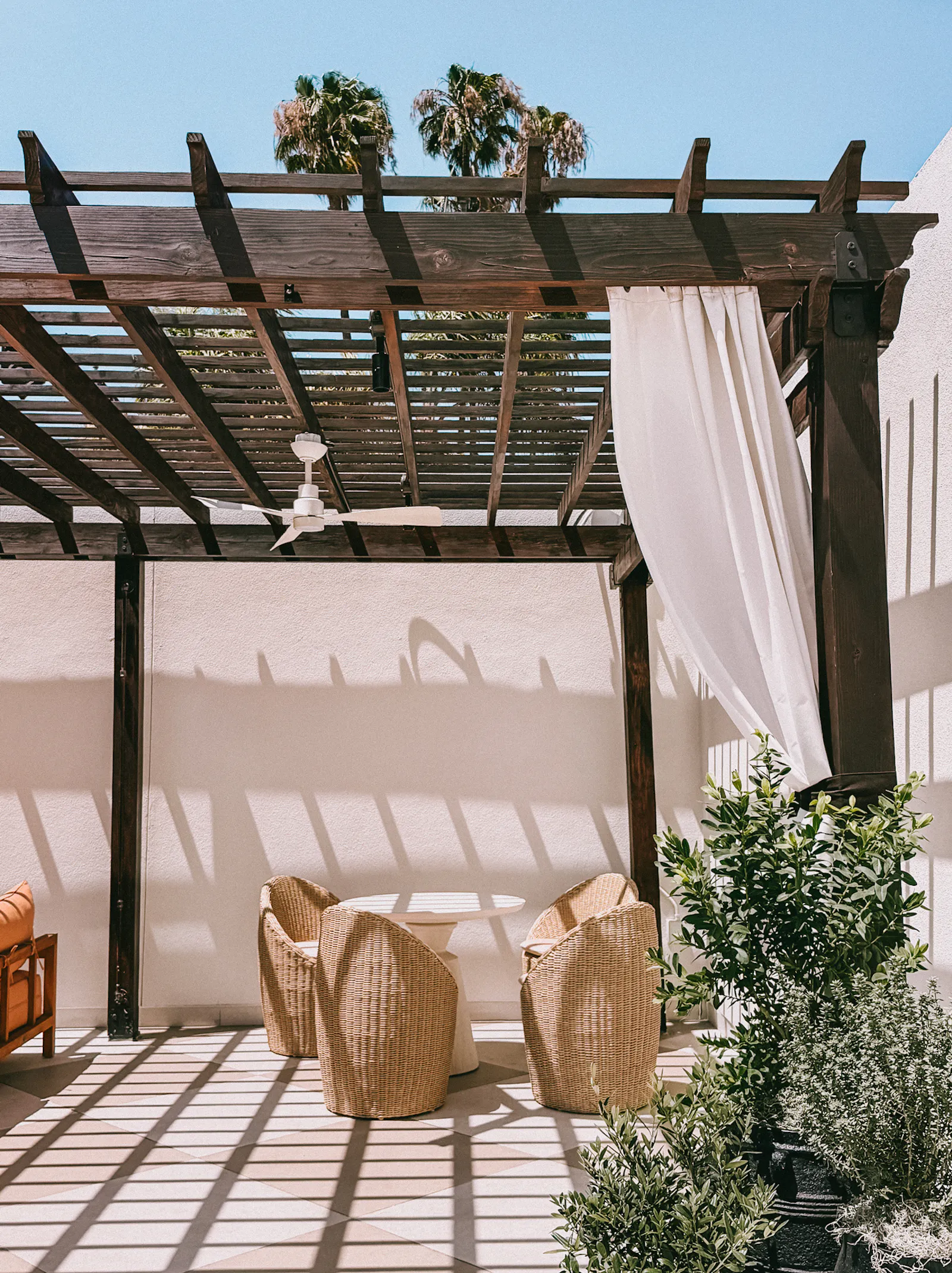
A patio with no shade is a morning-only patio in most parts of the US. Afternoon sun makes even the best seating unbearable by summer, so shade isn't a luxury - it's what determines how many hours a day you actually use the space.
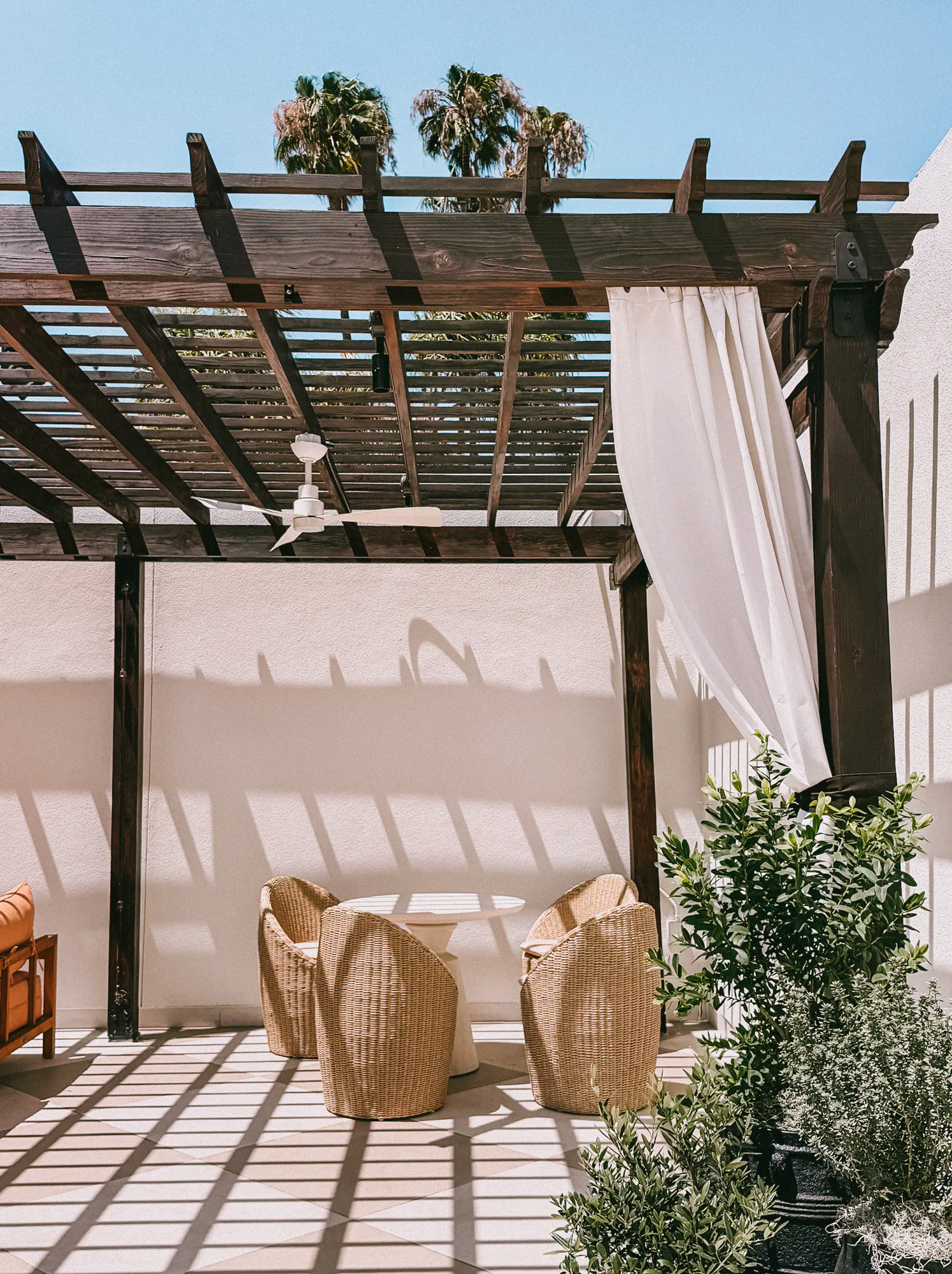
A freestanding pergola is the most permanent route. It frames the patio architecturally and can support climbing plants, shade cloth, or hanging lights. Cost is the catch: a simple wood pergola kit runs $1,500 to $4,000 depending on size and material, and installation adds to that figure.
A large cantilever umbrella costs far less - typically $200 to $600 for a quality model - and it's surprisingly effective. Look for a 10-foot to 13-foot span with a weighted base. Aluminum frames resist rust, and fiberglass ribs handle wind better than cheaper alternatives.
Shade sails are a third option that suits modern or minimal patios particularly well. They attach to anchor points on walls, posts, or fences and block a significant amount of UV rays. Layer two sails at different angles and you'll cover more area without cutting off airflow.
5. Add Plants and Greenery to Give the Patio Life
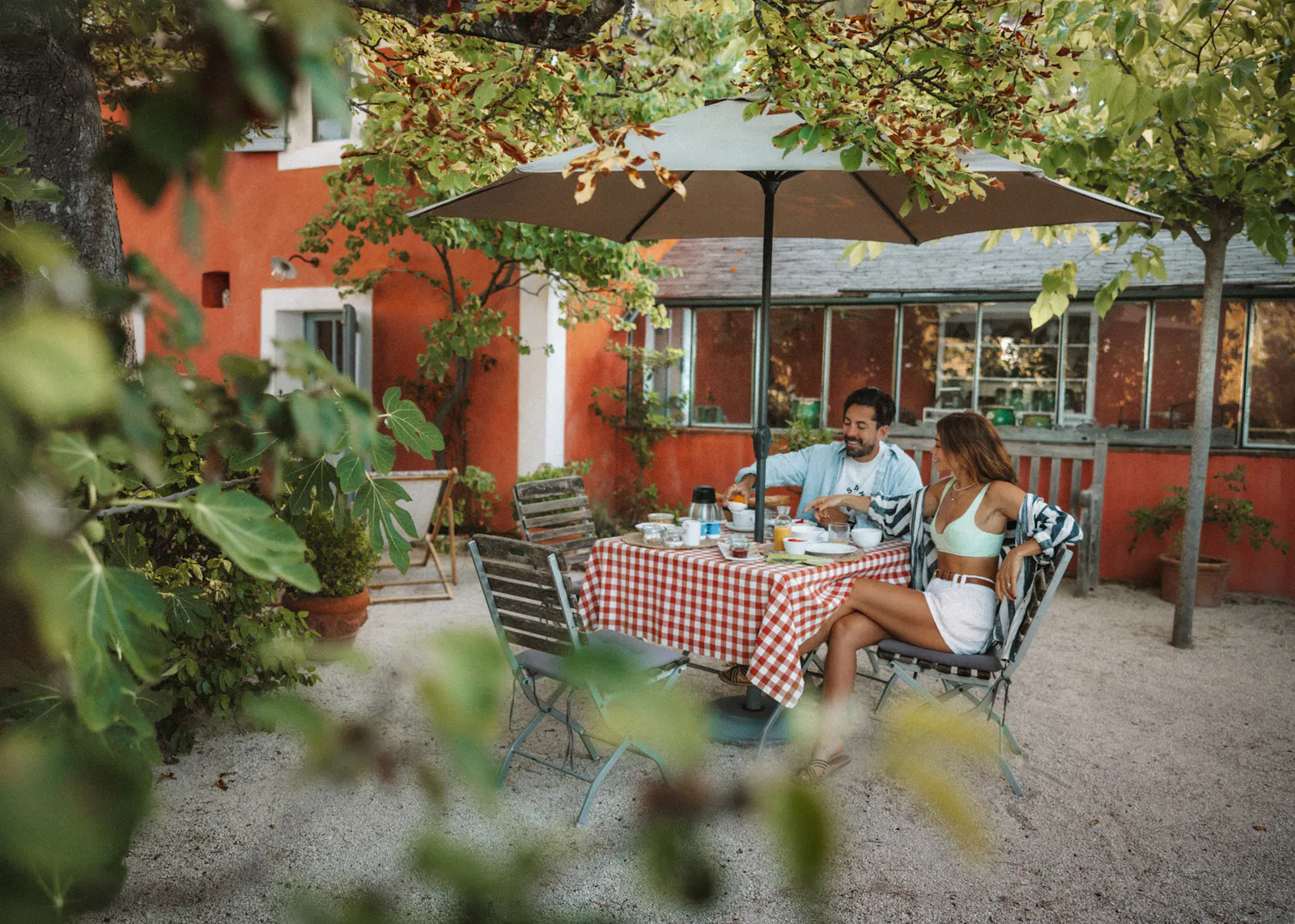
A patio without any plants feels like a parking lot with chairs. Greenery softens hard surfaces, adds color, and creates a sense of enclosure that makes the space feel more private and intentional.
Planters offer the most flexibility. Tall ones filled with ornamental grasses or bamboo, placed at the patio's corners, form a natural screen. Smaller pots with herbs - rosemary, basil, lavender - add fragrance and pull double duty for cooking. Group pots in odd numbers, three or five; it looks far more natural than a single planter sitting alone against a wall.
Vertical gardens are worth a look if your patio is narrow or small. A wall-mounted planter system or a basic trellis with climbing vines takes up almost no floor space while adding real visual texture. Clematis, climbing roses, and black-eyed Susan vine all perform well across most US hardiness zones.
And if live plants feel like too much maintenance, high-quality faux options have improved dramatically. Realistic faux boxwood panels and trailing pothos look convincing in outdoor settings and require nothing beyond an occasional rinse.
Conclusion
A full redesign isn't necessary to make your patio more comfortable and visually appealing. A fire feature, quality seating, an outdoor rug, good shade, and the right plants each address a different layer of the space, and together, they genuinely change how it feels to spend time there. Start with the one gap your current setup has, get that right, and build from there. The patio you end up with will feel like it was planned that way all along.