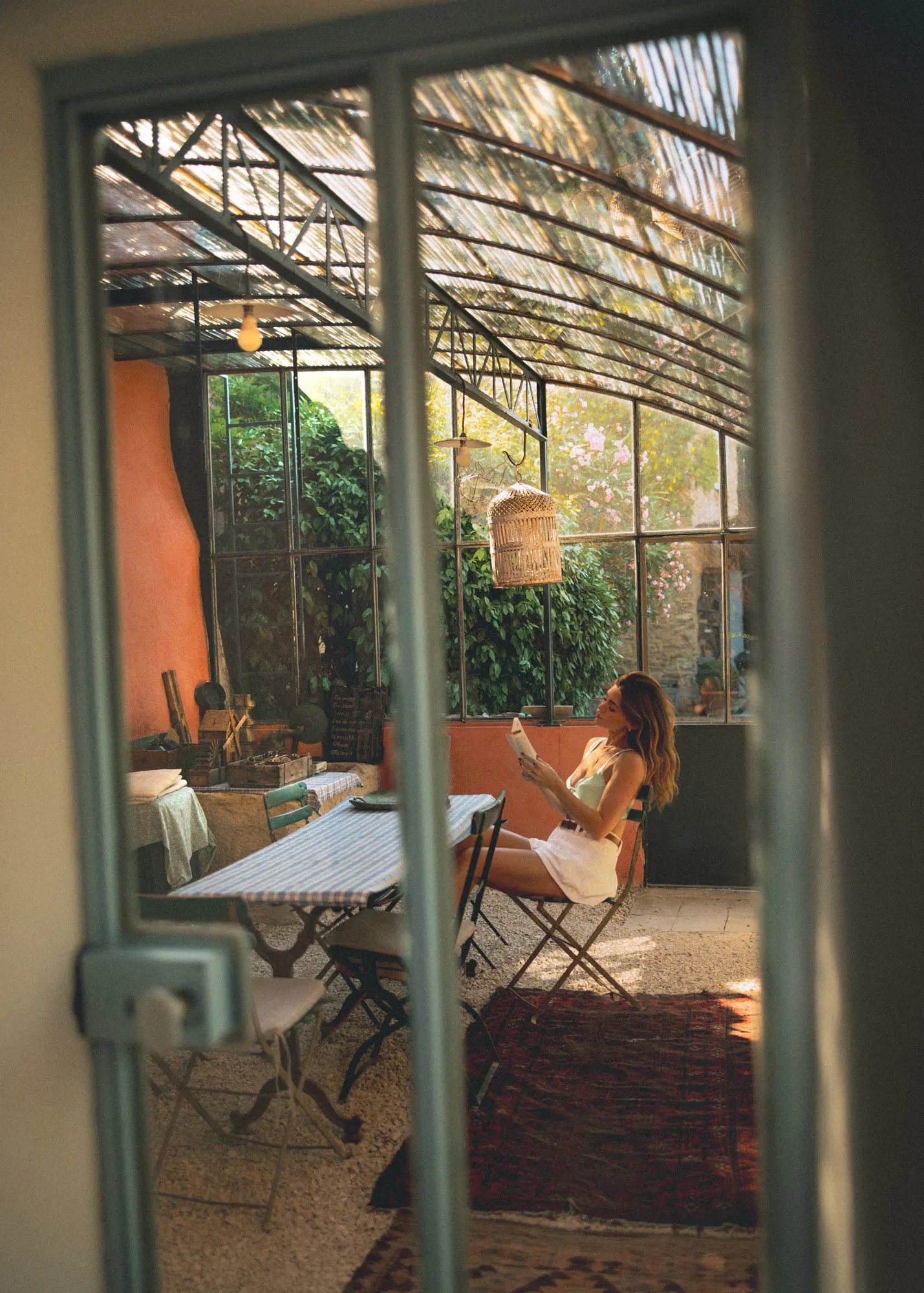
There's something about a play kitchen that turns a quiet afternoon into a full restaurant service, complete with pretend orders and imaginary spills. The trouble is that most shop-bought sets look like plastic toys, and children see through that pretty quickly.
A few real materials and some clever touches will change all that, without costing a fortune. If you want a toy kitchen your child treats like the real thing, let's take a closer look at the touches that pull it off.
Pick Materials That Behave Like the Real Thing
Children copy what they see in the family kitchen, so the closer your build sits to the real one, the longer they'll stay in the game. That doesn't mean emptying your wallet. A sturdy wooden frame, a metal bowl for a sink and a few offcuts of proper surface material will do most of the heavy lifting.
The trick is to use things that can take a battering. Kids will bash pots, splash water and press every button they can find. Materials that wipe clean and shrug off knocks will save you a lot of grief further down the line. Food-safe finishes are worth looking out for too, since anything the kids might chew on or lick clean should be able to handle it.
Add a Splashback Kids Can Actually Wipe Down
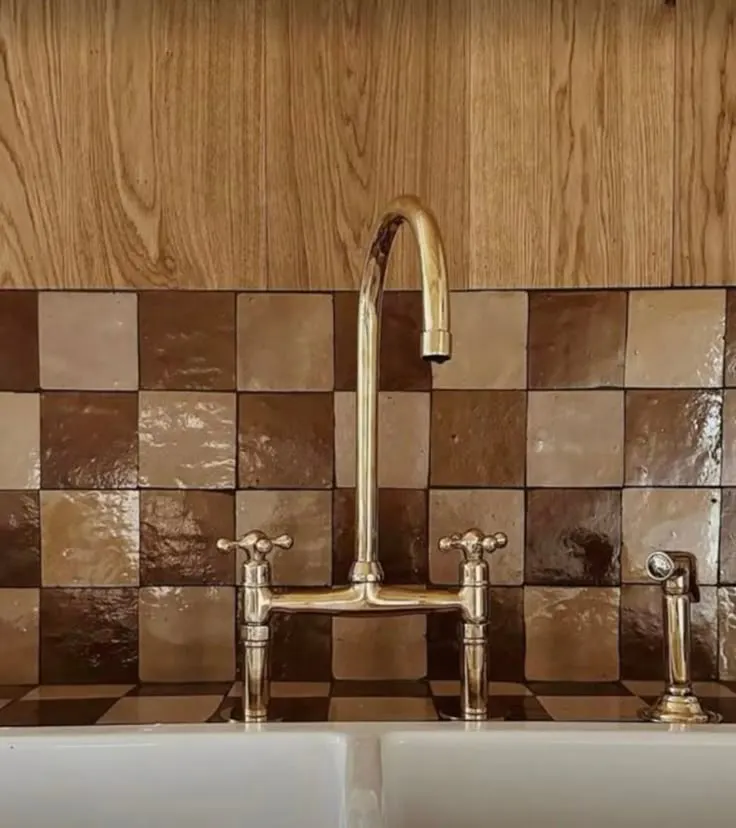
A splashback is one of the quickest wins going. Real kitchens have them, so adding one instantly makes the play version look the part. You can cut a small offcut from a hygienic PVC cladding sheet to create a proper wall panel behind the hob and sink.
This kind of cladding is the same stuff used behind real hobs and in commercial kitchens, so it copes brilliantly with splashes, and you can order a cut to the exact size you need. The surface is smooth and non-porous, so when your child gets carried away with the pretend washing up, you can wipe the whole thing down in seconds.
If you fancy a bit of fake glass for a little window or a divider, a clear PVC sheet from the same family of plastics will do the job as well. It's light, shatter-free and easy to cut to size, so kids can peer through their pretend serving hatch without any of the worry that comes with the real thing.
Fit a Working Tap Over a Water Tray
If you want to go one better, fit a real tap sitting over a small water tray underneath. It doesn't need mains plumbing. A simple hand-pump tap gives children actual water to play with, which they will absolutely adore.
Keep the tray shallow and easy to lift out for emptying. A tea towel nearby helps with the inevitable puddles, and it hands your little chef another job to do between orders.
Small Touches That Sell the Whole Thing

Once the big pieces are in, the details do the rest. These are cheap, quick, and make a huge difference:
- Hob stickers or painted rings to mark the cooker
- A few real utensils that are safe for small hands
- An old clock face or timer for pretend baking
- Empty cereal boxes and tins from the recycling
- A little shelf for their pots and pans
Let your child help choose the colors and the bits that go on. They'll play with it far more if they had a hand in making it.
Keep It Safe for Little Hands
Real materials are great, but check every edge before your child gets near it. Sand down anything sharp and round off corners where you can. If you cut cladding or wood, smooth the cut lines so there's nothing to catch small fingers.
Secure the whole unit, so it can't tip if a child leans or climbs on it. And keep any water play supervised, especially with younger ones who love to tip a full tray straight over their head.
Where the Magic Really Comes From
The best play kitchens come down to a few honest materials and a bit of thought about how children actually play. A wipe-clean splashback, a working tap and a handful of real details will do more for imaginative play than any flashing plastic set on the shelf.
Build it with your child instead of for them, and you'll end up with something they come back to again and again. That's the real win, and it usually costs far less than you'd expect.