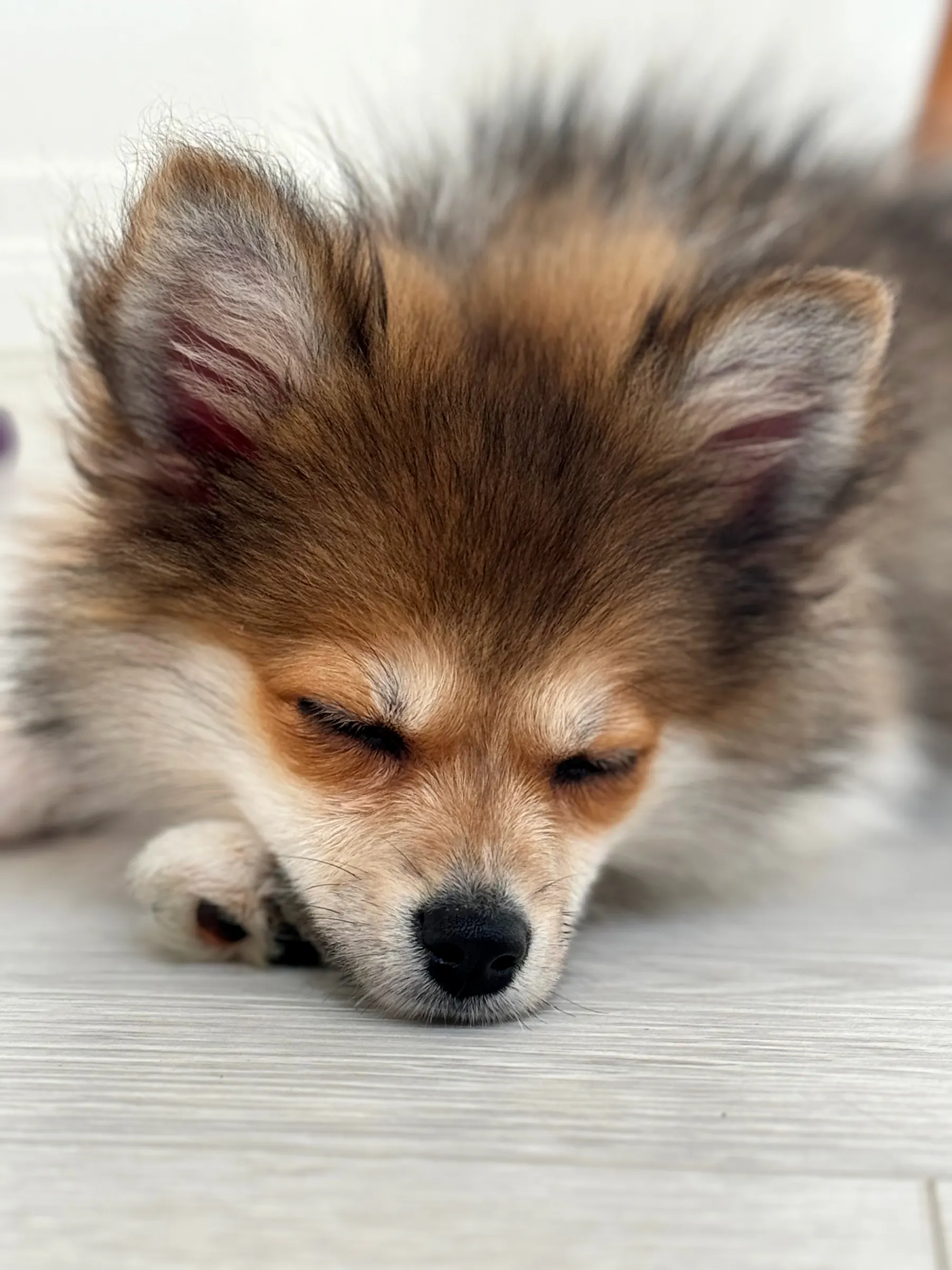
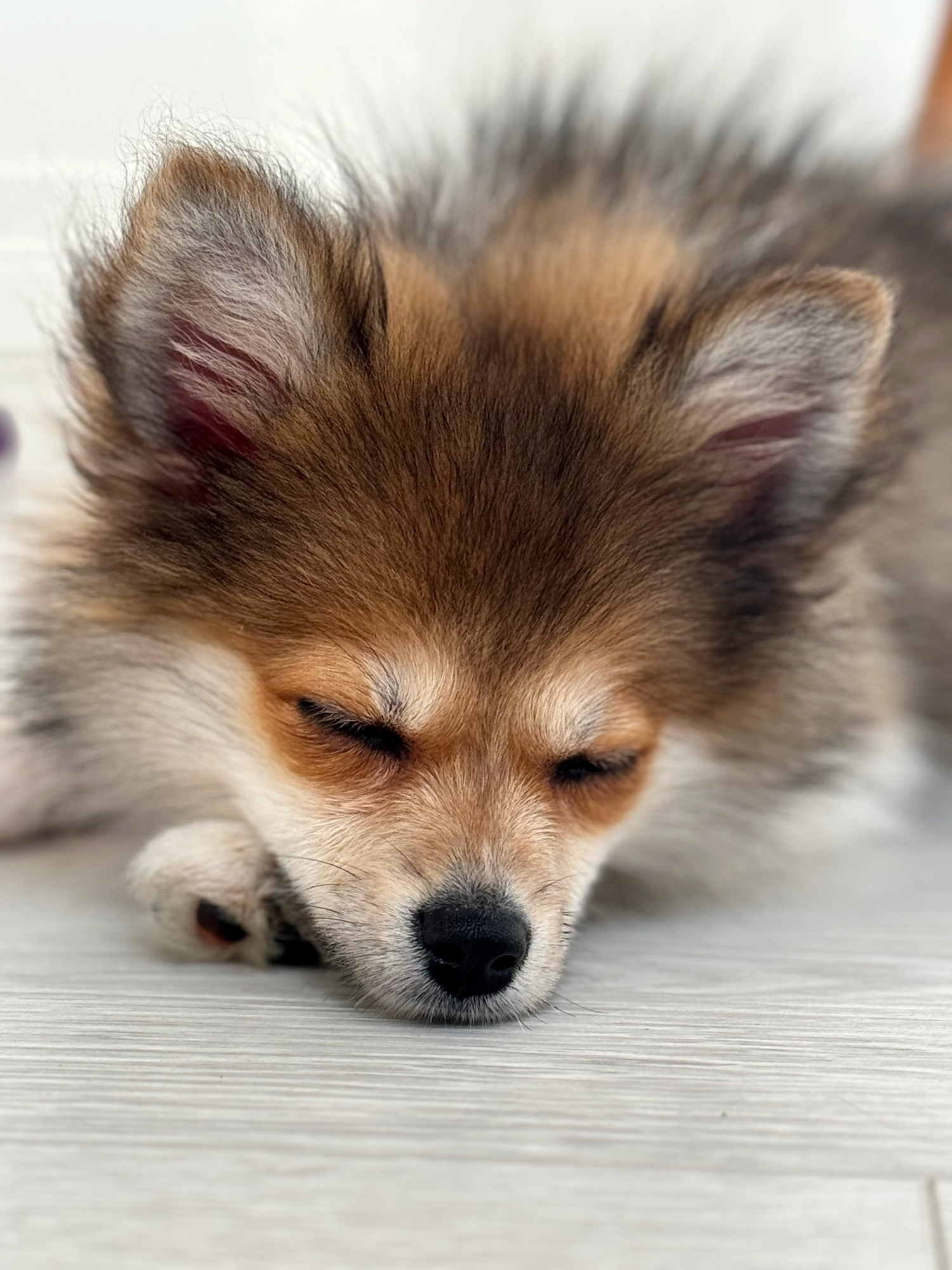
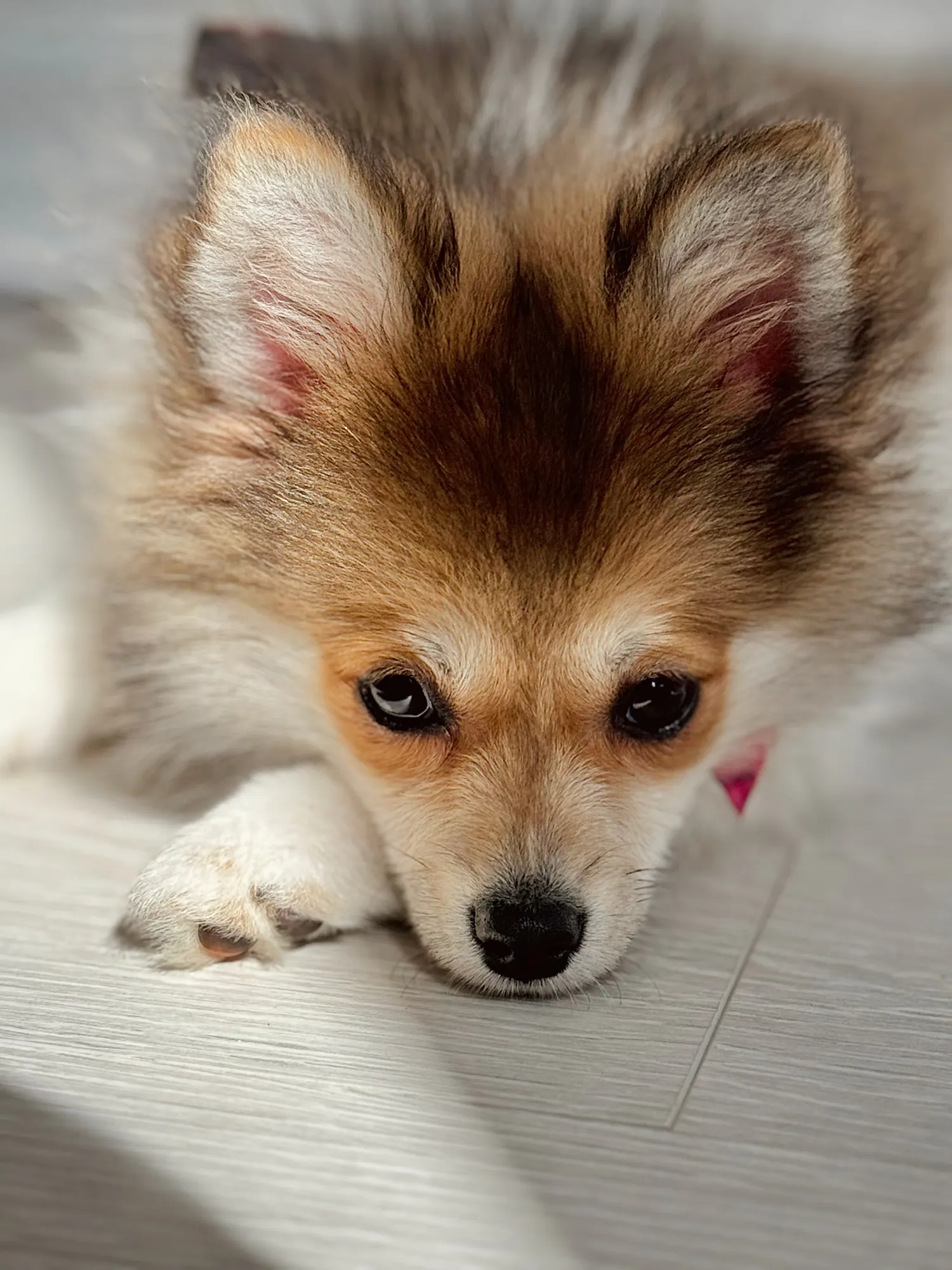
Pets are genuinely hard on floors. Claws scratch, accidents happen, and muddy paws leave their mark on anything soft or porous. So if you're weighing up your flooring options as a pet owner, you need something that holds up to daily chaos without looking tired after six months.
Engineered wood flooring sits at a sweet spot between the warmth of real wood and the durability that pet ownership demands. This article breaks down exactly why it works so well in pet-friendly homes, from its surface toughness to how it handles moisture and cleaning.
Why Engineered Wood Handles Pet Activity Better Than Most Floors
Many pet owners end up evaluating options like pet-friendly engineered wood floors before they commit to a purchase, because the right floor needs to perform across several different stress points at once. Scratch resistance, moisture tolerance, and traction all matter. Solid wood is beautiful but reacts badly to humidity and damp patches; carpet traps pet hair, dander, and odours. Engineered wood sidesteps both problems.
The Hard-Wearing Top Layer That Resists Claw Marks
Engineered wood boards carry a real wood veneer on top, but the wear layer above it is where durability lives. Most boards come with a factory-applied lacquer or hardwax oil finish that rates between AC3 and AC5 on the abrasion class scale. AC4 and above handles sustained foot traffic and pet claws without showing surface cuts after a year or two of normal use.
The catch is thickness. A 3mm to 6mm wear layer gives you room to sand and refinish if deeper scratches appear over time. Thinner veneers don't allow that, so check the spec sheet before you buy.
How the Cross-Ply Construction Deals With Moisture
Dogs drool. Cats miss their litter trays. The multi-layer cross-ply construction in engineered wood is built so each layer runs perpendicular to the last, which resists the swelling and warping that would split a solid plank under moisture exposure.
It doesn't make the floor waterproof. But it does give you a meaningful window to clean up spills without lasting damage. Pair it with a high-quality hard-wax oil finish, and you get an extra barrier that buys time when a pet has an accident.
Surface Traction and Joint Health for Your Pets
Polished floors can be slippery, and dogs struggle on surfaces with no grip. A brushed or hand-scraped engineered wood finish creates a slight surface texture that improves traction. That's not just comfort; it reduces joint stress on older dogs whose back legs slide out on glossy tiles or laminate.
Matt and satin lacquer finishes also show fewer scuff marks than high-gloss surfaces, so the floor keeps looking better for longer with regular pets in the house.
Practical Maintenance That Fits Around Pet Ownership
Engineered wood flooring is low-maintenance compared to most natural floor coverings. The surface doesn't absorb pet hair the way carpet does, and it doesn't need specialist products to stay clean.
Daily Cleaning Without Damaging the Finish
A dry microfibre mop removes pet hair and grit in one pass. Grit is actually the bigger threat to your floor's surface than claw marks, because it acts like sandpaper underfoot. So sweep or mop daily if you have a shedding breed, and place doormats at every entry point to catch debris.
For sticky messes, a lightly damp mop with a pH-neutral wood floor cleaner is all you need. Avoid steam mops entirely. The heat and moisture from steam can penetrate the joints and lift the veneer, which is a repair job you don't want.
Protecting the Floor Before Problems Start
Felt pads under furniture legs prevent static scratches. Area rugs in high-traffic zones, around feeding bowls and pet beds, absorb impact and protect the surface without hiding the wood entirely.
And if you have a dog that bolts for the door on every walk, clip their nails regularly. A consistent trim schedule makes more difference to your floor's surface than almost any product you can buy.
Refinishing Options That Extend the Floor's Life
One big advantage engineered wood has over laminate is the ability to refinish. A light sand and re-coat refreshes scratched or dull areas without replacing boards. Most floors with a 4mm to 6mm veneer can handle two or three refinish cycles across their lifespan.
So even in a busy home with two large dogs and years of wear, the floor can come back looking close to new. That's not something you get from vinyl or laminate once the surface layer goes.
Conclusion
Engineered wood flooring works well in pet-friendly homes because it combines real wood aesthetics with practical construction. The cross-ply construction resists moisture-related warping, the wear layer stands up to claws, and the surface can be refinished when signs of age appear. Add a brushed or matt finish for traction, keep up with daily sweeping, and trim your pet's nails regularly. Do those things, and engineered wood will outlast almost any other natural-look floor option you'd put in a home with pets.