Travel and good sleep have an uneasy relationship. Jet lag, unfamiliar beds, time zone shifts, and the low-grade stimulation of being somewhere new all work against a solid night's rest. None of it is insurmountable -- it just takes a bit of planning before and during the trip.
Manage Jet Lag Before You Leave
The hardest sleep disruption on long trips isn't the destination itself -- it's your body clock refusing to catch up. You can get ahead of it. In the days before departure, shift your sleep schedule by an hour or two in the direction of your destination's time zone. Eastbound travel tends to hit harder, so going to bed a little earlier each night during the lead-up is worth the adjustment. Arriving with your body already partway there beats forcing a full reset on day one.
Pack a Basic Sleep Kit
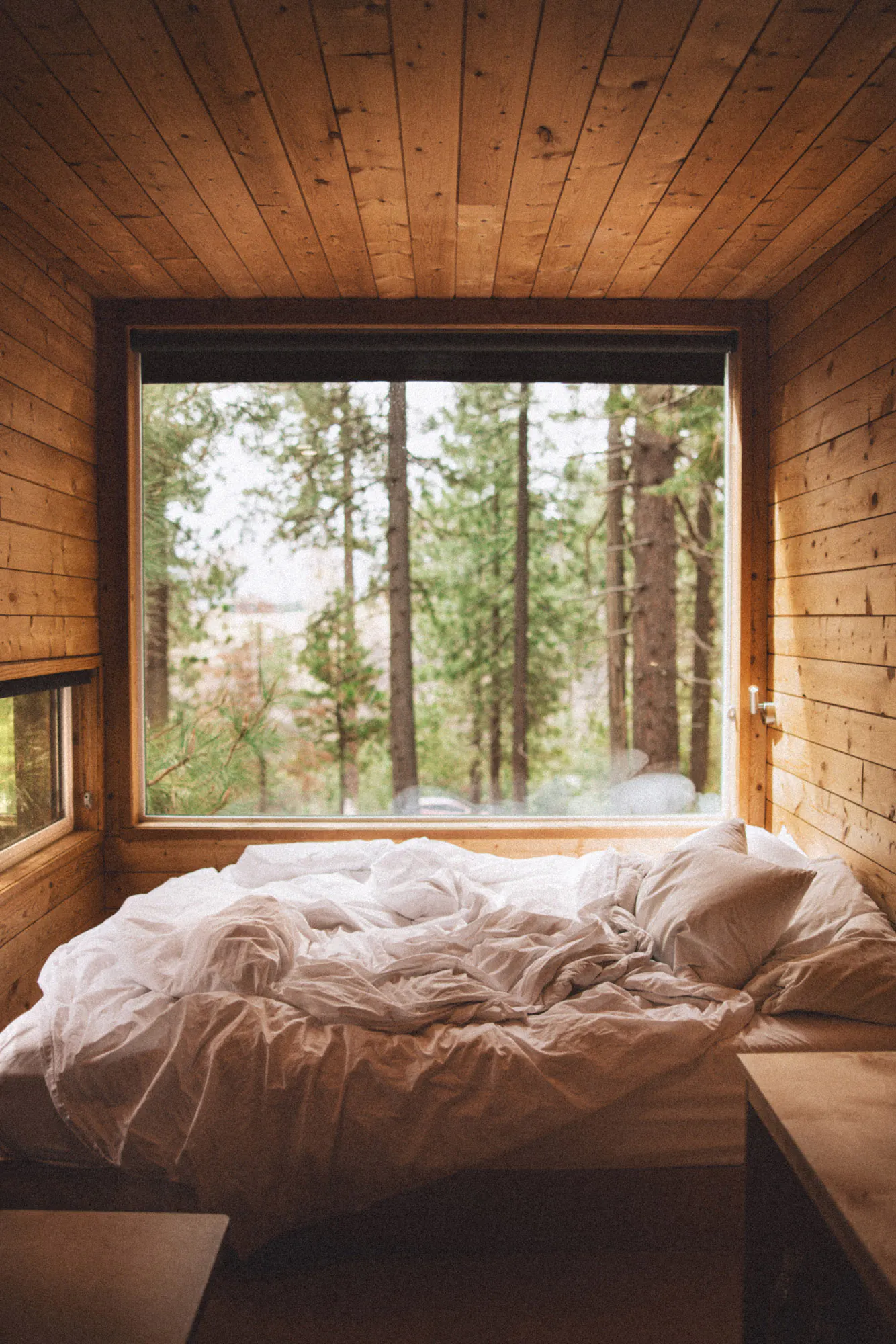
Hotel rooms, regardless of how comfortable they are, disrupt the sensory cues that tell your body it's time to sleep. A simple kit handles most of that: earplugs or noise-canceling headphones for thin walls, an eye mask for light that bleeds through curtains, and a travel pillow if you know hotel pillows don't work for you. None of it is glamorous, but packing it before you leave beats hunting for an eye mask in a hotel gift shop at midnight.
Use Light to Reset Your Body Clock
Light is one of the most reliable tools for adjusting a circadian rhythm. Get outside during morning hours at your destination -- daylight exposure helps shift your internal clock faster than almost anything else. In the evenings, avoid bright screens and artificial light close to bedtime to keep melatonin production on track.
Try Melatonin When Timing Is Off
Travel disrupts the body's natural melatonin production, and a supplement can help bridge the gap. Timing matters more than most people realize -- the right window differs depending on whether you're traveling east or west. Worth checking with your doctor before using it regularly, especially if you take other medications.
Consider THC Gummies for a Stubborn Night
Some nights resist the usual fixes -- the hotel is noisy, the time difference is too wide, or your brain just won't cooperate. Many travelers keep helpful sleep aids like indica gummies on hand for exactly those nights. They help with wind-down without the grogginess that most over-the-counter sleep medications leave the next morning.
Watch Caffeine and Alcohol
Caffeine lingers longer than most people account for. An afternoon cup taken to fight travel fatigue can easily push your sleep back by hours. Alcohol has the opposite problem -- it may bring on drowsiness quickly but disrupts sleep later in the night and tends to make jet lag worse. Cutting both off a few hours before bed gives you a meaningfully better chance at uninterrupted sleep.
Plan for Sleep Like You Plan for Everything Else
Sleep doesn't sort itself out on the road without some intention behind it. Managing light exposure, watching what you consume in the hours before bed, and keeping a few practical tools in your bag - a sleep kit, gummies for rough nights - make a real difference across a trip. Treat it as part of the itinerary rather than something to hope for.