The seat belt sign clicks off. The engines settle into that low, steady hum. You have fourteen hours ahead of you — maybe more. For most passengers, this is where anxiety creeps in. For seasoned frequent flyers, it's something else entirely: an opportunity.

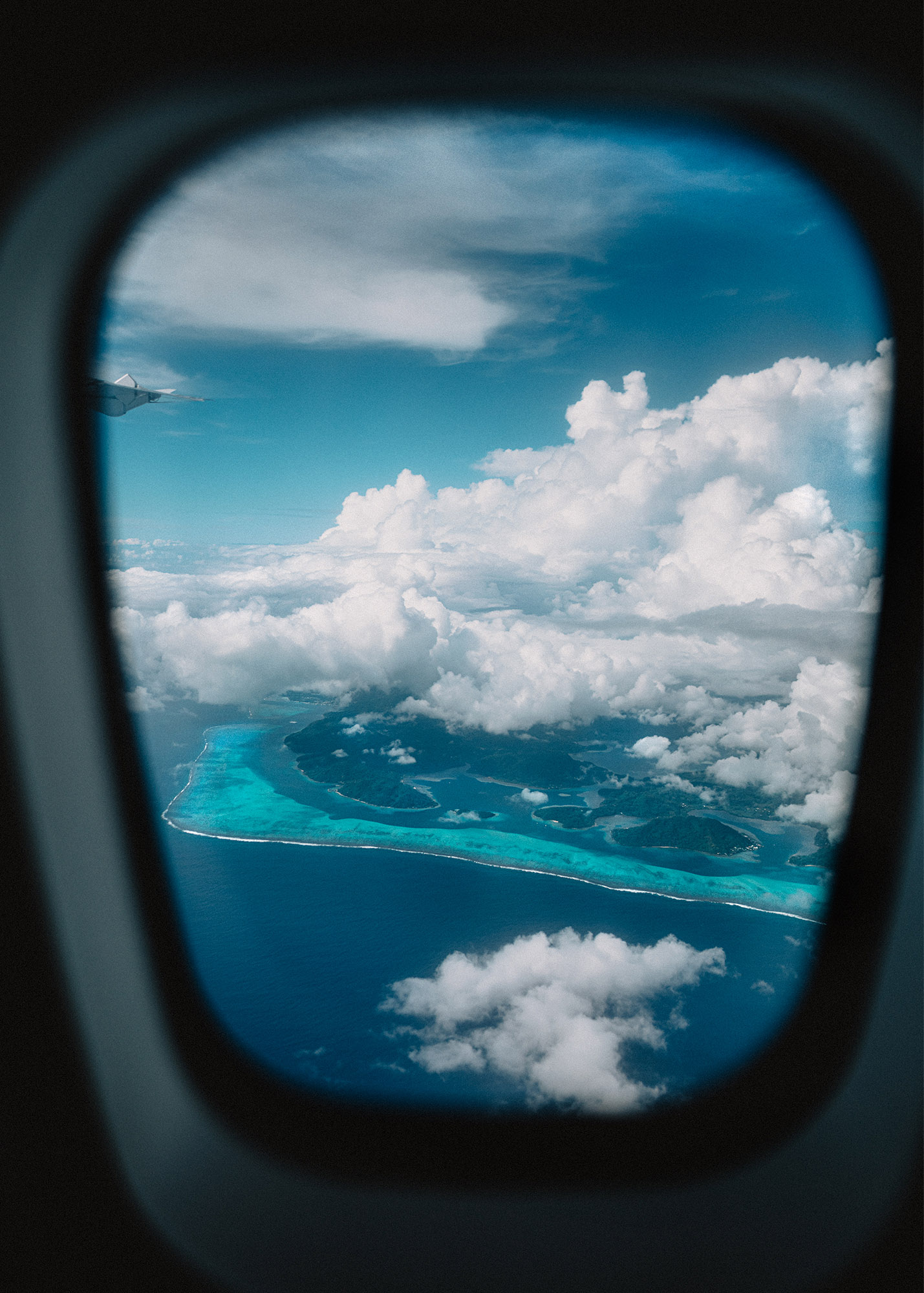
They Treat the Cabin Like an Office (But Smarter)
Long-haul regulars know the first hour is golden. Your mind is still sharp, the cabin is quiet, and the Wi-Fi hasn't been hammered yet. That's the window to entertain yourself on the long flight with productive work — drafting reports, responding to emails, or reading documents you've been postponing for weeks.
The trick is preparation. They download everything before boarding. Offline playlists, saved articles, synced cloud files — nothing is left to chance at 35,000 feet.
The Sleep Strategy Is Deliberate
Here's something most casual flyers miss: timing your sleep isn't about being tired. It's about landing functionality. Experienced travelers shift their sleep window to match the destination's night cycle, often before they even board.
Studies from the Sleep Foundation suggest that even a 90-minute sleep cycle can dramatically reduce jet lag symptoms. Frequent flyers know this. They bring eye masks, neck pillows that actually work, and sometimes melatonin — calibrated to the destination time zone, not their origin.
The Gear Makes a Real Difference
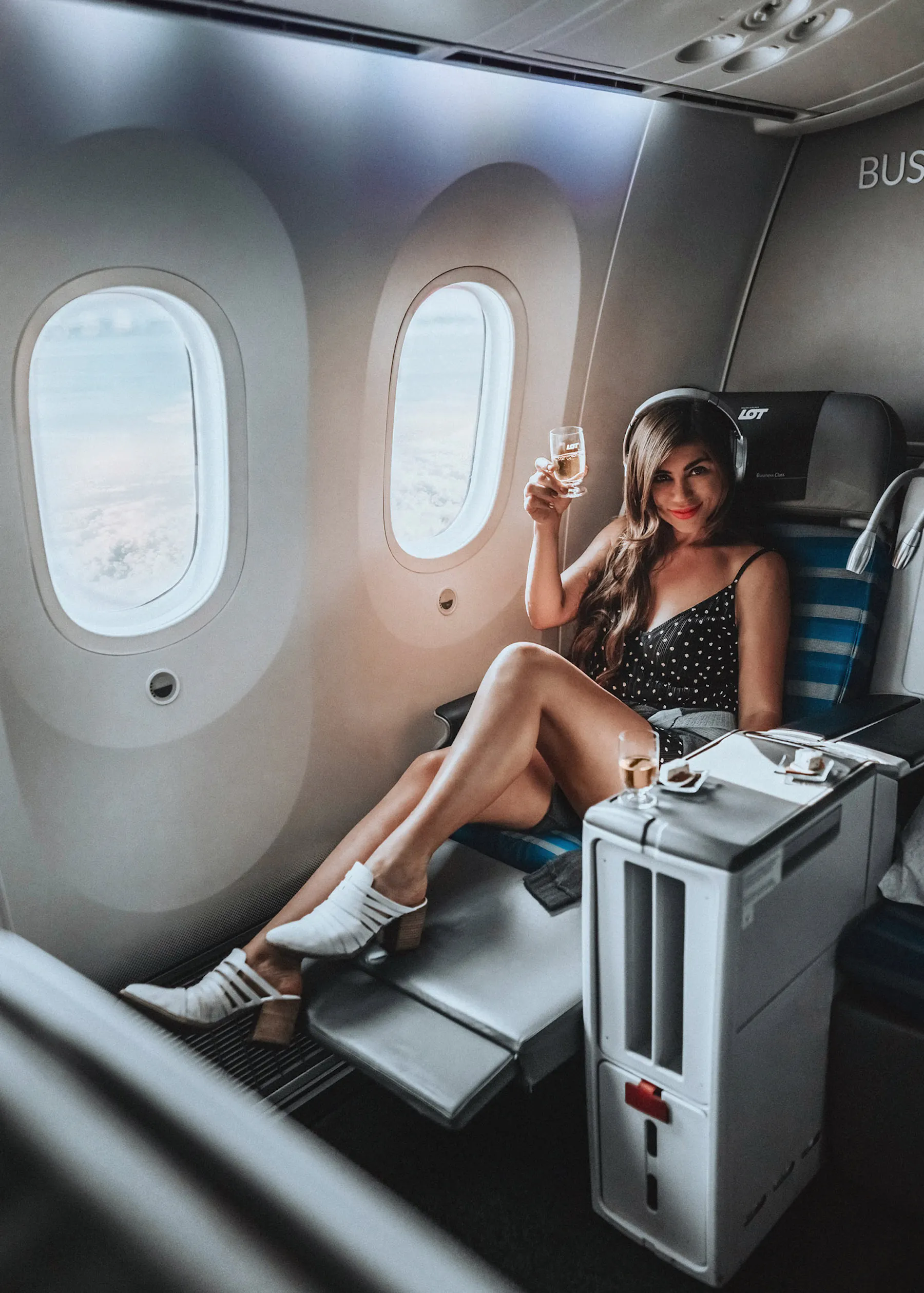
Noise-canceling headphones are non-negotiable. A good pair reduces ambient cabin noise by up to 30 decibels. That alone transforms a chaotic flight into something manageable — a kind of mobile sanctuary.
If you're looking to keep yourself occupied, an e-reader or reading app on your smartphone will be your ideal companion. Since your smartphone is always with you, an app like FictionMe is easier. With FictionMe, you can download books in advance to immerse yourself in reading while in flight.
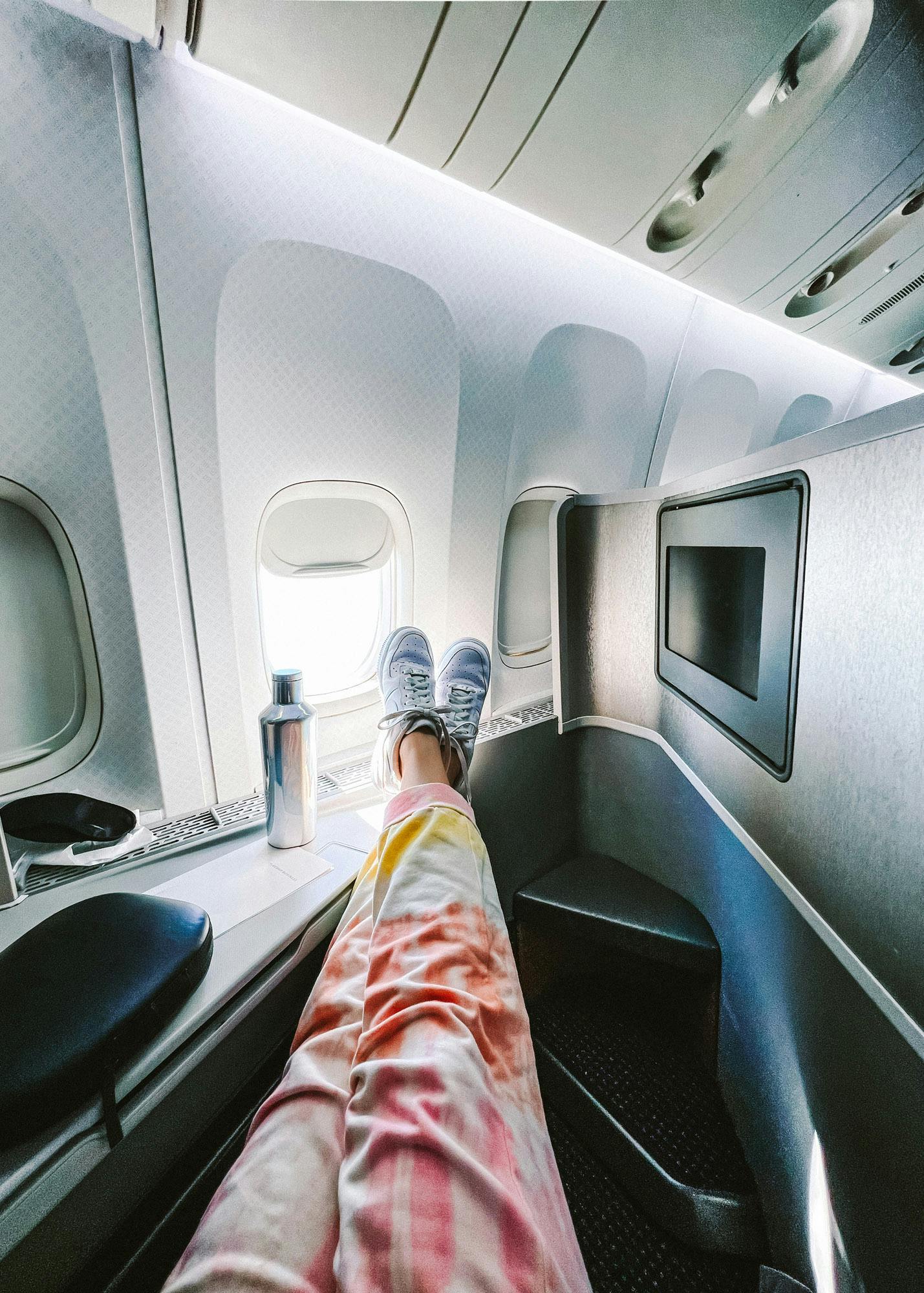
Compression socks, a reusable water bottle, and a small travel pharmacy round out the kit. These aren't luxuries. After long enough flights, they become standard issue.
Maximizing Benefits as a Frequent Flyer
Elite status changes the math entirely. Lounge access before departure means a proper meal, a shower, and sometimes a nap — before the flight even starts. To maximize benefits as a frequent flyer, the cabin experience is just one part of the equation.
Upgrade strategies matter too. Experienced travelers watch for last-minute business class openings, use miles at the right moment, and know which routes offer better seat configurations. According to a 2023 survey by The Points Guy, 61% of frequent flyers said upgrading on ultra-long hauls — even once — meaningfully changed how they approached future flights.
Entertainment, But With Purpose
The in-flight entertainment catalog is deep, but frequent flyers rarely scroll aimlessly. They go in with a list. That foreign film they keep skipping. The documentary series that needs a dedicated four hours. A comedy rewatch for when energy dips around hour ten.
Some use the time differently. Podcasts on topics they'd never research at home — history, science, unsolved cases. Language-learning apps make surprising progress at altitude. A couple of Duolingo sessions per flight and suddenly a trip to Japan feels less intimidating.
The Social Dimension Nobody Talks About
Flight attendants remember regulars. That's not a small thing. Polite, consistent behavior — greeting crew by name, following instructions without friction — builds genuine goodwill. The result? Better service, occasional upgrades on full flights, and sometimes the best information on the plane.
Frequent flyers also talk to each other. Not always, but selectively. The person in 4A has probably done this route thirty times. They know which airport is a nightmare for connections, which lounge is overrated, and where to eat in the terminal at midnight.
Books Still Win Long Flights
E-readers have changed long-haul flying. No weight, no bulk, hundreds of books—and a battery that lasts weeks. Or you can always use Google Play Link and install the app on your smartphone, but it's worth monitoring your device's battery level. A small power bank would be very useful.
A 2022 survey by Statista found that 44% of frequent business travelers ranked reading as their primary in-flight activity on flights over 10 hours. Physical books still have advocates. No screen glare. No battery anxiety. There's something about a novel that fits perfectly in a seat pocket.
Moving Around Isn't Optional
Sitting for twelve hours straight does real damage. Deep vein thrombosis is a genuine risk — the WHO estimates long-haul passengers face a two-to-four times higher chance of developing blood clots. Frequent flyers know this, so they move. Aisle walks every two hours, calf raises at the seat, shoulder rolls between episodes. Small movements, consistent rhythm.
The galley area becomes a quiet gym. Nobody minds a passenger stretching near the rear doors. Flight crew often do the same thing.
Eating Light Is a Conscious Choice
Veteran travelers approach in-flight meals with suspicion — not rudeness. Heavy food at altitude slows digestion and worsens fatigue. Many order the lighter meal option or skip the second service entirely, relying instead on snacks they packed themselves.
Hydration fills the gap. Cabin humidity hovers around 10–20%, far drier than most offices. A bottle of water per two hours is a reasonable baseline.
Landing Ready, Not Wrecked
The final hour matters more than most people realize. Frequent flyers use it deliberately — freshening up, reviewing plans for arrival, adjusting their mindset. They're not just passengers waiting to deplane. They're already transitioning, mentally, into wherever they're headed next. That shift makes a measurable difference.
The Mental Game
Here's the honest truth: ultra-long flights are still long. Even the best-prepared traveler hits a wall somewhere around hour nine. Frequent flyers don't pretend otherwise — they plan for it.
That means building in do-nothing time. Staring out the window. Letting the mind drift. Some call it meditation; most just call it rest. The goal isn't to maximize productivity every moment. It's to arrive in decent shape, mentally and physically, ready to be somewhere new. That's the whole point.