The Maldives has earned a reputation as one of the world's most iconic diving destinations, but the way visitors experience its underwater landscapes is changing. While luxury island resorts remain popular, Maldives liveaboard tourism has seen remarkable growth as divers increasingly choose multi-day voyages that provide access to remote reefs, deeper channels, and marine life that day trips often cannot reach.
This shift reflects broader travel preferences, with adventure seekers looking for immersive experiences that maximize time in the water. From seasonal wildlife migrations to expanding itineraries across lesser-visited atolls, liveaboards are becoming a defining feature of Maldives diving tourism.
Adventure Travelers Are Choosing Longer Ocean Expeditions
Modern dive travelers are placing greater value on experiences than fixed-location vacations. Rather than spending several days diving the same nearby reefs, many now prefer itineraries that explore multiple regions during a single trip.
The appeal of liveaboards includes:
- Access to diverse dive sites
- Multiple dives scheduled each day
- Overnight travel between destinations
- Remote locations beyond resort reach
- Opportunities to encounter larger marine species
- A community atmosphere among divers
This format allows guests to spend more time exploring underwater environments instead of commuting to dive sites from shore-based accommodations.
Expanding Beyond the Central Atolls
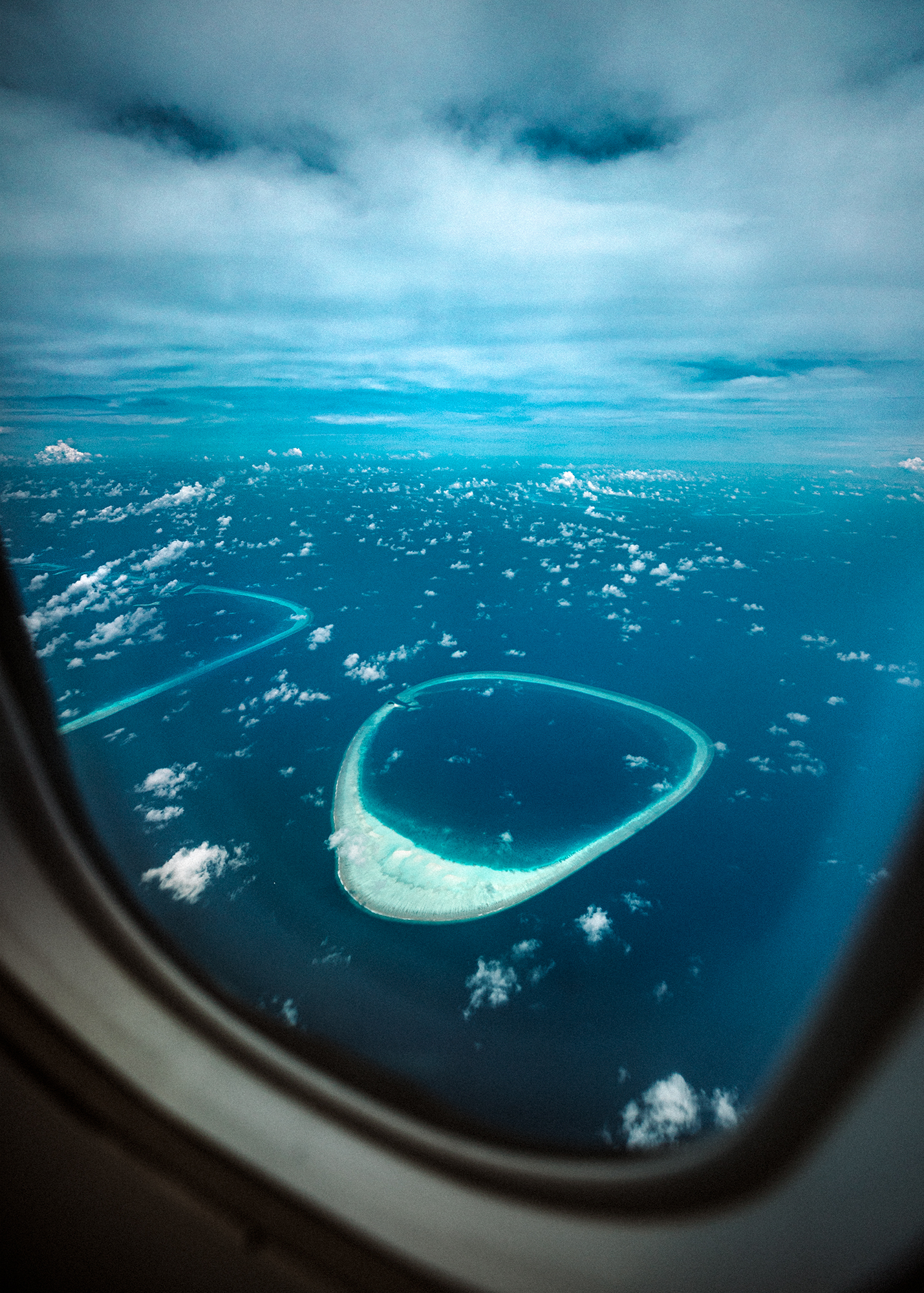
One reason behind the continued growth of liveaboard travel is the ability to visit areas that receive fewer visitors than the country's busiest diving regions.
Depending on the itinerary, divers may explore:
- North Male Atoll
- South Male Atoll
- Ari Atoll
- Vaavu Atoll
- Meemu Atoll
- Laamu Atoll
- Huvadhoo Atoll
- Addu Atoll
These routes showcase a wide variety of underwater environments, from coral gardens and pinnacles to current-swept channels that attract pelagic marine life.
Seasonal Diving Shapes Travel Demand
The Maldives diving season plays an important role in itinerary planning, with ocean conditions changing throughout the year.
During different seasons, divers may experience:
- Variations in visibility
- Changing ocean currents
- Plankton blooms
- Different wildlife activity
- Regional weather patterns
Rather than limiting diving opportunities, these seasonal changes create distinct experiences across various atolls, encouraging repeat visits from returning travelers interested in exploring different parts of the archipelago.
Whale Sharks Continue to Attract Global Interest
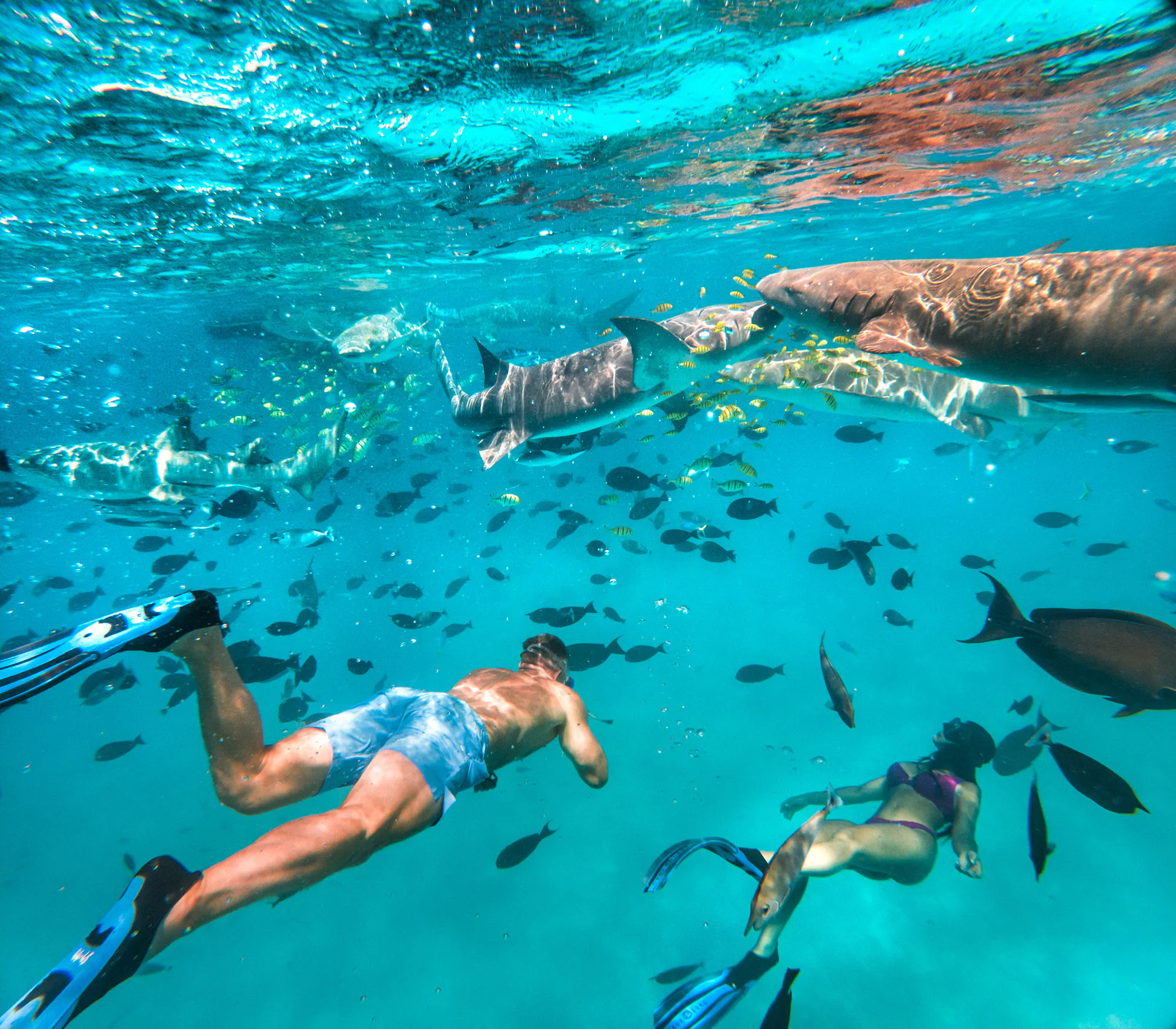
Among the Maldives' biggest marine attractions are whale sharks, the world's largest fish.
Interest in whale shark tourism Maldives continues to grow as divers and snorkelers travel specifically for the opportunity to observe these gentle giants in their natural habitat.
Successful encounters depend on factors such as:
- Seasonal conditions
- Water temperature
- Plankton availability
- Local marine ecosystems
- Responsible wildlife practices
Although sightings can never be guaranteed, the Maldives remains one of the most recognized destinations for experiencing whale sharks throughout the year.
Manta Rays Remain a Signature Experience
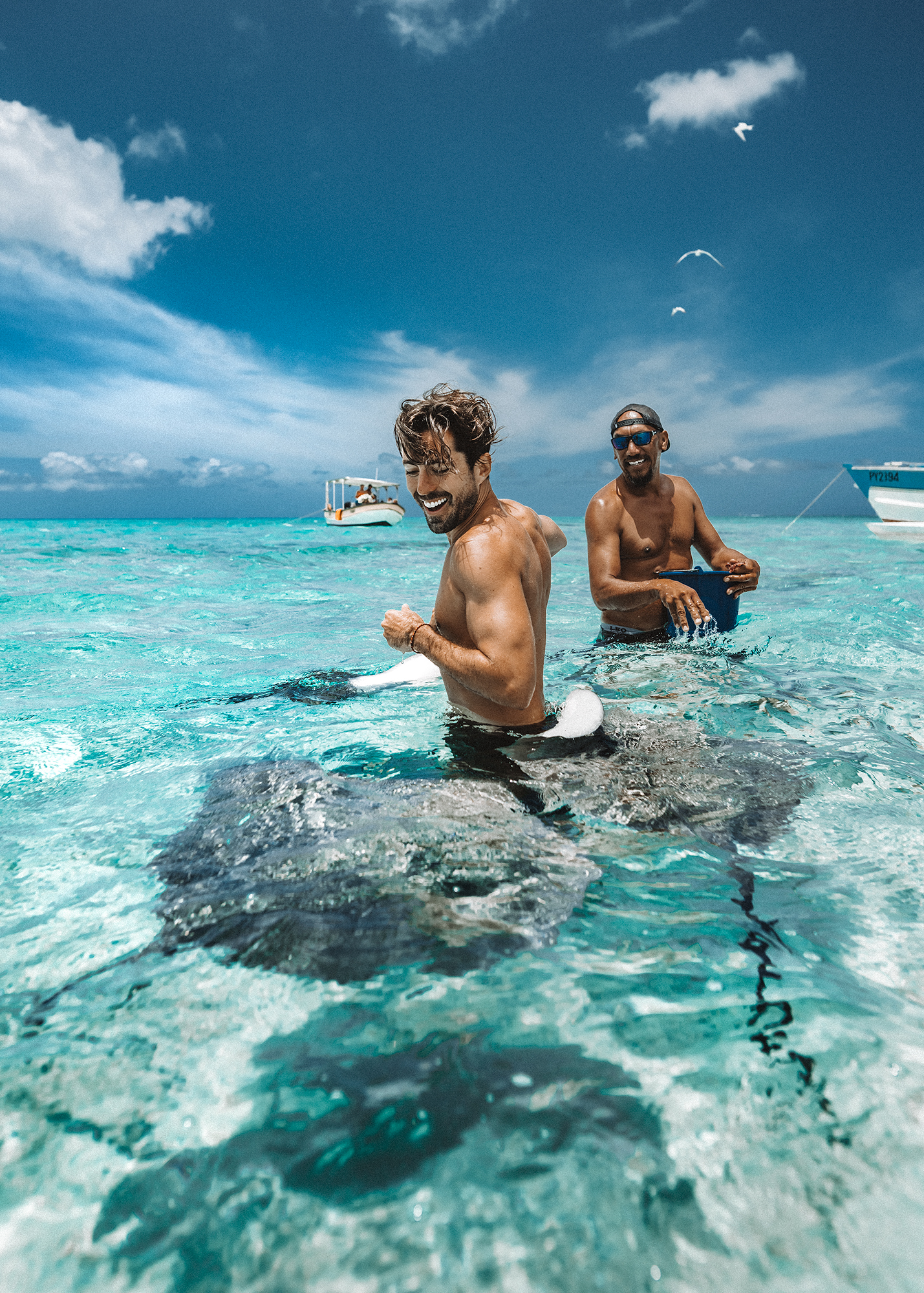
Another major attraction drawing divers to the Maldives is the chance to observe graceful manta rays as they glide through cleaning stations and feeding areas.
Many travelers build entire dive itineraries around these remarkable animals, particularly during seasons when plankton concentrations attract larger numbers of mantas.
Visitors interested in diving with manta rays often choose longer expeditions that increase the likelihood of encountering these majestic creatures across multiple atolls rather than relying on a single dive location.
Liveaboards Unlock Remote Marine Ecosystems
The Maldives stretches across hundreds of kilometers of the Indian Ocean, making many exceptional dive sites impractical for day boats.
Liveaboard itineraries provide access to locations known for:
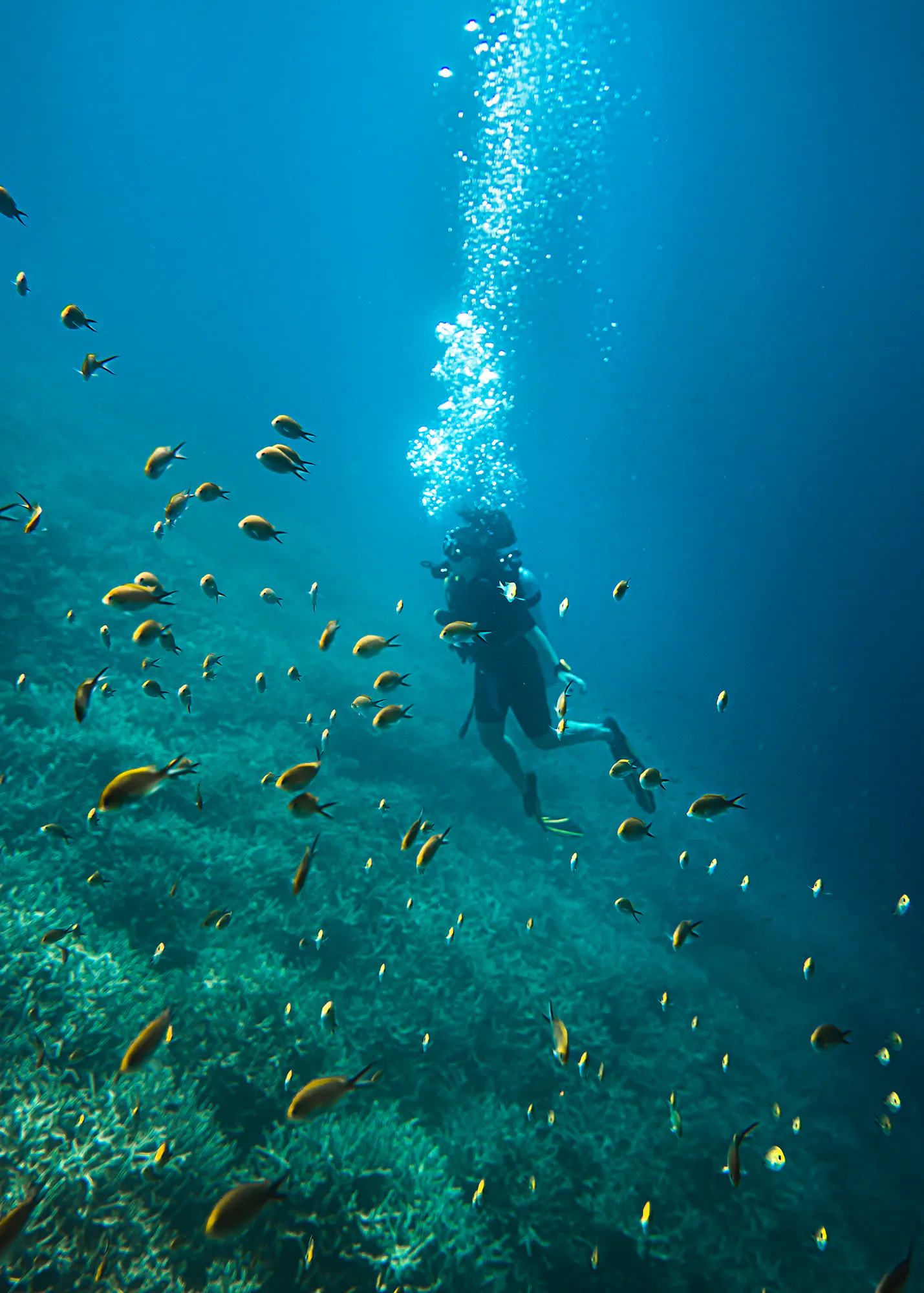
- Oceanic reef systems
- Drift dives
- Coral walls
- Deep channels
- Cleaning stations
- Underwater caves
- Healthy hard coral formations
These environments often experience less diving pressure than reefs located near major resort islands.
Southern Atolls Are Gaining Recognition
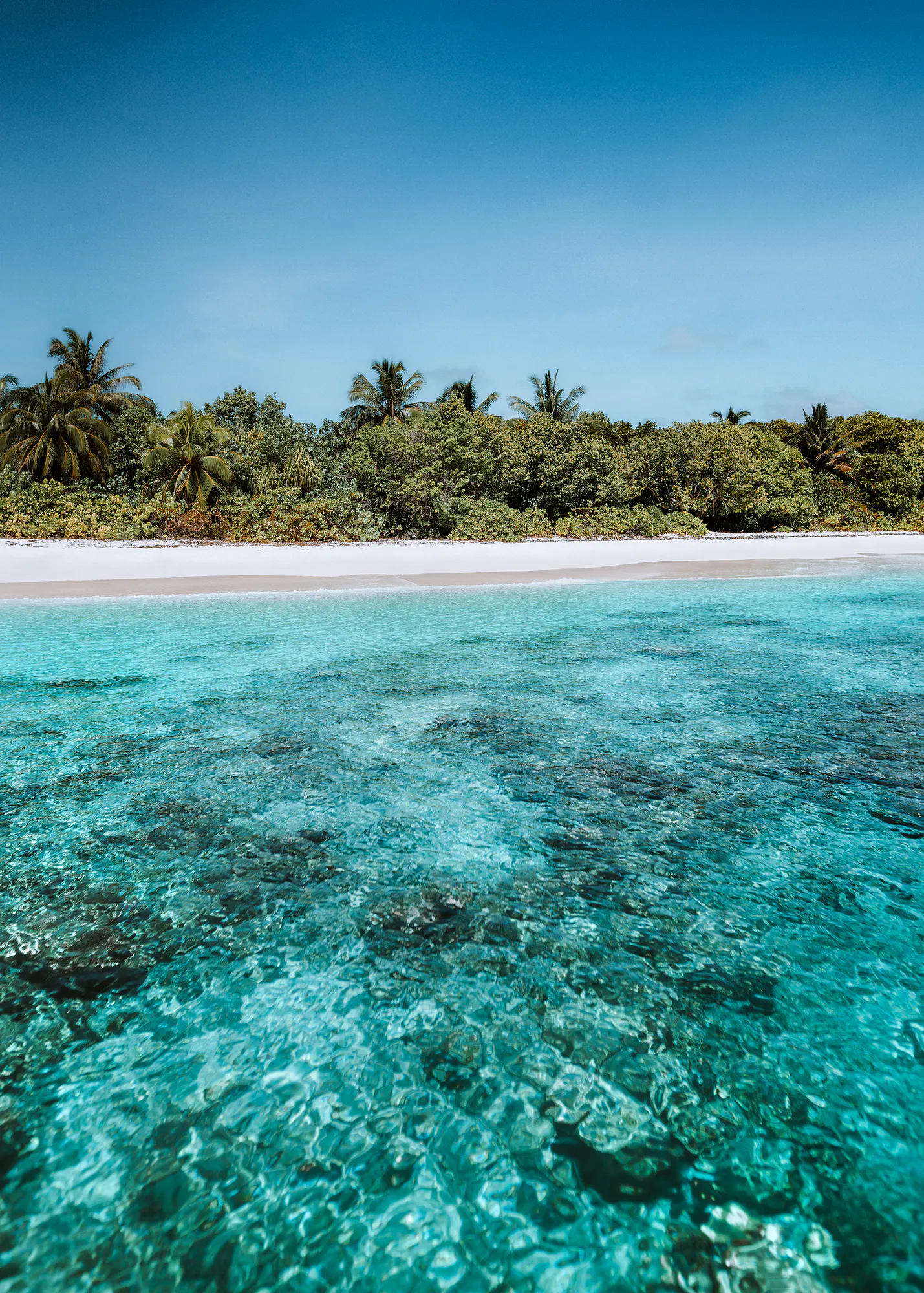
Although northern and central regions remain popular, the southern Maldives has attracted increasing attention from experienced divers seeking quieter waters and different marine encounters.
The southern atolls are appreciated for:
- Strong currents that attract pelagic species
- Fewer visiting dive boats
- Large schools of fish
- Shark-rich channels
- Diverse reef structures
Operators such as Spirit Liveaboards include these remote regions within selected itineraries, giving travelers opportunities to explore parts of the Maldives that are difficult to reach through conventional resort-based diving.
Divers planning liveaboard diving in the Maldives often consider southern atoll routes for their combination of adventure, biodiversity, and reduced crowd levels.
Technology Is Making Liveaboards More Accessible
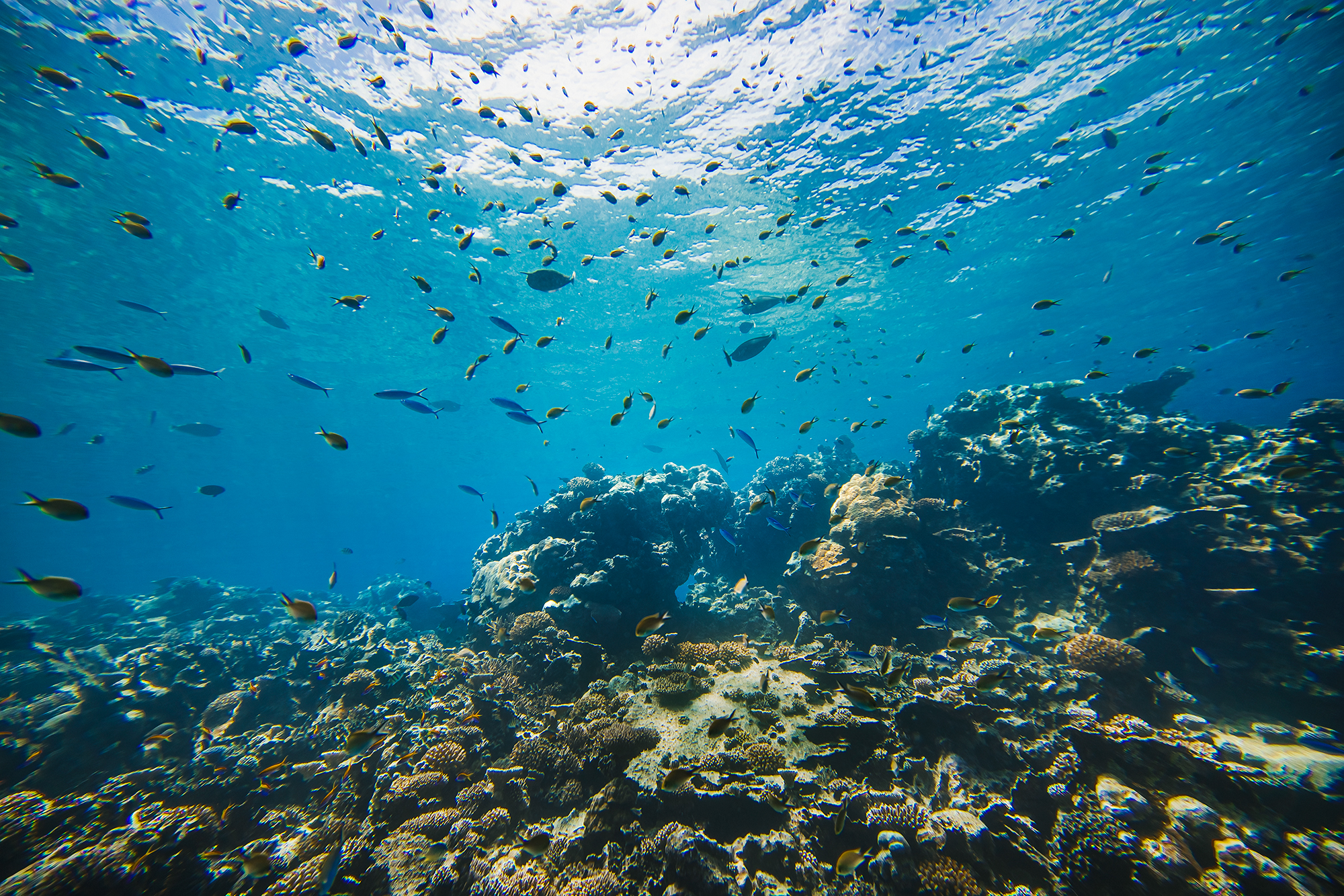
Improved booking systems and digital trip planning have contributed to the popularity of liveaboard travel.
Today's travelers can:
- Compare itineraries online
- Review seasonal wildlife calendars
- Access detailed dive site information
- Read verified traveler reviews
- Plan equipment requirements in advance
This transparency helps divers select voyages that match their interests, experience levels, and preferred marine encounters.
Sustainable Practices Are Becoming a Priority
As visitor numbers increase, many operators are placing greater emphasis on environmentally responsible diving.
Common initiatives include:
- Reef-safe diving guidelines
- Waste reduction onboard
- Responsible wildlife interaction policies
- Support for marine conservation programs
- Educational briefings before dives
These measures help preserve fragile reef ecosystems while maintaining high-quality experiences for future visitors.
Benefits Beyond the Diving Experience
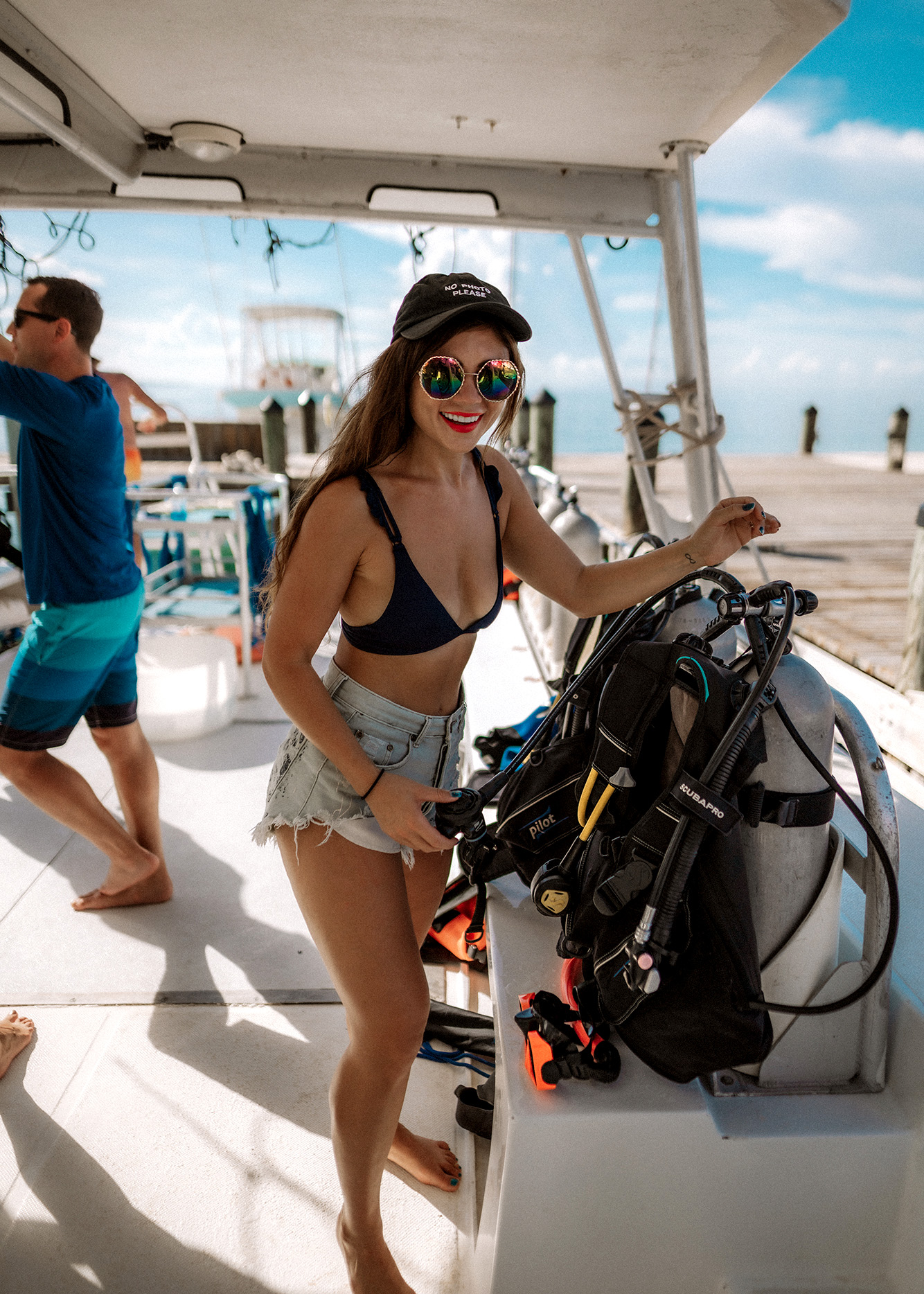
The liveaboard format offers advantages that extend beyond underwater exploration.
Guests often appreciate:
- Watching sunrises and sunsets at sea
- Visiting multiple regions in one vacation
- Reduced daily travel logistics
- Social evenings with fellow divers
- Continuous access to experienced dive professionals
This combination of convenience and adventure has helped distinguish liveaboards from traditional resort-based dive holidays.
Looking Ahead for Maldives Dive Tourism
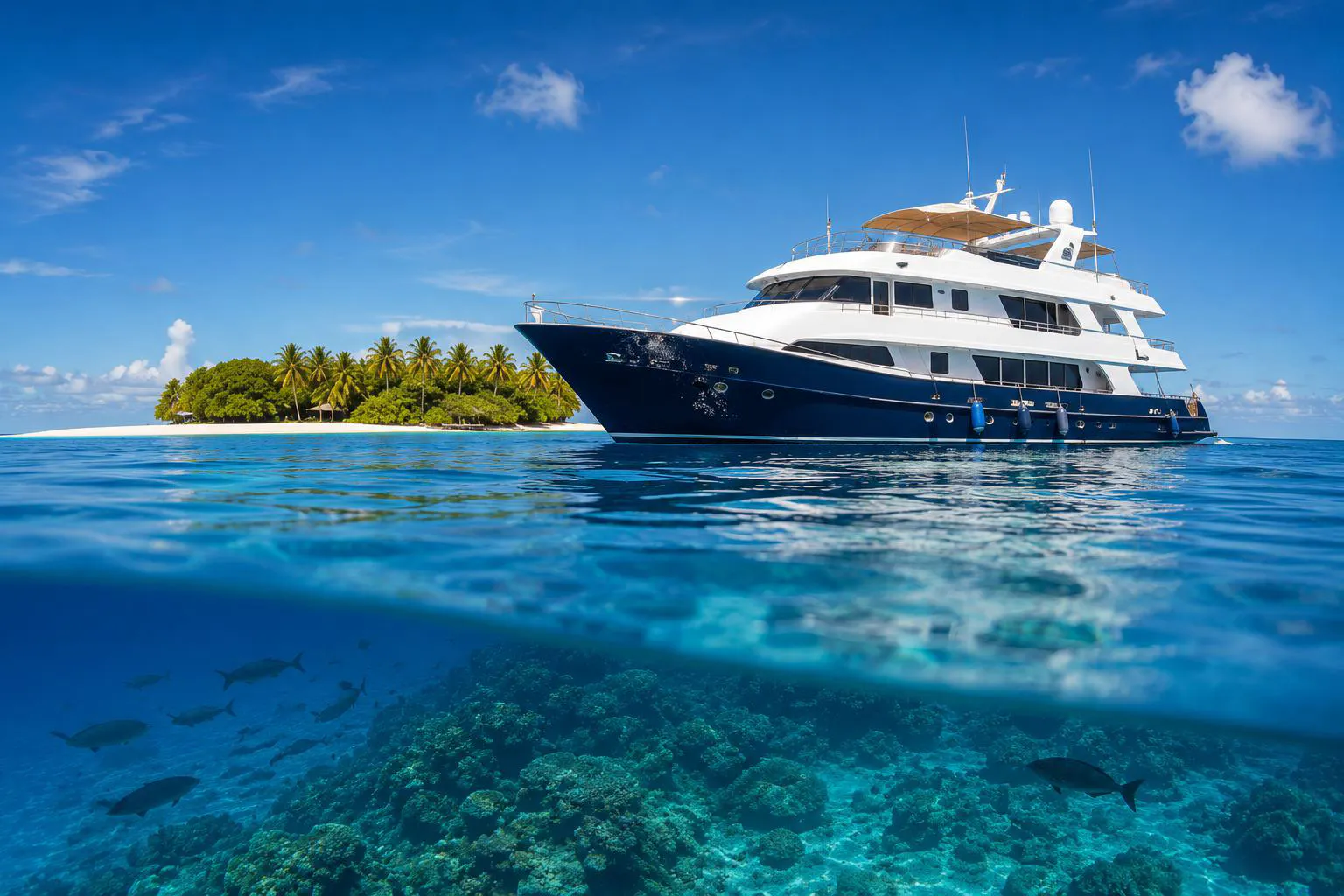
Industry observers expect demand for specialized marine experiences to continue growing over the coming years.
Several factors support this outlook:
- Rising interest in nature-focused travel
- Improved international flight connections
- Growing awareness of marine conservation
- Increased demand for multi-destination itineraries
- Continued investment in professional dive operations
As travelers seek more meaningful and immersive adventures, liveaboards are likely to remain a central part of the Maldives' tourism landscape.
The continued expansion of Maldives liveaboard tourism reflects changing traveler expectations and the unique geography of the island nation. By allowing divers to reach remote atolls, follow seasonal marine migrations, and experience a wider variety of underwater environments, liveaboards have become an increasingly popular way to explore the Maldives.
From encounters with whale sharks and manta rays to expeditions through the southern atolls, Maldives diving tourism continues to evolve alongside global adventure travel trends. Operators offering longer, carefully planned itineraries demonstrate how liveaboard travel can combine exploration, comfort, and responsible marine tourism while showcasing some of the Indian Ocean's most extraordinary dive destinations.
Frequently Asked Questions

1. What is a Maldives liveaboard?
A liveaboard is a dive boat where guests stay and travel between multiple dive sites.
2. When is the best diving season in the Maldives?
Diving is available year-round, with conditions varying by season and atoll.
3. Why choose a liveaboard over a resort?
Liveaboards reach remote dive sites and offer multiple dives each day.
4. Can I see whale sharks and manta rays in the Maldives?
Yes. The Maldives is one of the best places to encounter whale sharks and manta rays.
5. Are liveaboards suitable for beginner divers?
Many liveaboards welcome beginners, but some itineraries are designed for experienced divers due to stronger currents.