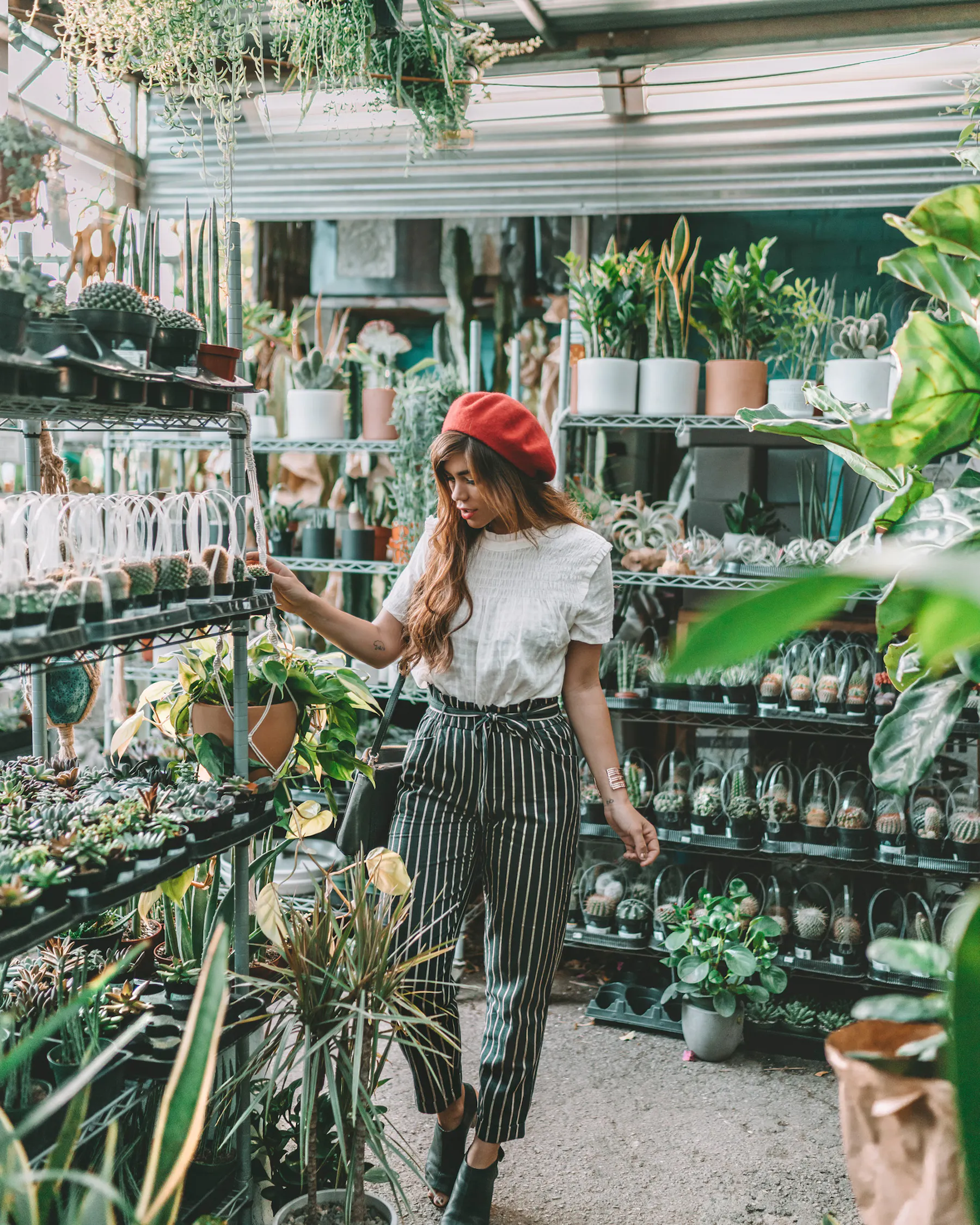
There is nothing quite like the satisfaction of walking into your indoor garden and seeing your plants vibrantly. However, that satisfaction can quickly turn to worry when you notice condensation forming on the leaves and walls.
High humidity is one of the most common and persistent challenges for indoor gardeners, and if left unchecked, it can lead to mold, mildew, pests, and a host of other problems that can devastate your hard work.
Managing humidity is entirely achievable with the right strategies. Here is a practical guide to 6 effective methods for lowering humidity in your indoor garden. Let’s dive in!
1. Invest in a Dehumidifier
The most effective way to lower humidity in an indoor grow space is to use a dehumidifier. Dehumidifiers actively remove moisture from the air, allowing you to maintain optimal growing conditions and reduce humidity fluctuations.
Refrigerant or compressor-based dehumidifiers are the most common type. They work by drawing warm, humid air over cold coils, causing the moisture to condense and collect in a reservoir. These units are highly effective in warm, humid conditions and are a popular choice for both small and large grow rooms.
For cooler environments, desiccant dehumidifiers may be a better choice. Instead of using cooling coils, they rely on moisture-absorbing materials to remove humidity from the air, making them effective even at lower temperatures.
Dehumidifiers come in various types and sizes to suit different grow spaces. When selecting one, consider the size of your grow space and the moisture load from your plants. In general, a compact grow tent dehumidifier is suitable for spaces up to 5×5 ft, while larger grow rooms may require higher-capacity or commercial-grade units.
2. Improve Ventilation
Stagnant air is one of the main contributors to high humidity in indoor gardens. Improving air exchange helps remove moisture buildup. For greenhouses, opening doors or windows can improve circulation, while enclosed grow rooms may require exhaust fans to remove humid air.
Furthermore, using oscillating fans in the growing space can promote airflow around the plants. Flowing air helps evaporate excess moisture from leaves' surfaces, thus reducing overall humidity and strengthening plant stems. Properly position the fans to ensure free airflow within the plant canopy.
3. Adjust Watering Practices
Overwatering is a common cause of high humidity in indoor gardens. When soil stays wet for too long, excess moisture evaporates into the air and creates a damp environment where mold and mildew can develop.
Instead of following a strict watering schedule, water plants based on their needs and the moisture level of the soil. Allowing the top inch or two of soil to dry between waterings helps prevent excess moisture buildup and supports healthy root growth
4. Remove Stagnant Water
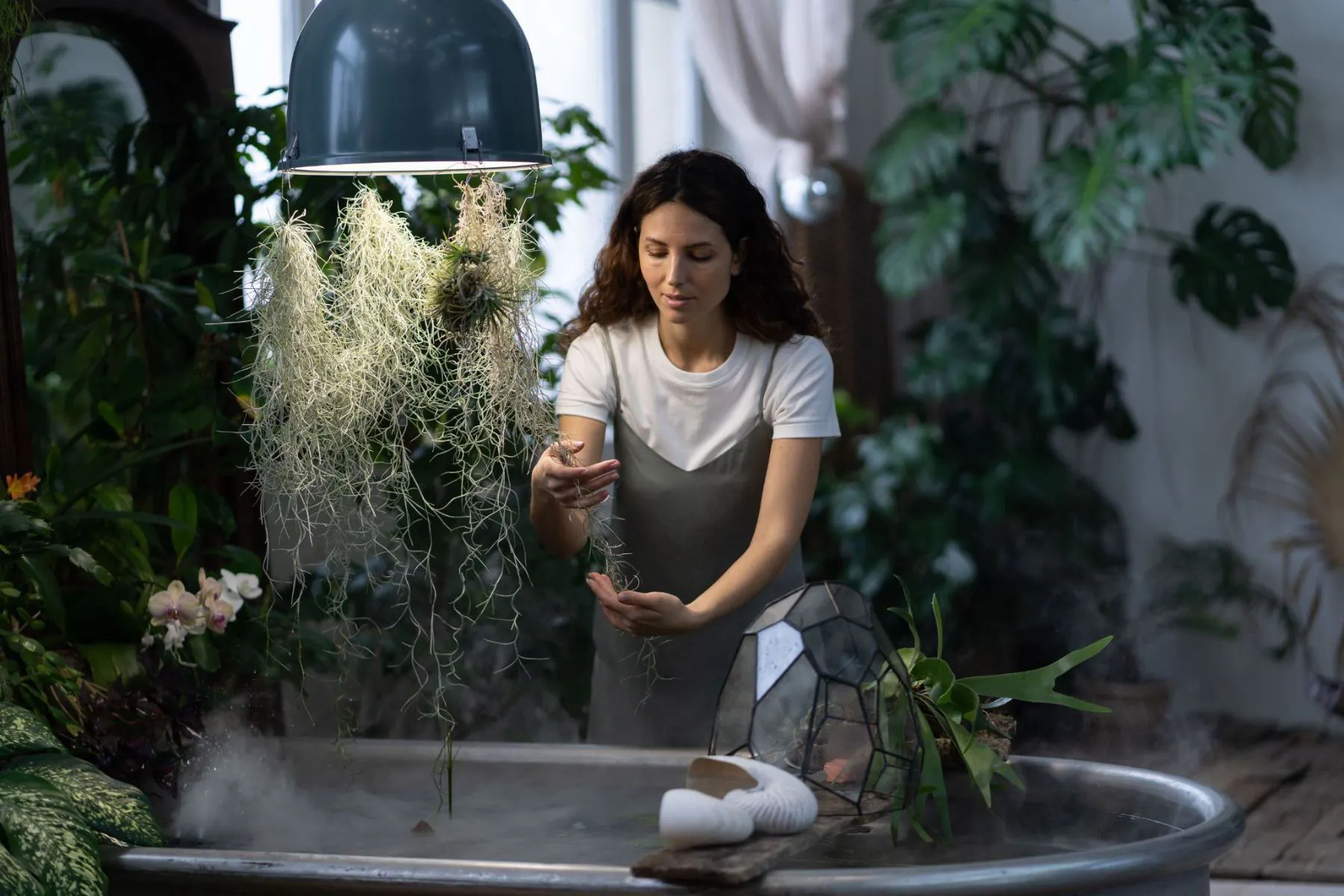
Standing water in your grow space can increase humidity as it slowly evaporates. Water left in drip trays, saucers, or other containers can also encourage the growth of bacteria, fungi, and mold.
Remove excess water promptly after watering and keep trays, containers, and surfaces dry. This simple habit helps reduce unnecessary moisture and keeps your growing area cleaner.
5. Reduce Plant Density
Plants release moisture into the air through transpiration. When too many plants are crowded together, the increased moisture output can raise humidity levels. Spacing plants properly allows air to move more freely around the canopy and reduces moisture buildup
6. Prune Your Plants
Dense foliage blocks airflow, creating humid areas where mold and mildew are more likely to develop. Trimming away large, old fan leaves reduces the surface area through which plants transpire, thereby lowering the amount of moisture they release into the air. Pruning also opens up the plant canopy, allowing light to penetrate deeper, further reducing the risk of mold and mildew.
Conclusion
Managing humidity in your indoor garden is a balancing act. By understanding the causes of high humidity and implementing effective methods, you can create a stable and thriving environment.
Whether you invest in a quality dehumidifier, improve your ventilation, or adjust your watering habits, each step you take brings you closer to a mold-free, flourishing indoor garden.