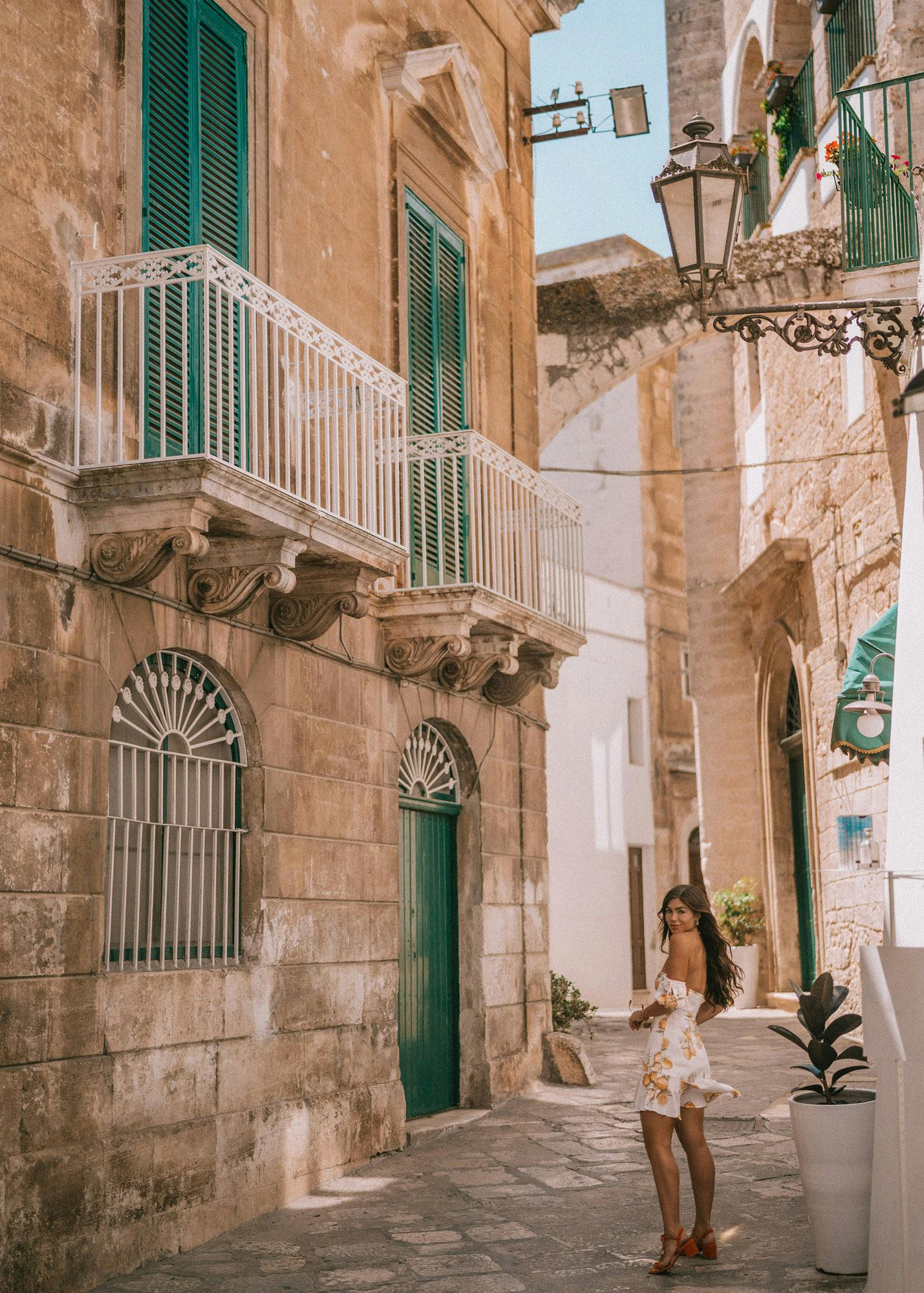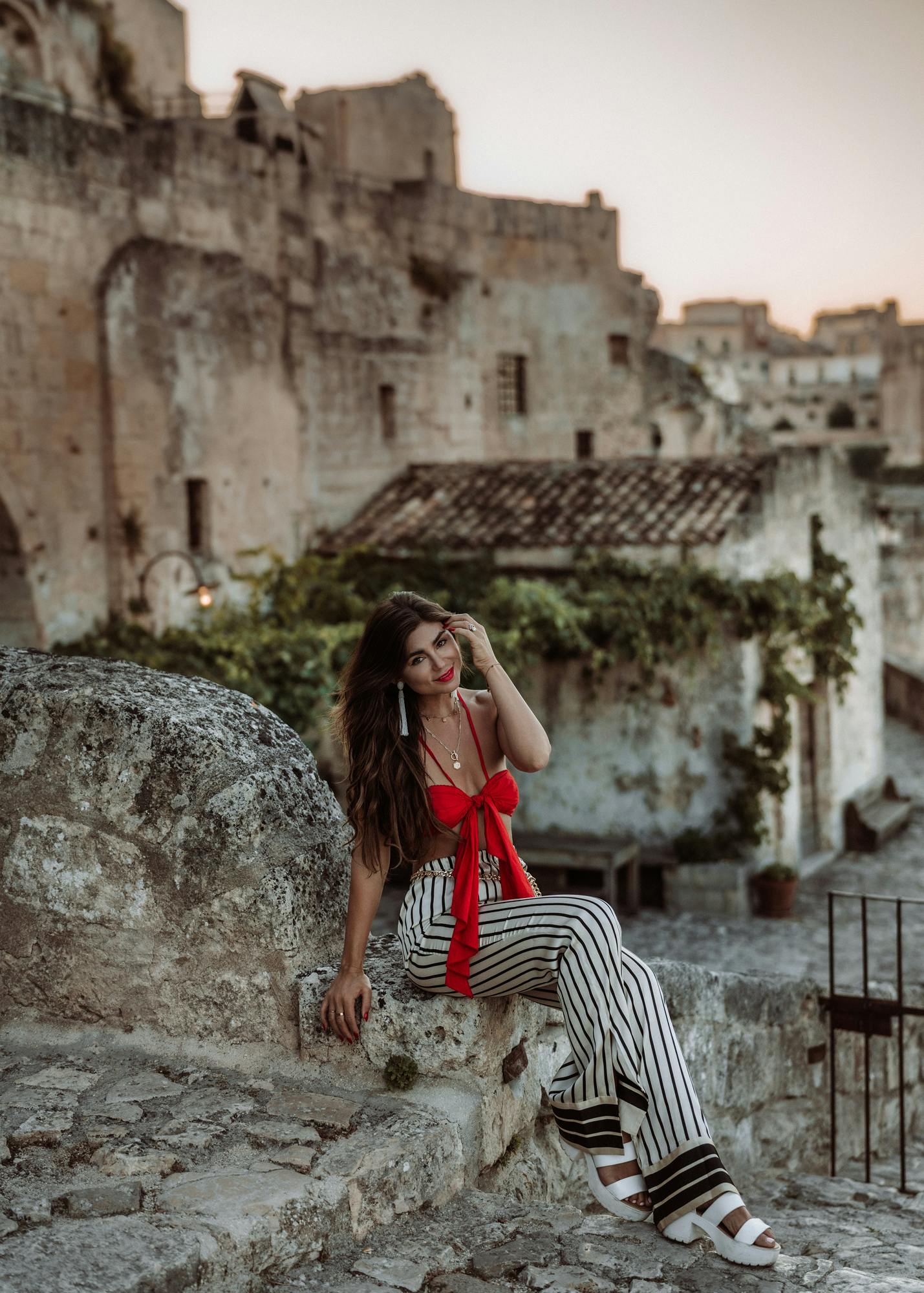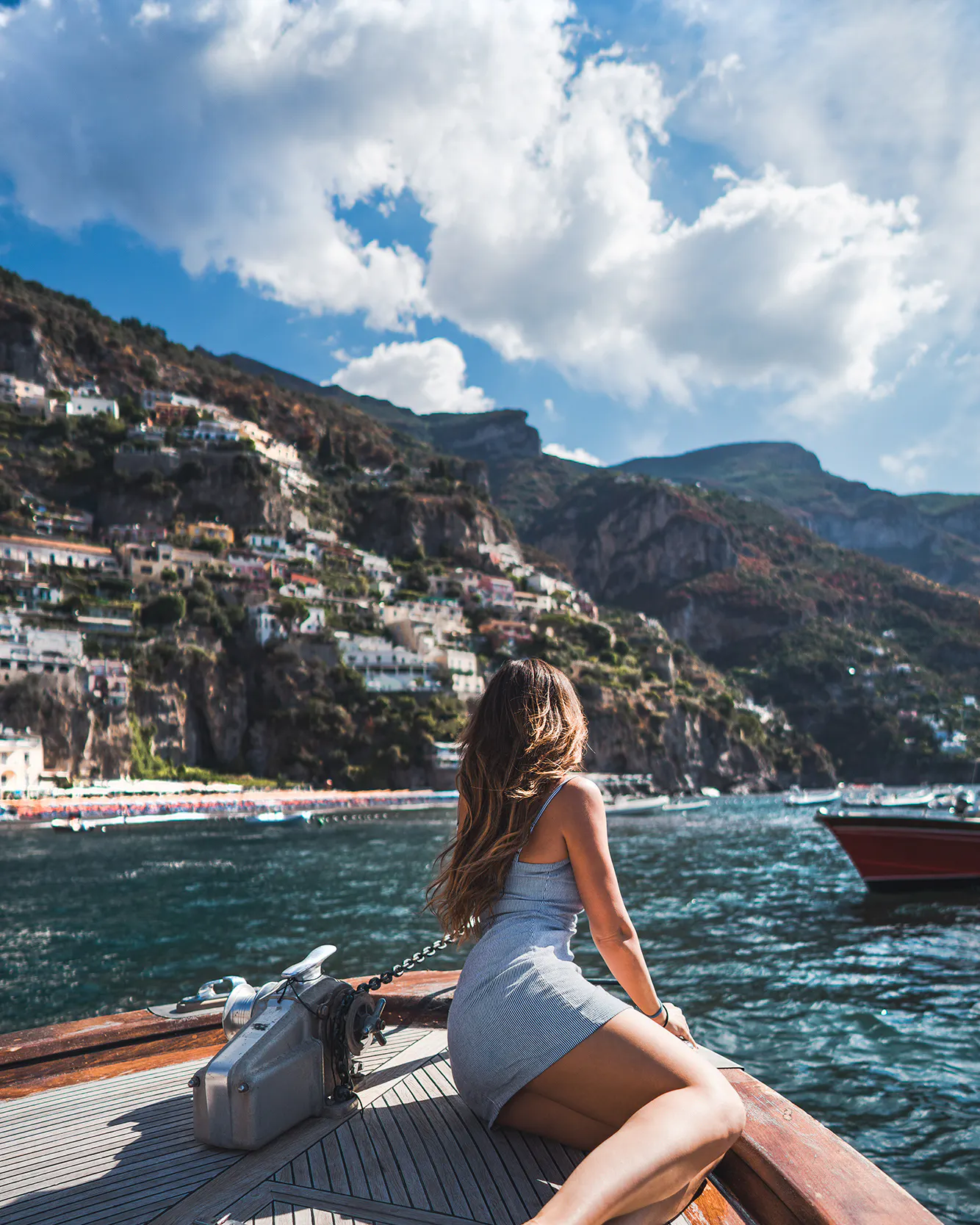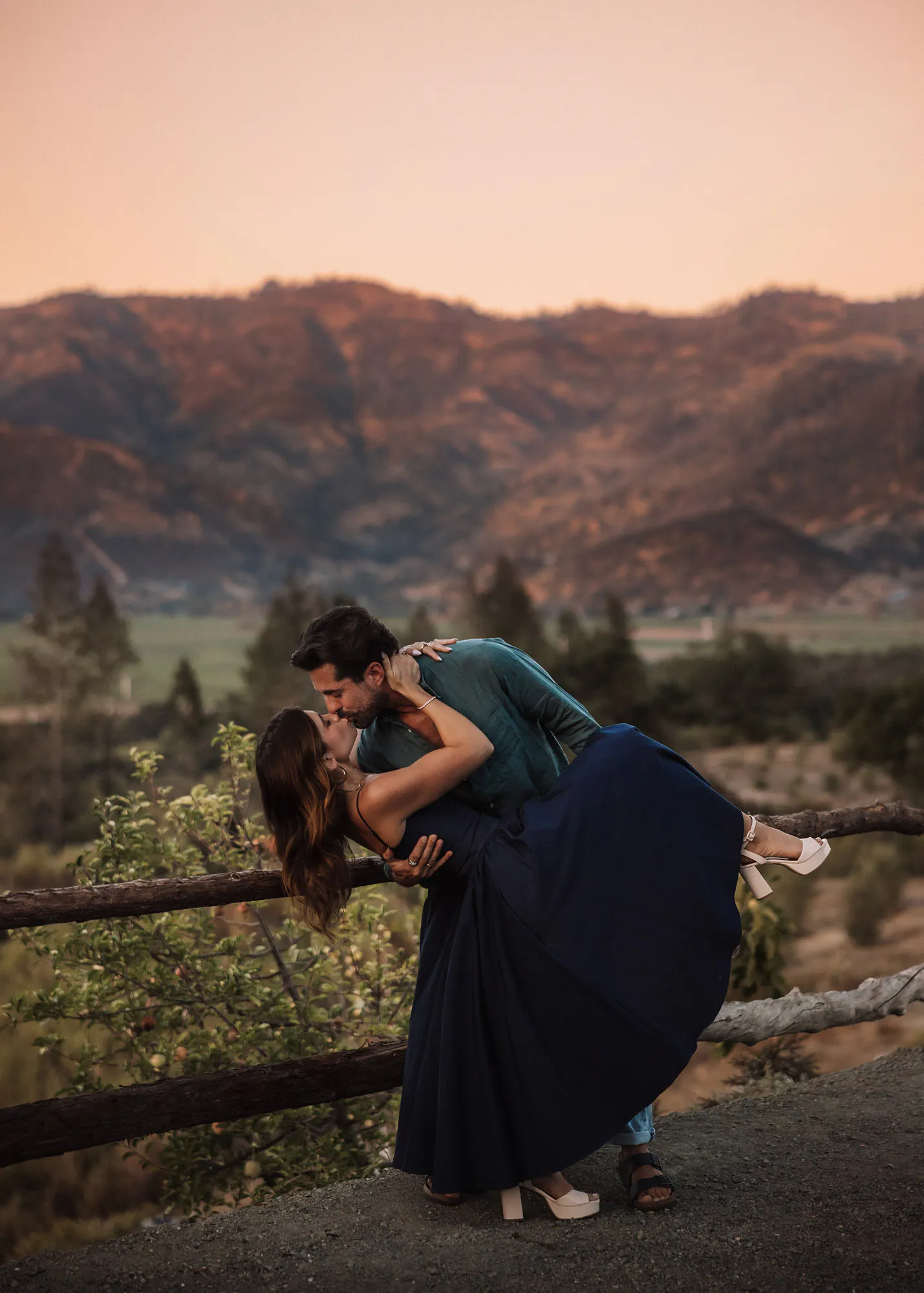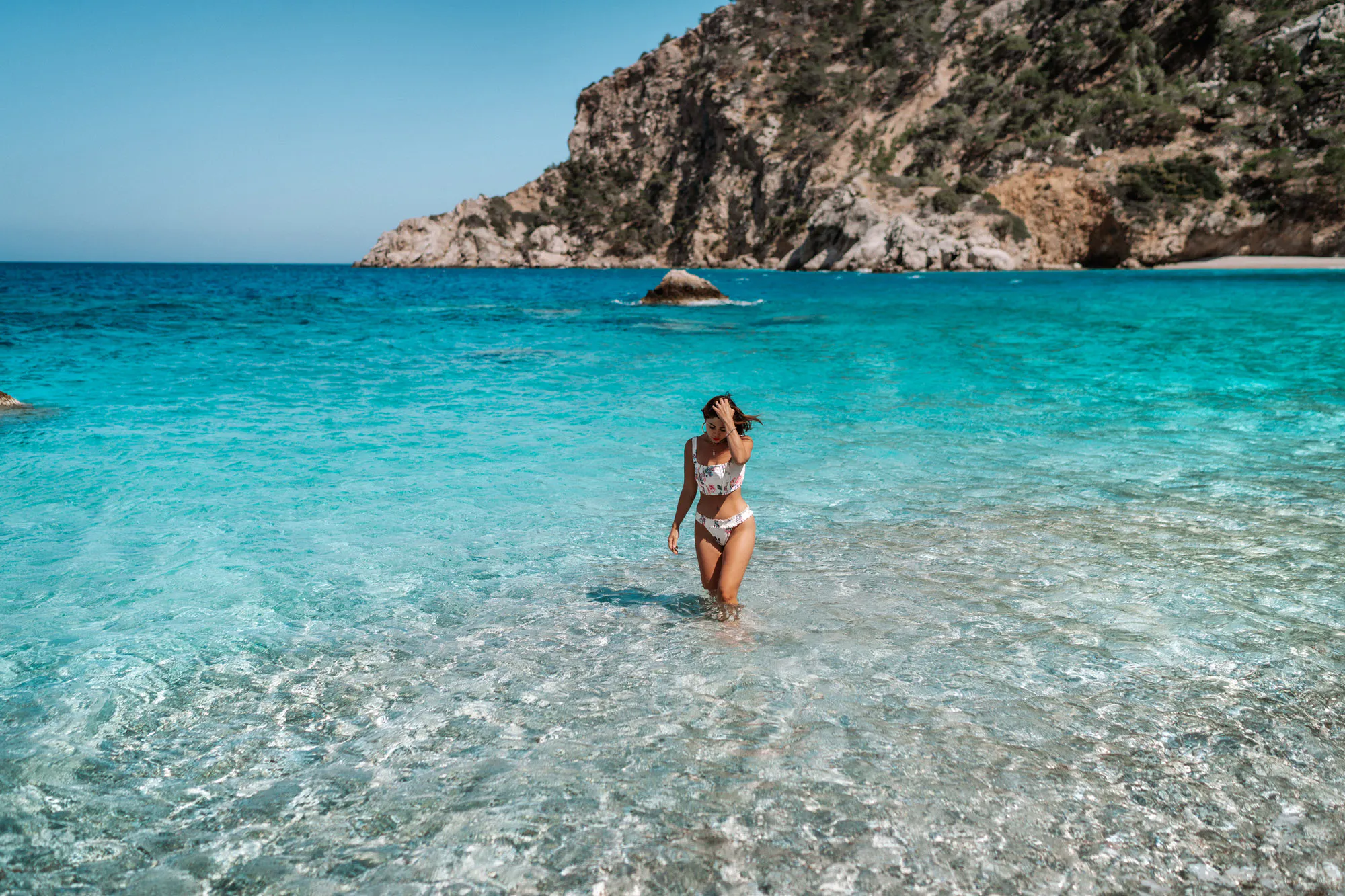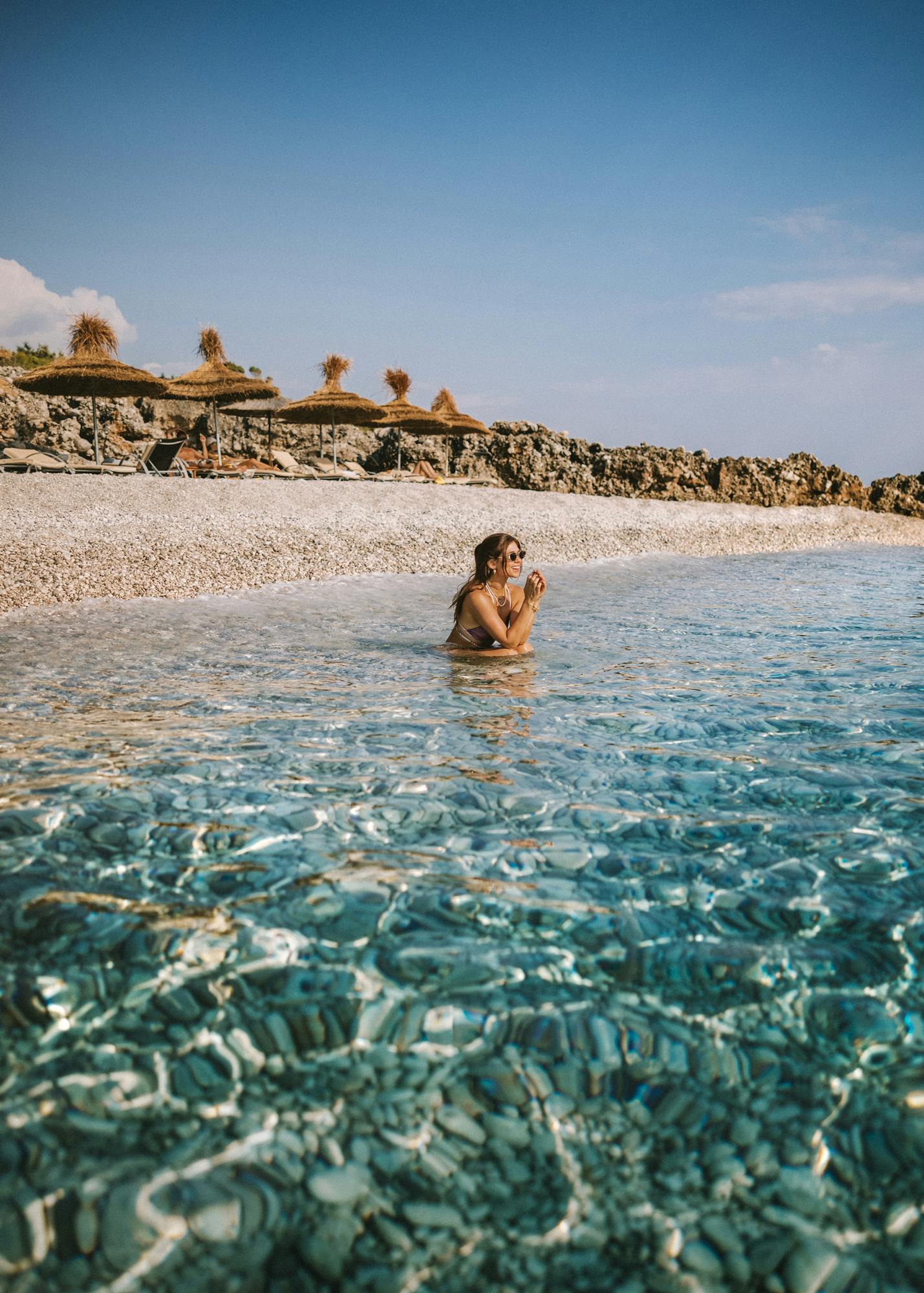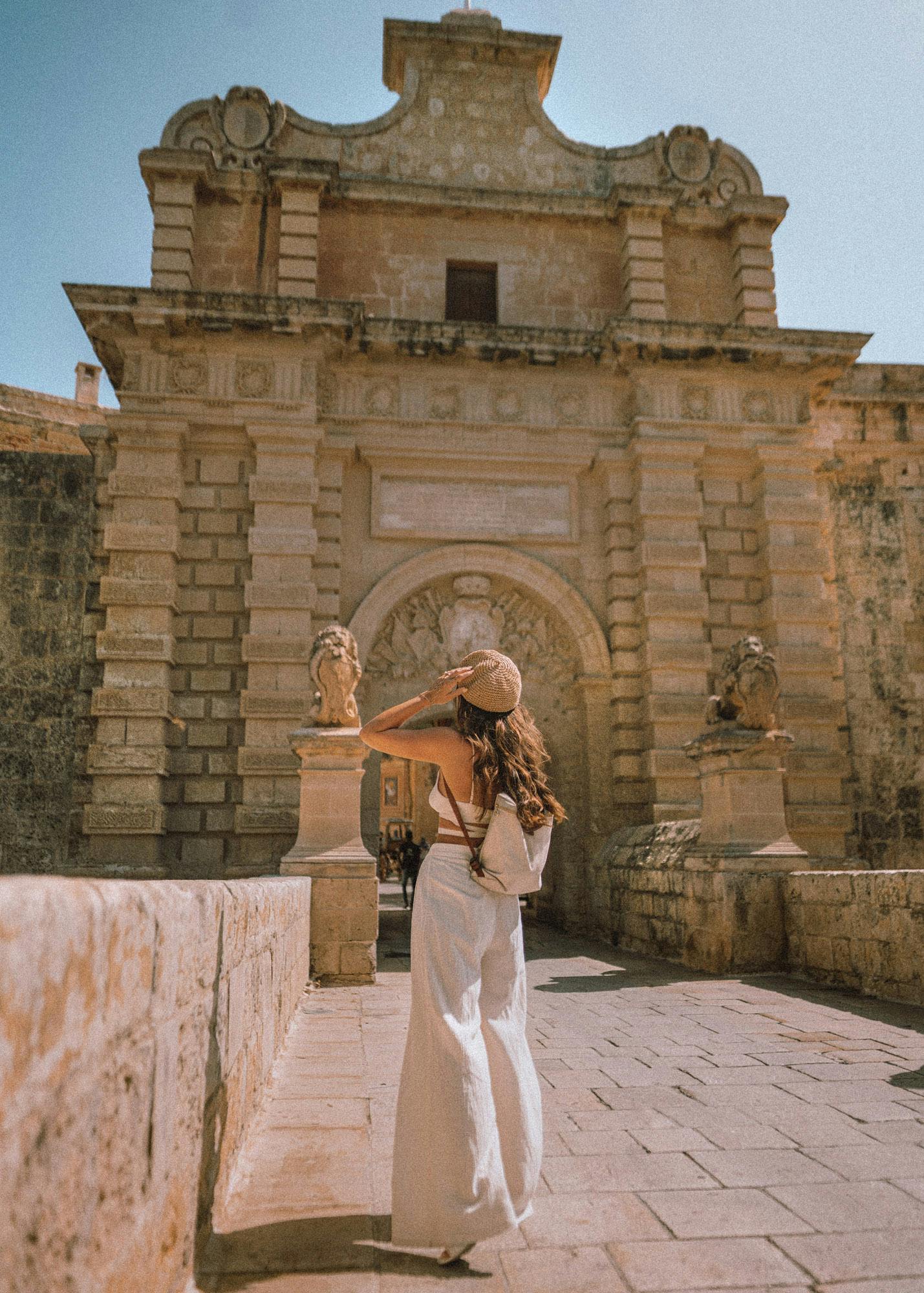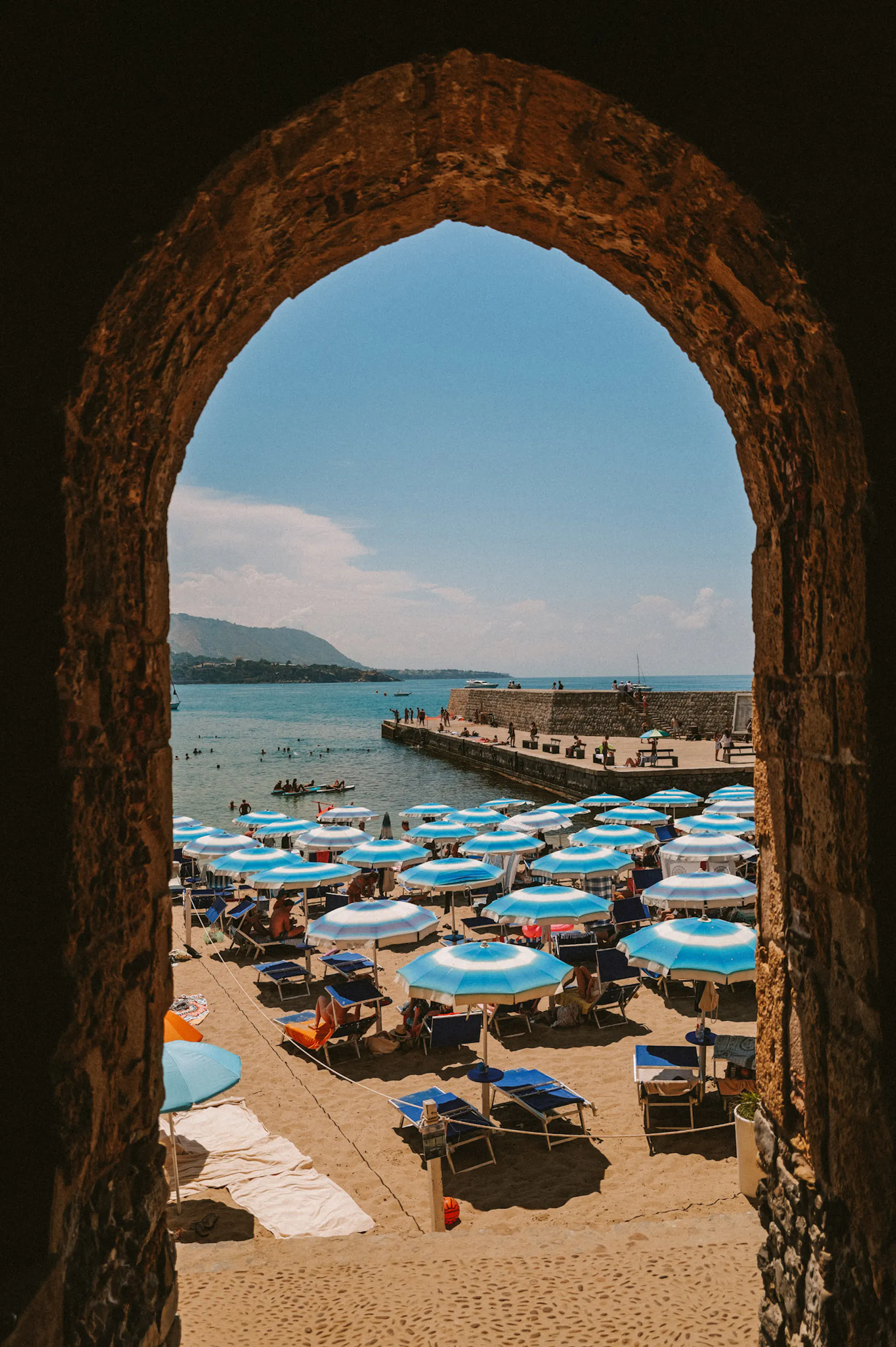
Sicily, Italy is large enough that planning a trip requires more strategy than choosing a hotel and filling in the days around it. The island covers almost 10,000 square miles, with Palermo on the northwestern side, Taormina and Mount Etna in the east, the Baroque towns of the Val di Noto in the southeast, and hundreds of miles of coastline connecting regions that can feel remarkably different from one another.
For a first trip to Sicily, the most important decision is where to base yourself. Taormina works beautifully for Mount Etna and the eastern coast, Syracuse and Ortigia provide access to southeastern Sicily, Noto places you closer to the Val di Noto and some excellent beaches, while Palermo makes considerably more sense for exploring northwestern Sicily. Trying to cover all of them during a short trip usually creates far more driving than the map initially suggests. Sicily also offers a different experience from smaller Italian vacation destinations such as Capri or the Amalfi Coast: a trip here can combine archaeological sites, an unforgettable stay in villas in Sicily, Baroque cities, vineyards, beaches, fishing villages, volcanic landscapes, luxury hotels and private villas, which makes Sicily particularly well suited to a road trip of at least one week.
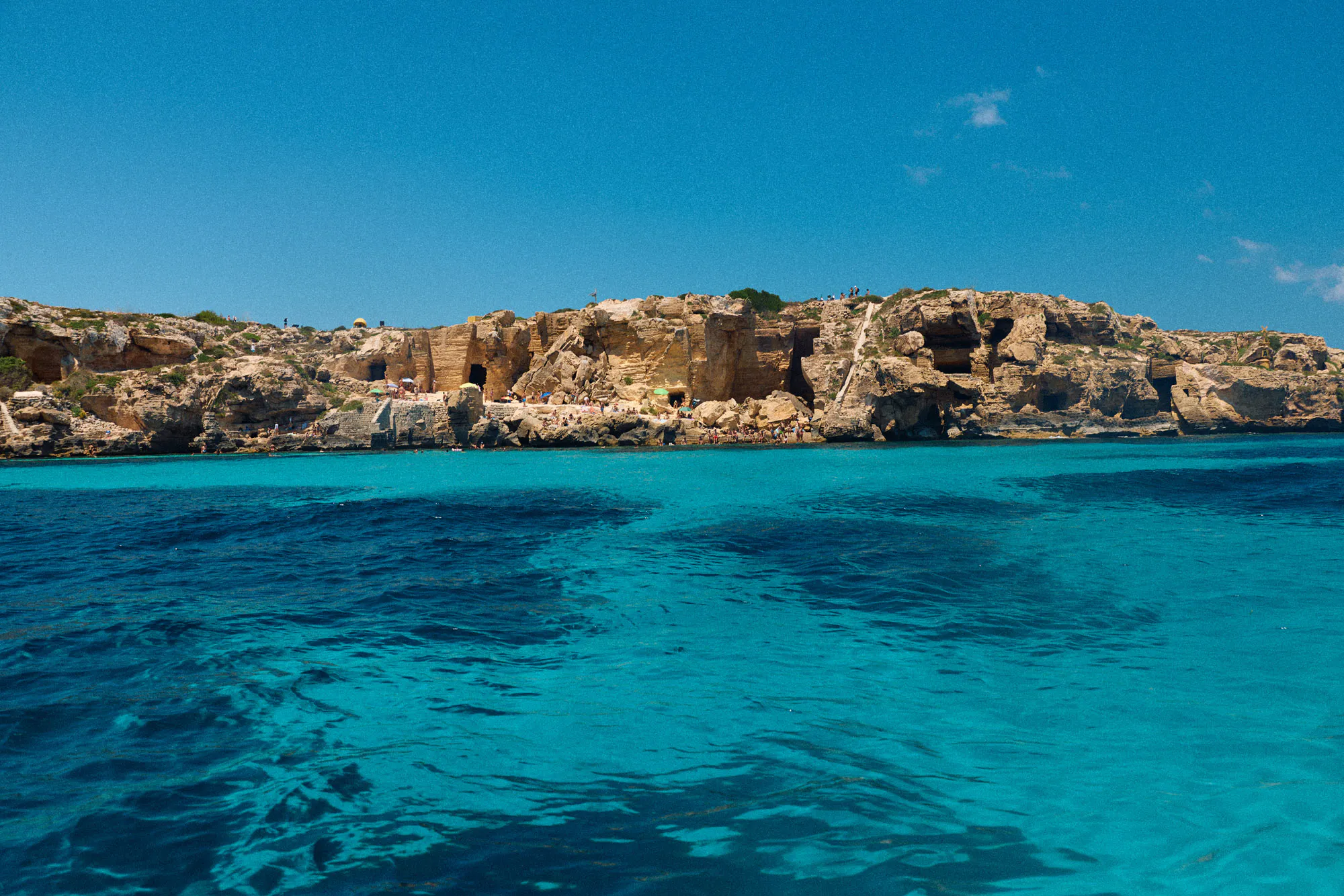
How Many Days Do You Need in Sicily?
Seven days is enough for a focused Sicily itinerary, although 10 to 14 days is a better length for a first trip if you want to experience more than one part of the island.
With five to seven days, concentrate on eastern or western Sicily rather than attempting to circle the island. With 10 days, you can reasonably combine several bases. Two weeks provides enough time for both major sightseeing and slower beach days without changing hotels constantly.
A useful starting point is:
- 5 days: Choose one region, such as Taormina and Mount Etna or Syracuse, Noto and southeastern Sicily.
- 7 days: Combine two nearby regions, such as Taormina with Ortigia and Noto.
- 10 days: Build a road trip across eastern and southeastern Sicily, or combine Palermo with another region.
- 14 days: Include Palermo, eastern Sicily and the southeast, with additional time for beaches, wineries or smaller towns.
If swimming and boating are major priorities, adding several nights near the coast keeps those days from competing with sightseeing.
Check out my What To Pack For Summer in Italy Guide here!
Which Part of Sicily Is Best to Stay In?
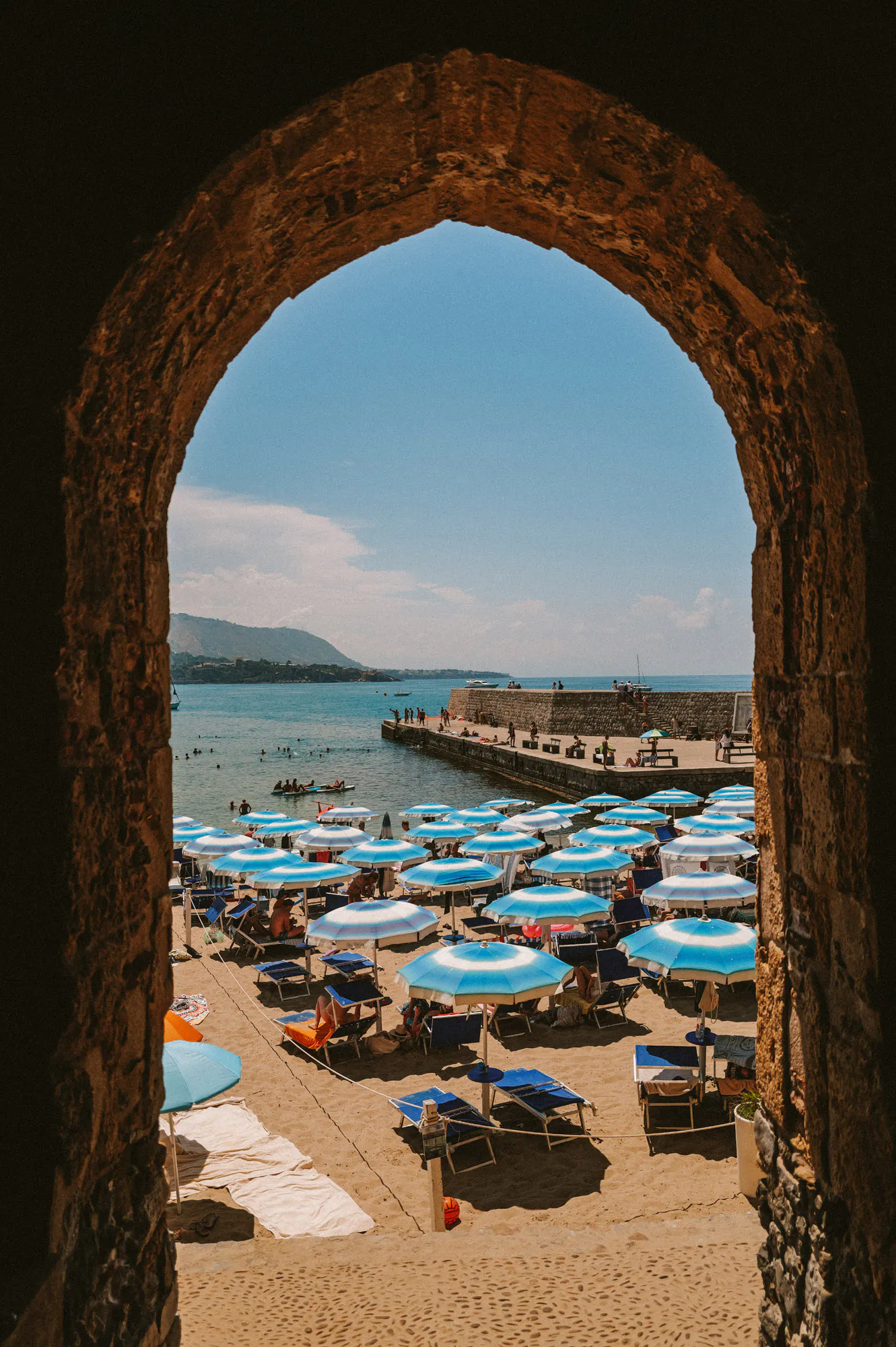
Cefalu
Favignana
There is no single best area to stay in Sicily because the right base depends heavily on what you want to do. The eastern side is generally the easiest introduction for a first visit, particularly when combining Taormina, Mount Etna, Syracuse and the Val di Noto.
Taormina
Best for: First-time visits, luxury hotels, views, restaurants and Mount Etna
Taormina is Sicily's best-known resort town and one of the easiest places to choose if you want a polished vacation with excellent hotels and restaurants. The town sits high above the Ionian Sea, with Mount Etna visible in the distance, while the ancient theater provides one of Sicily's most recognizable archaeological settings.
The downside is popularity. Taormina becomes extremely busy during summer, particularly around Corso Umberto and the historic center.
Stay here when you want to walk to restaurants and shops, spend time at a luxury hotel and take day trips to Mount Etna or nearby coastal areas.
Syracuse and Ortigia
Best for: History, restaurants, architecture and walking
Ortigia is the historic center of Syracuse and one of my favorite bases for southeastern Sicily. The compact island is filled with Baroque architecture, narrow streets, waterfront restaurants and piazzas, while the larger archaeological sites of Syracuse sit immediately outside the historic center.
It works particularly well for people who want to walk out of their hotel and immediately have restaurants, cafés and historic sites around them.
Noto and the Val di Noto
Best for: Villas, countryside, Baroque towns and southeastern beaches
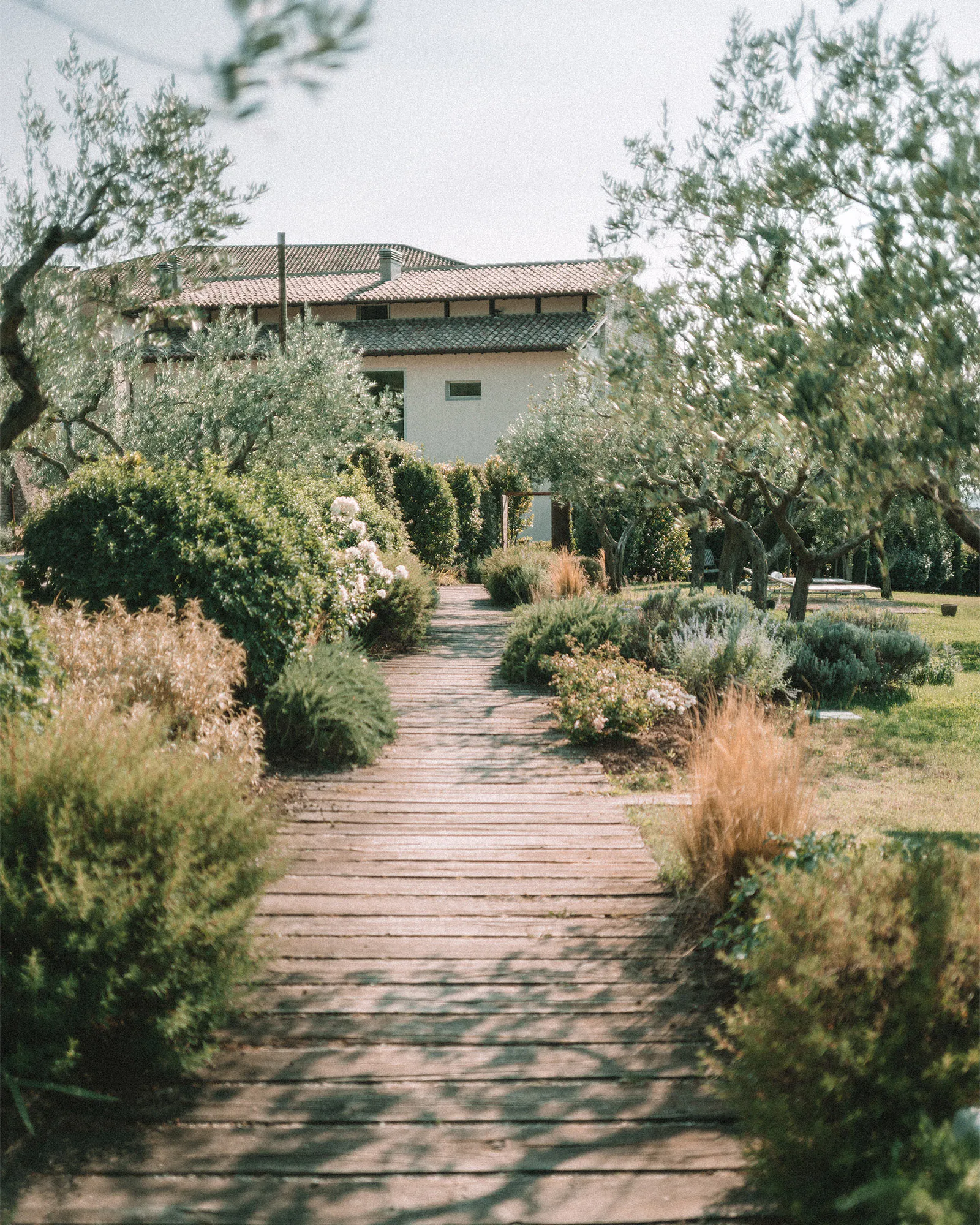
Noto is one of the best areas for renting a private villa in Sicily. The surrounding countryside is filled with olive groves, citrus trees and historic properties, while Noto itself is one of the eight UNESCO-listed Late Baroque towns of the Val di Noto.
From this area, you can combine Noto with Modica, Ragusa and Scicli while remaining within reach of beaches and nature reserves along Sicily's southeastern coast.
For a longer stay, this is also one of the regions where having a villa makes the most sense. Companies such as Select Sicily offer private villas with pools throughout southeastern Sicily, allowing you to use one property as a base rather than moving hotels every couple of nights.
Palermo
Best for: Food, architecture, markets and western Sicily
Palermo feels dramatically different from Sicily's smaller resort towns. The capital is dense, energetic and layered with centuries of Arab, Norman, Byzantine, Spanish and Italian influence.
Its UNESCO-listed Arab-Norman architecture includes the Norman Palace and Palatine Chapel, while nearby Monreale contains one of Sicily's most extraordinary cathedrals.
Palermo is also a useful starting point for northwestern Sicily, particularly if you want to visit Monreale, Cefalù, Scopello or the coastline around San Vito Lo Capo.
Cefalù
Best for: Beach and historic town combination
Cefalù combines a long sandy beach with a compact historic center and a Norman cathedral, making it particularly useful when you want beach time without staying at an isolated resort.
Its location on the northern coast also makes Cefalù easier to incorporate into a Palermo itinerary than Taormina or southeastern Sicily.
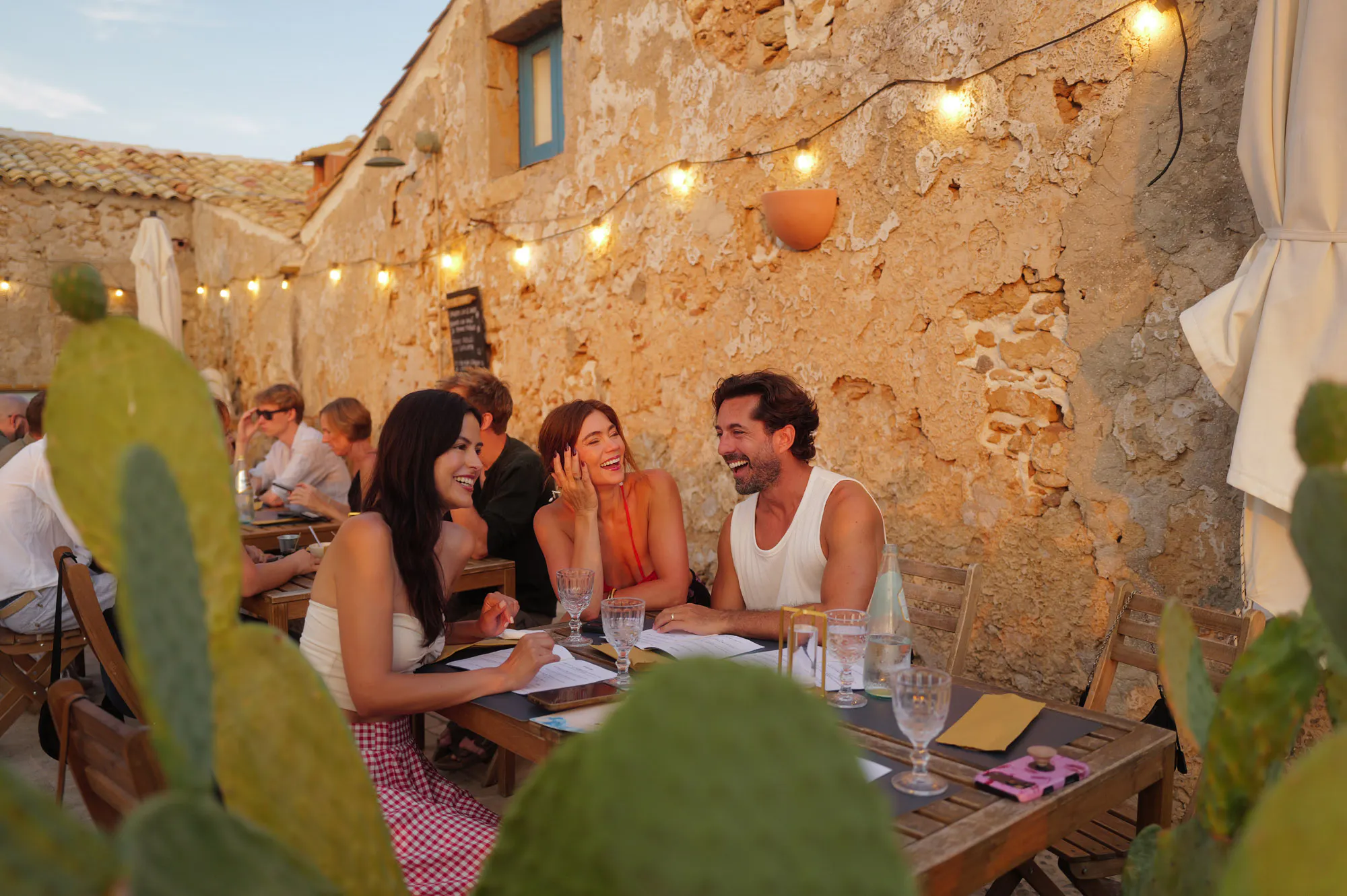
Marzamemi
East Sicily vs. West Sicily
For a first trip, eastern Sicily generally offers the highest concentration of famous sights within a manageable road-trip route.
An eastern Sicily itinerary can include:
- Taormina
- Mount Etna
- Syracuse and Ortigia
- Noto
- Modica
- Ragusa
- Southeastern beaches
Western Sicily offers a different experience centered around Palermo, archaeological sites, fishing villages and some of the island's most dramatic coastal scenery.
A western itinerary can include:
- Palermo
- Monreale
- Cefalù
- Scopello
- Castellammare del Golfo
- San Vito Lo Capo
- Trapani
- Erice
- The Egadi Islands
With less than 10 days, I would choose one side and explore it properly. Connecting eastern and western Sicily makes considerably more sense when you have enough time to turn the journey itself into a road trip.
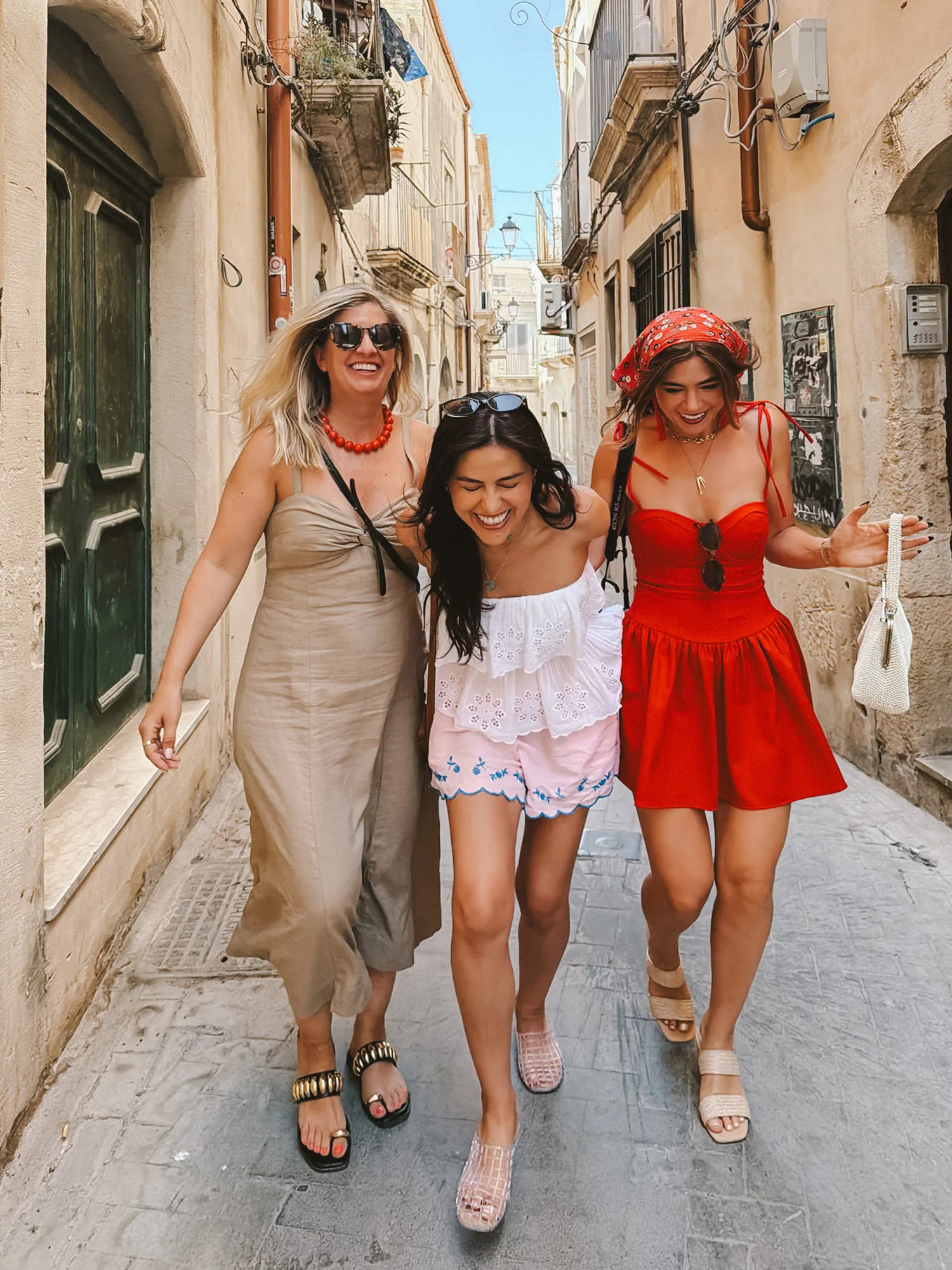

The Best Places to Visit in Sicily
A first Sicily itinerary should combine a few major destinations with smaller stops rather than trying to check off every famous town.
Taormina and the Ancient Theater
Taormina's ancient theater is one of Sicily's essential archaeological sites, with the Ionian coastline and Mount Etna forming the backdrop. Spend additional time walking the historic center and descending toward the coast around Isola Bella.
Mount Etna
Mount Etna is Europe's largest active volcano and one of Sicily's defining landscapes. You can visit independently at lower elevations or arrange guided excursions that go higher on the volcano, depending on volcanic activity and current access restrictions.
The Etna region is also one of Sicily's most interesting wine areas. Vineyards planted across the volcanic slopes produce Etna Rosso and Etna Bianco, making a winery stop easy to combine with a day around the volcano.
Syracuse and Ortigia
Syracuse was one of the most powerful cities in the ancient Greek world. The Archaeological Park of Neapolis contains the Greek theater and other ancient remains, while Ortigia contains the city's historic center.
Allow at least one full day, although staying overnight gives you a much better sense of Ortigia after day visitors leave.
Noto
Noto is one of southeastern Sicily's defining Baroque towns, reconstructed after the devastating earthquake of 1693. Its honey-colored buildings and elaborate façades make the compact historic center particularly easy to explore on foot.
Ragusa
Ragusa is divided between the newer upper city and Ragusa Ibla, the historic lower town. The layered hillside setting makes it one of the most visually distinctive stops in southeastern Sicily.
Modica
Modica combines dramatic Baroque architecture with a long chocolate-making tradition. Its chocolate is produced using a technique associated with Spanish rule and differs considerably in texture from conventional European chocolate.
Palermo
Palermo deserves at least two full days if your itinerary includes western Sicily. Prioritize the Palatine Chapel, Palermo Cathedral, the historic markets and the city's Arab-Norman monuments rather than attempting to cover the entire city in a single afternoon.
The Best Beaches in Sicily
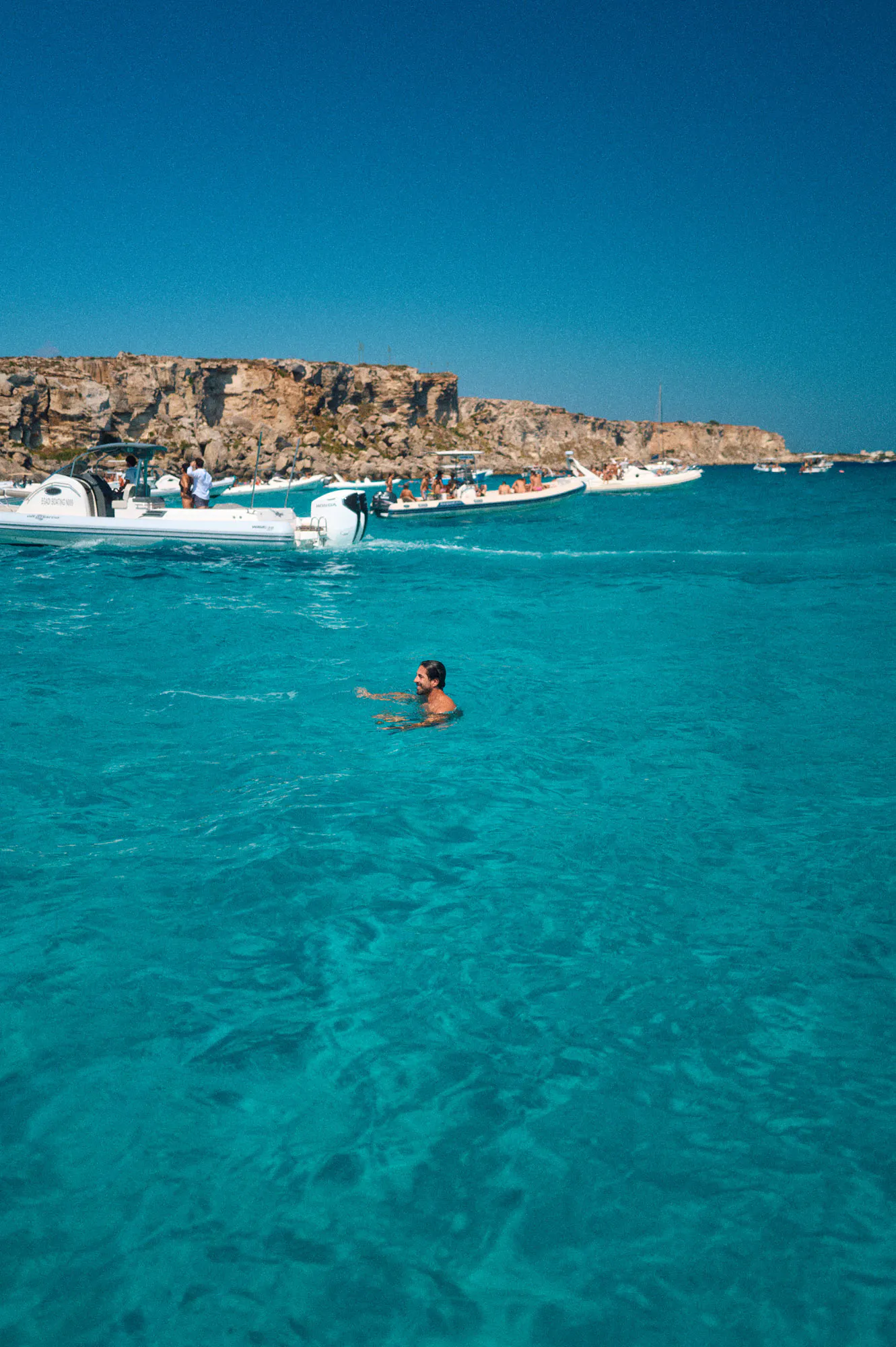
Sicily's coastline varies substantially depending on the region, so the best beach also depends on your itinerary.
San Vito Lo Capo is known for its long crescent of pale sand and clear water on the northwestern coast.
Calamosche sits within the Vendicari Nature Reserve in southeastern Sicily and works well when staying around Noto.
Isola Bella is the famous beach immediately below Taormina, making it one of the easiest coastal stops to combine with sightseeing.
Fontane Bianche, south of Syracuse, has pale sand and shallow turquoise water and can be incorporated into an Ortigia-based itinerary.
Scala dei Turchi, near Realmonte on Sicily's southern coast, is known for its distinctive pale marl cliffs. Access regulations have changed over time, so check current local restrictions before planning your visit.
For a dedicated beach vacation, I would choose accommodations close to the coast rather than assuming that Sicily's famous historic towns provide immediate beach access.
Where to Stay in Sicily for a Luxury Trip
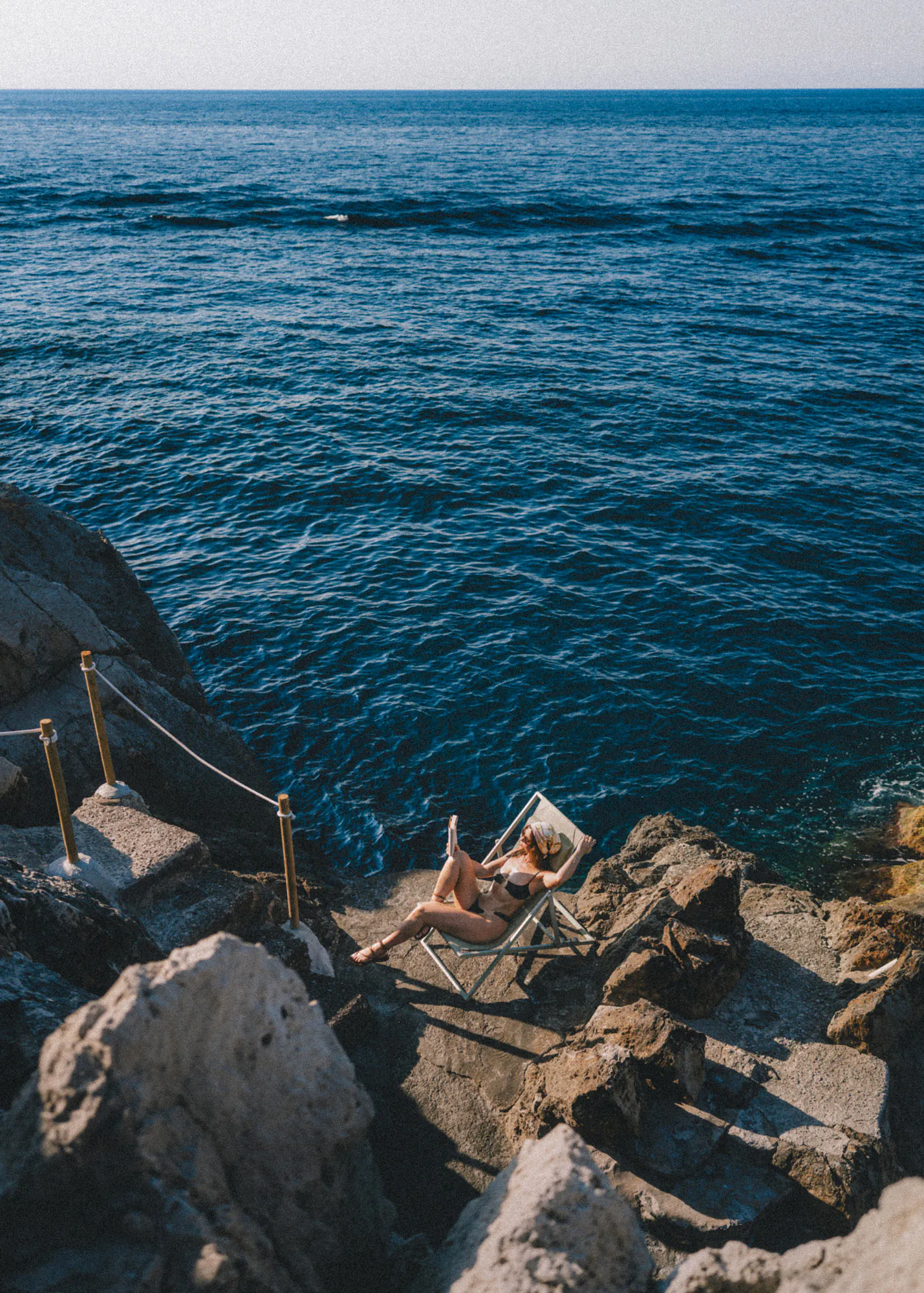
Sicily's luxury accommodations fall broadly into two categories: destination hotels and private villas.
Taormina has the island's greatest concentration of internationally recognized luxury hotels. San Domenico Palace, Taormina, A Four Seasons Hotel occupies a former Dominican convent overlooking the Ionian Sea, while Grand Hotel Timeo, A Belmond Hotel sits beside the ancient theater.
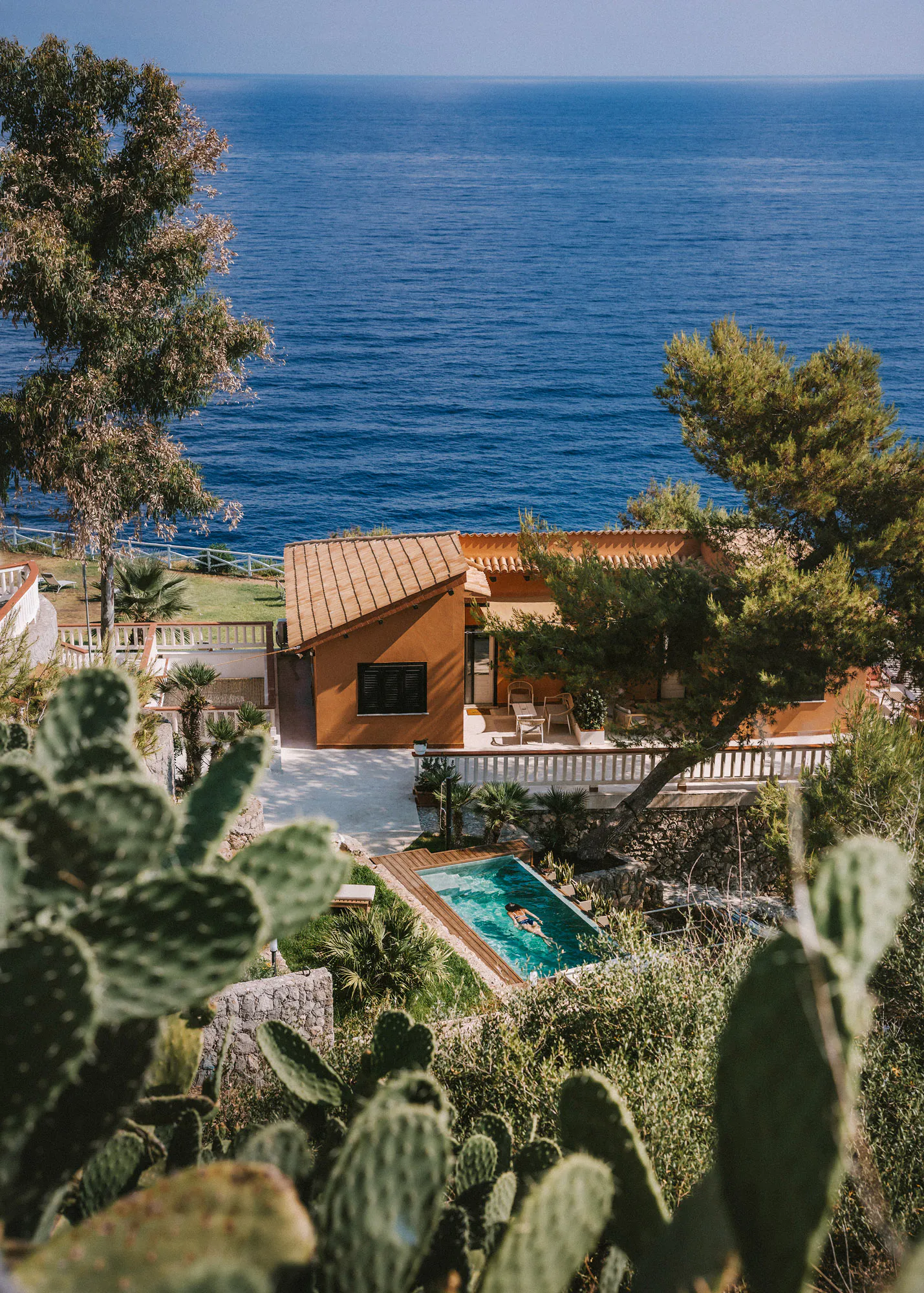
In Palermo, Villa Igiea offers a grand waterfront setting within reach of the historic center. A villa becomes particularly appealing in southeastern Sicily, where the countryside surrounding Noto, Syracuse and the Val di Noto provides more space and privacy. Properties can range from restored traditional estates surrounded by olive trees to contemporary homes with pools and sea views. For families and groups, a villa can also be more practical than reserving several hotel rooms. A private kitchen, pool, and outdoor dining space make it possible to spend an entire day at the property between more ambitious sightseeing days.
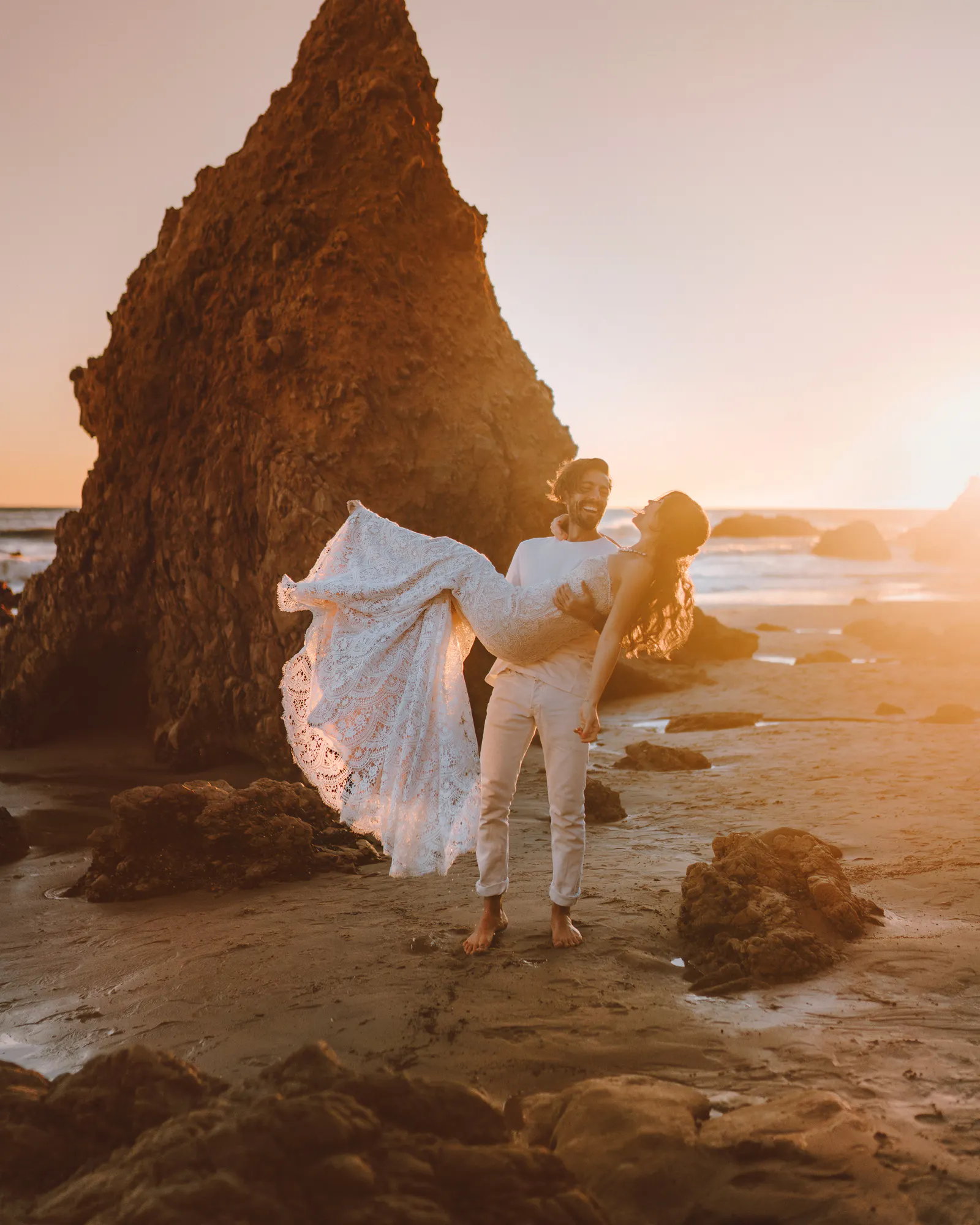
Wedding ceremonies held inside old villas in Sicily with large windows to let the sea in or surrounded by olive groves in the most isolated places of the island have made Sicily even more famous as the location of special occasions. So, it's easy to understand that Sicily can be the perfect spot for celebrating a marriage or even any other joyous event.
Do You Need a Car in Sicily?
For most multi-stop Sicily itineraries, renting a car is the easiest way to get around.
Trains connect several major cities, including Palermo, Catania, Messina and Syracuse, but many beaches, wineries, countryside villas and smaller towns are considerably easier to reach by car.
Driving also allows you to build stops between major destinations. A transfer between two hotels can become a full sightseeing day when you incorporate a Baroque town, winery, archaeological site or beach along the route.
Keep several practical considerations in mind:
- Historic centers frequently have ZTL restricted traffic zones, where unauthorized vehicles can receive fines.
- Parking is easier when accommodations provide a designated space.
- Roads within historic towns can be extremely narrow.
- Rural and mountain roads may take longer than their distance suggests.
- Avoid leaving luggage visible inside a parked rental car.
If you plan to stay exclusively in Palermo or spend a few days in Taormina without taking independent day trips, a car can be unnecessary for that portion of the trip.
Which Airport Should You Fly Into for Sicily?
Sicily has two primary international gateways for most vacation itineraries: Palermo Airport (PMO) in the northwest and Catania Airport (CTA) in the east.
Catania is generally the more convenient airport for:
- Taormina
- Mount Etna
- Syracuse
- Noto
- Ragusa and southeastern Sicily
Palermo is generally better for:
- Palermo
- Monreale
- Cefalù
- Scopello
- San Vito Lo Capo
- Northwestern Sicily
For a longer road trip, flying into one airport and out of the other can eliminate unnecessary backtracking, although one-way rental-car fees should be checked before booking.
When Is the Best Time to Visit Sicily?
For sightseeing combined with warm weather, May, June, September and early October are among the best periods to visit Sicily.
July and August bring the hottest temperatures and largest summer crowds, particularly around beaches and major destinations such as Taormina. August is also the traditional Italian vacation period, with demand peaking around Ferragosto on August 15.
Late spring works especially well for road trips and archaeological sites because daytime temperatures are generally easier for extended sightseeing. September is an excellent compromise for people who want warm sea temperatures while avoiding some of the intensity of peak summer.
Winter creates an entirely different trip. Palermo, Syracuse, and other cities remain culturally interesting throughout the year, but beach resorts and seasonal businesses can operate on reduced schedules.
A 7-Day Sicily Itinerary
With one week, I would concentrate on eastern and southeastern Sicily rather than trying to cross the entire island.
Days 1 - 2: Taormina
Explore Taormina, the ancient theater, and Isola Bella, with enough time to enjoy the town rather than treating it entirely as a sightseeing stop.
Day 3: Mount Etna
Spend the day around Mount Etna, combining the volcano with an Etna winery before returning to Taormina or continuing south.
Days 4 - 5: Syracuse and Ortigia
Explore the archaeological park before spending the remainder of your time walking Ortigia, eating along the waterfront and visiting the historic center.
Day 6: Noto and Southeastern Sicily
Visit Noto and continue toward the coast, or use the day for Modica and Ragusa if architecture and towns are a higher priority than beaches.
Day 7: Beach or Countryside
Finish with a slower day near Noto, Vendicari or another southeastern beach before returning to Catania.
A 10-Day Sicily Itinerary
Three additional days allow you to explore southeastern Sicily in considerably greater depth.
Days 1 - 2: Taormina
Day 3: Mount Etna and Etna wine country
Days 4 - 5: Syracuse and Ortigia
Days 6 - 7: Noto and southeastern beaches
Day 8: Modica
Day 9: Ragusa and surrounding countryside
Day 10: Catania or an additional beach day before departure
Another option is to use the additional time for a private villa outside Noto, which provides a central base for day trips around the Val di Noto without packing and moving every night.
How to Plan a Luxury Sicily Vacation
A high-end Sicily itinerary works best when you alternate sightseeing with slower days rather than filling every morning and afternoon with another town.
For a 10-day trip, I would combine a luxury hotel in Taormina, several nights in Ortigia and a private villa in southeastern Sicily. That provides three distinct experiences within one trip: a polished resort town, a historic city that can be explored on foot, and a countryside base with enough privacy to spend entire days at the property.
Private villas are particularly useful for longer stays. Select Sicily has properties throughout the island, including villas with private pools, sea views and countryside locations, so you can choose a property around the region you intend to explore rather than building the itinerary around a single resort.
Location deserves careful attention when booking. A villa that looks spectacular in photographs can become inconvenient if every restaurant, beach and town on your itinerary requires a long drive. I would map the places you intend to visit first, then choose accommodations that keep most day trips within a manageable radius.
Sicily vs. Amalfi Coast for a Vacation

Sicily and the Amalfi Coast suit different styles of Italian vacation.
The Amalfi Coast is much more concentrated, making it possible to base yourself in Positano, Amalfi or Ravello and explore neighboring towns by boat, ferry or road. Sicily requires more planning and usually benefits from a rental car, but the additional effort gives you far greater geographic and cultural variety.
Choose Sicily when your priorities include:
- A longer Italian road trip
- Private villas and countryside stays
- Archaeological sites and historic cities
- Beaches combined with extensive sightseeing
- Wine regions and local food
- Multiple landscapes within one vacation
- More flexibility in where and how you stay
For five nights centered primarily around hotels, restaurants and coastal scenery, the Amalfi Coast can be easier. For 10 days or two weeks with a mixture of sightseeing, beaches, food, history and private accommodations, Sicily provides considerably more territory to explore.
Is Sicily Worth Visiting?
Sicily is particularly worthwhile when you have enough time to experience more than one side of the island. Its appeal comes from the proximity of experiences that would often require several separate trips elsewhere in Italy: Greek archaeological sites, Norman architecture, active volcanic landscapes, Baroque cities, wine country, beaches, islands and some exceptional luxury hotels and villas.
The key to planning Sicily well is resisting the temptation to cover the entire island too quickly. Choose a region that fits your priorities, limit unnecessary hotel changes and leave enough room in the itinerary for the places you encounter between the major stops.