Planning a trip across Italy requires looking beyond postcard imagery and understanding how travel works between different regions. High-speed trains such as the Frecciarossa make it easy to move between major cities, with Rome and Florence just over 1.5 hours apart, and countless other notable cities like Naples, Venice, and Bologna all connected to main train lines. Moving beyond the main rail network, however, can require more planning.
Transport options, seasonal schedules, and daily routines can vary considerably from the northern lakes down to the southern islands. First-time visitors may also need to account for municipal driving restrictions, seasonal ferry schedules, and timed-entry tickets at major attractions. Building an itinerary around realistic transit times and regional logistics leaves more room to enjoy each destination without trying to fit too much into a single day or being caught out by differing schedules.
Why Sicily Shouldn't be a Quick-Add-On Destination
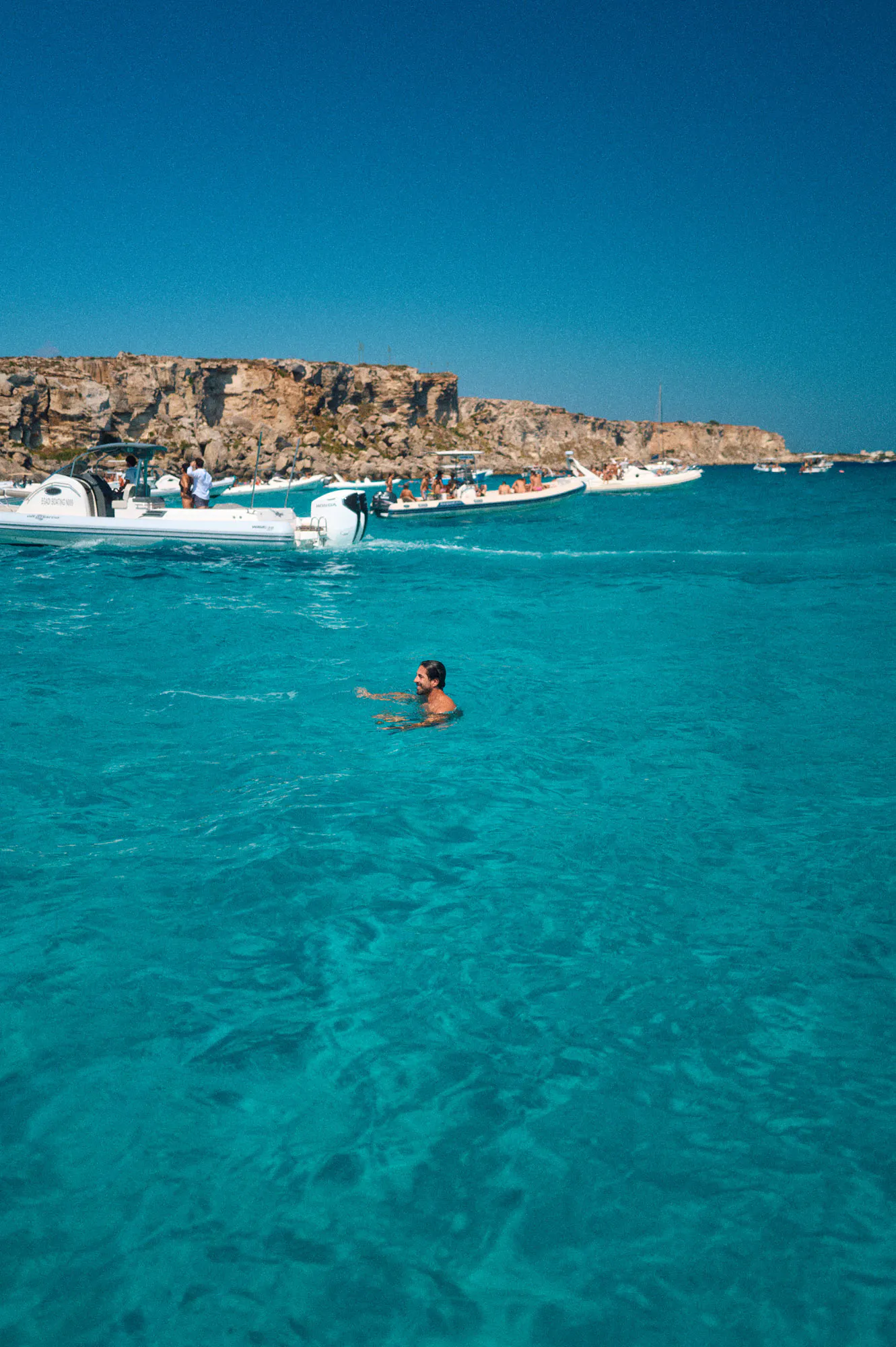

Sicily covers more than 25,000 square kilometers, making it the largest island in the Mediterranean and a destination that benefits from its own dedicated itinerary. Reaching the island might involve crossing the Strait of Messina aboard a train ferry or flying into Palermo or Catania. Once there, distances between regions can be substantial, with a drive from Palermo to Syracuse taking several hours before accounting for stops along the way.
Regional variety ranges from the active volcanic terrain around Mount Etna to the Baroque architecture of Ragusa, Noto, and Modica. Attempting to fit several parts of the island into a short stay can mean long stretches spent on the road instead of exploring archaeological sites around Agrigento or coastal nature reserves such as Zingaro.
Websites like WishSicily.com list properties across areas including Taormina and the Val di Noto. Staying in one region for several nights leaves more time for day trips, local restaurants, markets, beaches, and historic towns without constantly packing up and moving on.
The Regions Where a Rental Car Is Necessary
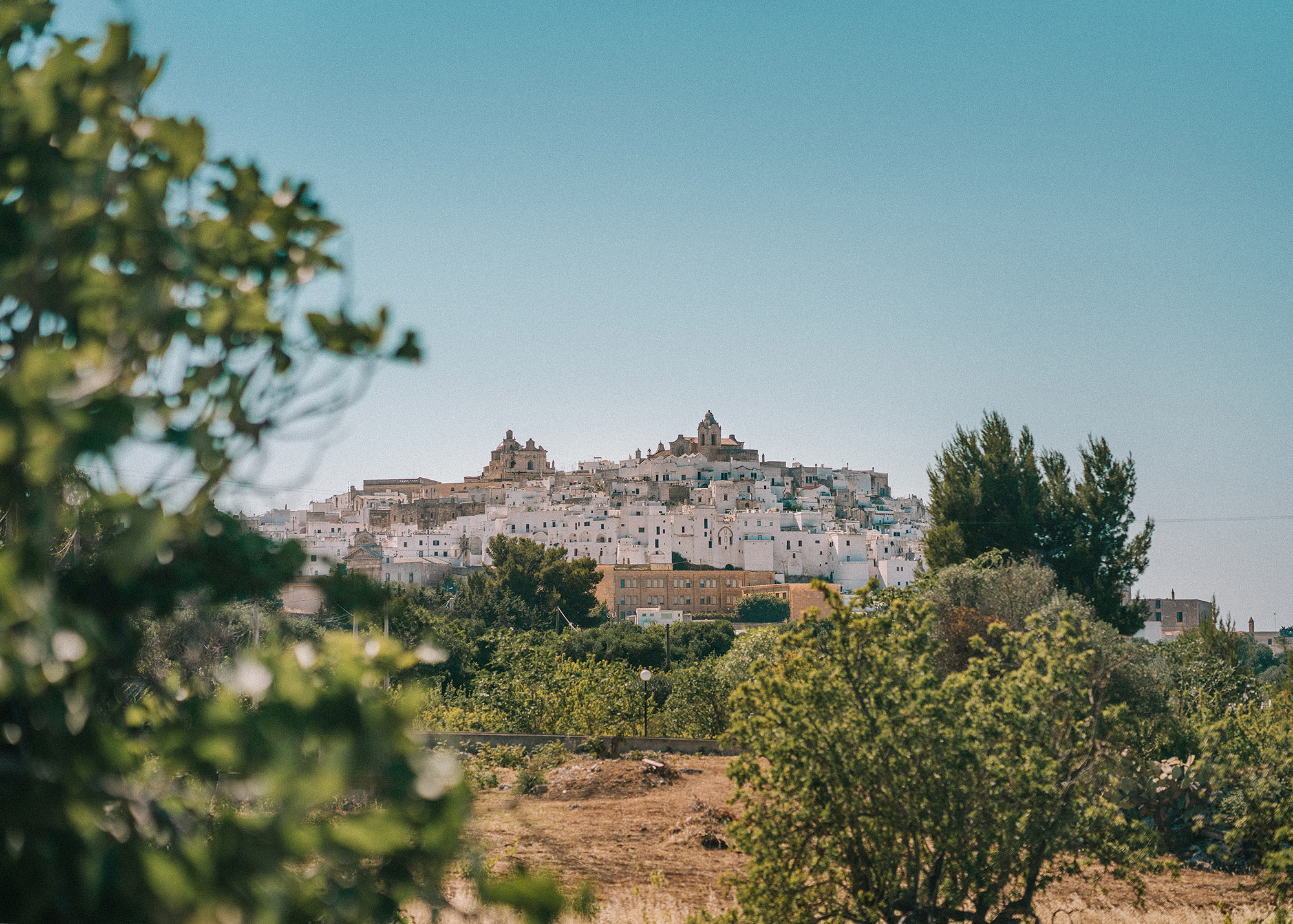
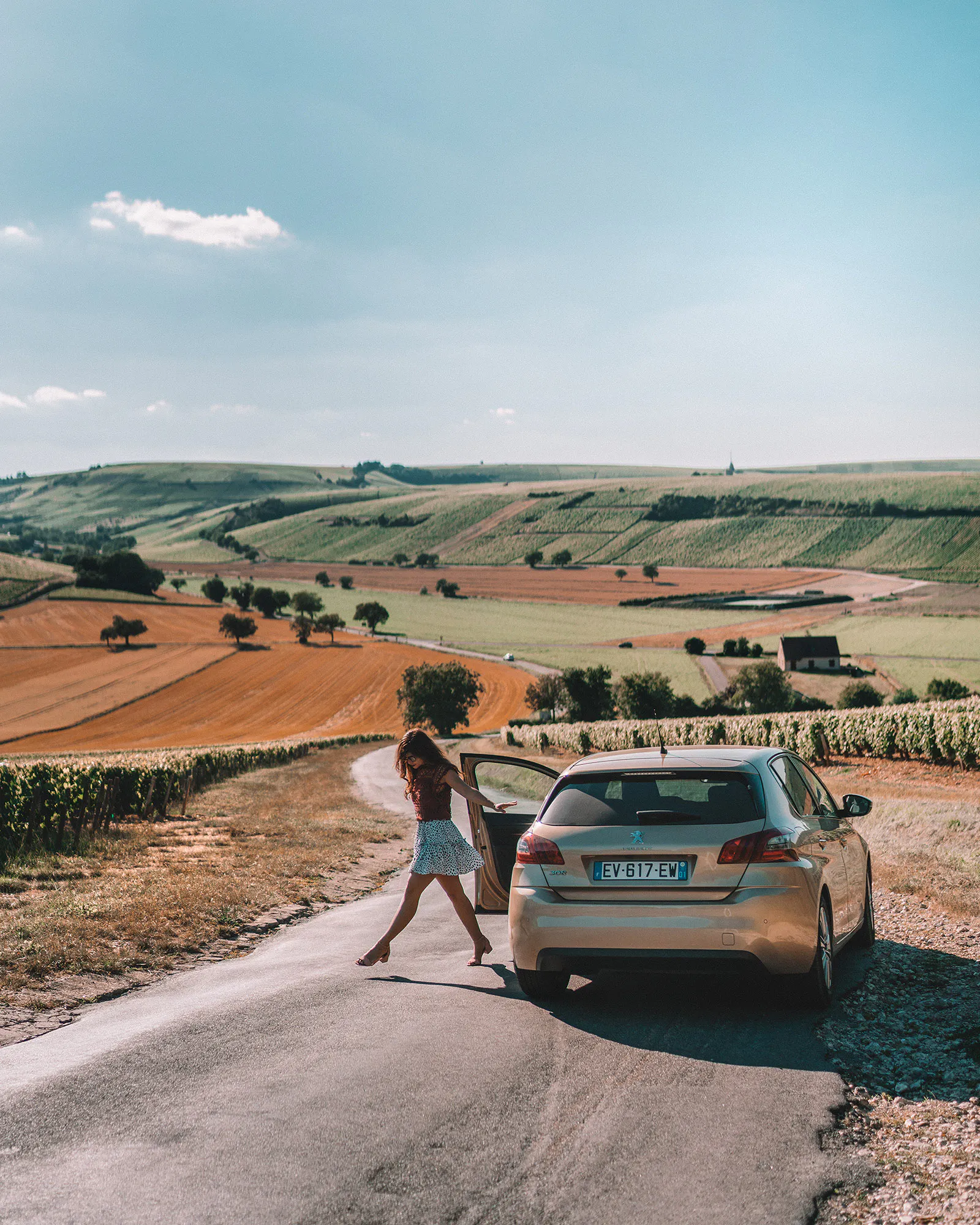
Italy's extensive rail network efficiently links major cities, but a rental car can make exploring rural areas considerably easier. In Tuscany's Val d'Orcia, buses connect towns such as Pienza, Montalcino, and Montepulciano, but schedules can limit how much ground visitors cover in a day. Having a car makes it easier to reach wineries, agriturismos, smaller villages, and countryside stops that don't sit directly on the rail network.
The same flexibility can be useful in Puglia's Valle d'Itria and when linking mountain villages and passes in the Dolomites. Public transport is available in both regions, but driving allows visitors to set their own schedule and stop at rural viewpoints, coastal areas, or countryside attractions along the way.
Driving in and around historic towns also requires awareness of Zona a Traffico Limitato (ZTL) restrictions. Electronic gates can record the license plates of unauthorized vehicles entering restricted areas, which can lead to fines for rental-car drivers. Checking ZTL signs before entering a historic center and using designated parking outside restricted zones can avoid an expensive mistake.
When a Guided Option Beats Driving Yourself
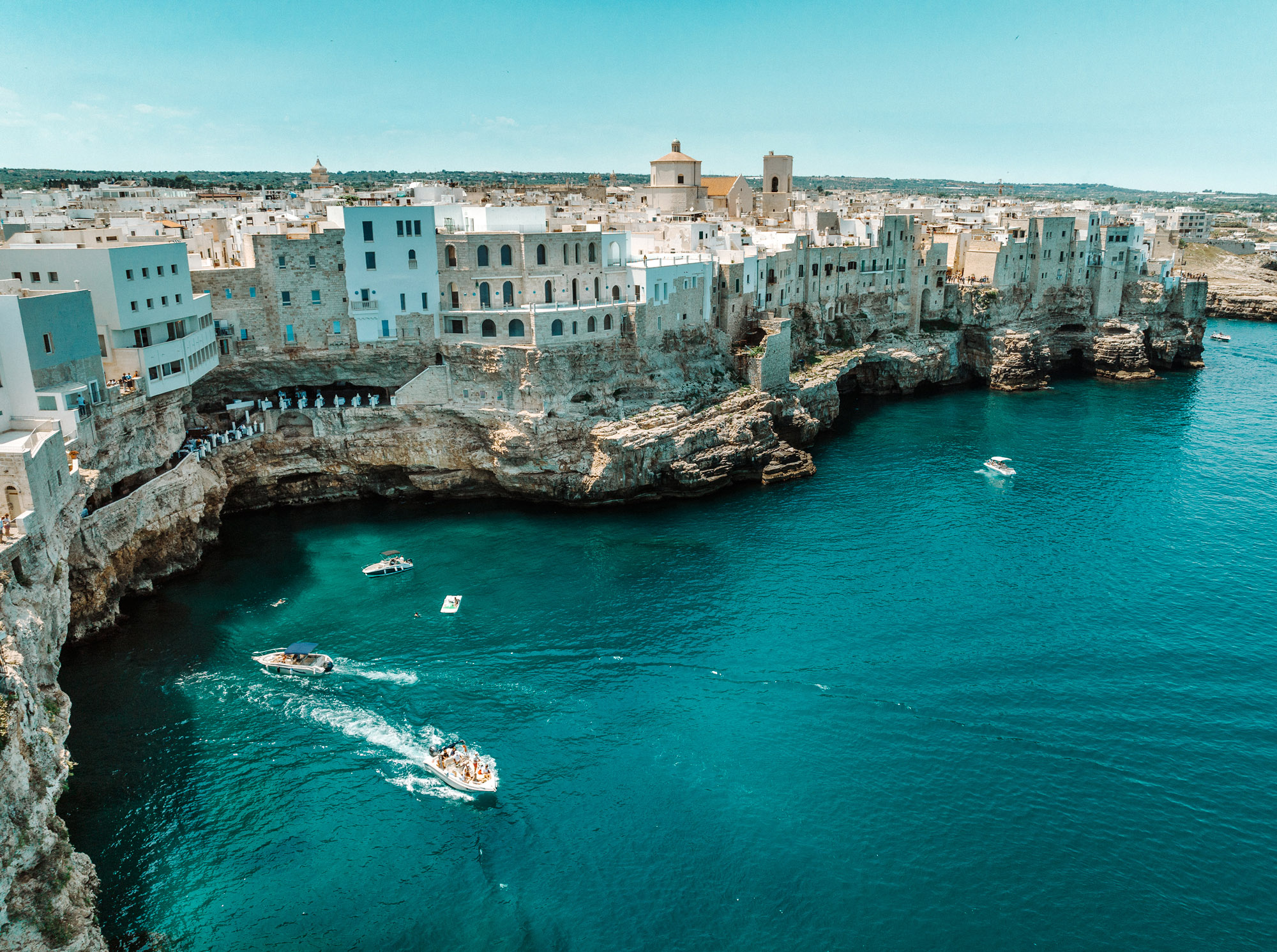
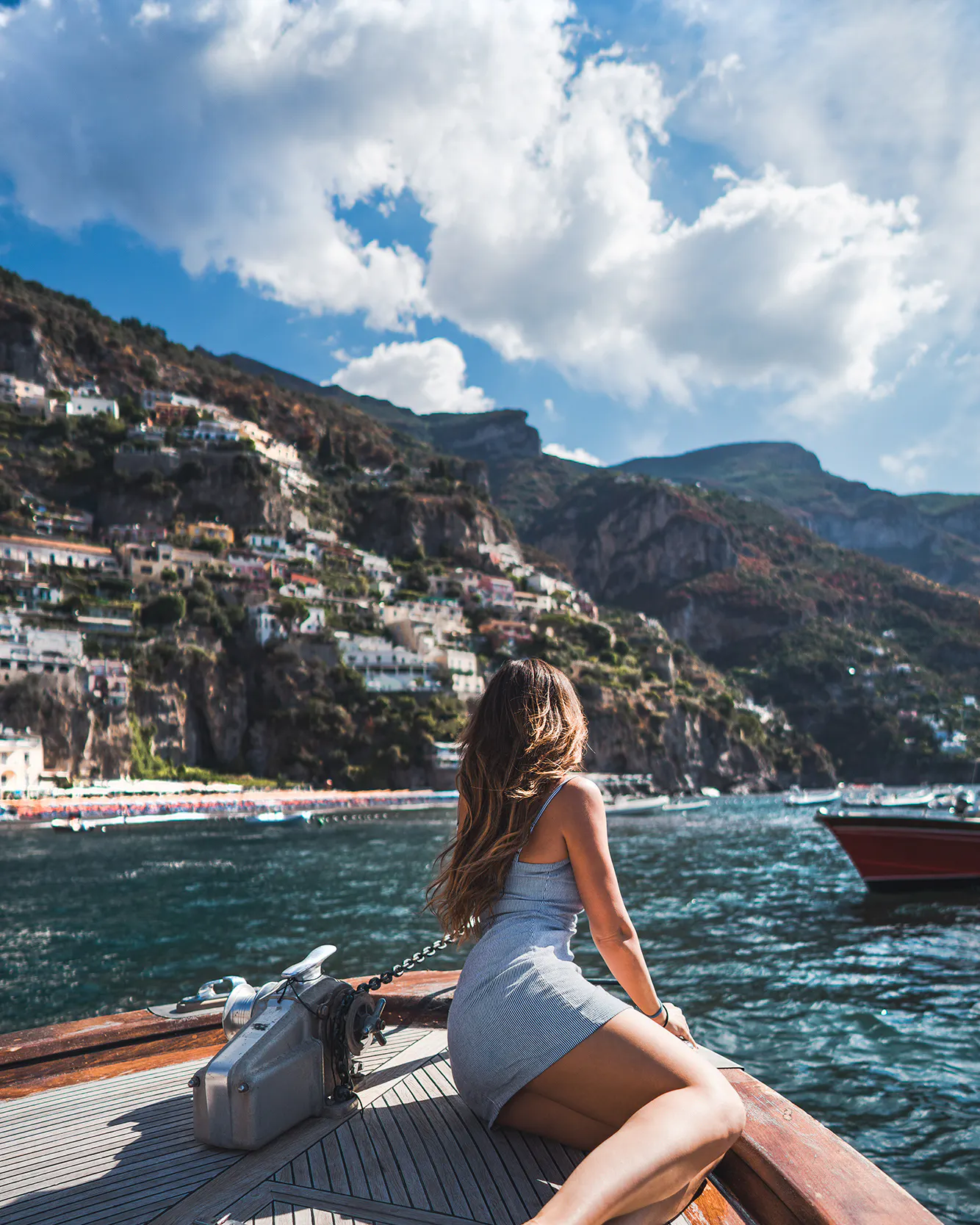
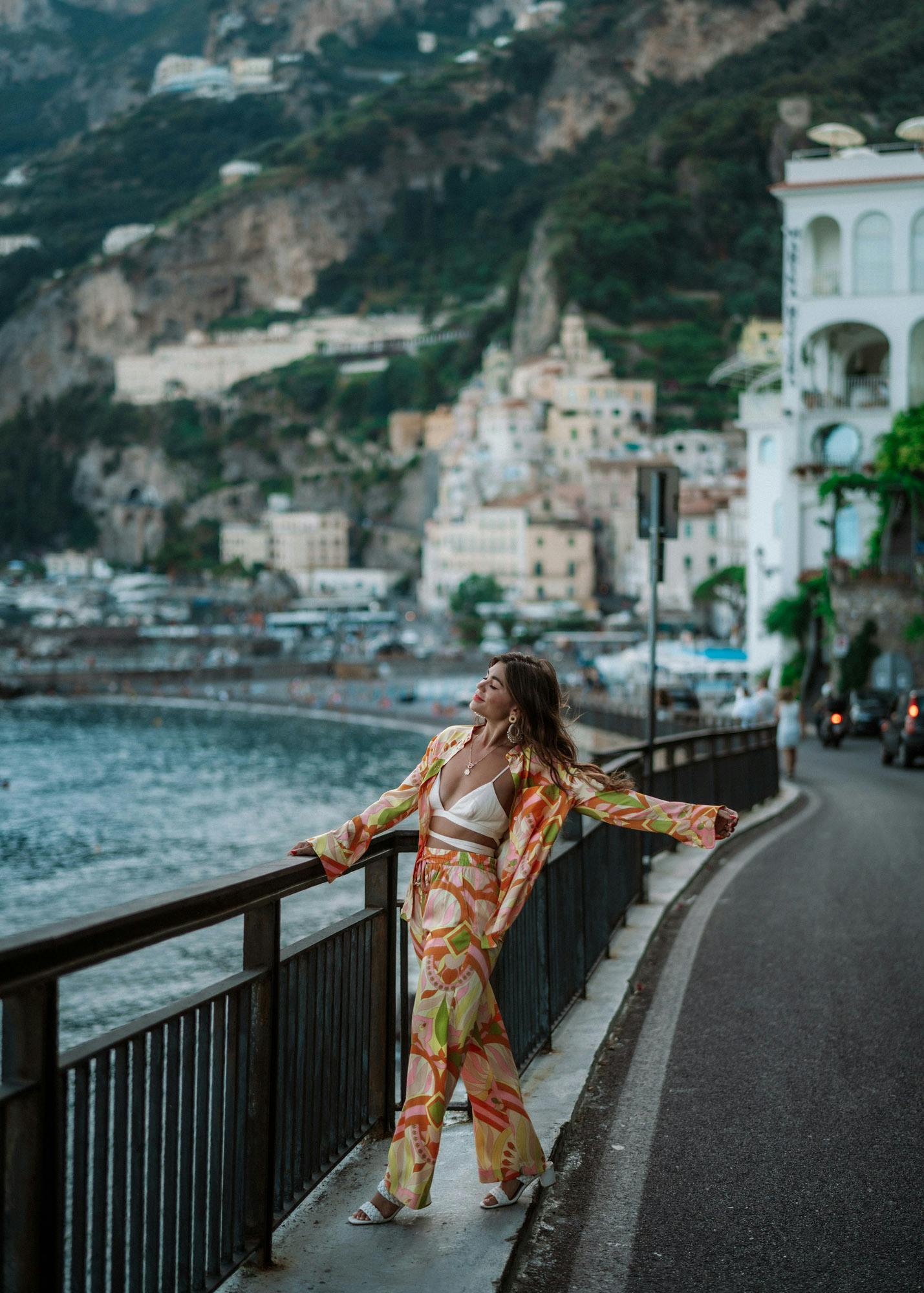
Driving along the narrow, winding SS163 Amalfitana can be challenging, particularly during busier periods when traffic and limited parking add to the journey. Traffic restrictions can also apply along the Amalfi Coast, so anyone planning to drive should check current access rules before setting out.
Using a driver or joining an organized excursion removes the need to navigate narrow roads, search for parking in towns such as Amalfi and Positano, or coordinate multiple transport connections in a single day. That convenience may also appeal for those considering escorted tours of Italy, particularly when an itinerary includes the Amalfi Coast alongside several cities and pre-booked attractions.
Guided itineraries may also include advance reservations for popular sites. The Borghese Gallery requires reservations for all visitors, while the Vatican Museums allow tickets and guided visits to be booked in advance. Having transport and entry times organized in advance can simplify days with several planned stops.
How Shoulder-Season Travel Is Reshaping Italian Trip Planning
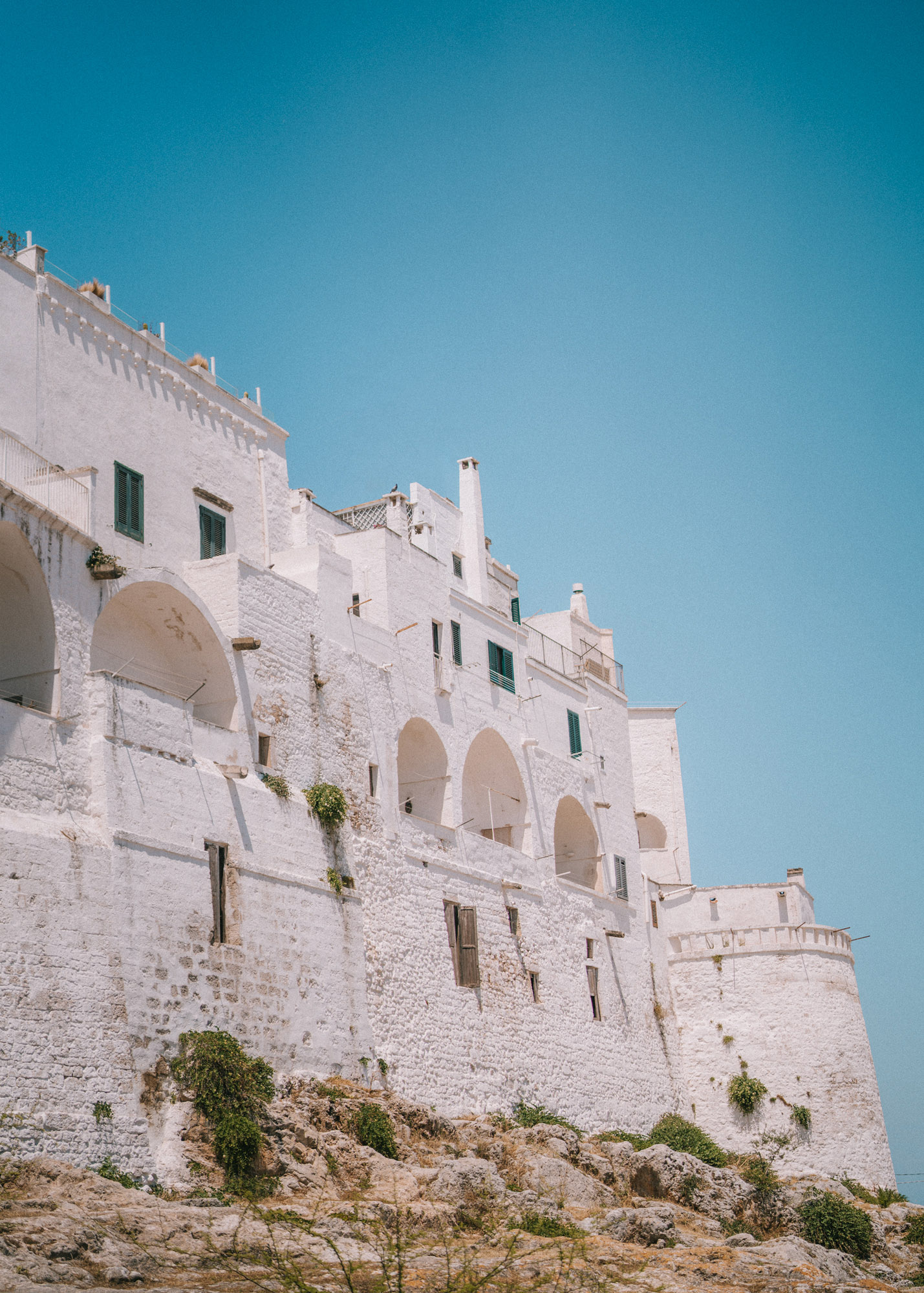
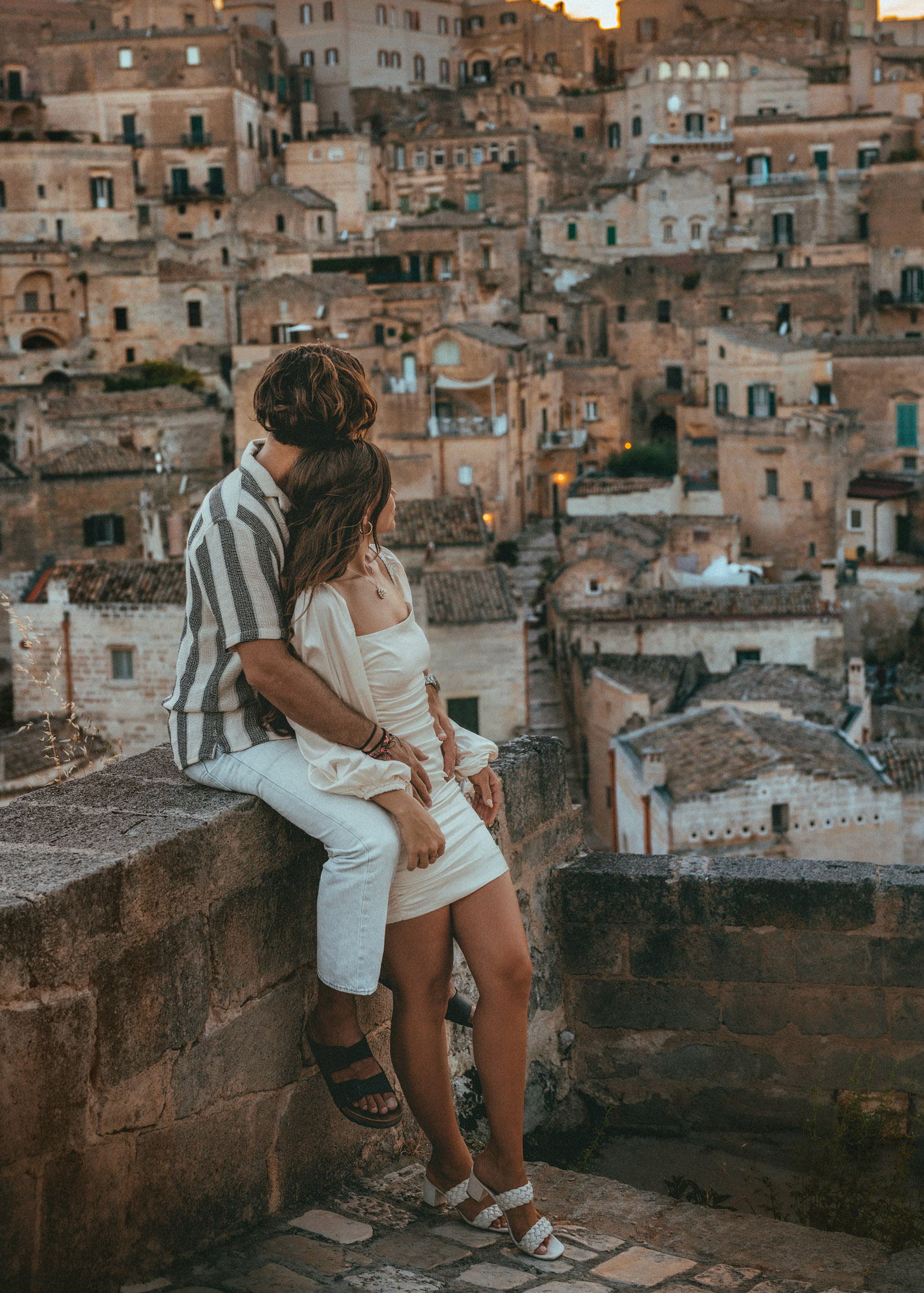
Spring and autumn can be appealing times to visit Italy for those planning long days of sightseeing in cities such as Rome and Florence. Milder weather conditions can make walking between museums, historic neighborhoods, and outdoor piazzas more comfortable, while these seasons work well for itineraries that include cities alongside countryside or coastal stops. Italy’s official tourism site also highlights spring and autumn as the best seasons for outdoor activities and exploring different regions.
Popular hotels, restaurants, and major attractions can still require advance reservations in May and October, so shoulder season shouldn’t be treated as automatically quiet. At the Uffizi Gallery, advance tickets are available and can reduce waiting time during busy periods.
Regional schedules also deserve a check when planning spring or autumn trips. Ferry services around the Bay of Naples operate year-round on major routes such as Naples to Capri and Ischia. Still, departure frequency and individual connections can change with the season. Checking current ferry and attraction schedules before finalizing day trips helps avoid building an itinerary around services that may run less frequently.
Why Timing Matters As Much As the Route Itself
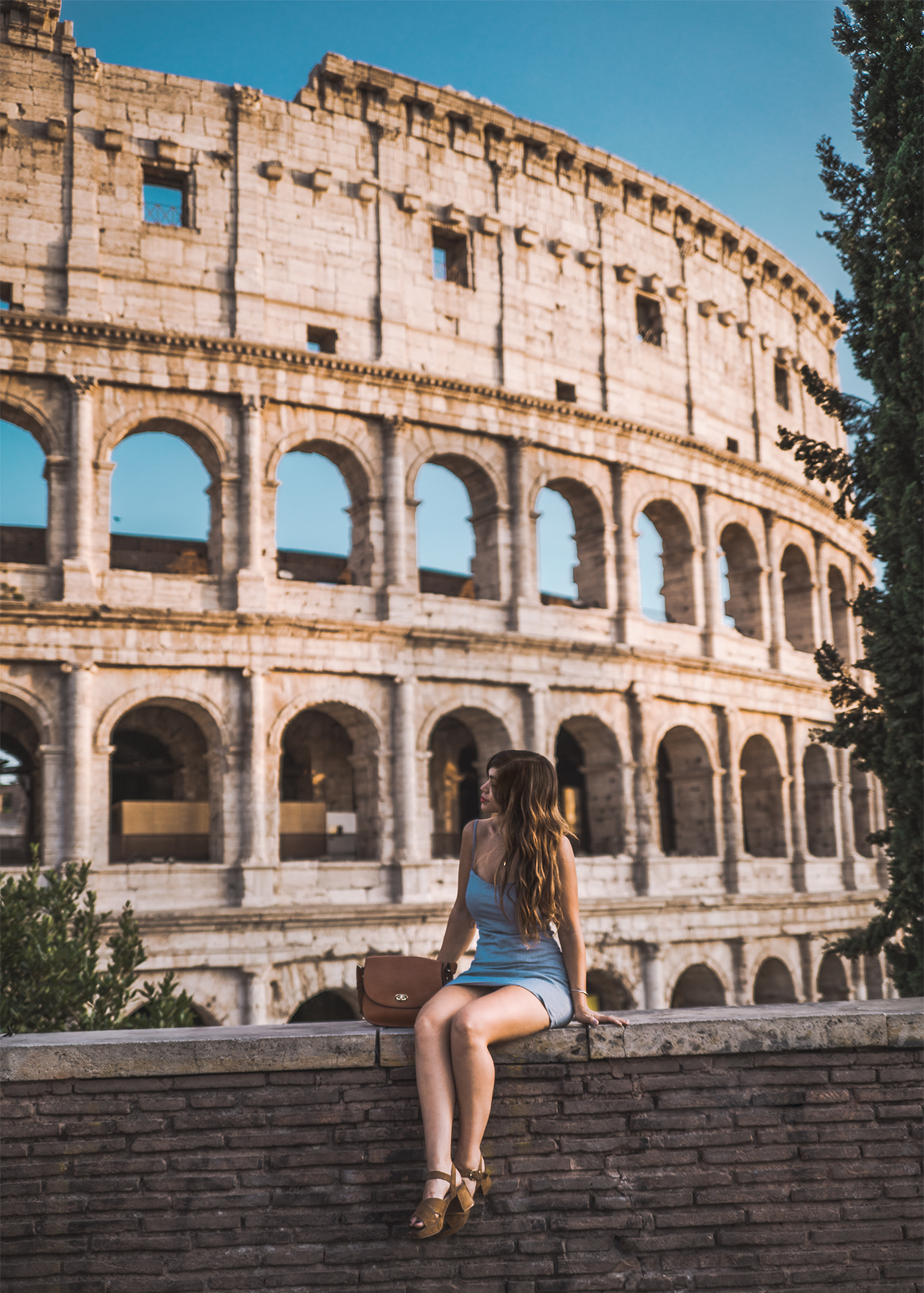
Designing an Italian itinerary involves more than drawing a straight line between cities on a map. Searching for the best places to stay in Italy can also help shape your route, particularly when popular cultural sites require timed-entry reservations well in advance. Leonardo da Vinci's The Last Supper in Milan, for example, requires booking, with tickets released through scheduled booking windows and limited additional tickets sometimes becoming available closer to the visit date.
Daily schedules can also affect how a day unfolds. Some independent shops and smaller businesses close for a lunchtime break before reopening later in the afternoon, although opening hours vary by region, season, and location.
Dining schedules are another consideration. Dinner service commonly begins around 7:30 PM and can continue until 11 PM, so restaurant reservations may sit later in the day than some first-time visitors expect. Planning museum visits, walking tours, and meals with these timings in mind can make a busy itinerary easier to manage.
What would you do differently in Italy?
Building an Italian itinerary comes down to matching regional transport and realistic daily timing with personal travel goals. Trying to fit five major cities into seven days can leave little time to explore each destination, while focusing on fewer regions creates more space for local food, neighborhoods, architecture, and day trips.
The best way to get around Italy depends on where the trip goes. A private transfer may be useful along the Amalfi Coast, while a rental car can make rural Tuscany easier to explore, and a longer stay in one part of Sicily reduces time spent moving between bases. Booking popular attractions in advance and checking local opening hours can also make each day easier to plan without overloading the itinerary, offloading any organizational stress and leaving the trip free to enjoy.