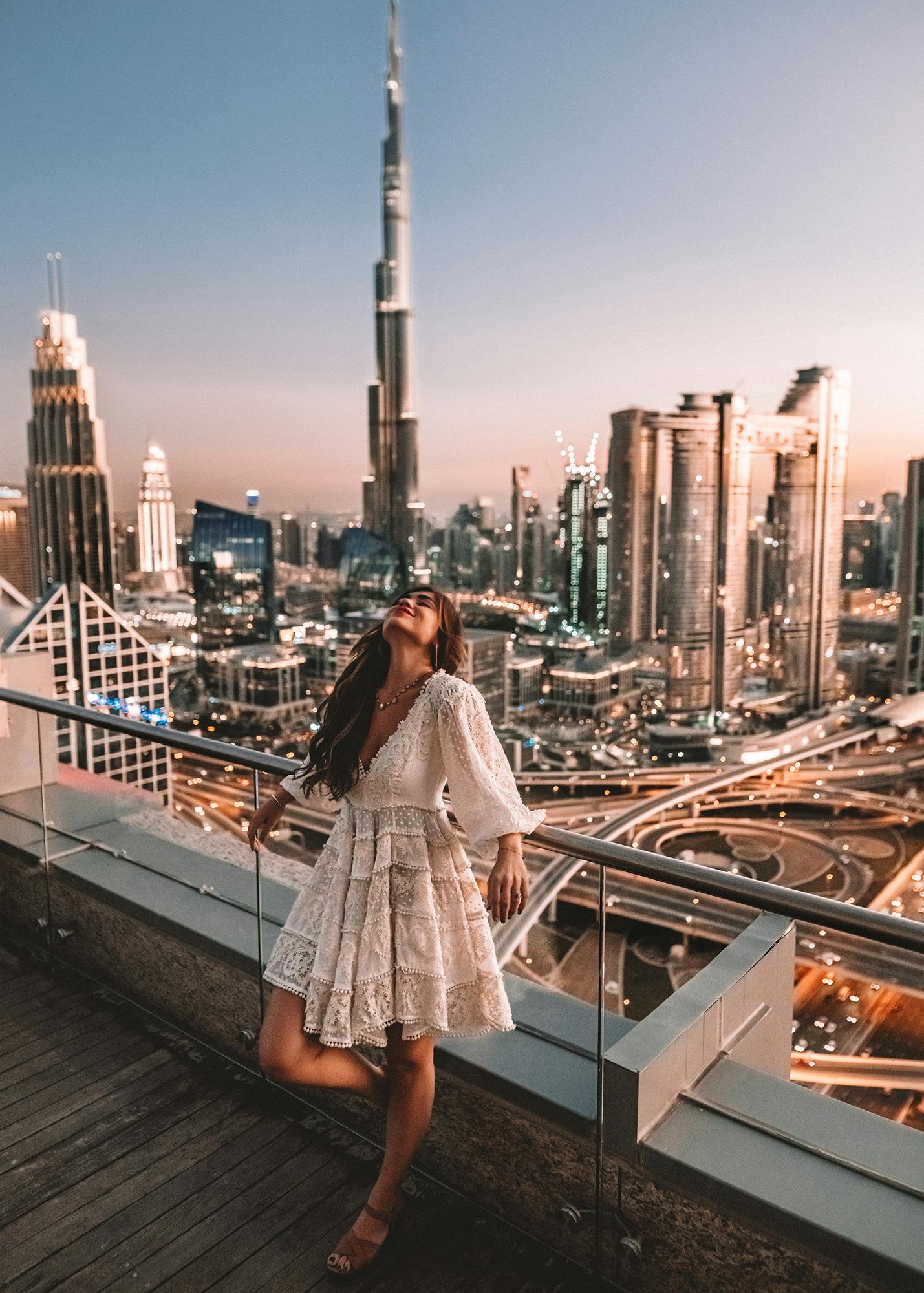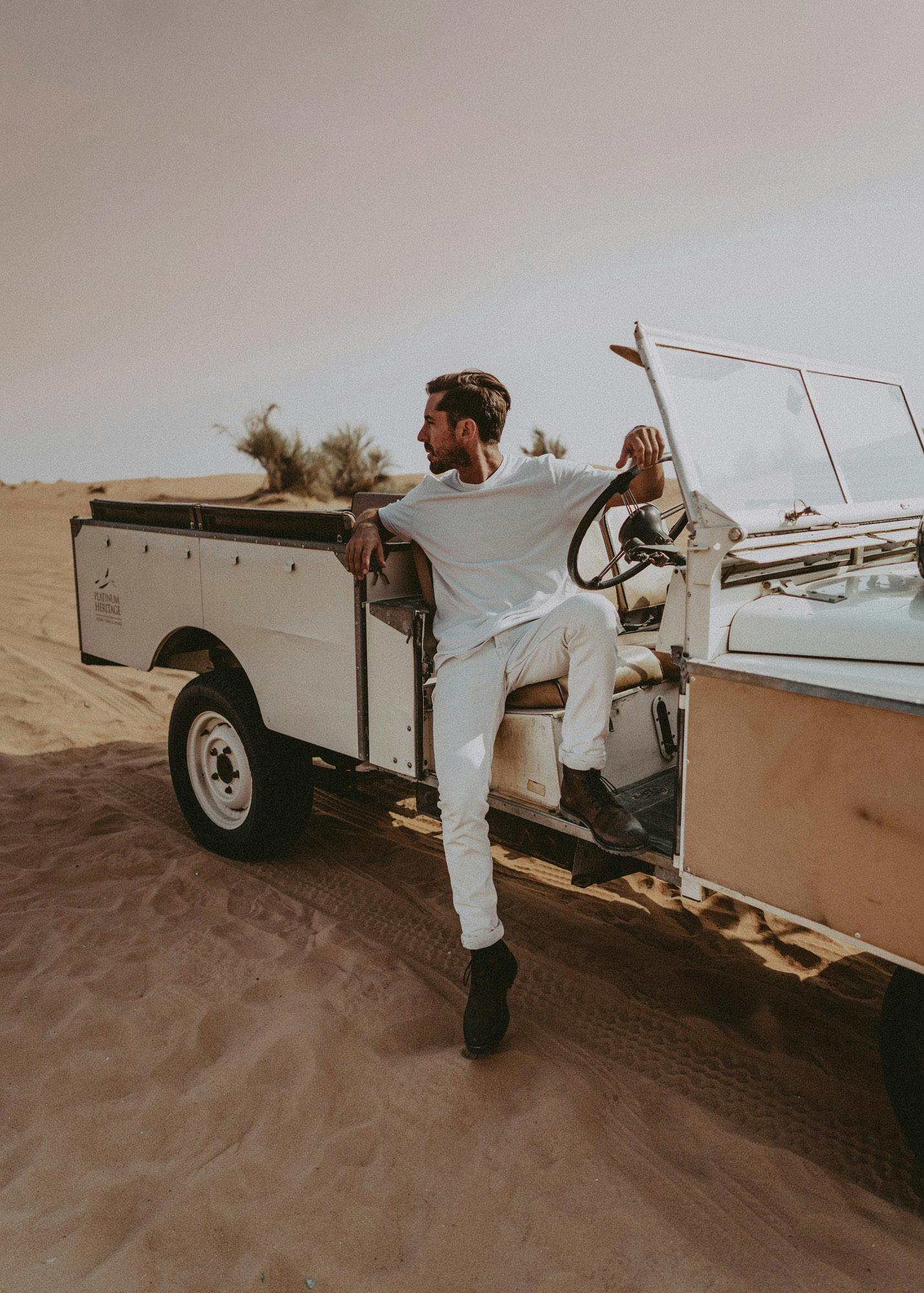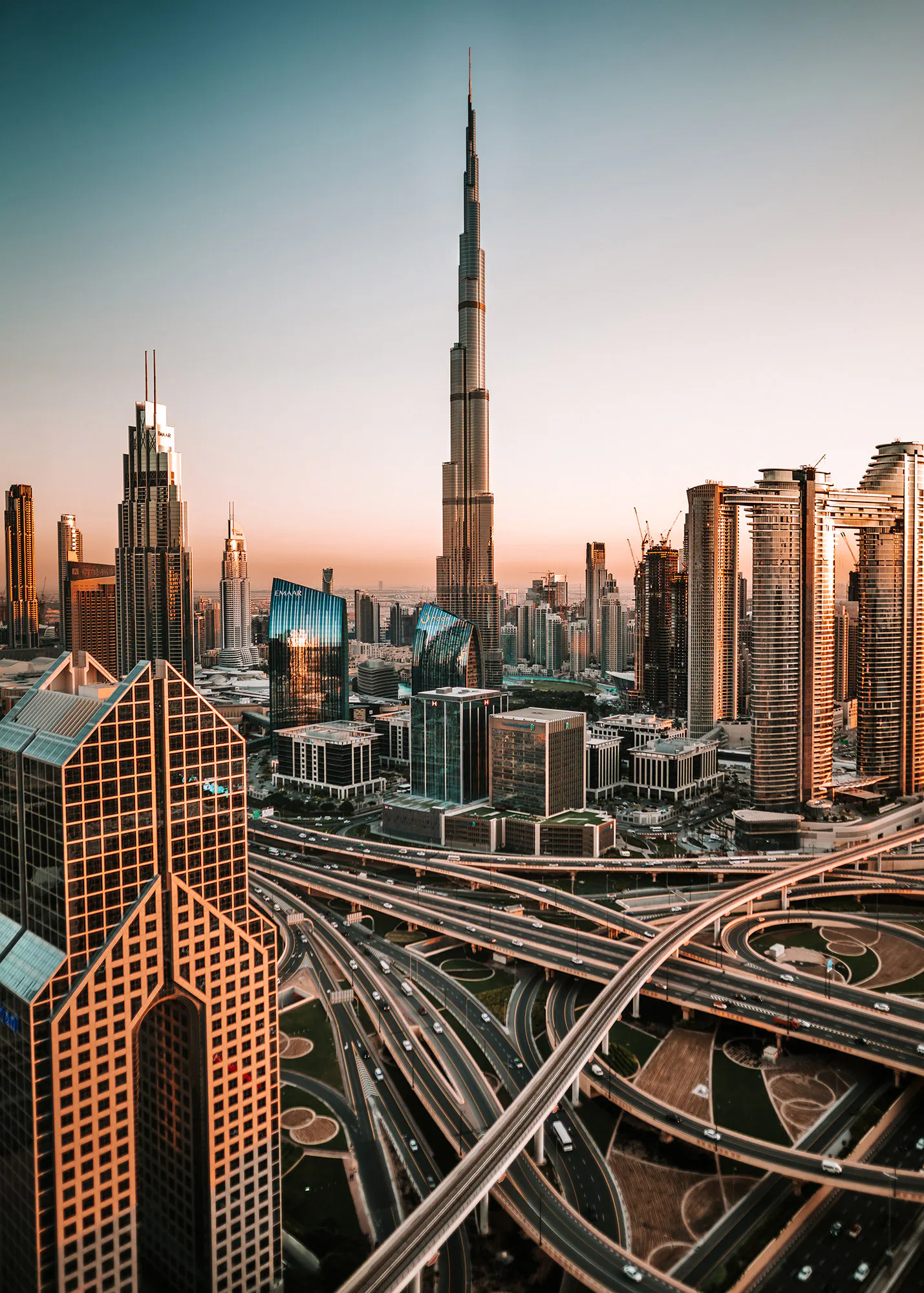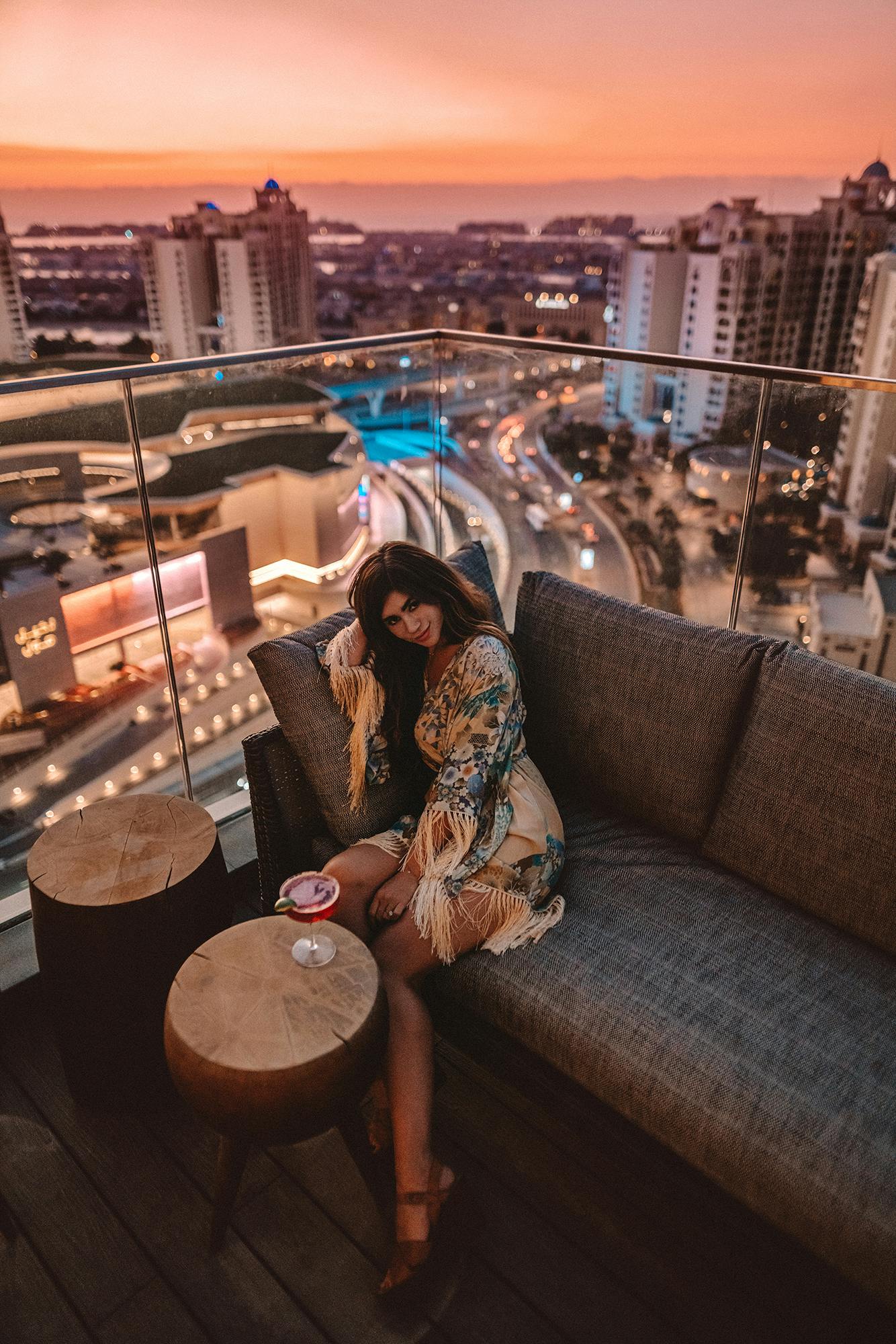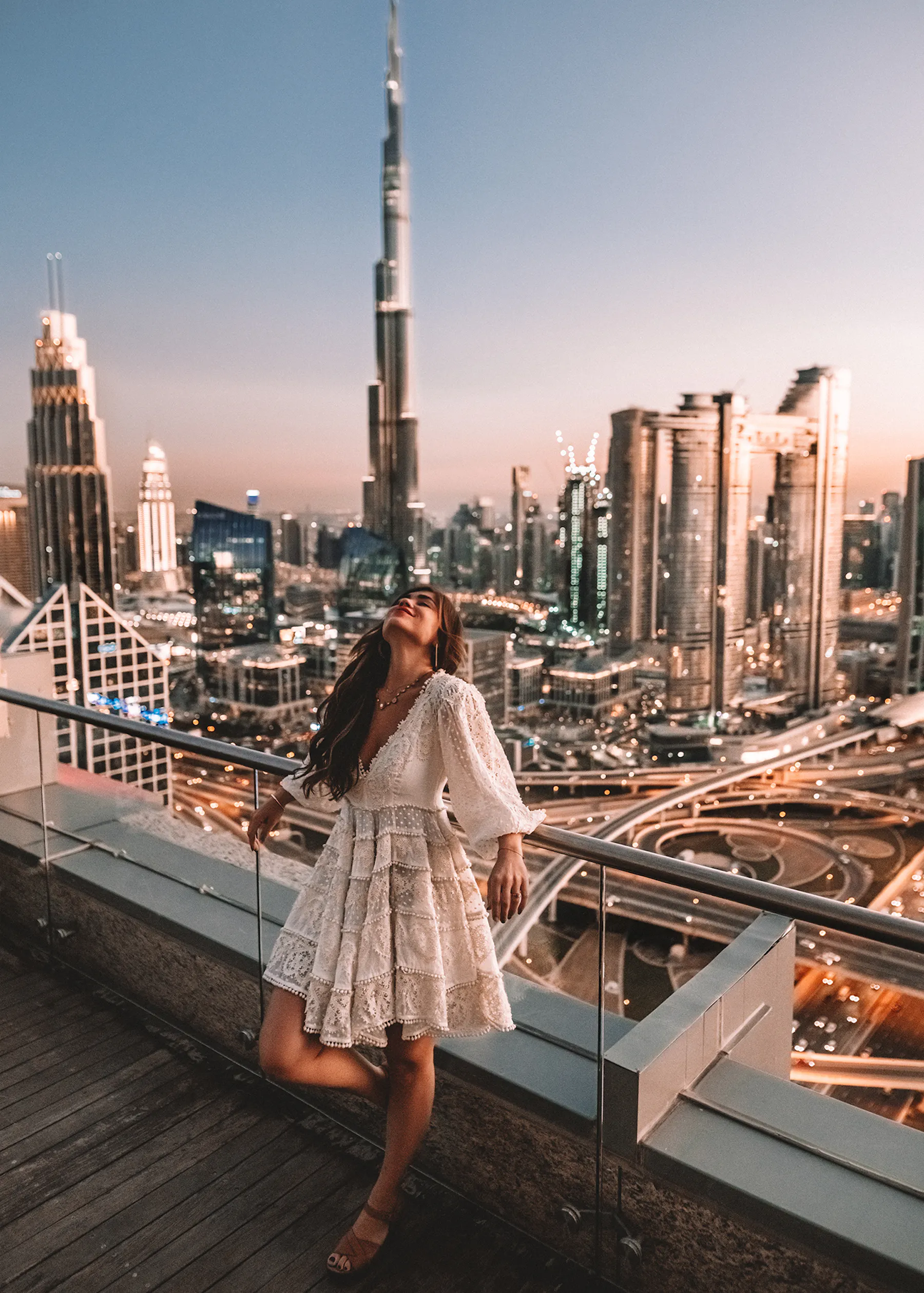
Some destinations speak softly of elegance and refinement. Others arrive with intensity and unmistakable swagger. Dubai belongs firmly in the latter category.
In 2026, the city attracted 21.2 million tourists, solidifying itself as a place that refuses to stand still in the global luxury travel landscape.
Luxury travel in 2026 is less about extravagance for its own sake and more about intention, emotion, and connection, with today's high-end travelers prioritizing meaningful experiences, cultural depth, personal wellbeing, and stories they can carry with them long after the journey ends.
Nowhere is that shift more visible than in a city that has built an entire economy around anticipating what affluent travelers want before they fully articulate it themselves.
Where Real Estate Becomes Experience
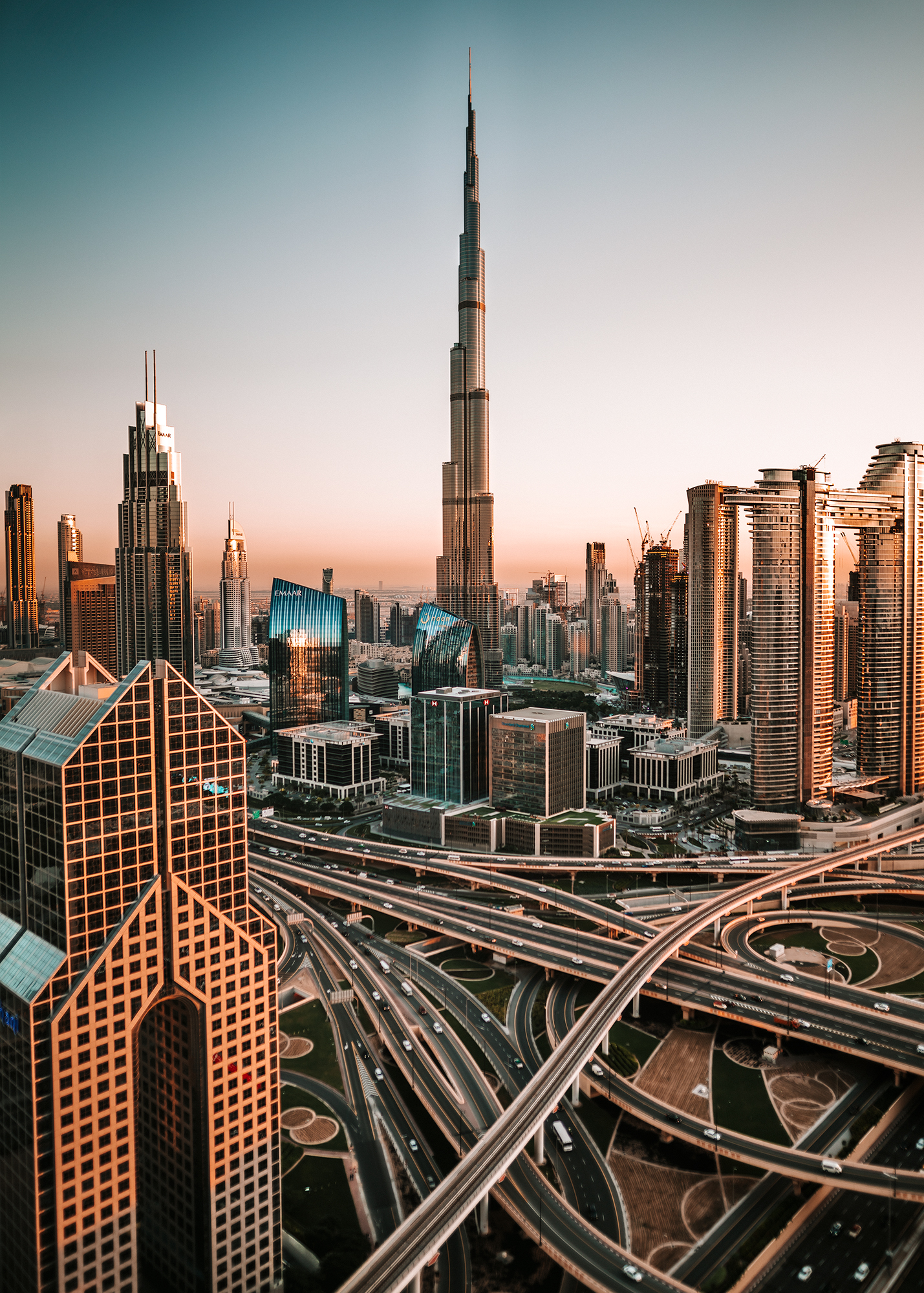
The physical infrastructure of luxury travel tells its own story.
Binghatti, one of the leading real estate developers in Dubai and the wider UAE, has built a reputation for innovative design, timely delivery, and premium living spaces, with properties that combine modern architecture, smart layouts, and flexible ownership options, ensuring both investors and end-users find unmatched value.
These developments span Business Bay, Jumeirah Village Circle, and waterfront zones, offering residences that blur the line between hotel service and private ownership.
For travelers exploring Dubai’s property market, the language has shifted from amenities to ecosystems.
Located across Dubai's most sought-after communities, Binghatti developments provide seamless connectivity, vibrant lifestyle amenities, and family-friendly environments.
It's a format that speaks to the evolving profile of affluent visitors who no longer want to simply pass through a place, but rather anchor themselves temporarily within its rhythms.
Luxury Travel spending globally is expected to reach around 1,443 billion euros in 2026, with experience now consistently outpacing product in traveler spending decisions.
High net worth individuals are now choosing to spend more on Luxury Experiences compared to spending on Luxury Products, redefining the very definition of Luxury, with experiential luxury shifting towards emotion and purpose-led moments and immersive bookings across dining, leisure, and entertainment sectors growing by 30% compared to 2025, driven by bespoke, slow-travel formats rooted in local culture.
The residential-hotel hybrid has become a critical component of that ecosystem, not a footnote.
Culinary Capital and Cultural Infrastructure
If architecture creates the stage, dining defines the performance.
Dubai's dining scene reflects its multicultural identity, with travelers able to explore traditional Emirati cuisine, vibrant street food and markets, and guided culinary tours through Old Dubai, recognized by Lonely Planet as a top global food experience for 2026, while the city is also home to an expanding collection of MICHELIN-starred and award-winning restaurants, appealing to both adventurous and refined palates.
Diners can sample menus from more than 30 Michelin Guide-listed restaurants, including a Michelin-starred venue, alongside offerings created by internationally renowned chefs
such as Nobu Matsuhisa, Gordon Ramsay, and Akira Back.
As of the 2025 Michelin Guide, there are 19 restaurants in Dubai with a Michelin star rating.
Two venues received three-star distinctions for the first time in 2025, including Trèsind Studio, marking a watershed moment for regional gastronomy.
Meanwhile, the city's relationship to its own heritage continues to deepen.
The Middle East, a region well known for its cultural and historical significance, has close to a hundred sites with Unesco World Heritage status.
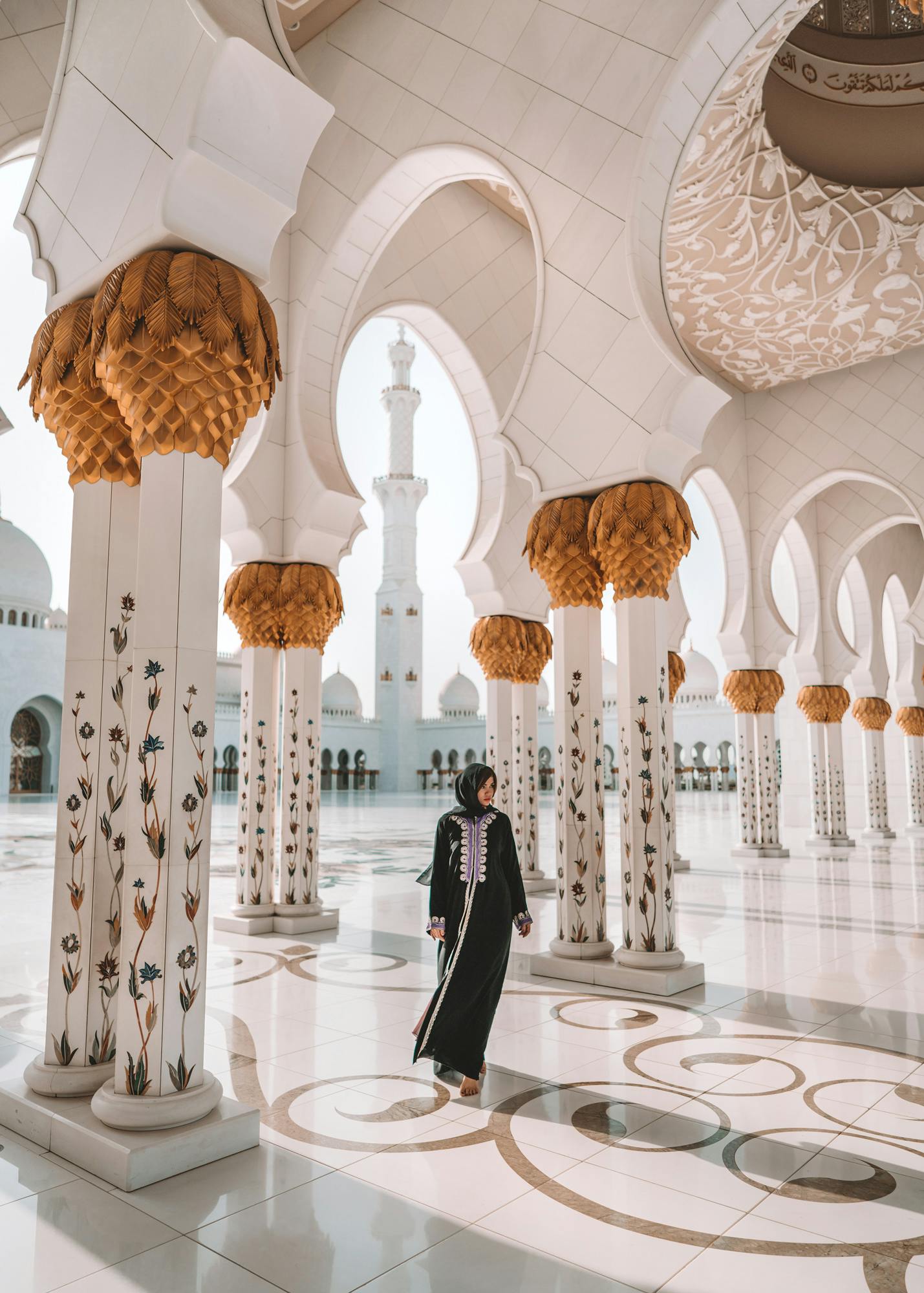
UNESCO sites across the UAE anchor a sense of historical context often overshadowed by the glass and steel. For travelers seeking balance, those touchpoints provide weight.
The blend of innovation and cultural substance also appears in public infrastructure.
The entertainment map of luxury travel is being redrawn by arenas built into resorts, conservation-framed itineraries, and technology that behaves like architecture.
Dubai leans into this convergence without apology.
The Recalibration of Expectations
Luxury, at its core, is about control over variables.
Dubai marks a real shift in 2026, as the city is no longer simply competing with established luxury destinations but has started redefining what ultra-premium travel actually looks like.
That includes floating hotels, blockchain-powered hospitality platforms, and wellness programming grounded in longevity science rather than surface-level spa offerings.
Among Top-1% travelers, 34% are planning a trip primarily for health and wellness in the next 12 months, up from 23% in 2019.
The city has responded with targeted infrastructure, from cryotherapy chambers in five-star resorts to desert conservation programming rooted in regional biodiversity research. It's wellness framed less as pampering and more as recalibration, a distinction high-net-worth travelers increasingly demand.
Unique travel experiences for remote escapes have become a key differentiator across global markets. Dubai's advantage lies not in quietness, but in operational precision.
A government-backed blockchain distribution platform now coordinates hotel and tour operator services, removing the friction from bespoke itinerary management, with what once required weeks of advance coordination, same-day private experience customization, now increasingly handled automatically.
What Drives the Momentum
The numbers behind the narrative are striking.
In early 2026, January alone recorded 1.99 million visitors, a 2.8% rise.
Dubai consistently ranks among the top 5 most visited cities globally.
But volume alone does not explain trajectory.
The global luxury travel market size was valued at USD 1.59 trillion in 2025 and is expected to reach USD 3.04 trillion by 2033, growing at a CAGR of 8.5% from 2026 to 2033.
Within that expansion, Dubai captures a disproportionate share of attention from the 41–60 age demographic, while simultaneously courting millennial and Gen Z travelers through formats that prioritize social documentation and instant gratification.
The city's willingness to prototype at scale creates a feedback loop.
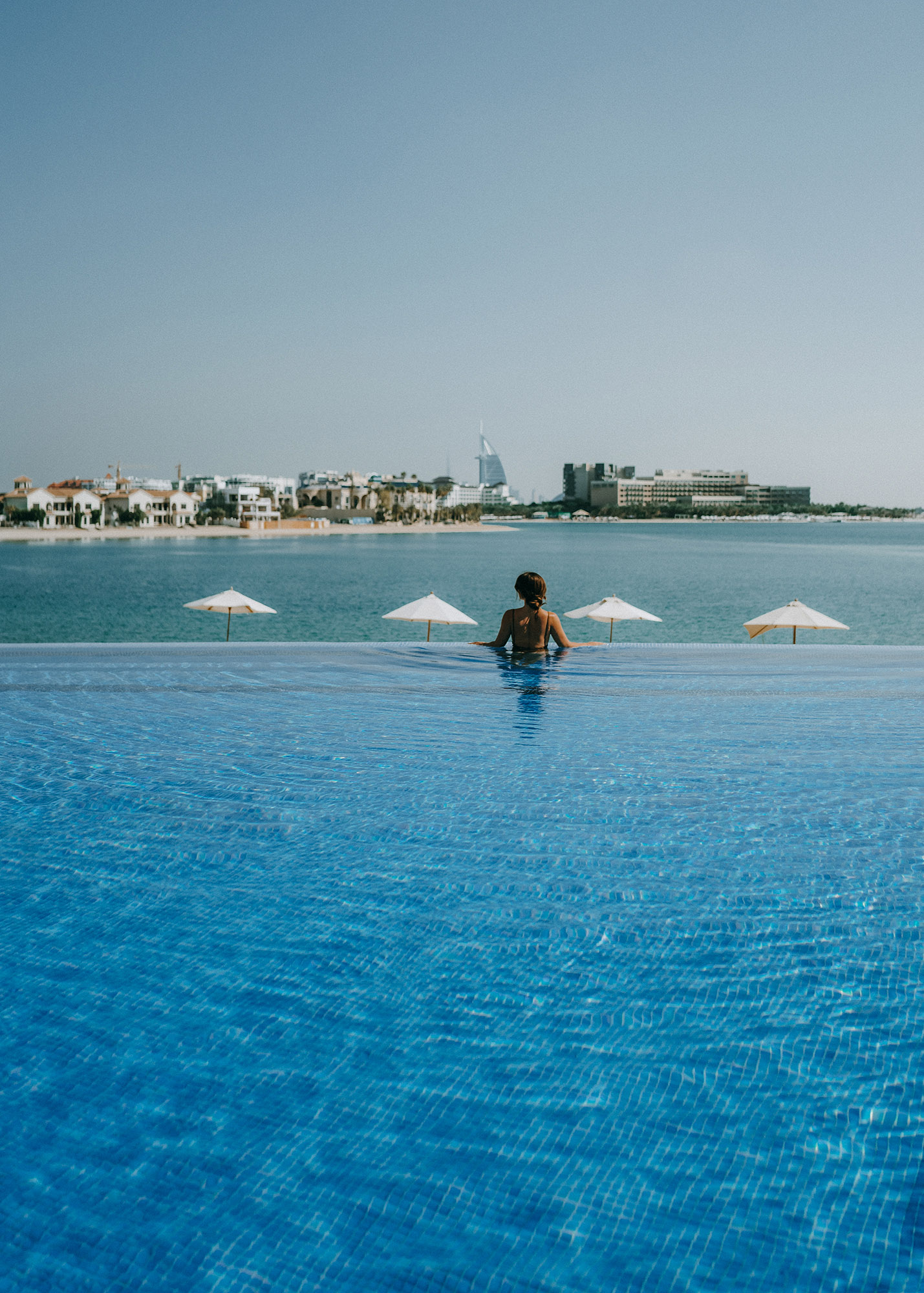
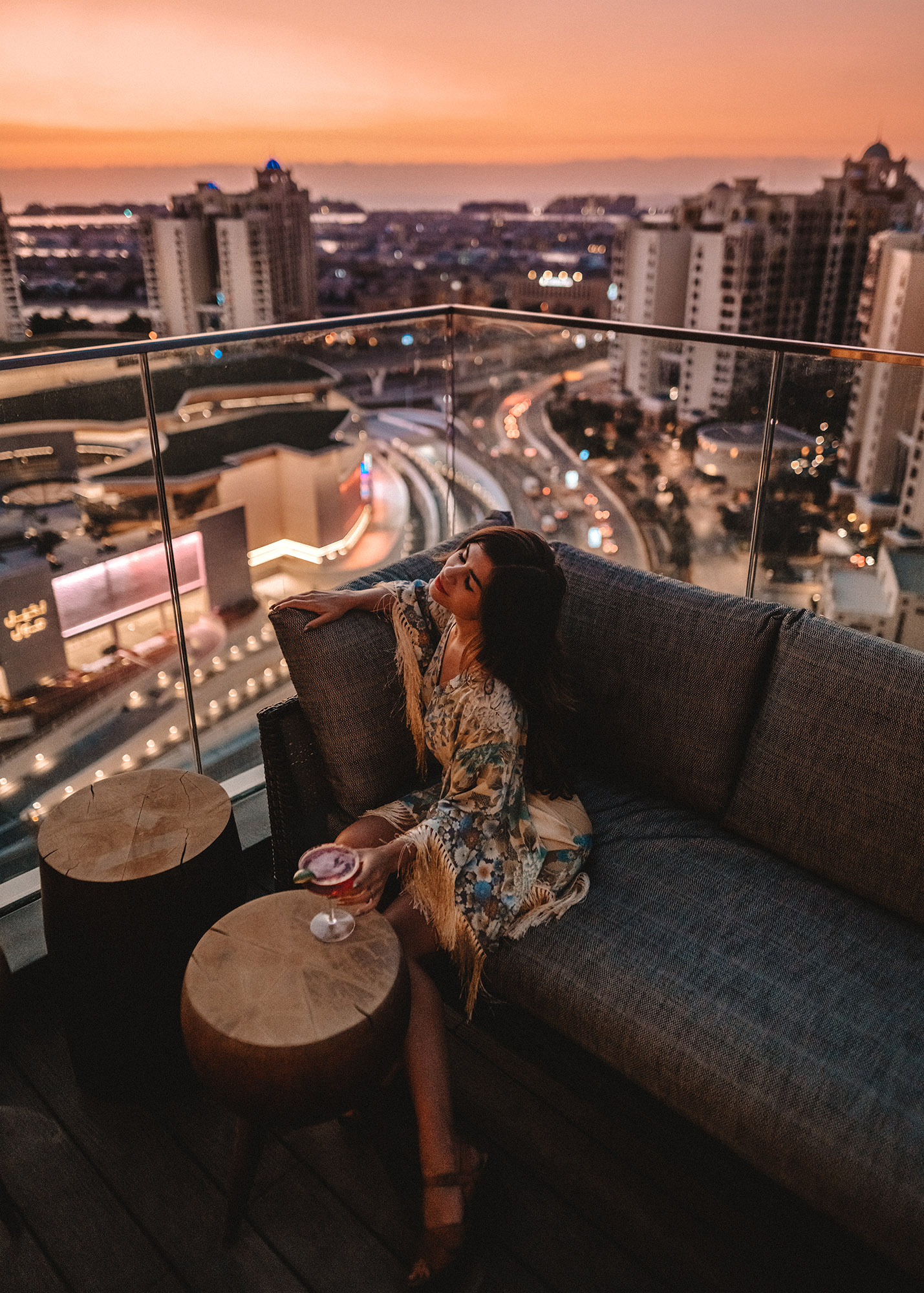
Dubai stands out as a destination uniquely equipped to deliver this evolution of travel, balancing innovation with heritage, indulgence with mindfulness, and urban energy with moments of stillness.
Infrastructure planning reflects forward momentum.
Dubai International Airport retained its position as the world's busiest airport for international passengers, serving 70.1 million guests in the first nine months of 2025.
Connectivity remains foundational, but so does curation. The city continues investing in programming that layers depth onto spectacle, from heritage districts to design-led retail corridors that function as experiential galleries.
The Verdict on Dubai's Place in the Luxury Ecosystem
Is Dubai the most refined luxury destination in the world? Not by classical measures. It lacks the centuries-old patina of European capitals and the understated restraint favored in Scandinavian design circles. What it offers instead is a hyper-modern interpretation of what luxury can mean when resources, ambition, and market demand converge without apology.
The city functions as a living laboratory for hospitality innovation, where ideas are stress-tested against a rotating cast of the world's most demanding travelers. Some experiments fail. Many succeed. All leave behind data that informs the next iteration.
For those seeking polish without pretense, Dubai remains polarizing. For those chasing scale, spectacle, and seamless execution, it has become essential.
The conversation is no longer whether Dubai belongs in the luxury travel discussion. It's whether other destinations can match the velocity at which it evolves.