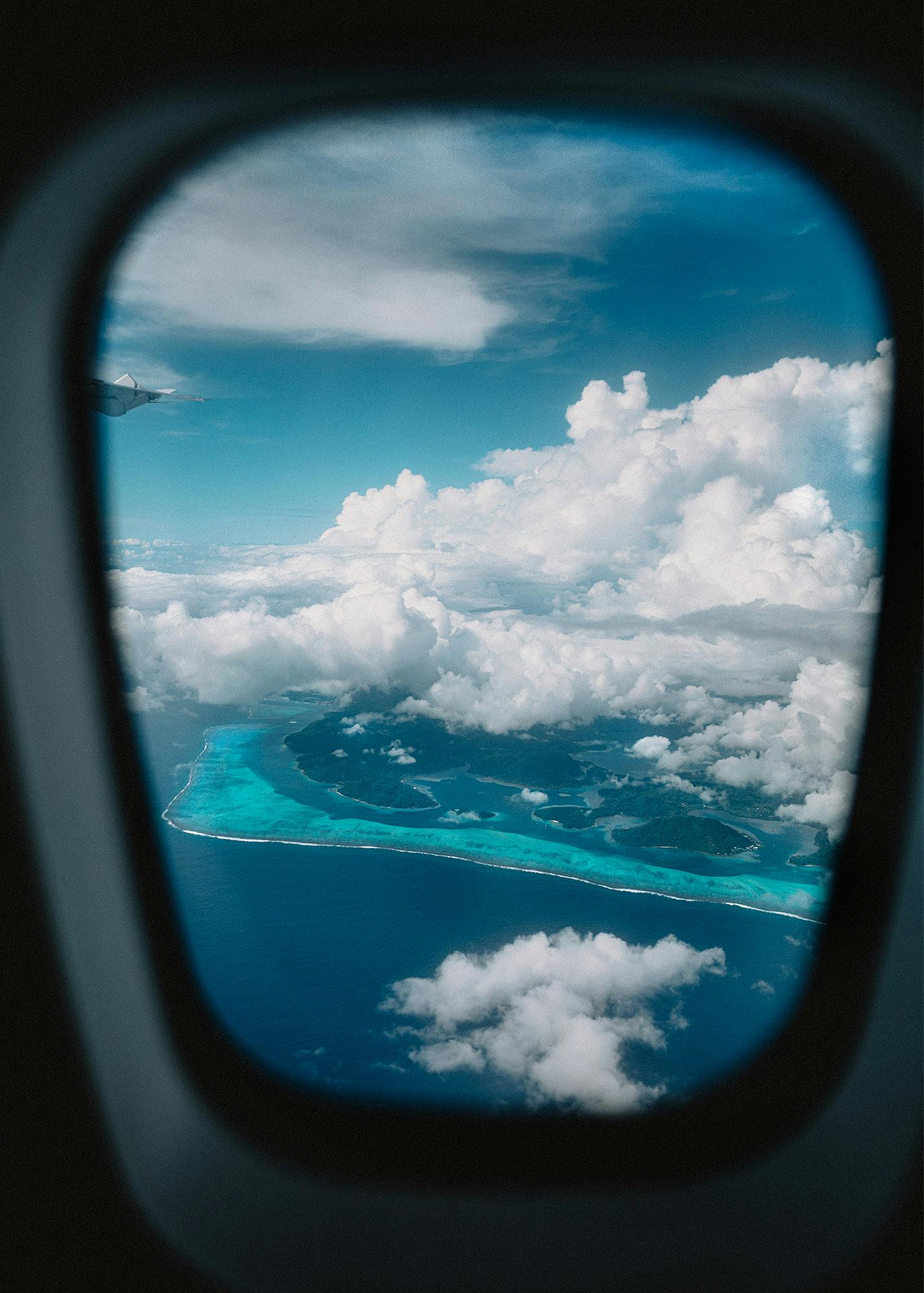
There was a time when packing felt straightforward: clothes, toiletries, chargers, and passport, and Done.
But somewhere between a week-long hike through the Pacific Northwest and a spontaneous three-day detour through rural Mexico, I learned that the trips you remember aren't always the ones that go exactly to plan. The real test of smart travel isn't just knowing where you're going, it's being ready for what happens when plans shift or something unexpected lands in your path.
After years of constant movement across continents, time zones, and climates, I've stripped my packing routine down to essentials that genuinely matter. Most of them live permanently in my carry-on now. But one bag in particular has earned permanent real estate in my suitcase, and I won't board a plane, train, or long-haul road trip without it anymore.
Why One Compact Bag Changed Everything
I started carrying a small, well-stocked travel medical kit about three years ago after a minor ankle sprain in Iceland turned into a logistical headache. No pharmacy nearby. No ice. No backup plan.
What should have been a quick fix became an entire afternoon of scrambling through a small village trying to communicate my needs in broken Icelandic while my travel companion Googled the Icelandic word for ibuprofen.
That moment made it clear that being prepared isn't about paranoia or over-planning. It's about maintaining momentum when small problems pop up.
A first aid kit – or in my case, it’s more of a “car go bag” – is a collection of supplies that can reduce health risks until professional medical attention is available, and the CDC recommends families have emergency kits that include both first aid and nonmedical supplies.
What I've learned is that travelers face the same principle, just on a compressed timeline and often in unfamiliar environments.
U.S. citizens traveling abroad face risks that may not be prevalent domestically, including sanitation issues, traffic accidents, vector-borne disease, injury from adventure tourism, and exposure to unfamiliar climates.
That awareness completely reframed how I pack. I used to assume I could just find a pharmacy or clinic wherever I landed. But in remote areas, during late-night arrivals, or in places where language barriers create friction, having even a handful of basics makes an enormous difference.
My kit isn't elaborate. It fits inside a small zippered pouch about the size of a paperback novel. Inside: adhesive bandages in multiple sizes, antiseptic wipes, a small tube of antibiotic ointment, a digital thermometer, pain relievers, anti-nausea tablets, blister treatments, tweezers, medical tape, and a few alcohol prep pads. I also keep a printed list of my emergency contacts and any medication allergies folded into the front pocket.
I've used something from that bag on nearly every trip since I started carrying it. Blisters from a full day of walking cobblestone streets in Portugal. A headache that hit mid-flight over the Atlantic. A minor kitchen burn at an Airbnb in Thailand. A scraped knee after tripping on uneven pavement in Rome. None of these were emergencies, but all of them would have been more disruptive, more uncomfortable, and more stressful without immediate access to the right supplies.
What Actually Belongs Inside
Building a travel medical kit is less about stuffing in every possible item and more about understanding what you're most likely to need based on how and where you travel.
The CDC advises travelers to prepare a travel health kit with items that may be difficult to find at their destination, and that guidance has shaped how I think about every item I include.
Start with the basics that address the most common travel issues. Cuts, scrapes, blisters, headaches, upset stomachs, and minor sprains cover the majority of situations most travelers encounter.
Pain relievers like ibuprofen or acetaminophen are essential. Anti-diarrheal medication and oral rehydration salts are critical if you're traveling to regions where water quality varies. Motion sickness tablets are worth carrying if you'll be on boats, winding mountain roads, or small aircraft.
Studies show that 79% of international travelers report illness during or after trips, with 69% experiencing travelers' diarrhea, and 18% taking antimicrobials. Those numbers highlight why digestive health supplies matter so much in a travel kit. I also keep a small pack of electrolyte powder that I can mix into bottled water. It's saved me more than once after long, hot days spent hiking or exploring cities in intense heat.
Blister prevention and treatment is another area I don't compromise on. Moleskin or specialized blister bandages can mean the difference between finishing a full day of sightseeing or limping back to your hotel by noon.
Tweezers are useful for removing splinters, ticks, or debris from minor wounds. A small roll of medical tape and a few gauze pads can secure larger bandages or protect an area that needs extra coverage.
I also include a few items tailored to my personal health needs. If you take prescription medications, carry extra doses in case of travel delays. If you have allergies, an antihistamine is a must. A digital thermometer is compact and helps you assess whether symptoms warrant medical attention. Some travelers add insect repellent, sunscreen, or altitude sickness medication depending on their destination.

How This Habit Shapes Every Trip
The real value of carrying a travel medical kit isn't just the physical supplies. It's the mindset shift. When you're prepared for minor disruptions, you stop seeing them as crises and start treating them as manageable inconveniences. That shift in perspective changes how you move through the world.
I've watched other travelers lose entire afternoons searching for pharmacies in unfamiliar cities, trying to explain symptoms in another language, or waiting in clinics for minor issues that could have been handled with supplies from a small bag. Meanwhile, I've been able to keep moving, adjust quickly, and get back to enjoying the experience I came for.
Packing smart extends far beyond clothing and toiletries. The gear that earns space in my luggage is the gear that solves problems before they derail the day. A compact first aid kit checks that box every single time.
Travel has also taught me that preparedness reduces stress in ways that go beyond the practical. Knowing I have what I need creates a baseline sense of security that lets me take more risks, explore more freely, and say yes to spontaneous detours without second-guessing whether I'm equipped to handle what might come next.
I've handed out bandages to fellow travelers with blisters. I've shared pain relievers with friends dealing with altitude headaches in the Andes. I've used antiseptic wipes to clean a scraped elbow for a stranger's kid who took a tumble on a hiking trail. That bag has become a tool not just for my own preparedness, but for showing up as a more helpful, more resourceful travel companion.
Why It Feels Non-Negotiable Now
Looking back at how I used to pack, I'm struck by how much I left to chance. I operated under the assumption that everything would go smoothly, that I'd always have access to what I needed, and that minor problems would somehow resolve themselves. That mindset worked until it didn't, and then I was left scrambling.
Now, my travel medical kit is as automatic as my passport. It's one of the first things I pack, and it stays in my carry-on so I'm never separated from it during flights or long drives. The investment is minimal, the space it occupies is negligible, and the peace of mind it provides is enormous.
Transportation safety data reminds us that while travel is statistically safe, unexpected situations still occur. Being prepared doesn't mean expecting the worst. It means acknowledging that small disruptions happen, and choosing to equip yourself so they don't become bigger problems than they need to be.
If you're reading this and thinking about whether you need a travel medical kit, the answer is simple: you do. Not because something will definitely go wrong, but because when something does, you'll be incredibly grateful you thought ahead. Emergency preparedness resources exist for a reason, and applying that same logic to travel just makes sense.
The one bag I never travel without anymore isn't glamorous. It doesn't photograph well for Instagram. But it's the bag that's quietly shaped how I move through the world, making every trip smoother, safer, and more confident. That's worth more than any souvenir I could bring home.