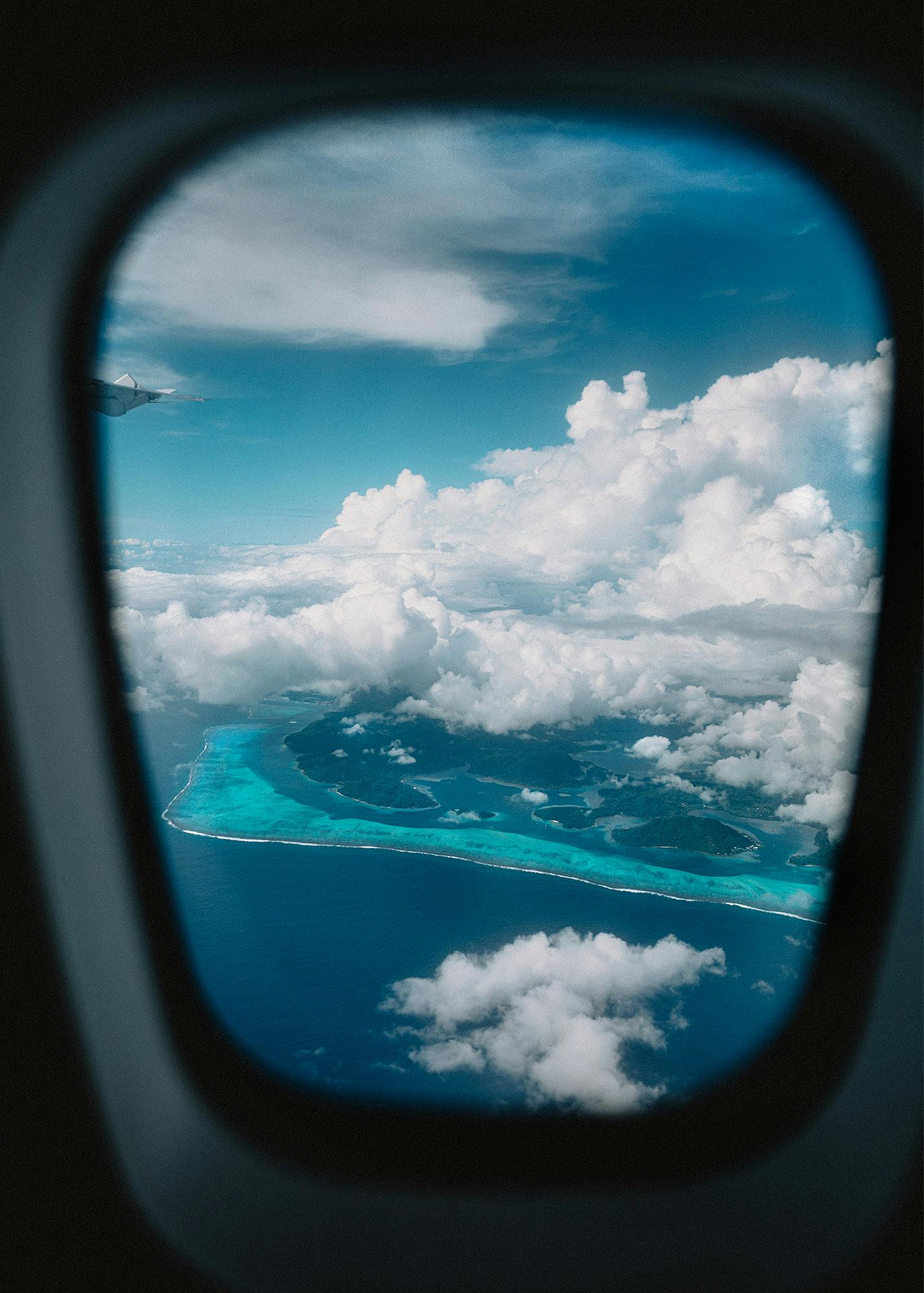
The first time I went to Gozo, I did it by bus, and I'm still slightly annoyed about it.
The plan was simple enough. Ferry over from Ċirkewwa, bus to the Citadella, bus to Dwejra, bus to the salt pans, ferry home. What actually happened was I saw the Citadella, waited 50 minutes for a bus that the app swore was coming, gave up, ate a sad sandwich near the terminus in Victoria and got the ferry back having seen about a third of what I'd planned. Gozo's buses all route through Victoria in the middle of the island, so every journey between coastal spots means going back into town first. Nobody tells you this until you're standing at the stop watching the timetable become fiction.
So when people ask me if Gozo tours are worth it, and they ask a lot, my answer starts from that afternoon.
What you're actually choosing between
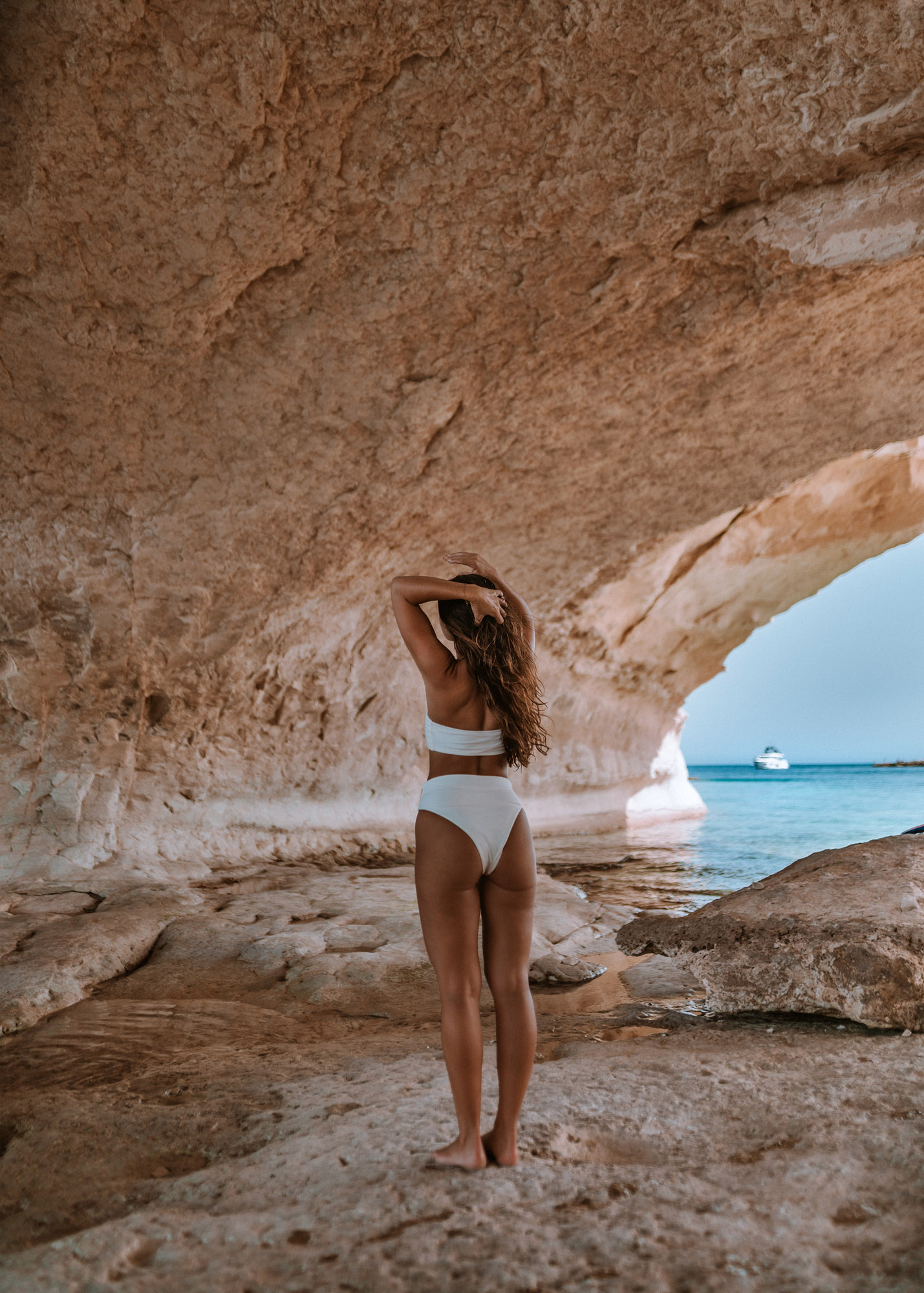
There are more tour types than you'd expect for an island this size, and they're different enough that "a Gozo tour" barely means anything until you narrow it down.
Tuk-tuk tours are the chauffeured option. You sit in a brightly coloured three-wheeler that seats up to six, the driver does the driving and the commentary, and you look at things. Good for families, good for anyone who doesn't drive, good if you want to actually watch the scenery instead of the track in front of you. The commentary is usually available in a handful of languages depending on who's driving that day.
Quad bike tours are self-driven. You're on a proper 570cc machine following a guide in convoy, and if there are two of you on one quad you can swap drivers during the day, as long as you're both over 21 with a full license. This is the adventurous end of the spectrum and, having done it, more fun than it has any right to be.
Jeep and UTV tours split the difference. Off-road access, someone else driving, more comfortable seats. Suits older visitors and anyone who wants the rough terrain without being responsible for it. Buggy tours are similar in spirit, slightly different machine.
And then there are boat trips, which skip Gozo's interior entirely and do Comino, the Blue Lagoon and the sea caves instead. That's honestly a different holiday, and I'll come back to it separately, because whether a boat trip is worth it is a different question with a different answer.
The land tours mostly run about seven hours and hit similar stops. Lunch included, usually a Gozitan spread with local bread and cheese and olives. Then a boat back past Comino with a swim stop if it's summer. You're looking at €80-120 per person for the group tours. Private ones with your own chauffeur go well past €200, which is a lot, but some people want a day built entirely around them and fair enough.
What the stops are actually like
Since most tours cover broadly the same circuit, it's worth knowing what you're actually signing up to see, because the brochure photos don't tell you much.
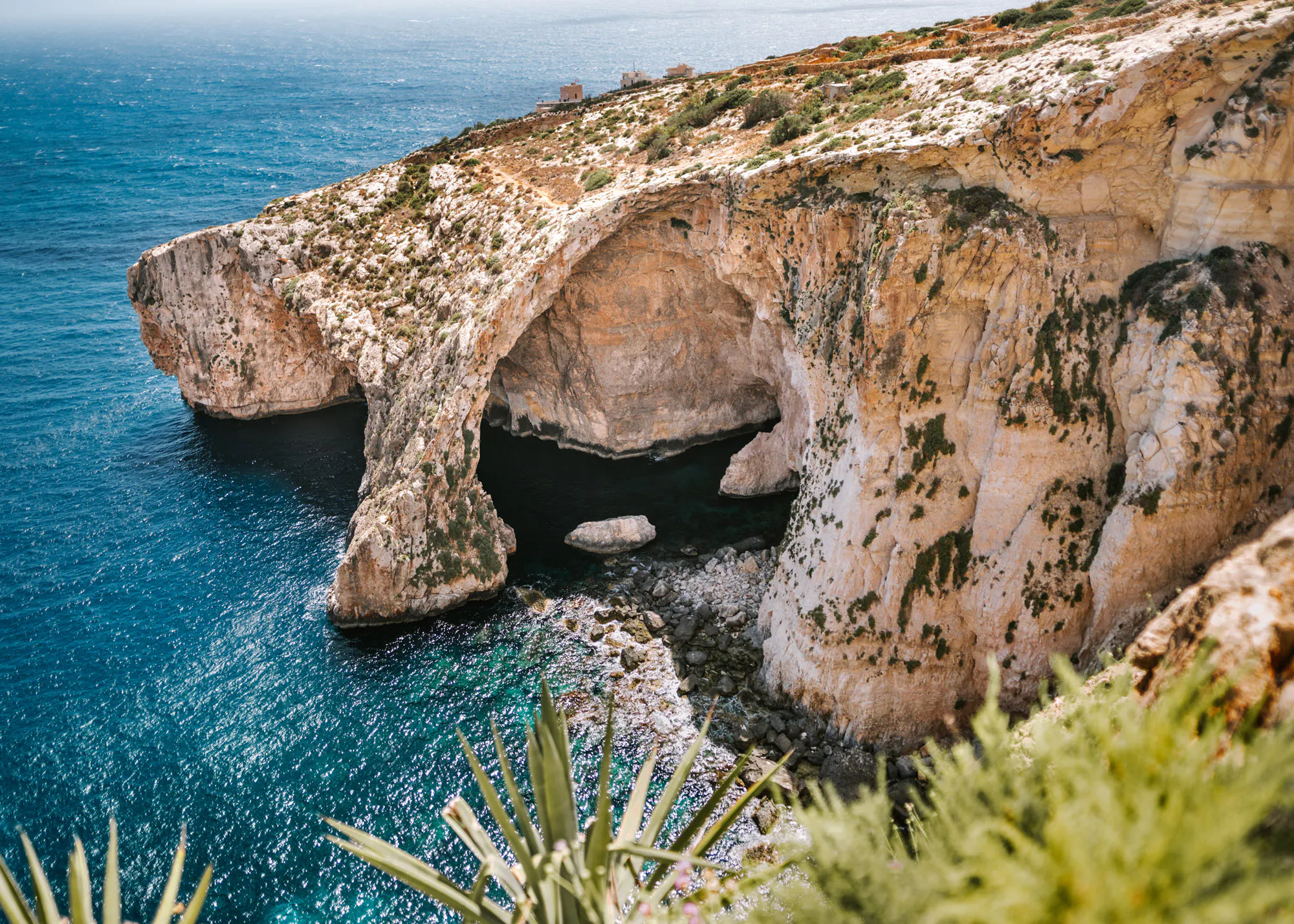
Dwejra Bay is the headline stop on the west coast, and it earns it. The famous Azure Window collapsed into the sea in a 2017 storm, which people still mention with genuine sadness, but the bay is dramatic without it. The Inland Sea is here, a lagoon separated from the open Mediterranean by a cliff with a natural tunnel through it, and local boatmen run trips through the tunnel for about €4 in cash. If your tour stops long enough, do it. The boat goes through the dark of the tunnel and comes out under cliffs on the open sea, and the water color out there is absurd. Fungus Rock sits at the mouth of the bay, a lump of rock the Knights of St John once guarded so seriously that landing on it was punishable by death, because of a plant growing on top that they believed had medicinal powers. The plant, for what it's worth, doesn't.
The Xwejni salt pans on the north coast are a chessboard of shallow rock pools cut into the coastline, still worked by hand between May and September by a local family who sell the salt from a tiny shop nearby. Bags start around €2.50, and it's still one of the better souvenirs I've bought anywhere, in the sense that people actually use it rather than putting it in a drawer.
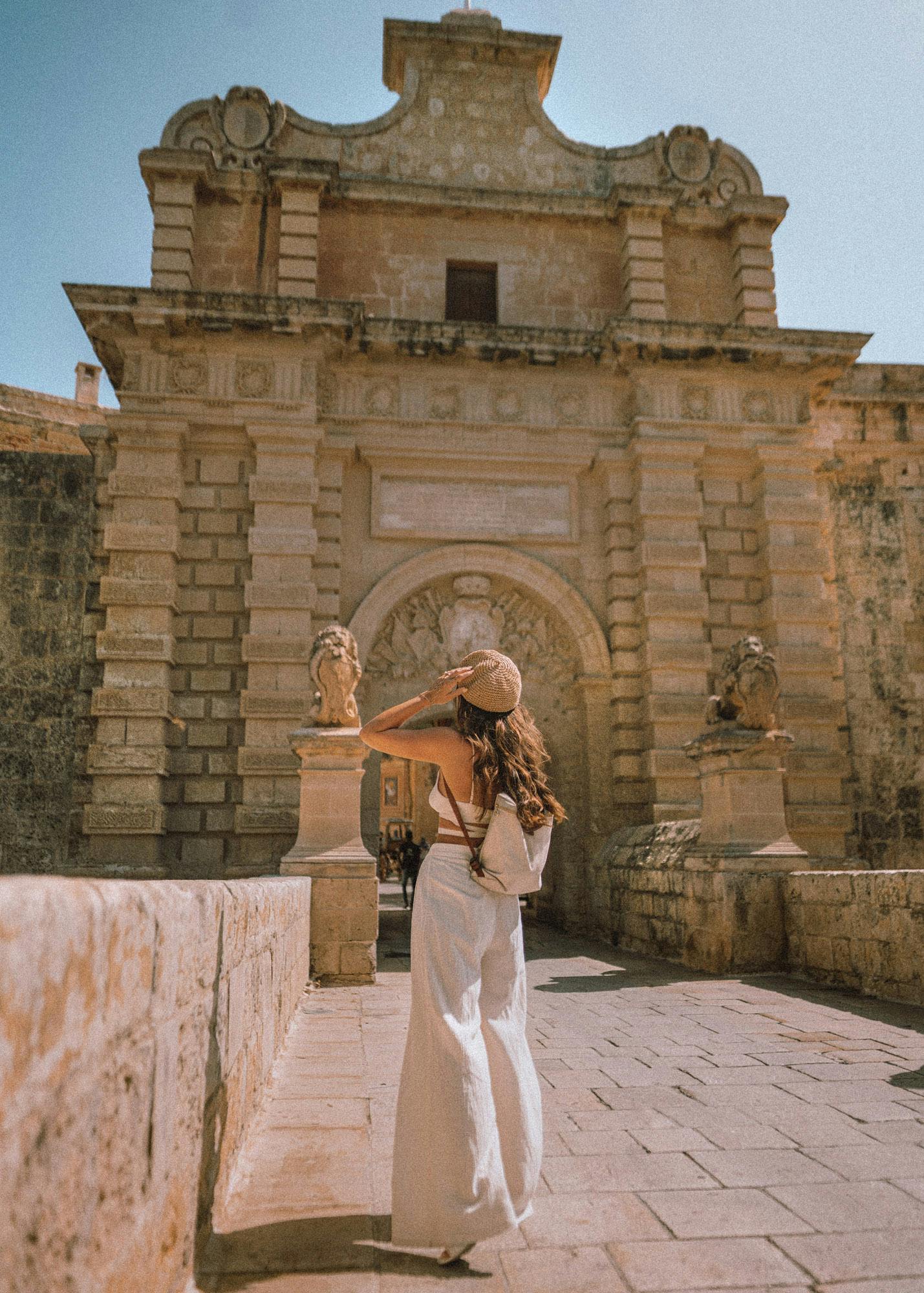
The Citadella in Victoria is the fortified old city on the hill in the middle of the island, and the views from the bastions cover practically the whole of Gozo. Entry to the Citadella itself is free. Inside, the cathedral has a party trick: the dome you see on the ceiling isn't a dome. The painter ran out of money before one could be built, so he painted a flat ceiling to look like one, and it fools nearly everyone until they read the sign.
Ġgantija usually isn't on the standard circuit, but some tours offer it as an add-on, and if yours does, take it. The temple complex in Xagħra dates to around 3600 BC. That's older than the pyramids, older than Stonehenge, and standing in front of 50-ton limestone blocks placed by people with no metal tools and no wheel does something to your sense of scale. Entry is €10 if you're paying separately.
Beyond those, tours variously stop at Xlendi (a small fishing bay with restaurants around the water), Marsalforn (bigger resort town on the north coast), the Sanap Cliffs near Munxar, the viewpoint over Ramla Bay with its odd reddish-gold sand, and Tal-Mixta Cave above it, which frames the beach through the cave mouth and is one of the best photo spots on the island.
The day I did the quad tour
Second visit, I booked a quad tour, partly out of stubbornness about the bus thing.
Completely different day. We got picked up from the accommodation in the morning, crossed on a private boat (no ferry queue, which in July matters more than you'd think), and spent the day following a guide down tracks I would never have found alone. That's the bit that stuck with me. Not the big sites, which you can find on any map, but the back roads. There's a stretch along the north coast between the salt pans and Wied il-Għasri that I have never seen mentioned in any guide, and we rode straight along it with the sea about four meters to the right and nobody else in sight.
The stops were roughly what I'd tried and failed to do by bus, except we actually got to all of them. Dwejra in the late morning before the biggest crowds. The salt pans with time to walk along them properly. Lunch appeared at the right time without me thinking about it. The Comino swim stop on the way home was twenty minutes of floating in ridiculous turquoise water while someone else worried about the schedule.
I got home tired and dusty and slightly sunburnt on one arm, and it was one of the best days of that whole trip.
So yes, I'm biased now. But let me be fair about the downsides, because there are real ones.
The details nobody puts in the brochure
You move at the group's pace, and the group is whoever booked that day. Ours was fine. But if a stop bores you, you're stopping anyway, and if a place grabs you, tough, the schedule has opinions. I wanted another half hour at Dwejra and didn't get it. Read reviews of any Gozo tour and this complaint comes up constantly: people who felt rushed at exactly the stop they'd come for.
Group size is a lottery. Some operators run small groups, six or eight people. Some run thirty across multiple vehicles, and every stop involves waiting for the stragglers to regroup before anything moves. Ask before you book. Seriously, just ask; it changes the whole day more than the choice of vehicle does.
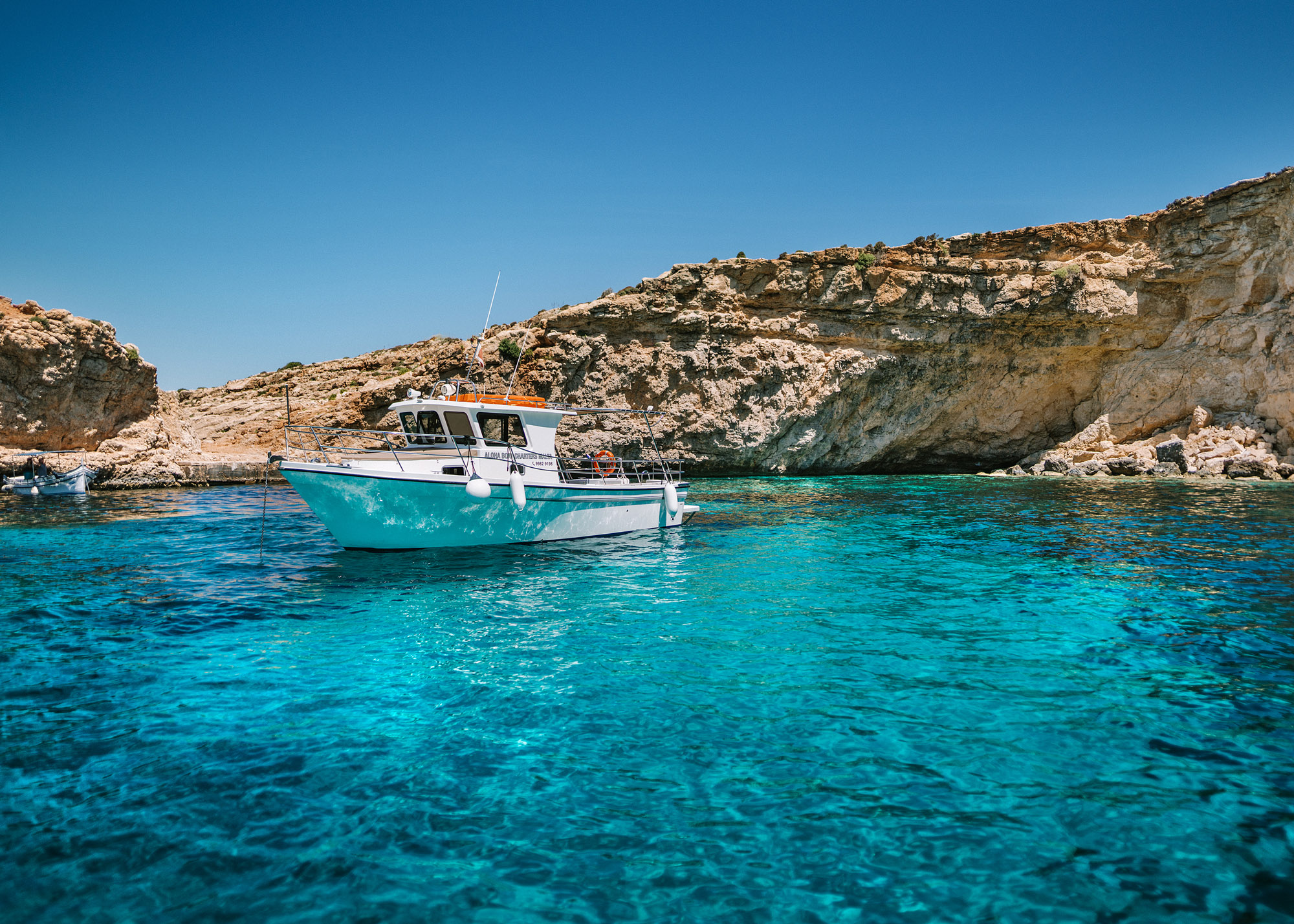
The Blue Lagoon "stop" is sometimes a sail-by. Depends on the season, depends on whether the tour is running late, depends on the operator. In winter the Comino leg can shrink to a look from the deck. If the Blue Lagoon is the main thing you want from the day, don't get it as a footnote to a land tour.
The weather policy is worth reading before you pay. Most operators reschedule rather than refund when the sea is too rough for the crossing, which is fine if you're in Malta for two weeks and a problem if you fly home in three days.
And the money. It's not nothing. The public ferry is €4.65 return. Renting a quad independently on Gozo runs about €90 for the day, fuel usually included. A ftira from one of the two traditional bakeries in Nadur costs a few euros and is better than most set lunches, and I'll die on that hill. If you're comfortable driving and happy to plan, you can build broadly the same day yourself for a lot less. You won't find the back roads, but you'll keep maybe €50-60 per person, and across a family of four that's the price of a very good dinner.
What about the boat tours

Different question, as promised.
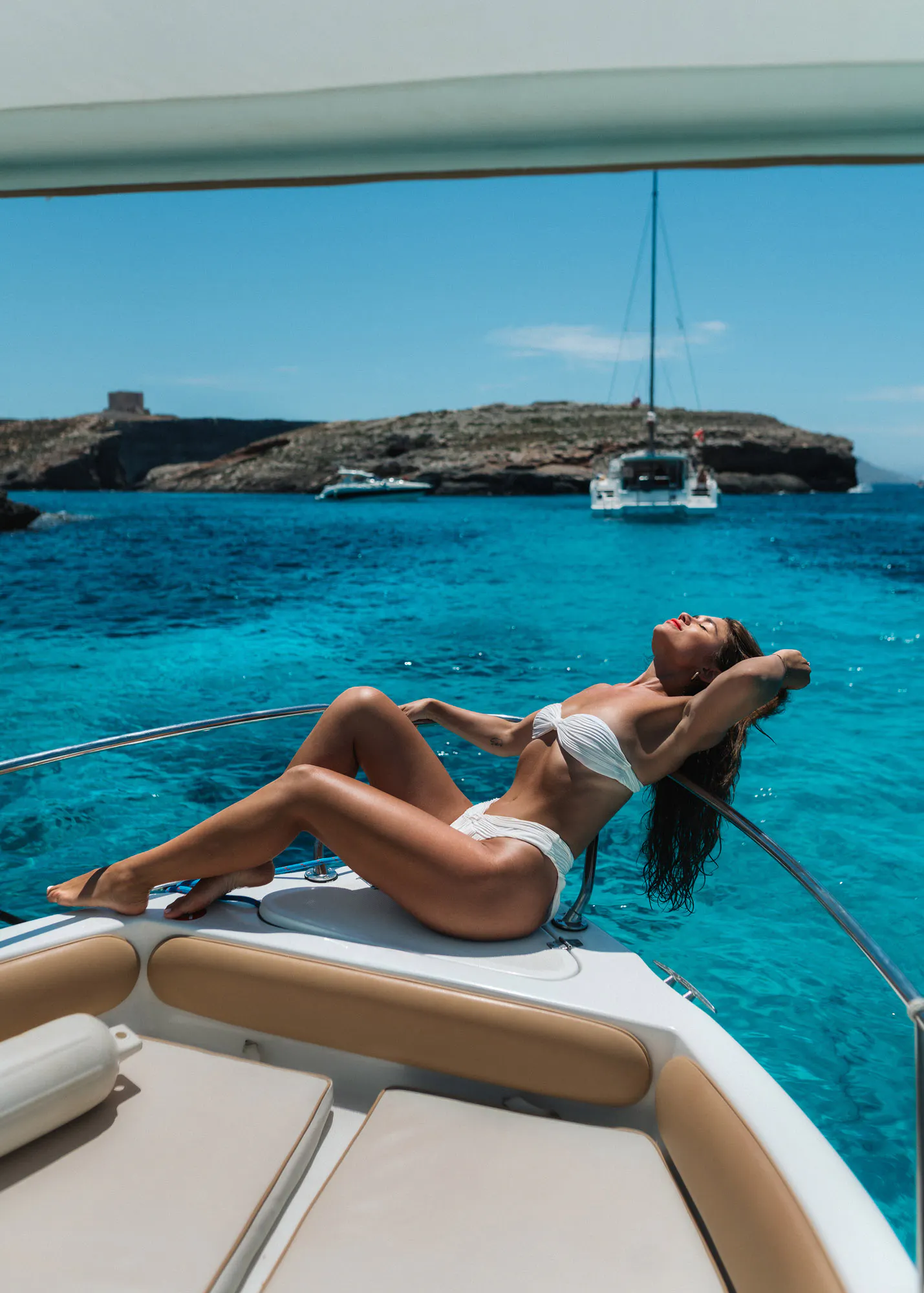
The boat trips run from Malta or from Gozo and make Comino the main event: the Blue Lagoon, usually the Crystal Lagoon around the corner, and the sea caves along Comino's coast, which are genuinely spectacular and only reachable by water. Prices range from about €25 for a basic ferry-style crossing up to €50 or more for a proper cruise with swim stops, and private charters exist for groups who want the boat to themselves.
Whether these are worth it depends almost entirely on your expectations of the Blue Lagoon. The water is real. It's that color; it looks fake in person, and floating in it is worth doing once in your life. The catch is that in July and August, several thousand other people have the same idea daily, and by 11am the lagoon is wall-to-wall boats, and the small beach is standing room only. Early departures are worth everything here. The water at 8am and the water at noon are identical. The experience is not.
If your Malta trip is short and you have to choose between a Gozo land tour and a Comino boat trip, I'd say this: the boat trip is a beautiful half-day of swimming. The Gozo tour is a full day of actually seeing somewhere. They're not really competing for the same slot in your holiday.
Getting to Gozo, with or without a tour
If you book a tour from Malta, transport is included, usually hotel pickup and a private boat crossing, and you can skip this section entirely. That's part of what you're paying for.
Going independently, the main route is the Ċirkewwa ferry from Malta's northern tip. It runs constantly, up to 74 crossings a day, takes 25 minutes and costs €4.65 for foot passengers. The odd part is that you pay nothing on the way out. Payment happens on the return from Gozo, which confuses absolutely everyone the first time and had me wandering around looking for a ticket office that didn't exist.
There's also a fast ferry from Valletta that takes 45 minutes and costs from around €6-7.50, foot passengers only, and from May 2026 fast ferries run from Sliema and Buġibba too, taking about half an hour. Useful if you're staying centrally and don't fancy the hour-plus bus ride up to Ċirkewwa.
If you're taking a hire car across, go early. The car queue at Ċirkewwa on a summer Saturday is where good moods go to die - and don't forget a camera.
A quick word on kids
Families ask about this constantly, so. Tuk-tuks take children of most ages, and the open sides keep them entertained in a way a car doesn't, though a long day is a long day and the seven hours can defeat younger ones by mid-afternoon. On quads, children can ride as passengers from around age five with most operators, helmets provided in small sizes, but check the specific policy when you book because it varies. The boat trips are the easiest option with young children: shorter, swimming built in, snacks on board, though pick a boat with shade because the July sun off the water is relentless. And whichever you choose, the Comino swim stop is consistently the bit kids remember. Something about jumping off a boat into water that color.
A few things I'd tell anyone booking one

Book ahead between April and October. The good tours sell out days or weeks in advance in high season, and turning up in July hoping to sort something for tomorrow mostly doesn't work.
Bring your original driving license if you're doing a quad tour; not a photo of it or a copy. The minimum driving age is 21, and they check, and every so often someone gets turned away at the garage and has to spend the day as a passenger looking wistful.
Take the sun seriously. July and August run 33-35 degrees, and you're outdoors the whole day. Hat, sunscreen, water, sunglasses. I did the one-armed sunburn so you don't have to.
Wear clothes you don't care about if you're on a quad or buggy. The tracks are dusty, and by mid-afternoon you'll be wearing a fair amount of Gozo.
And if you have any choice in the matter, go in May, June, September or October. Same island, same water, half the crowds, and the heat is pleasant instead of punishing.
So who actually shouldn't book one
If you're staying on Gozo more than a day, skip the tour. You have time. Rent something, get lost a bit, follow up on whatever catches your eye. The island is small and forgiving and half the pleasure of a longer stay is not having a schedule. Do the tour version of the island in one day and you'll have seen it. Stay three days, and you'll have actually been there.
If you drive confidently abroad and enjoy planning, do it yourself. The main sites are signposted, the Citadella is free, the Inland Sea boat is €4 cash and you just turn up and wait for the boat to fill. None of the actual sights cost more because you arrived independently.
If you're on a tight budget, the maths isn't close. Independent wins, and Gozo is a cheap island to do independently once you're across the water.
And who should
First visit, one day, coming from Malta: book the tour. That's my honest position after doing it both ways. The transport gap on Gozo is real, the day is long, and the difference between seeing a third of the island (my bus day) and basically all of it (the quad day) came down entirely to not having to solve logistics on the fly.
The thing I'd actually say is this. What you're paying for is not the sights. The sights are cheap or free however you arrive. You're paying for seven hours where every decision is already made, plus a local who knows which track leads somewhere and which one dead-ends at a farm gate. On a short trip, that's worth the money. On a long stay, it isn't. That's the whole answer, and anyone who tells you it's simpler than that is selling something.