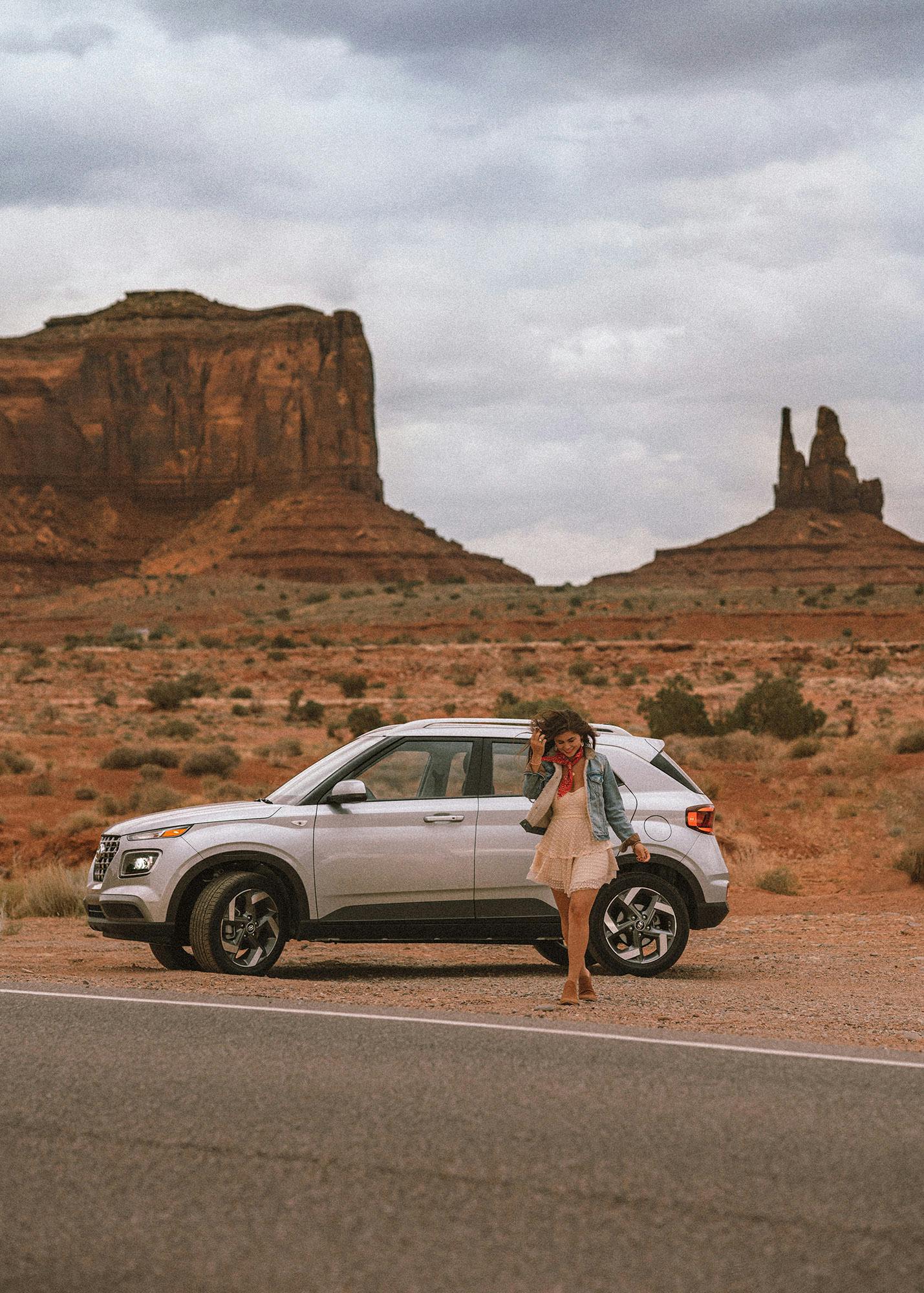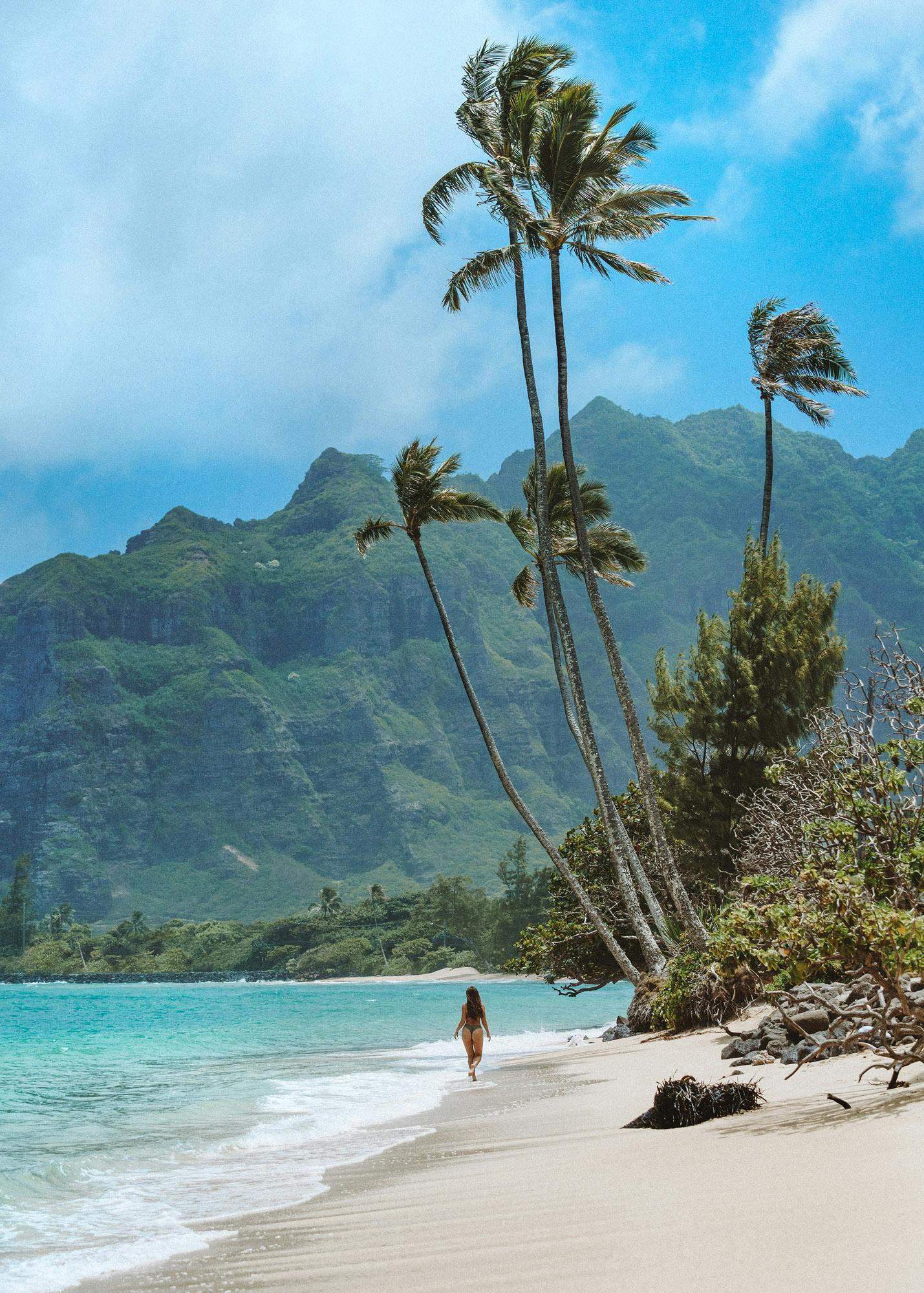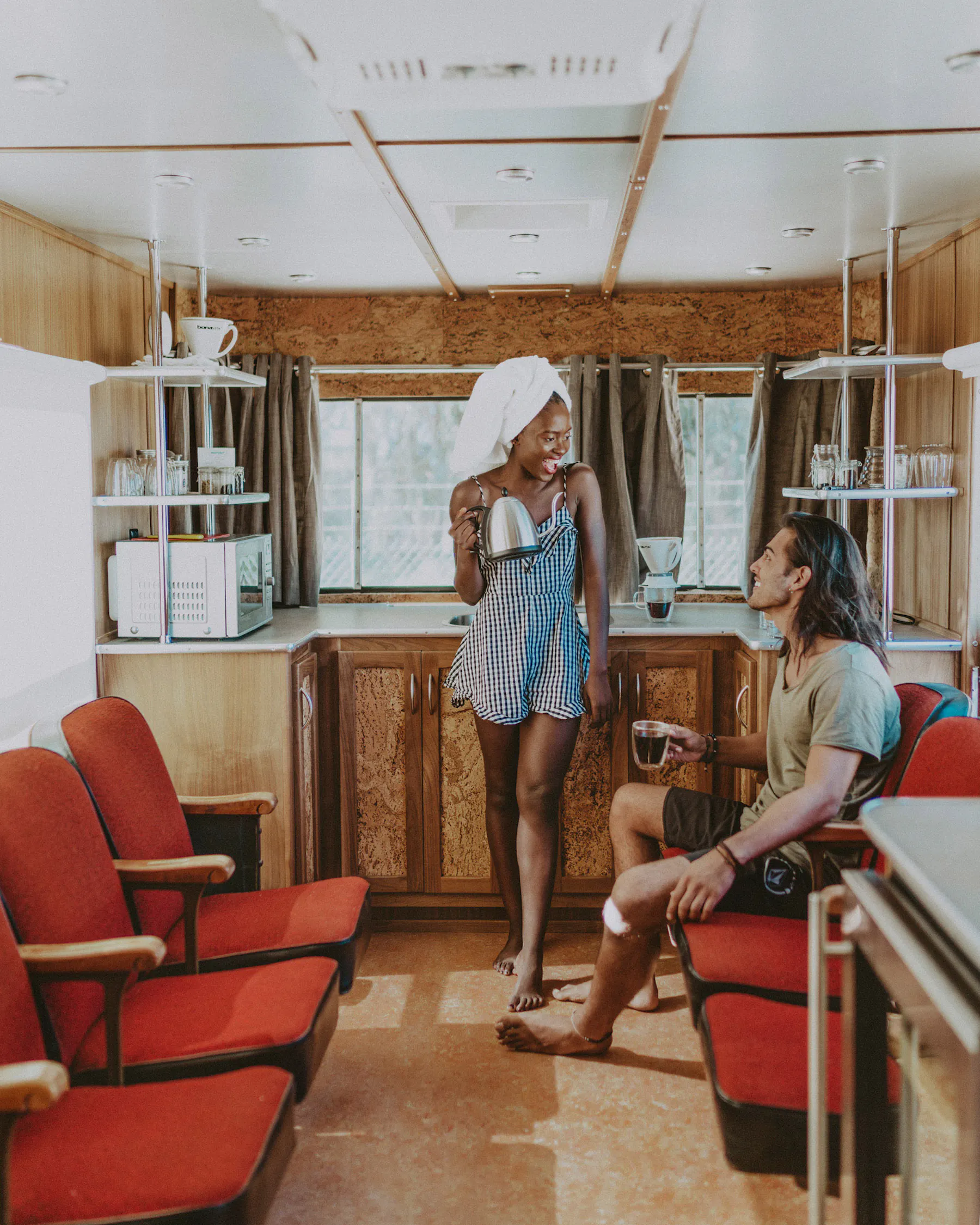
Off-grid travel gets a lot of airtime, but what does it mean once you are behind the wheel of a campervan? For most travelers, it comes down to two things: sleeping somewhere without a power hookup, and waking up to quiet rather than traffic. Add a day or two with no phone signal, and you have the idea. The harder question is where to point the van, and a few trips stand out for sitting on opposite sides of the world.

What off-grid means in a campervan
Off-grid is less about distance and more about self-sufficiency. You are carrying your own water, generating your own power, and parked somewhere without services. Some travelers want that for a single night between towns. Others want a week of it. Both trips below let you choose your level.
The Top End, starting from Darwin
If remote and warm appeals to you, the Northern Territory is hard to beat. Darwin works as the launch point, which is why plenty of travelers sort out campervan hire in Darwin before flying in and driving straight out into the bush. From there, two national parks do most of the work.
Kakadu sits a few hours east. The wetlands fill and empty with the seasons, and the rock art at Ubirr and Nourlangie goes back tens of thousands of years. Below Gunlom and Maguk, plunge pools reward anyone willing to walk in for them. Camping inside the park ranges from basic to genuinely remote, so you can dial the isolation up or down depending on the night.
Litchfield is closer to Darwin and kinder to a tight schedule. Wangi Falls and Florence Falls are the headline swimming stops, with the magnetic termite mounds worth a detour on the way in. Swimming holes here stay open through more of the year than Kakadu's, which matters if you are traveling into the build-up to the wet. As a rule, the dry season from May to October is the easier window for an off-grid run up here, since the roads and creek crossings stay passable.
Northern California and the coast
The American version of this trip looks different but scratches the same itch. San Francisco makes a sensible base, partly for the airport and partly because picking up an RV rental in San Francisco puts you within a day's drive of some of the emptiest coastline in the lower states.
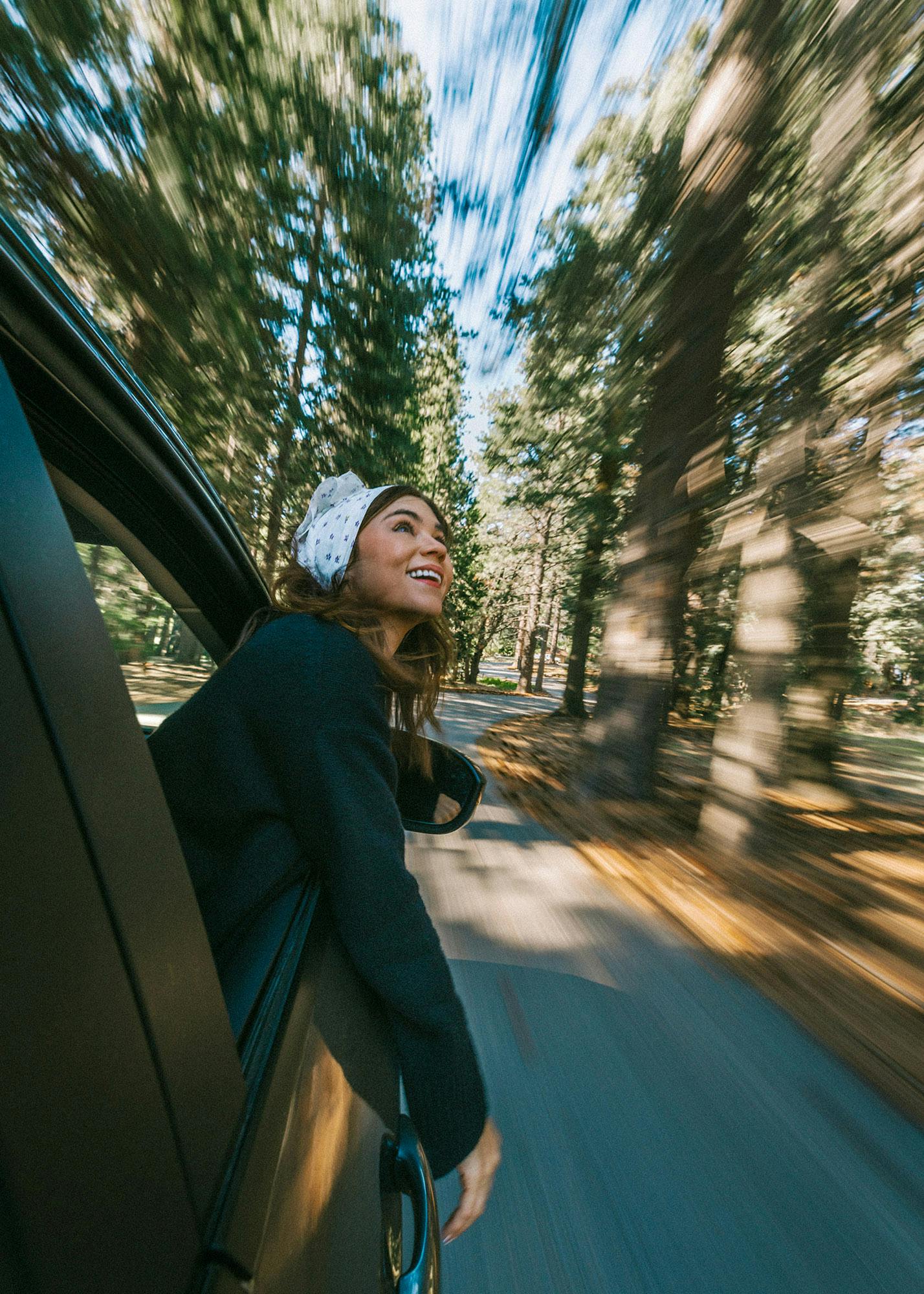
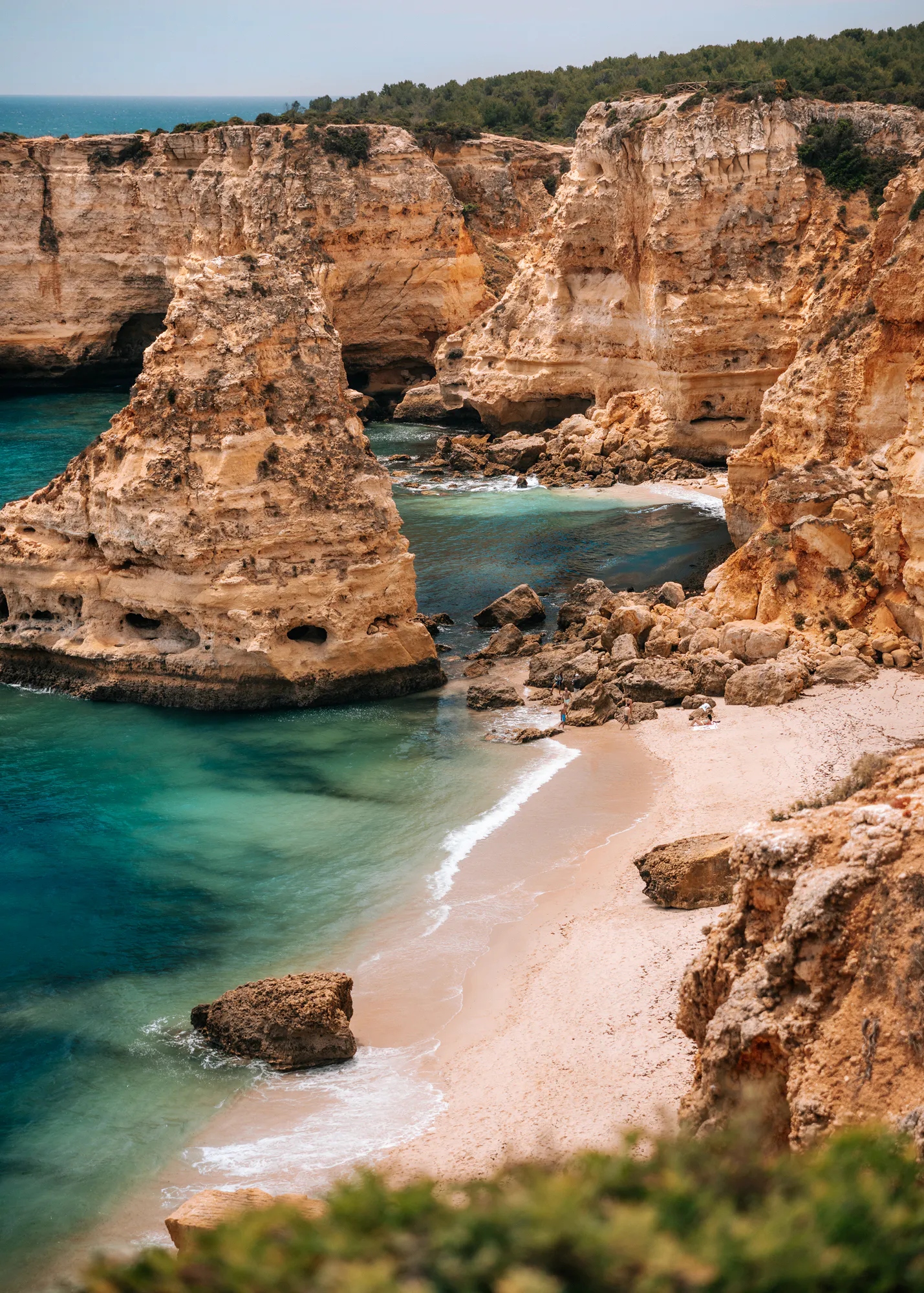
Head north and the Pacific Coast Highway hands you the Lost Coast, a stretch so rugged the road engineers gave up and routed around it. Further on, the redwoods near Humboldt close over the road, and a slow run down the Avenue of the Giants drops you into campgrounds that feel a long way from anything. Turn inland instead, and the Sierra Nevada opens up, with national forest land where you can park for free well away from the marked sites.
The catch on the American side is planning. Popular national park campgrounds book out months ahead, so the off-grid version often means dispersed camping on public land rather than the headline parks. Apps that map free sites earn their keep here.
What you need to get off the grid
Both trips ask similar questions of your setup. Water is the big one, since you carry all of it yourself. A van that holds 70 liters or more buys you a few days; below that, and you are planning around refill points. Power tends to sort itself out if the van has a second battery and a solar panel, though a fridge plus device charging will test a small system on cloudy days.
Food planning shifts too. Without a fridge, you lean on tins and whatever keeps in a cool box. With one, you shop every few days and cook properly. Neither trip strands you far from a town for long, so resupply is rarely a crisis, though the gaps between shops in the Top End run longer than most people expect.
Are they worth it?
Both trips reward people who arrive with the right expectations. Off-grid travel trades comfort for space and quiet, and whether that swap appeals to you says more than any packing list will. If a morning with no signal and no neighbors sounds like a loss, a powered site and a hot shower will suit you better, and there is no shame in that.
For everyone else, the Top End and Northern California sit near the top of the list for good reason. They are remote enough to feel like a proper escape, but close enough to a sealed road and a fuel stop that the escape never tips into an ordeal. That the two look nothing alike is a bonus if you end up doing both.