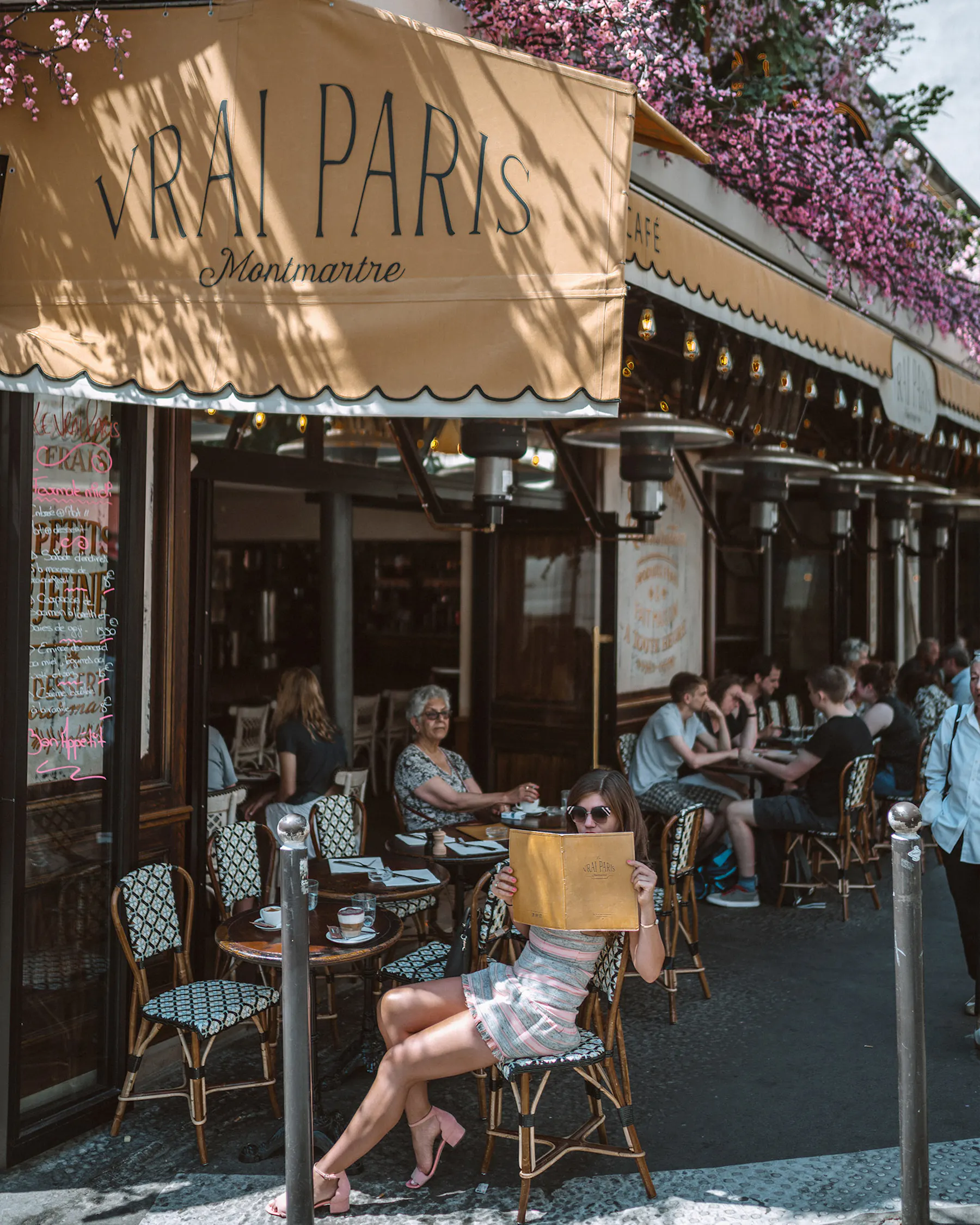
Why Paris Rewards a Slower Kind of Trip
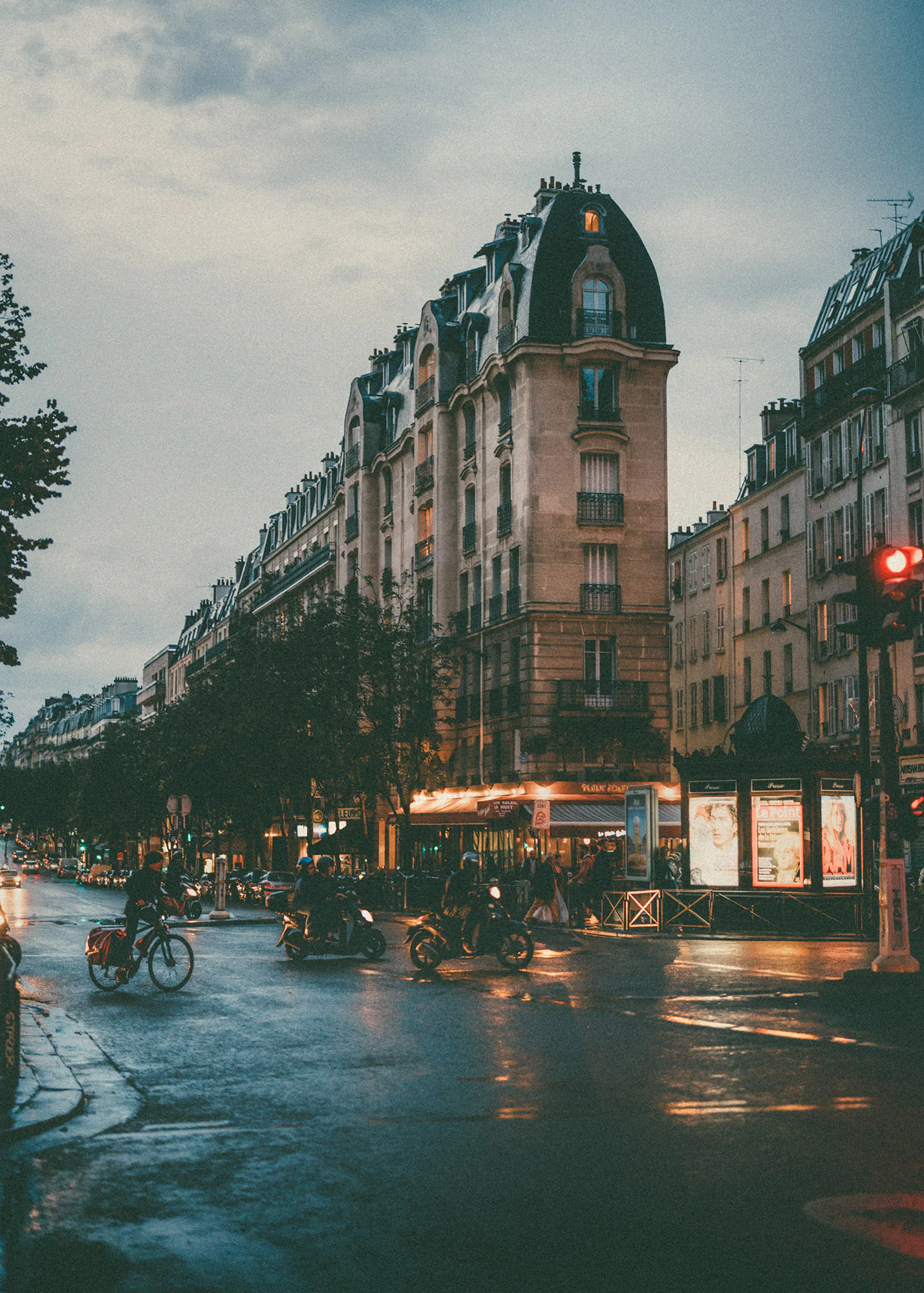
Paris is one of the few cities where the obvious sights still deserve attention. The Eiffel Tower, the Louvre, Notre-Dame, the Seine, and the grand boulevards are famous because they carry beauty, history, and atmosphere, even at their busiest.
The problem is not seeing the landmarks. The problem is letting them become the whole trip. When every day is built around monuments, museum entries, and viewpoints, Paris can start to feel like a checklist rather than a city with texture.
A more thoughtful itinerary gives the classics their place while leaving room for cafés, markets, gardens, small museums, quiet streets, and long walks. These details help explain why Paris has shaped art, literature, food, design, and architecture for centuries.
The strongest Paris trips protect time between scheduled stops. A walk after lunch, an open church door, a market street on the way to a museum, or a terrace where you stay longer than planned can reveal as much as a famous attraction.
Start With the Icons, But Do Not Let Them Define the Whole Trip
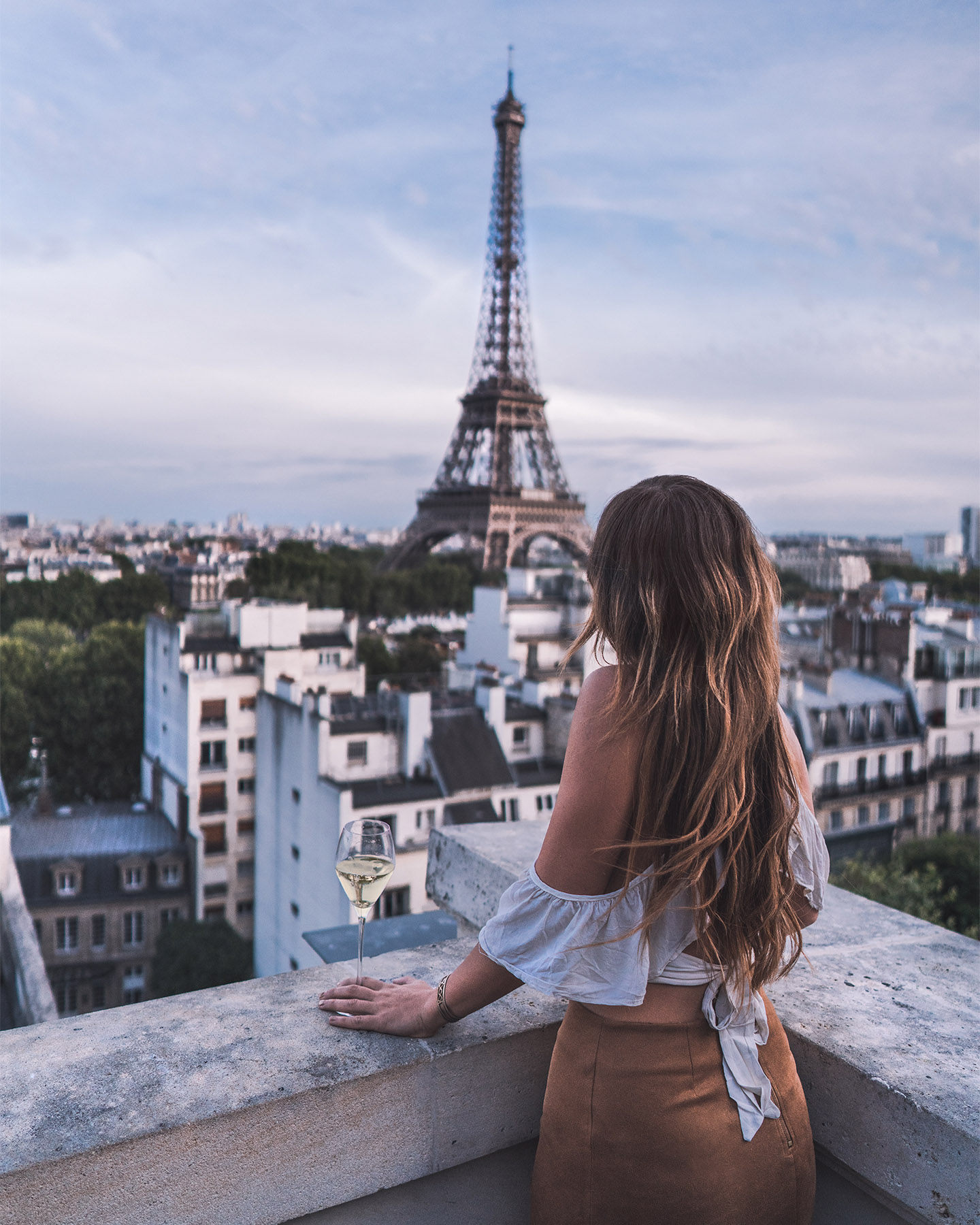
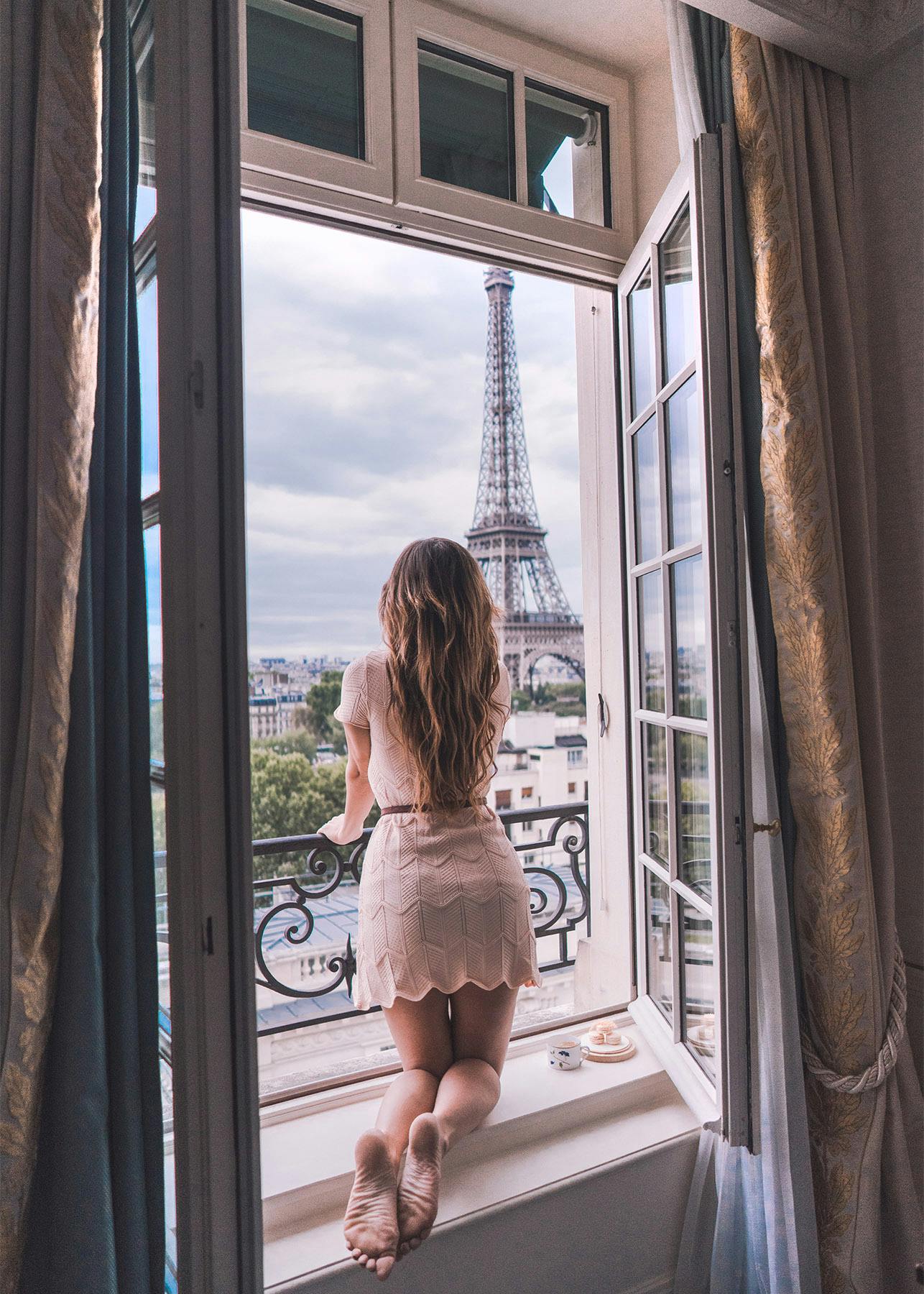
There is no reason to avoid the classic Paris landmarks. For many travelers, seeing the Eiffel Tower at sunset or walking through the Louvre for the first time is part of the dream. These moments work best when they are given space rather than squeezed into an overfilled day.
Each landmark can act as the center of a wider experience. A Louvre visit can lead into the Tuileries Garden, the arcades of Palais Royal, or lunch nearby. Time around the Eiffel Tower can include the Champ de Mars, the residential streets of the 7th arrondissement, or a walk along the river toward Pont Alexandre III. Notre-Dame and Sainte-Chapelle can be paired with Île Saint-Louis, the Latin Quarter, or the bookstalls along the Seine.
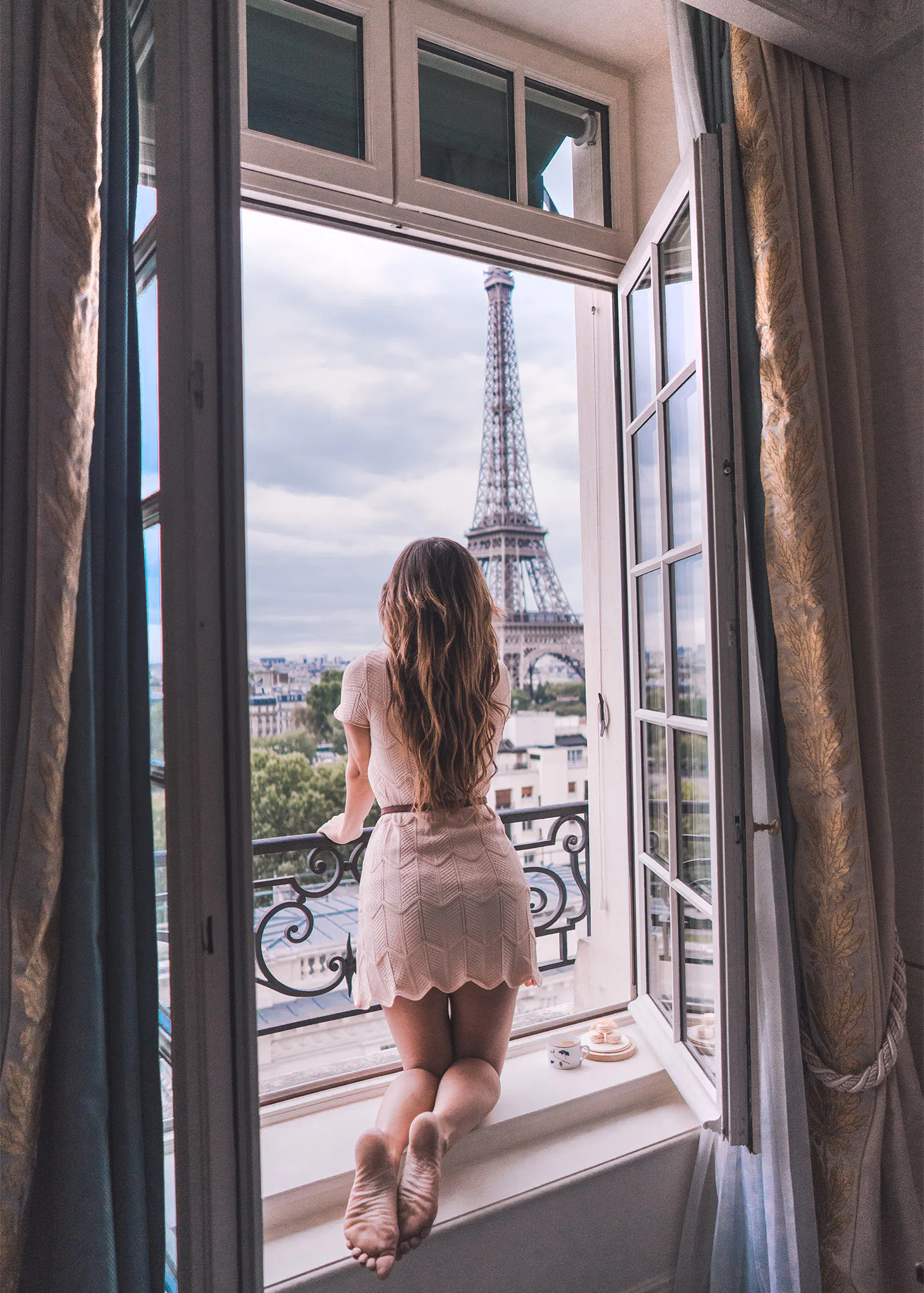
For travelers seeking Paris beyond the postcard, the best itinerary asks what each famous place reveals about the city around it. The Eiffel Tower connects to engineering, world fairs, and the changing skyline. The Louvre carries royal history, artistic power, and French cultural ambition. The Seine links islands, bridges, palaces, churches, and public life.
This approach also makes the trip easier to enjoy. Instead of crossing the city to see five major sights in one day, travelers can choose one or two anchors and explore around them. The result is a day that feels coherent, less tiring, and more connected to place.
Build Each Day Around a Specific Area
Paris is easier to understand when each day has a clear geographic focus. The city is compact, but repeated crossings can make an itinerary feel fragmented. Choosing one part of the city at a time allows the day to unfold with better rhythm.
Saint-Germain-des-Prés suits travelers interested in literary history, galleries, cafés, and elegant streets. A morning might begin with coffee near Boulevard Saint-Germain, continue through bookshops and art galleries, then move toward the Luxembourg Gardens.
Le Marais offers a different kind of richness. Its streets hold medieval traces, Jewish heritage, aristocratic mansions, boutiques, and small museums. Place des Vosges is one of the city’s most beautiful squares, while nearby lanes offer design shops, falafel counters, galleries, and historic courtyards.
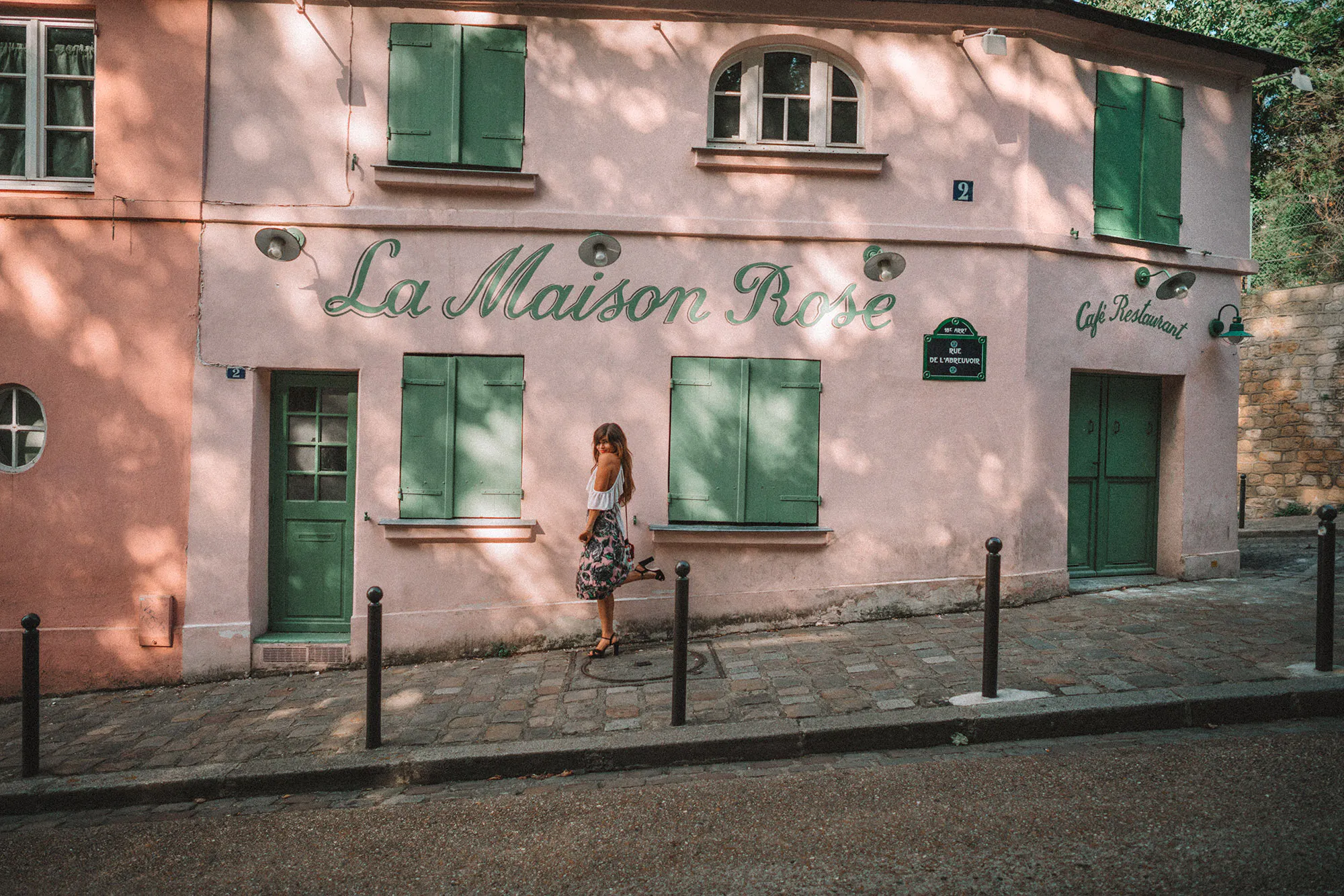
Montmartre needs careful timing because its most popular corners fill quickly. Early morning or late afternoon gives the area more room to breathe. Away from the busiest route to Sacré-Cœur, the sloped streets, staircases, small squares, and old cabarets still suggest the village atmosphere that once drew painters and performers.
Canal Saint-Martin has a more casual rhythm, with independent shops, relaxed cafés, waterside walks, and a younger local energy. Belleville brings street art, hilltop views, and multicultural food, while the Latin Quarter carries student life, Roman ruins, old churches, and Left Bank intellectual history.
Planning by area creates better transitions. A museum, market street, café, and walk can all belong to the same part of the city, which makes the day feel less mechanical.
Follow the City Through Its Streets, Bridges, and Riverbanks
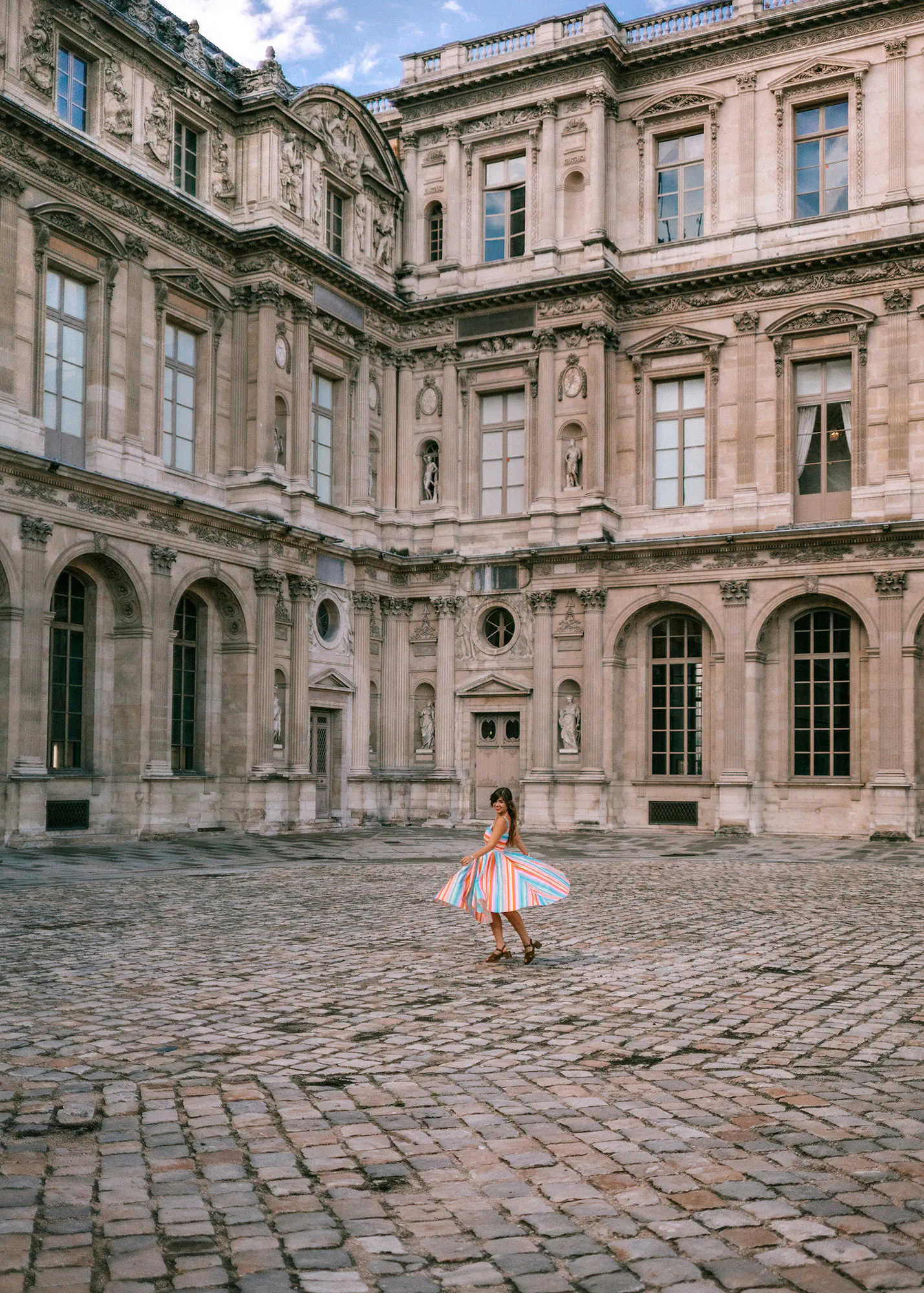
One of the simplest ways to understand Paris is to follow the Seine. The river gives the city its shape and connects many of its most important monuments, islands, bridges, and public spaces.
The Banks of the Seine reveal the architectural and cultural layers that have shaped Paris over time. Along the river, travelers pass views of the Louvre, the Institut de France, Notre-Dame, the Conciergerie, the Musée d’Orsay, and the Eiffel Tower. These places feel more connected when seen as part of one historic landscape.
A river walk also gives the day a natural pause. The quays invite wandering, the bridges frame different views, and the bouquinistes add a trace of old Paris through their green bookstalls and prints. In warmer months, the riverbanks become social spaces where people sit with friends, read, listen to music, or watch the light shift over the water.
For a first visit, the stretch from Île de la Cité toward the Louvre and Tuileries is especially rewarding. It connects medieval, royal, religious, and artistic Paris in a route that can be taken slowly over a morning or late afternoon. For a quieter walk, the path west from the Musée d’Orsay toward Pont Alexandre III offers open views and grand architecture.
The bridges deserve attention as well. Pont Neuf, despite its name, is the oldest standing bridge in Paris. Pont Alexandre III is ornate and theatrical, with gilded sculptures and wide views. Pont des Arts carries associations with artists, students, and riverside strolling. Each one frames the city differently.
Make Food Part of the Itinerary
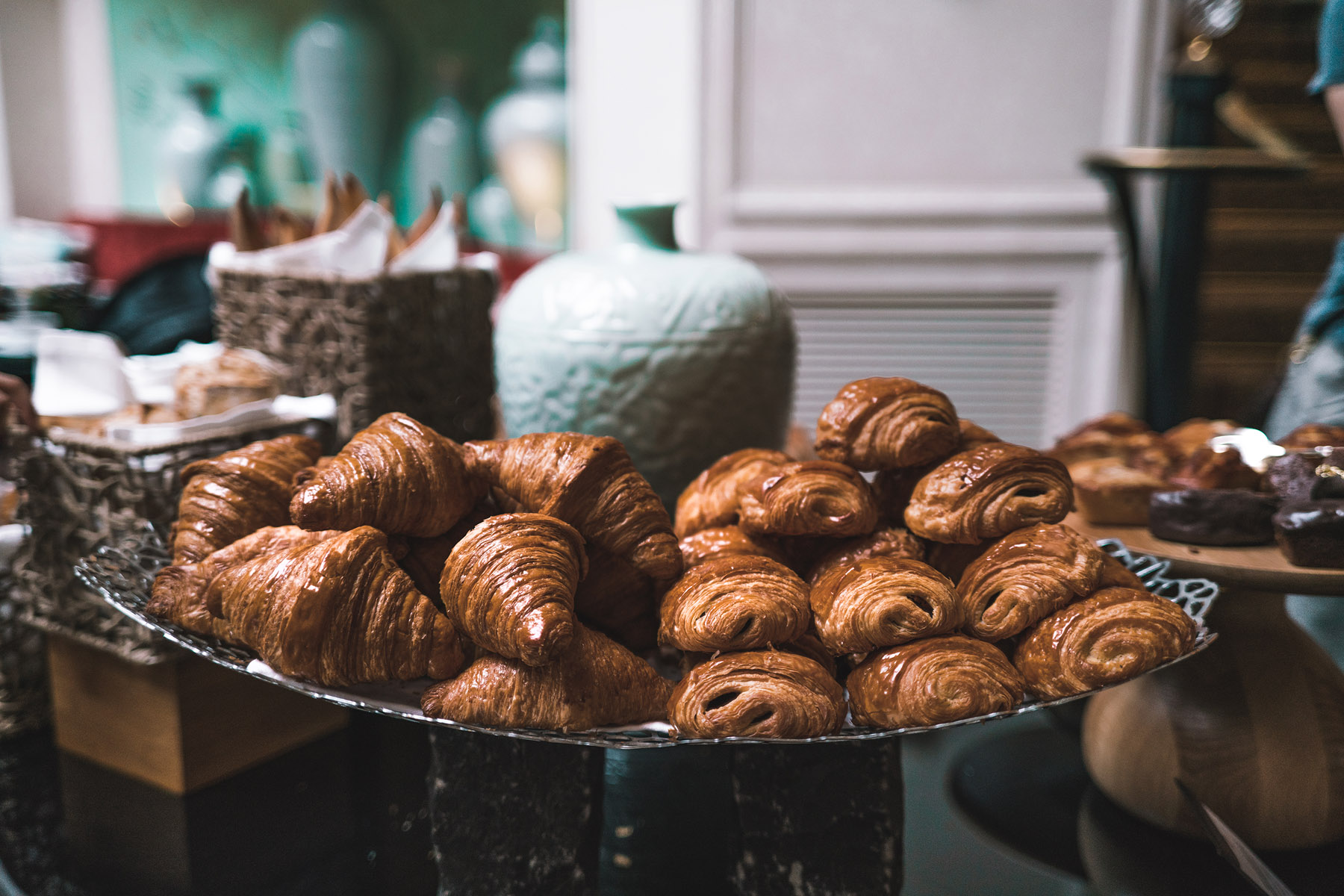
Food is one of the easiest ways to move from sightseeing into daily Paris life. Eating well does not always require a famous restaurant or a long tasting menu. Much of the pleasure comes from ordinary rituals done with care.
A good day might begin with a croissant from a nearby bakery before the city fully wakes up. Later, a market street can become part of the route, with cheese shops, fruit stands, rotisseries, wine merchants, florists, and pastry windows. Rue Cler, Rue Montorgueil, Rue des Martyrs, and Rue Mouffetard all give travelers a grounded sense of how food fits into the city’s routine.
Lunch deserves space in the schedule. Instead of squeezing in a rushed meal between museums, choose an area and let lunch shape the middle of the day. A classic bistro, simple crêperie, wine bar, or café terrace can work, depending on the pace of the itinerary.
Pastry also deserves its own stop. Paris has traditional pâtisseries and modern dessert shops that treat cakes, tarts, chocolate, and viennoiserie with serious craft. An afternoon pastry near a garden or square can be more satisfying than adding another crowded attraction.
Evening meals can set the tone for the whole trip. Some nights may call for a polished reservation. Others may be better suited to a small bistro, natural wine bar, or casual dinner near the hotel. The point is to treat food as part of the experience rather than a gap between activities.
Add Cultural Context Around the Major Sights
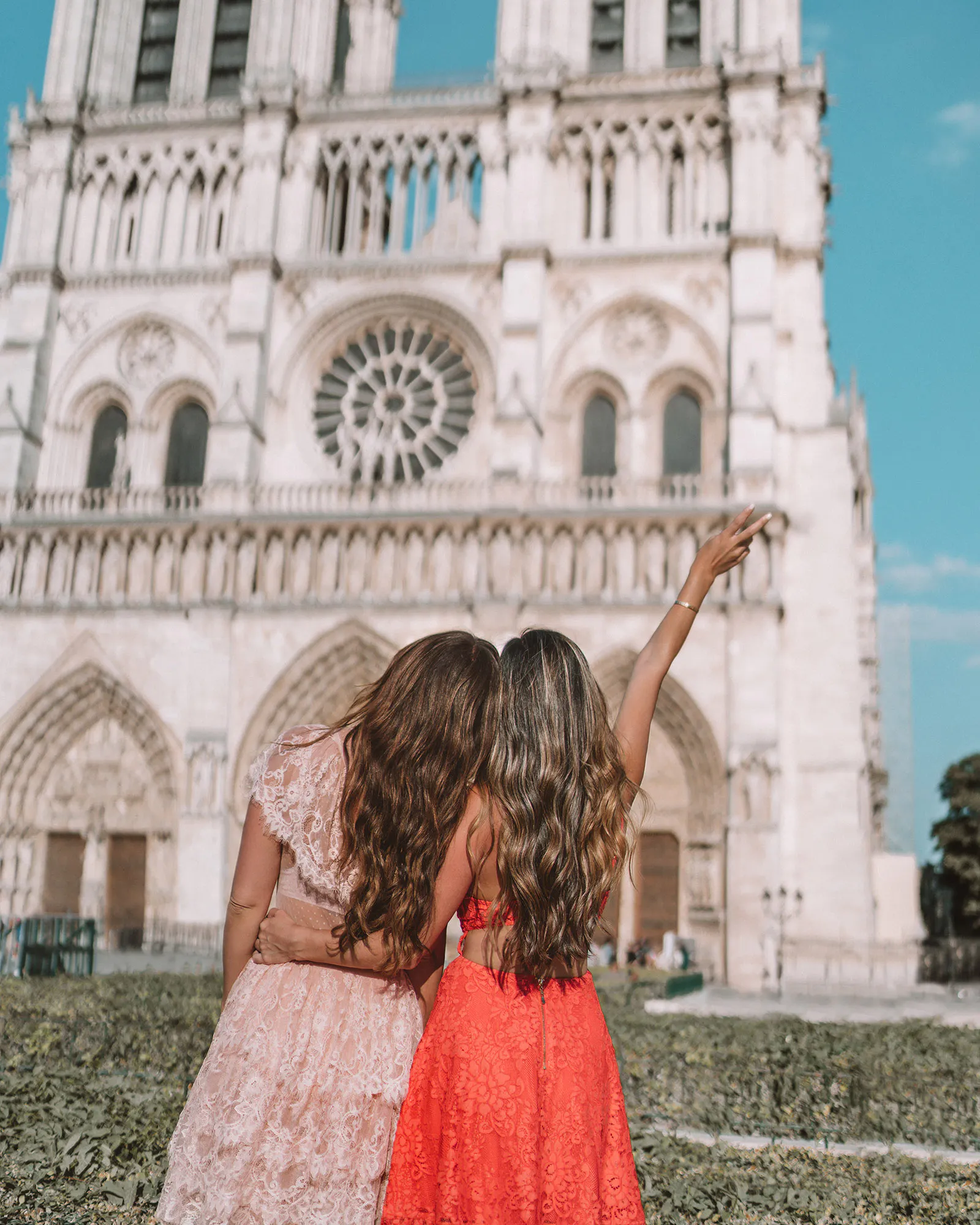
Paris becomes more rewarding when travelers understand the stories behind what they are seeing. A building is easier to appreciate when its history is clear. A painting becomes more compelling when connected to the artist’s life, the politics of the period, or the collection around it.
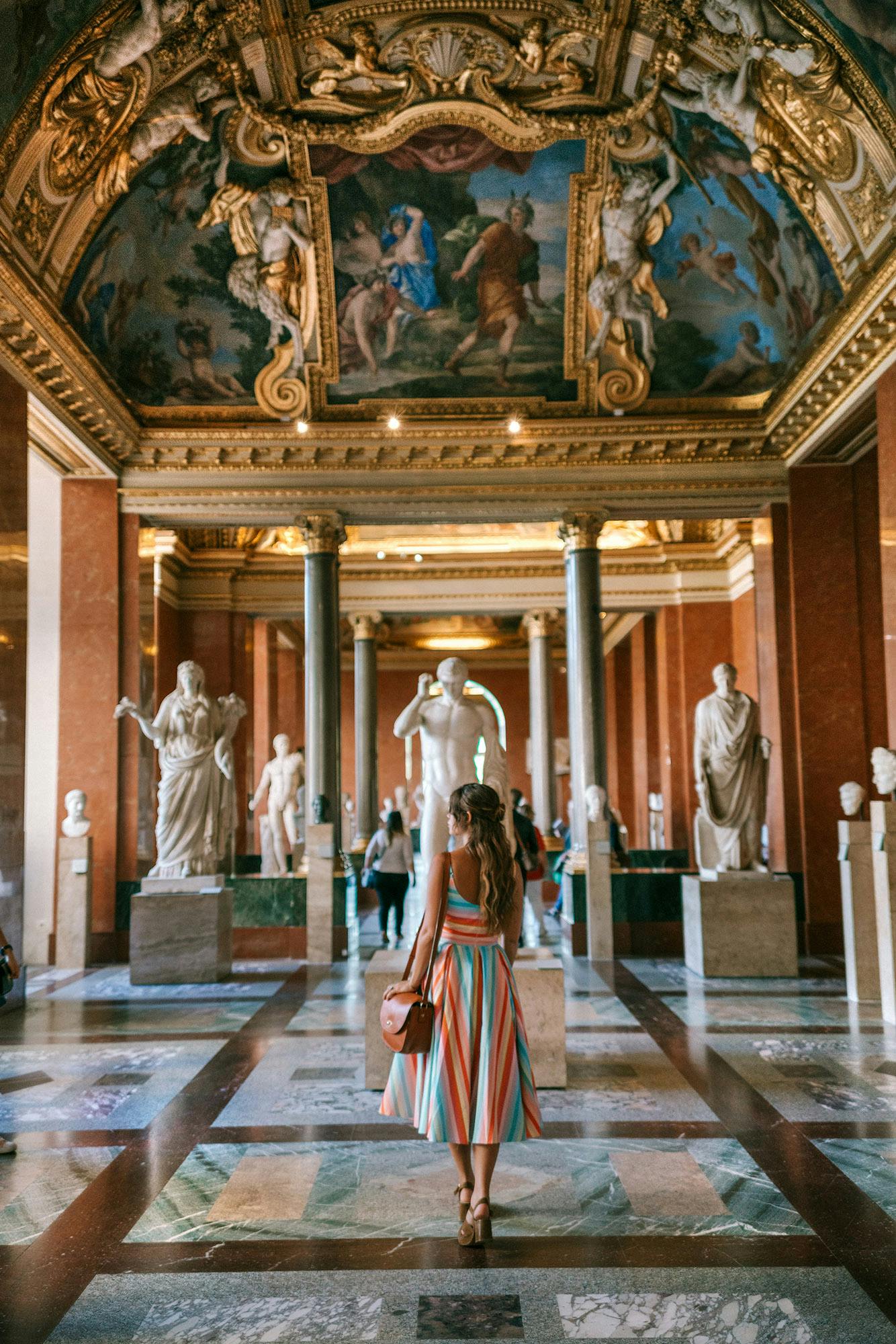
The Louvre is a good example. Without a plan, it can feel overwhelming. With a clear focus, even a shorter visit can be satisfying. Travelers might choose French painting, ancient sculpture, palace history, or a handful of masterpieces instead of trying to cover everything.
Versailles benefits from the same approach. It can be admired for its mirrors, gardens, and gold, but it becomes more interesting when connected to monarchy, performance, power, revolution, and court ritual. The scale begins to make sense once the visitor understands what the palace was designed to communicate.
Paris’ literary and artistic histories can also shape a trip. The cafés of Saint-Germain-des-Prés, the studios of Montmartre, the bookshops of the Latin Quarter, and the galleries around the Marais all carry associations beyond their appearance. A little context can change how a traveler moves through them.
This does not have to make the trip feel academic. Context can come through a museum tour, a cooking class, a guided walk, a conversation with a local expert, or some reading before a visit. It simply helps the city feel less like scenery and more like a place with memory.
For return visitors, this approach opens new themes: women artists, jazz history, market culture, revolutionary Paris, fashion, architecture, or the city’s relationship with cinema. Each theme gives structure to another visit.
Leave Space for Smaller Discoveries
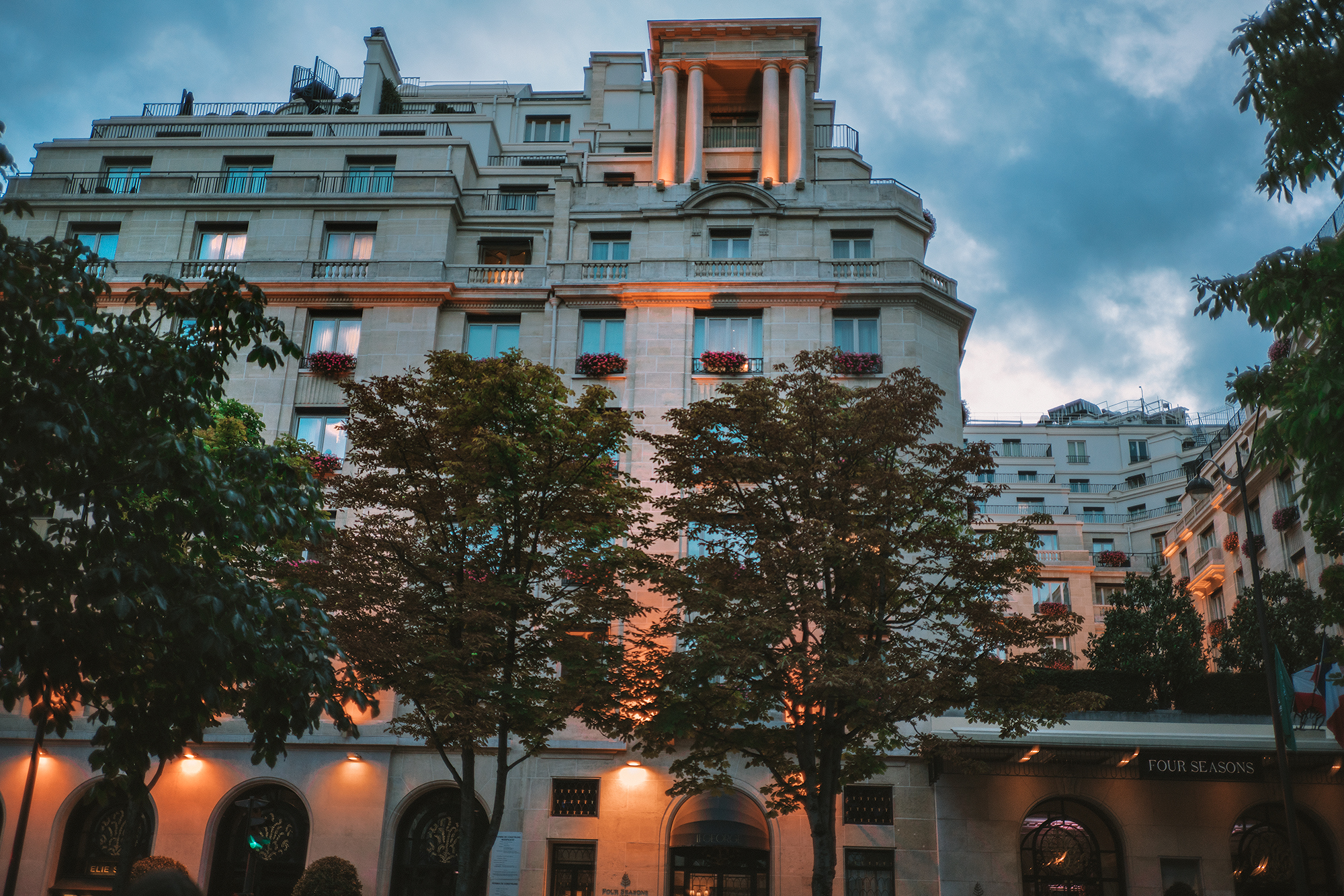
A thoughtful Paris itinerary should include planned empty space. This can feel risky on a short trip, but an overfilled schedule often leaves little room for the moments that make the city feel personal.
Small museums are useful additions. The Musée de la Vie Romantique, Musée Jacquemart-André, Musée Carnavalet, Musée Bourdelle, and Musée Zadkine offer intimate settings without the scale or pressure of the city’s largest institutions.
Gardens can reset the pace of a day. The Luxembourg Gardens, Palais Royal, Parc Monceau, Jardin des Plantes, and the Tuileries each have a distinct atmosphere. Sitting in one of the green chairs and watching the city move around you can be as valuable as another scheduled stop.
Covered passages are helpful in cold or rainy weather. Galerie Vivienne and Passage des Panoramas offer glass roofs, mosaic floors, old storefronts, cafés, and bookshops. They add atmosphere without requiring much time.
Travelers can also use an underrated Paris travel guide to add quieter places between better-known stops. A morning at a major museum might be followed by a small garden, a lesser-known church, or a calm street with independent shops.
These additions do not replace the famous version of Paris. They widen the frame and make the trip feel more personal.
Give Each Day a Clear Shape
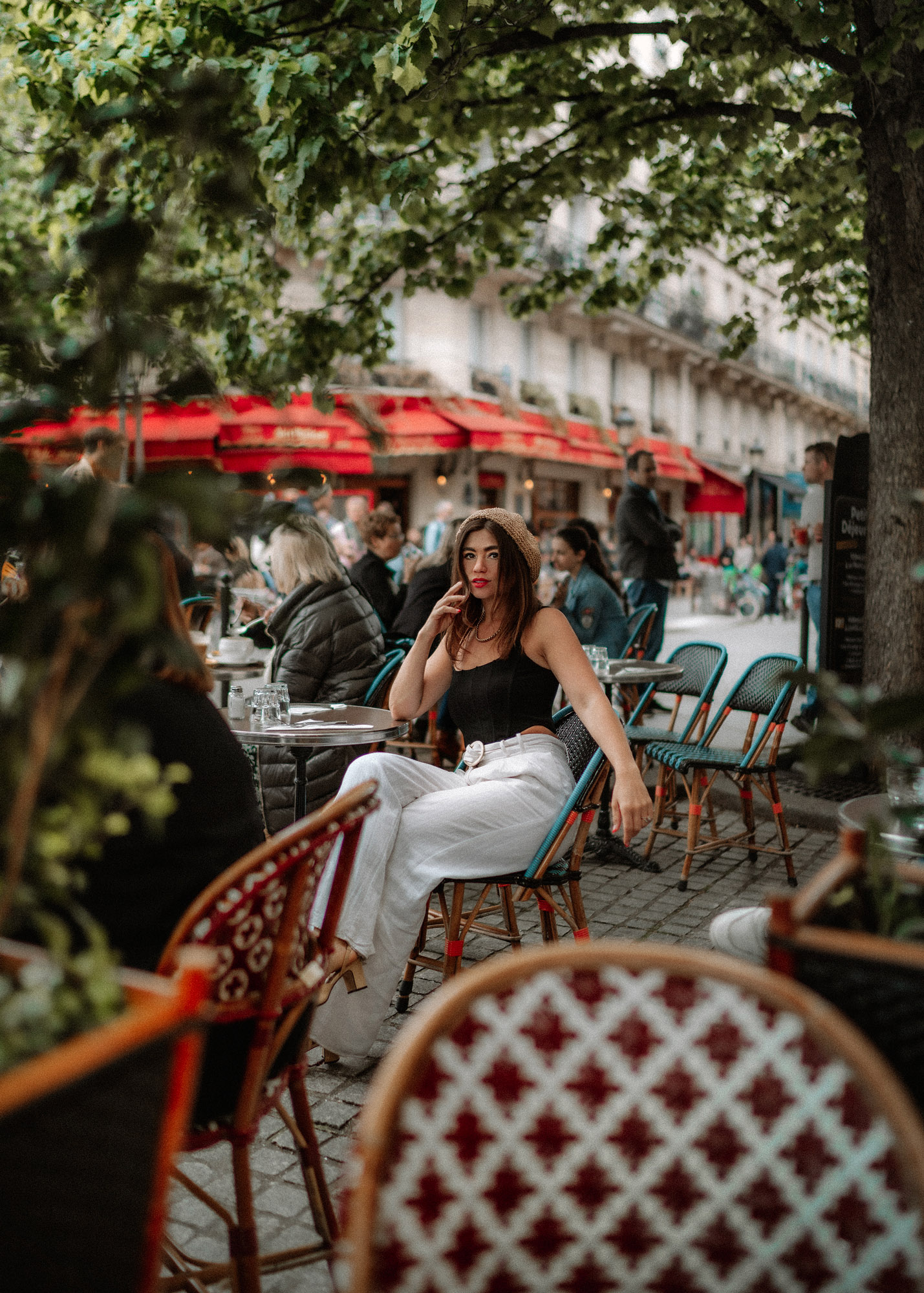
A strong Paris itinerary does not need every hour planned, but it should have a simple structure. One major sight or cultural experience in the morning, a long lunch or market stop, a walk in the afternoon, and a relaxed evening is often enough.
This rhythm prevents the common mistake of trying to fit too much into one day. Paris rewards attention, and attention requires time. Three well-chosen experiences usually feel better than seven rushed ones.
It helps to group activities by mood. A museum-heavy morning pairs well with a garden or riverside walk. A shopping-focused afternoon can follow a quiet church, gallery, or café. A day built around history might end with a classic bistro, while a food-focused day could include a market, cooking experience, and wine bar.
Transport should be considered carefully. The Métro is efficient, but walking often connects the city more naturally. A route that looks slightly longer on foot may pass through streets, squares, and views that become part of the day.
Hotel location matters for the same reason. Staying within easy reach of restaurants, cafés, and evening walks can improve the rhythm of a short trip. Even the best Paris hotel far from the areas you want to explore may cost more time than it saves.
The best plans remain flexible. Weather, energy, crowds, and appetite all affect a travel day, so the itinerary should allow travelers to adjust without losing its shape.
The Best Paris Trips Feel Layered
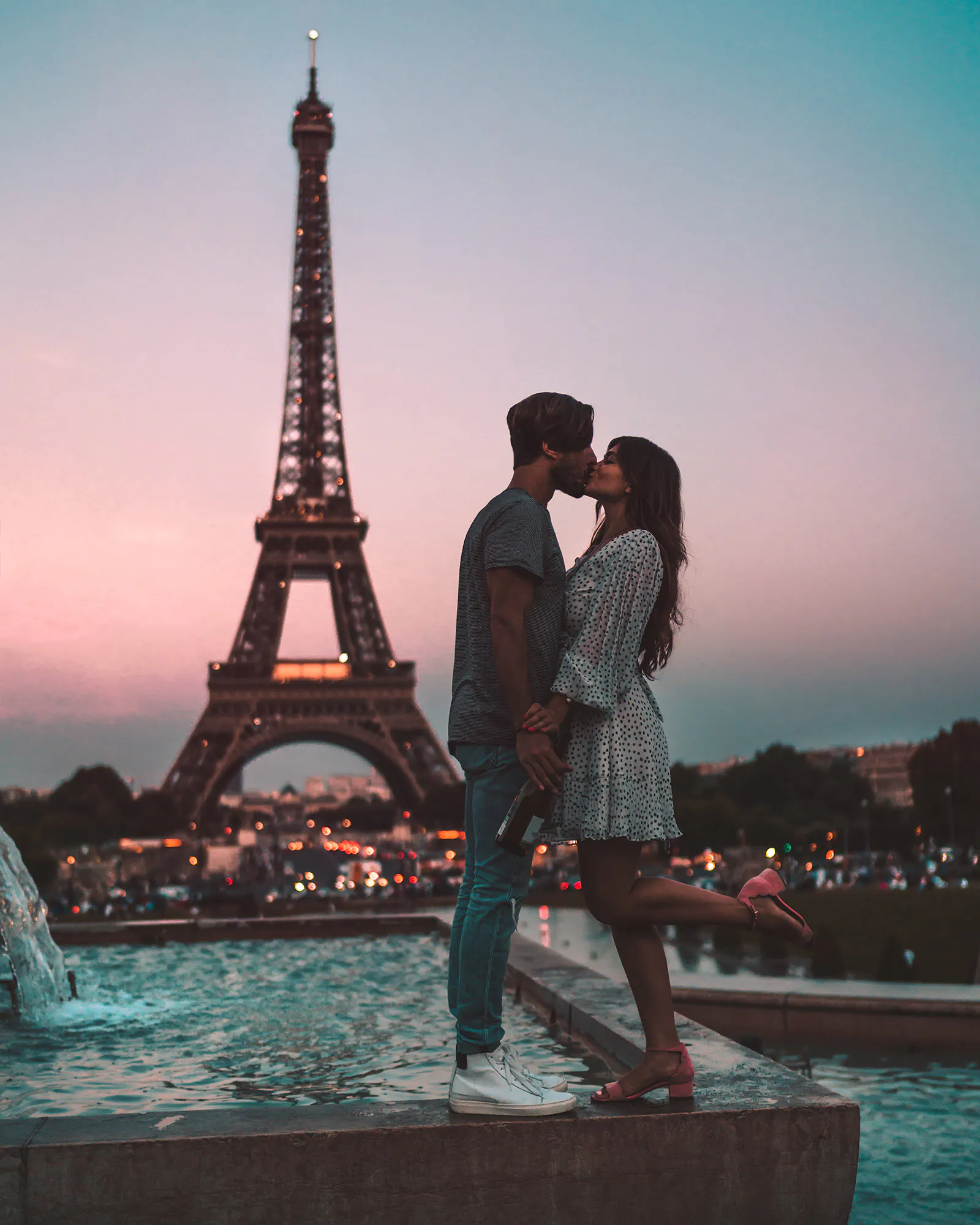
A more thoughtful Paris itinerary comes down to balance. The landmarks matter, but they gain depth when surrounded by streets, meals, stories, and pauses that make the city feel alive.
Travelers can still see the Eiffel Tower, visit the Louvre, walk beside the Seine, and admire the grand architecture. Those moments belong in the trip. They become more memorable when paired with a quiet café, a market street, a garden chair, a small museum, or a conversation that adds context.
Paris has a public face that is instantly recognizable, but its lasting appeal often comes from details that reveal themselves slowly. A well-planned trip makes room for the famous view and the hidden corner, the reservation and the spontaneous stop, the monument and the ordinary ritual.
That is how a visit begins to feel less like a tour of a destination and more like time spent inside a city with history, appetite, beauty, and daily life moving together.