An Island That Refuses to Be Rushed
Fifty-seven kilometers, tip to tip. On paper, Madeira, Portugal sounds like a place travelers could "do" in an afternoon. In practice? Not even close. Between the hairpin bends, the mountain tunnels, and the drop-offs straight into the Atlantic, a route that Google Maps calls twenty minutes can quietly turn into an hour - and somehow, nobody seems to mind. The road here isn't just a way to get somewhere. It's the whole point. Give it a week behind the wheel, and Madeira stops feeling like a checklist of viewpoints and starts feeling like a slow, valley-by-valley discovery.

Picking Up Your Rental Car at Madeira Airport
Land in Funchal, grab the keys, go. That's more or less how every good Madeira trip starts, and picking up the car right at the airport tends to be the smoothest way to do it - travelers roll straight onto the main roads before Funchal's tighter city traffic gets involved. Booking a car rental Madeira provider ahead of time matters more here than on most islands; summer and Christmas fill up fast, and automatics especially can disappear from availability weeks out. A compact car with a bit of muscle under the hood tends to work best - small enough to squeeze into a Funchal side street, strong enough not to wheeze on the climbs.
Manual is still the default across the island, so anyone who isn't fully comfortable with a clutch should lock in an automatic well in advance rather than gamble on the counter having one left.
Further Reading: 5 Car Rental Tips Every Traveler Should Know Before Their Next Trip Abroad
Day 1 - 3: The South Coast and the Central Peaks
The first few days stick close to Funchal, which is a good way to ease into the island's driving rhythm before things get more remote. Cabo Girão is the obvious first stop - one of Europe's highest sea cliffs, with a glass skywalk hanging directly over the banana terraces and the ocean below it. From there the road climbs, and climbs, until it reaches Pico do Arieiro, Madeira's third-highest peak. A short, genuinely dramatic ridge trail connects it to Pico Ruivo, often rising above a full blanket of cloud.
Curral das Freiras is worth the detour too. It sits inside an old volcanic crater, once cut off enough from the rest of Madeira that "nuns' valley" became its nickname. There's a paved road leading straight in now, but the village still feels tucked away from everything.
Day 4 - 5: The Wild North
Cross over to the north side and the whole island changes character - wetter, greener, quieter. Santana earns the drive for its traditional triangular thatched houses alone, such a contrast to Funchal's more built-up feel. Further along, São Vicente sits wedged between cliffs and volcanic caves, and Porto Moniz closes the day out with natural swimming pools carved straight into black lava rock.
Fair warning on this stretch: some of the narrowest, most exposed roads on the island run along here, particularly the older coastal routes that predate the modern tunnels. Slow down. There's no rush.

Day 6 - 7: The East, and the Long Way Home
The east coast feels like a different island entirely - dry, rocky, almost lunar next to the green interior. Ponta de São Lourenço has a walking trail running out along the peninsula, with ocean views stacking up on both sides. Machico makes a good final stop too; it was Madeira's original capital before Funchal took over, and it moves at a noticeably calmer pace.
On the way back, a short stop in Camacha - the island's unofficial wicker-weaving hub - adds a bit of local texture before the last night back in Funchal.
Driving Tips Every Visitor Should Know
Madeira's roads are well maintained overall, but a little prep goes a long way:
- Traffic runs on the right, and the rules broadly line up with the rest of continental Europe.
- The VR1 and VR3 expressways link Funchal to the airport and the bigger towns through a modern tunnel network, much of it built between the 1980s and early 2000s.
- Older coastal roads away from those expressways are narrower, with tighter blind corners and steeper grades.
- Navigation apps tend to underestimate drive times in the mountains - build in extra buffer rather than trust the ETA.
- Parking in Funchal and the smaller towns can get tight, so it helps to scope out public car parks before arriving.
- Lower gears on long descents ease the strain on the brakes instead of riding them the whole way down.
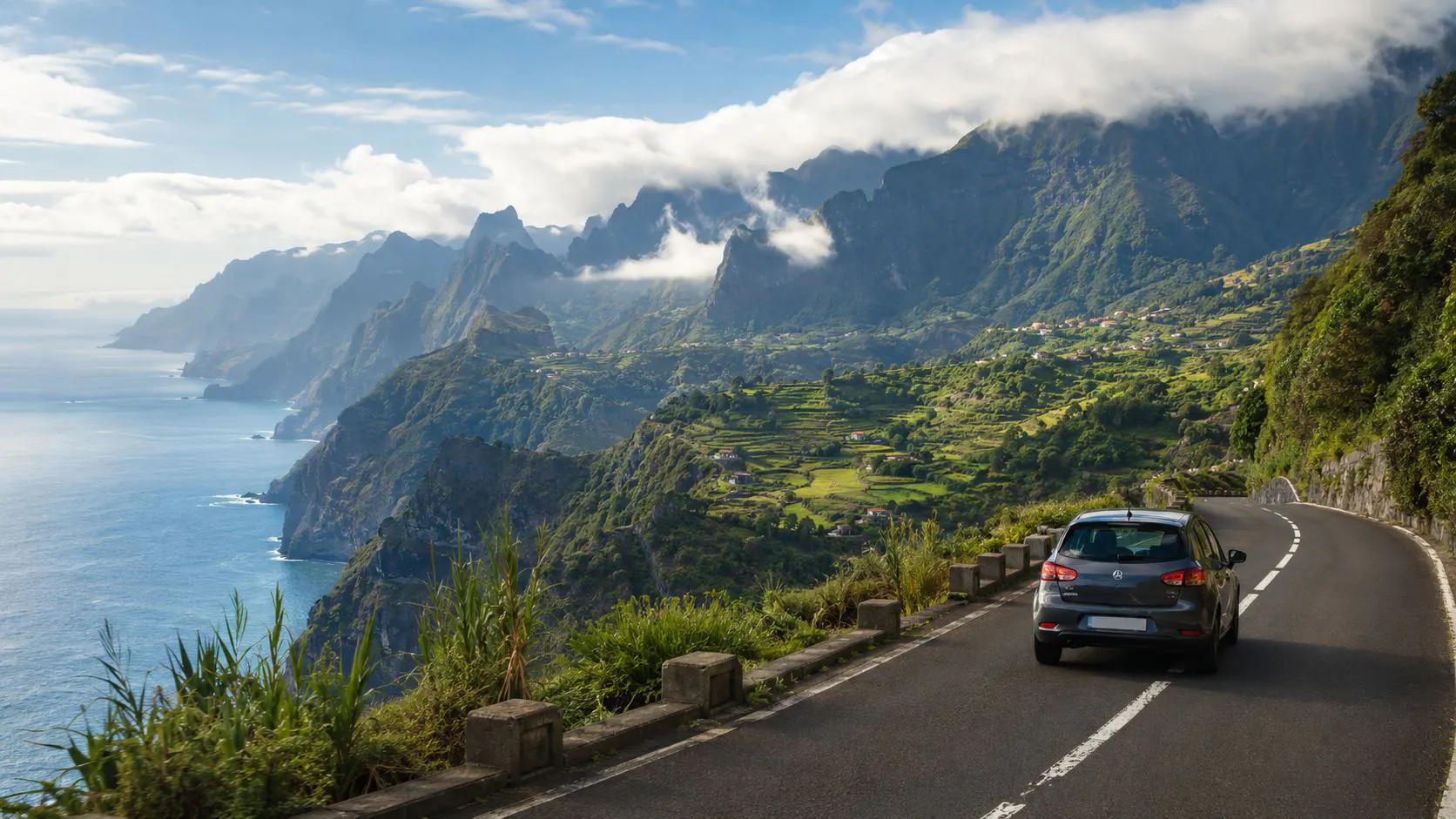
A week is plenty of time to circle Madeira properly, without turning it into a race. Long enough for the cliffs, the peaks, and the quieter villages that never quite make the top-ten lists. The island rewards travelers who slow down and let a short drive run longer than planned. Pack a reliable car, leave enough gaps in the schedule to pull over wherever the view demands it, and Madeira turns into one of those trips people remember less for any single spot - and more for everything that happened between them.