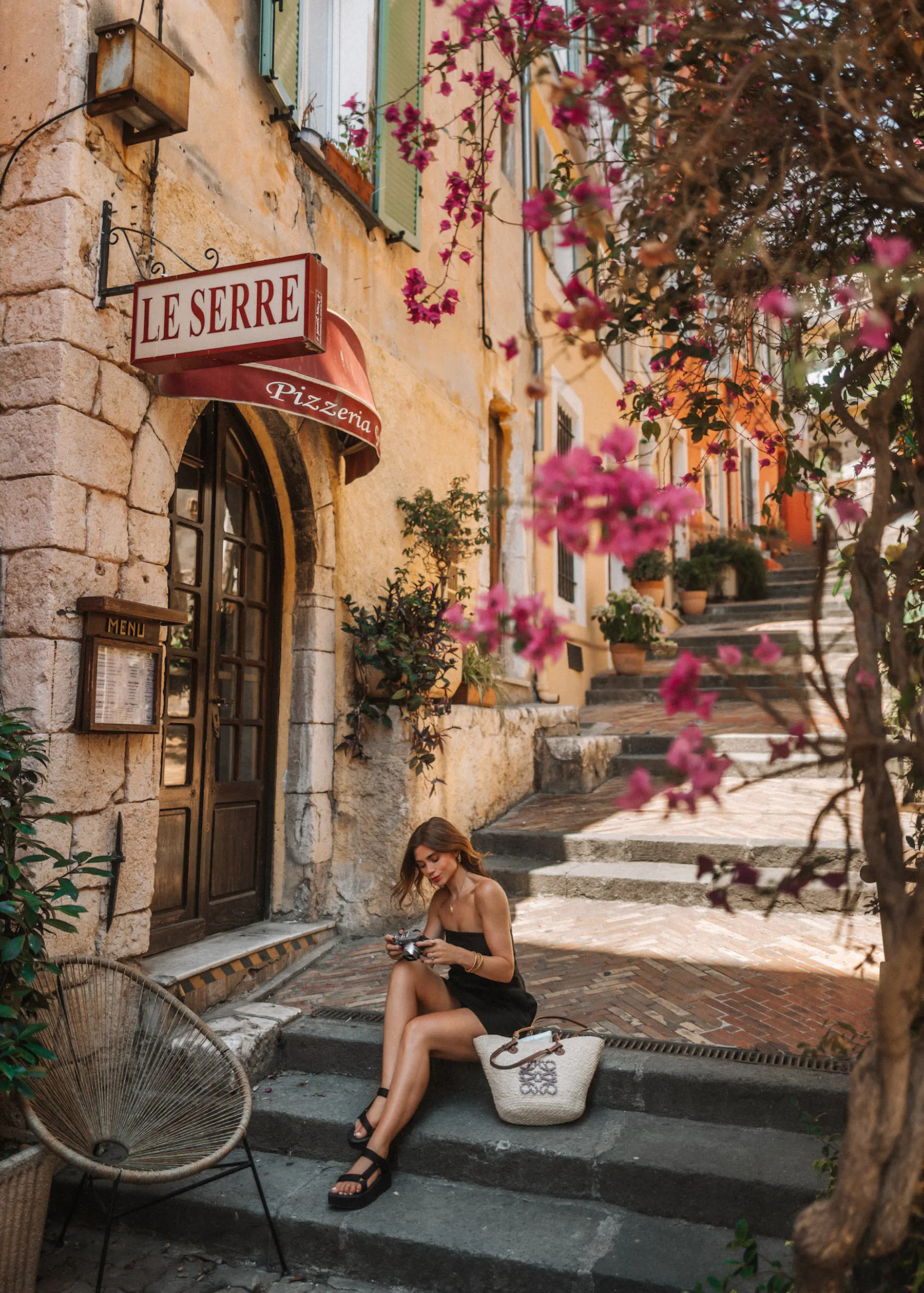
Ask anyone back from a two-week trip to describe their favorite meal or the view from a specific overlook in detail, and the answer often comes from scrolling back through the camera roll rather than actual memory, even when the trip happened days ago. That is not a failure of attention so much as a documented effect, one researchers have actually put a name to after watching it happen in a controlled setting. A short round of Play Solitaire with the phone camera left alone for a few minutes has become part of how I try to interrupt that pattern mid-trip, deliberately putting the camera down rather than reaching for it during at least a few of the best moments.
The Study That Named the Problem
A researcher at Fairfield University ran an experiment inside an art museum that has since become one of the more cited findings in memory research. Visitors were guided through a gallery and told to either photograph specific objects or simply look at them, then tested on what they remembered the next day. The people who had photographed objects recognized fewer of them afterward and struggled more with questions about what the pieces actually looked like, compared to the group that had just looked. Researchers now call this the photo-taking impairment effect, and the working theory is that reaching for a camera lets the brain quietly outsource the job of remembering, so it never fully engages with the thing in front of it in the first place. It is worth noting this was measured a day later under controlled lab conditions, not weeks after an actual vacation, so the effect on a real trip full of distractions and fatigue is plausibly even harder to fight than the original study suggests.
Why Taking More Photos Doesn't Fix It
A larger follow-up study involving several hundred participants tested an obvious question: whether taking several photos of the same object instead of just one would close the gap. It did not. Five photos produced the same memory impairment as one, and even photographing different details of the same object each time failed to help. The researchers described the effect as unusually robust across a wide range of conditions, which is a fairly bleak finding for anyone hoping that shooting more would somehow compensate for shooting mindlessly.
The One Habit That Actually Helped
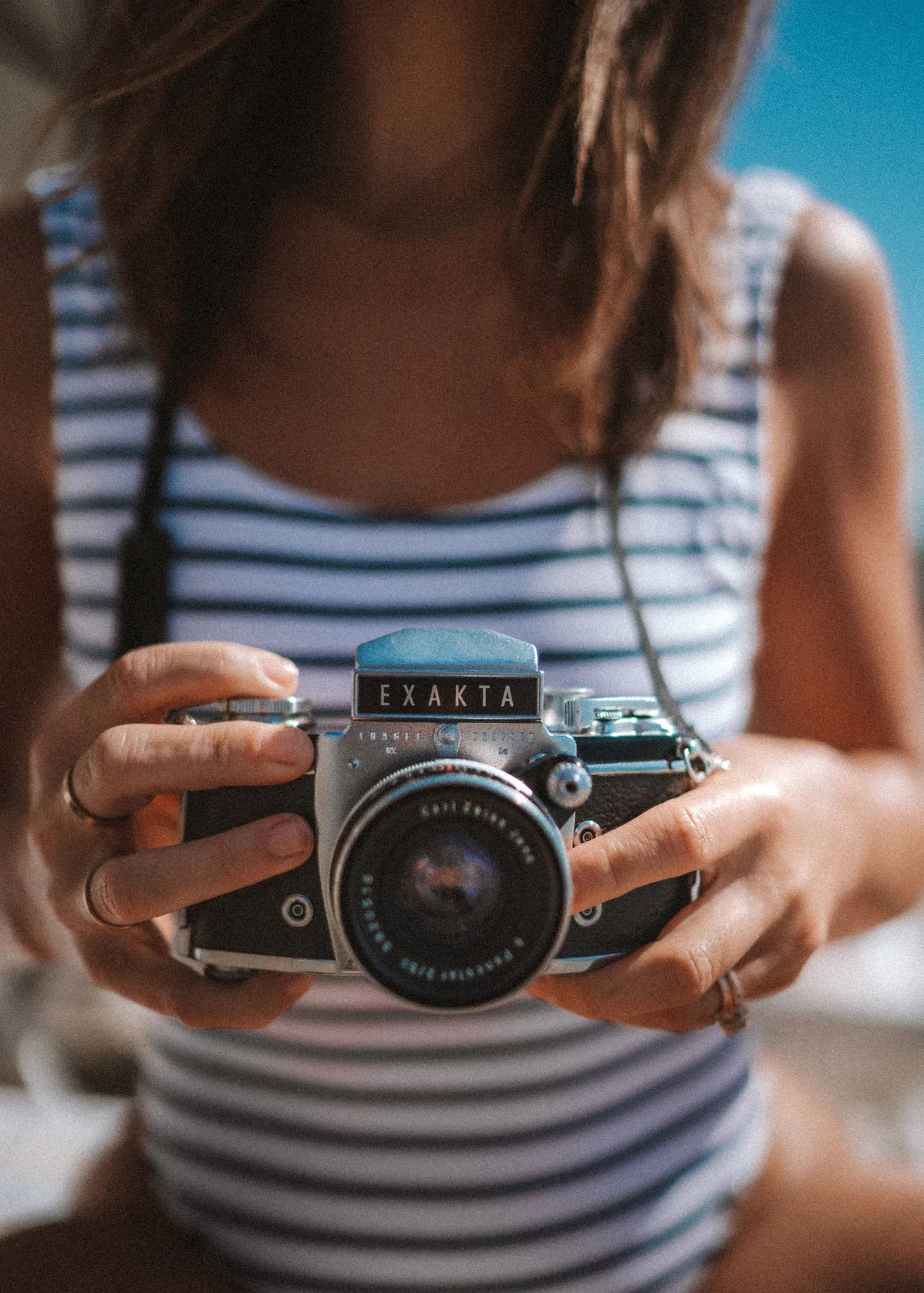
Buried inside the same research was a genuinely useful exception. When people were asked to zoom in on a specific detail before photographing it, their memory for that detail held up, and interestingly, their memory for the wider scene around it held up better too. The difference did not seem to be about the camera itself; it was about attention. Composing a shot deliberately, actually looking hard enough at something to decide how to frame it, appears to force the same kind of engagement that produces a real memory, while a fast, reflexive snapshot does not.
Building In a Few Camera Down Minutes
The practical takeaway is not to photograph less on a trip worth remembering; professional-quality photography is still worth every bit of planning it gets. It is that a trip benefits from a few stretches where the camera stays away entirely, not for a digital detox exactly, just long enough for a moment to actually get encoded as a memory rather than only a file. A quiet, low-key activity that keeps hands and attention gently occupied without competing for the same visual attention a good photo needs works well for exactly that kind of pause, something to do instead of shooting during the handful of moments each trip that are worth remembering with more than a photo. Which moments get that treatment is a personal call, but the research suggests it is worth making deliberately rather than leaving every moment of a trip to compete equally for a phone's attention.