Understanding Manaslu Circuit Trek Weather
The Himalayas have a unique way of reminding trekkers that nature is always in control.
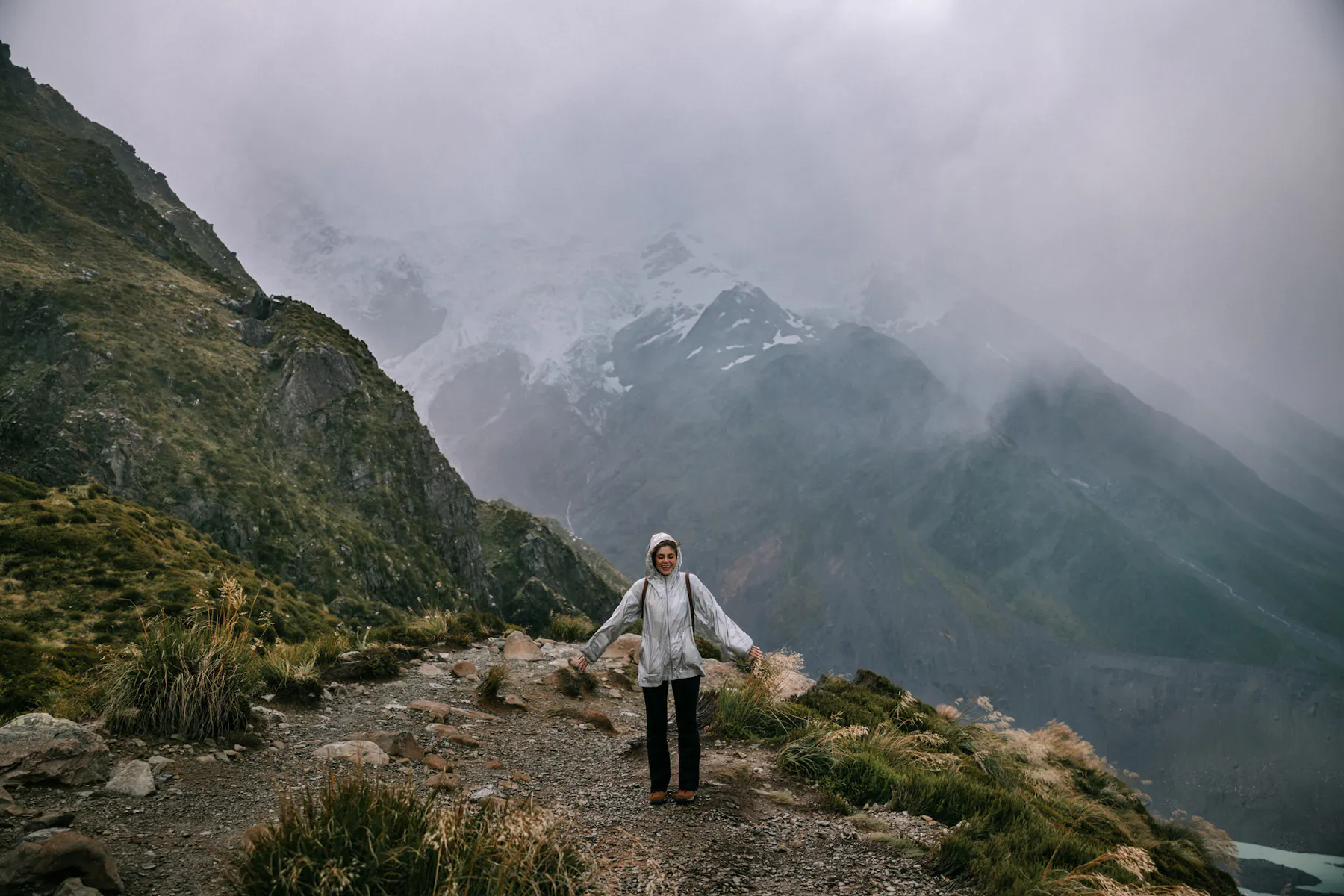
On the Manaslu Circuit, you might start the day in a warm river valley wearing a light shirt and end the day wrapped in several layers as temperatures fall below freezing near the high pass.
Many people preparing for the Manaslu Circuit Trek Nepal focus on their fitness, gear, or altitude, but the weather is just as important.
It affects everything from trail conditions and mountain visibility to the safety of crossing Larkya La Pass, which is at 5,160 meters. Understanding how the weather changes along the trek helps you choose the best season, pack effectively, and avoid mistakes that could impact your experience.
Unlike shorter mountain hikes, the Manaslu Circuit passes through several different climate zones in just over two weeks. Getting to know what to expect before you start can make the journey safer, more comfortable, and more enjoyable.
Why Does Weather Matter a lot?
The Manaslu Circuit stretches from subtropical valleys up to alpine areas over 5,000 meters. Few trekking routes in Nepal experience such dramatic climate changes in such a short distance.
At lower elevations, days are often warm and comfortable, while nights are pleasant.
As the trail climbs through Namrung, Lho, Samagaun, and Samdo, temperatures drop, winds get stronger, and weather becomes more unpredictable.
By the time trekkers reach Dharmasala and Larkya La Pass, even a sunny morning can quickly turn into freezing winds or snowfall.
For experienced guides, weather isn’t just something to check before the trek; it’s a key factor in daily decisions, including when to leave, what to wear, and whether it’s safe to cross the pass.
How Altitude Affects the Climate
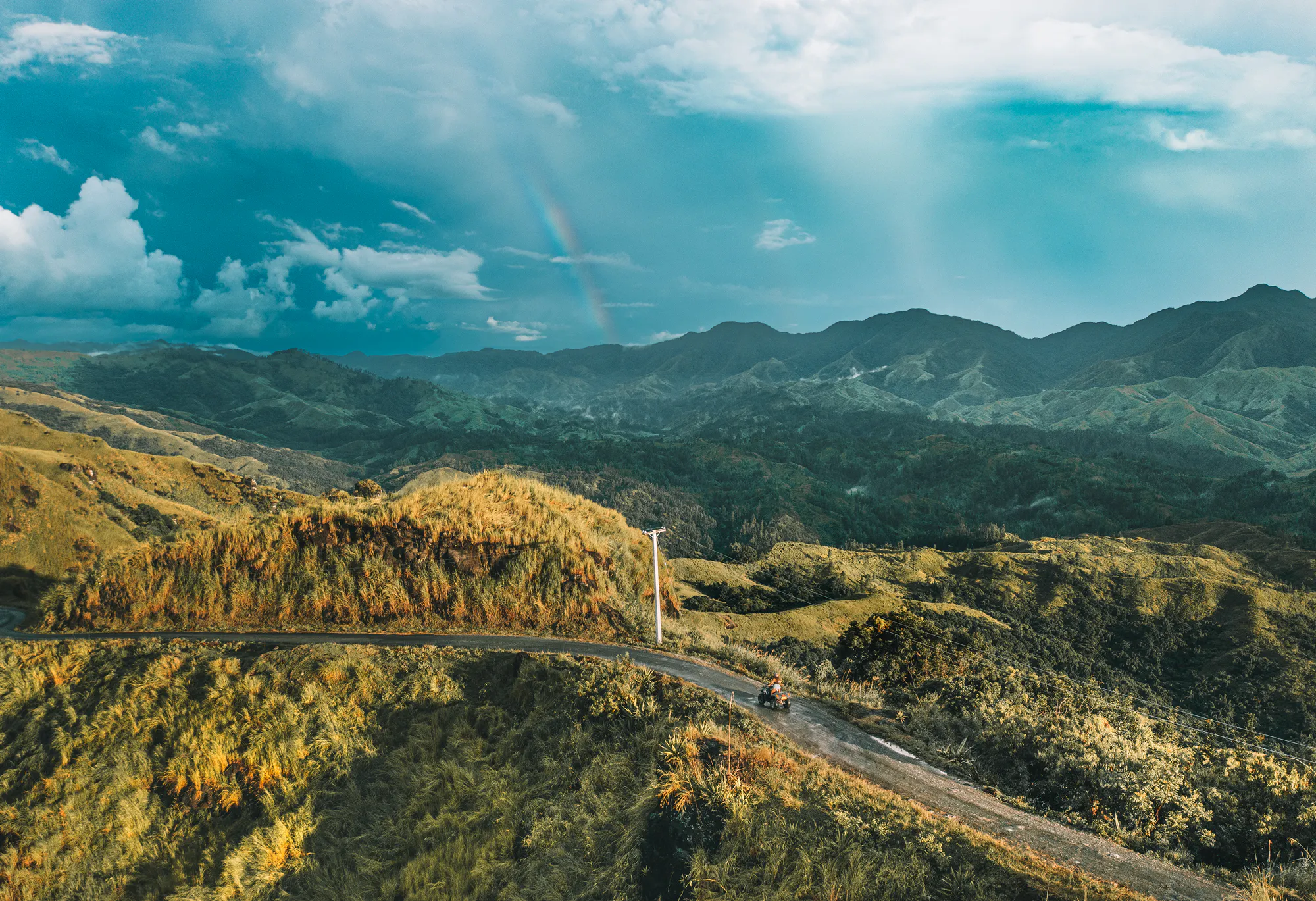
One of the biggest surprises for first-time trekkers is how quickly temperatures change with altitude. The journey starts among green hills, waterfalls, and farmland. As you go up, forests give way to alpine meadows, and eventually, to rocky landscapes with little vegetation.
Each increase in elevation brings colder temperatures and thinner air.
Location	Altitude
Machha Khola	930 m
Jagat	1,340 m
Deng	1,860 m
Namrung	2,630 m
Lho	3,180 m
Samagaun	3,530 m
Samdo	3,875 m
Dharmasala	4,460 m
Larkya La Pass	5,160 m
Because of these constant changes, experienced trekkers rely on layering instead of one heavy jacket. Conditions that feel comfortable during lunch can become noticeably colder after sunset.
Weather by Season
Spring (March to May)
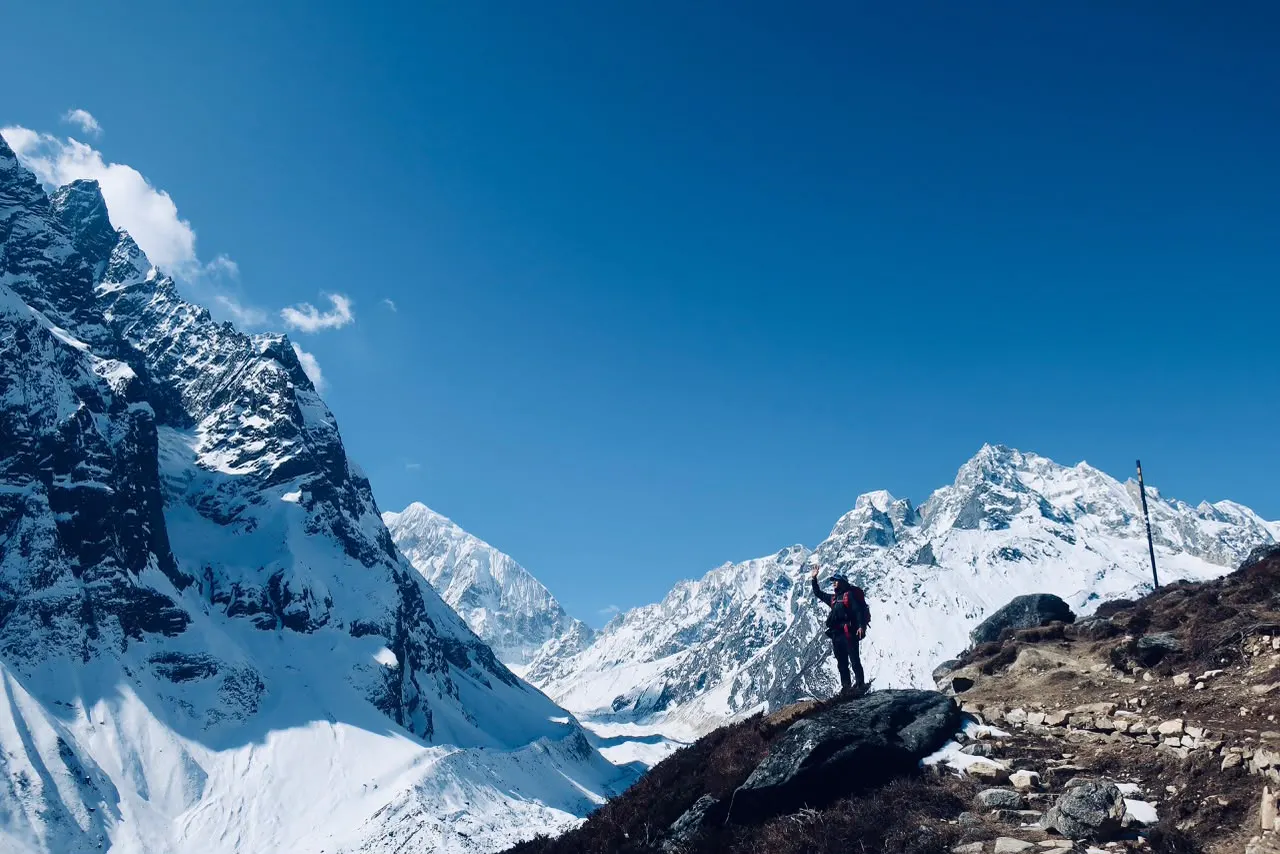
Spring is one of the most rewarding times to trek in the Manaslu region. As winter snow begins to melt, trails become more accessible, and mountainsides burst into color with blooming rhododendrons and wildflowers. Days are generally comfortable, making long walks more enjoyable.
Mountain views are often great in the mornings, although afternoon clouds can develop as temperatures rise. Spring is especially popular among photographers and first-time Himalayan trekkers because it combines pleasant weather with colorful landscapes.
Summer and Monsoon (June to August)
The summer months bring Nepal’s annual monsoon, resulting in a very different trekking experience. Lower parts of the trail see frequent rain, causing muddy paths, swollen rivers, and a higher risk of landslides. Road travel to the starting point can also be unpredictable.
Interestingly, parts of the upper Manaslu region receive less rain than many people expect because they lie in a rain-shadow area created by surrounding mountains.
Even so, trekkers should be ready for wet conditions and be flexible with their plans during this season.
Autumn (September to November)
When asked about their favorite trekking season, most local guides would suggest autumn. After the monsoon, the air is crisp, visibility is excellent, and mountain views are spectacular. Stable weather also makes crossing Larkya La Pass safer.
Although autumn is the busiest trekking season, the Manaslu Circuit still feels quieter than some classic Nepali routes, offering a peaceful mountain experience despite its growing popularity.
Winter (December to February)
Winter offers a sense of solitude not found in other seasons.
Snowy landscapes create beautiful scenery, but colder temperatures require more preparation. Nights above Samagaun often drop well below freezing, and heavy snowfall can sometimes delay or prevent crossings of Larkya La Pass.
For experienced trekkers with proper 20, the season offers unforgettable views and quiet trails. However, flexibility is essential, as weather can change quickly.
Local Weather Patterns Every Trekker Should Know
Mountain weather doesn’t always match the forecast. Experienced guides often look more closely at local conditions than at weather apps, because forecasts aren’t always reliable in remote Himalayan valleys.
Some common patterns include:
- Mornings tend to be clear and calm.
- Strong winds often develop near Larkya La Pass in the afternoon.
- Temperatures can change rapidly in a short time.
- Higher villages can have freezing nights even when daytime weather is pleasant.
These patterns explain why most groups leave Dharmasala before sunrise on the day they plan to cross the pass.
Common Weather Mistakes First-Time Trekkers Make
Many challenges on the Manaslu Circuit aren’t caused by bad weather itself but by underestimating it.
Some of the most common mistakes include:
- Packing clothes based only on the weather in Kathmandu.
- Starting late on the day of the pass crossing.
- Not carrying enough warm layers.
- Ignoring strong UV exposure at high altitude.
- Assuming mountain forecasts will always be accurate.
Simple preparation can help prevent many of these problems.
Packing for Changing Conditions
Since the weather varies throughout the trek, versatility is more important than quantity.
Experienced trekkers usually pack:
- Moisture-wicking base layers
- Warm fleece
- Insulated down jacket
- Waterproof shell jacket
- Thermal gloves and hat
- Sunglasses with UV protection
- Waterproof backpack cover
- Extra dry socks
Rather than wearing all your warm clothes at once, layering allows you to adapt throughout the day as temperatures change. Read my guide to layering hiking clothes for cold weather here.
Choosing the Right Season for Your Adventure
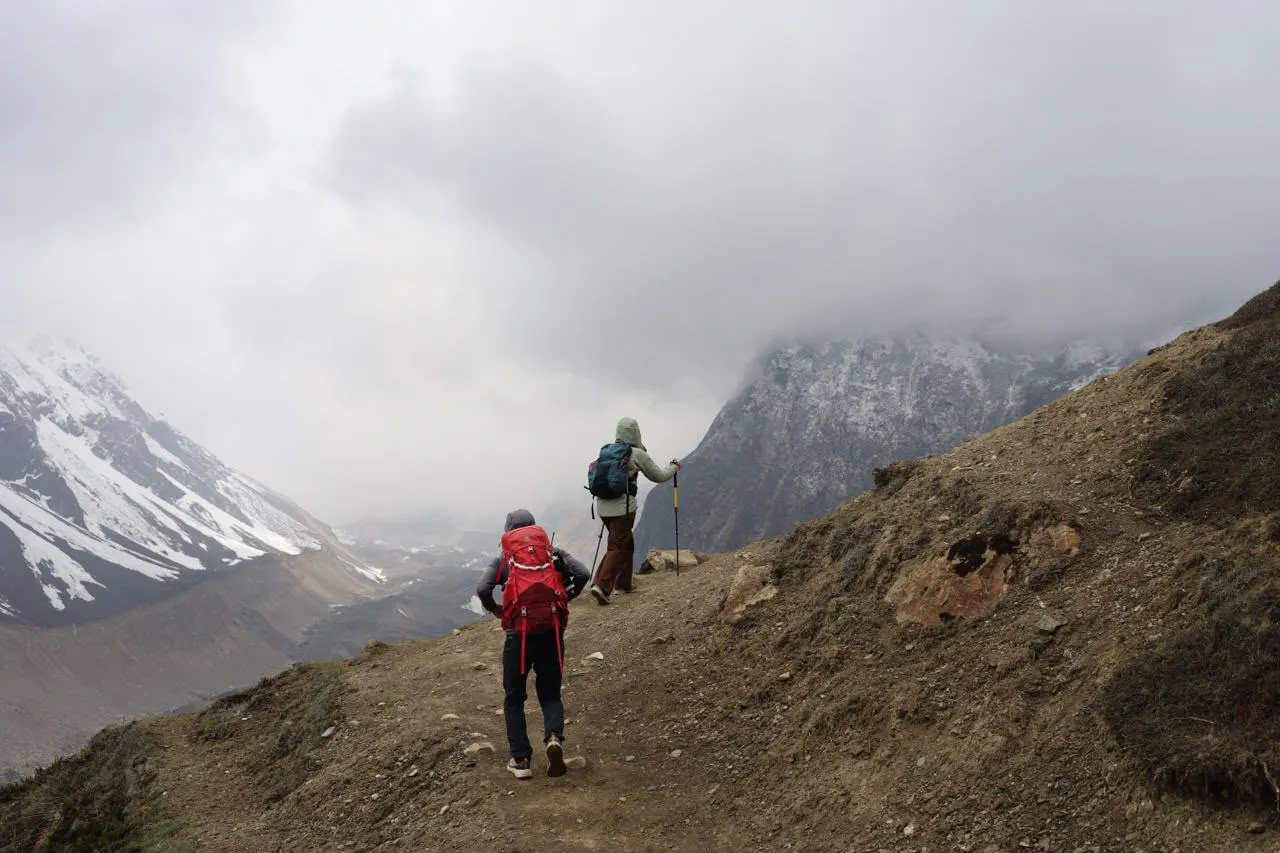
There isn’t one perfect season for every traveler, as each season offers a unique experience in the Himalayas.
Spring is ideal for those who enjoy blooming rhododendron forests, comfortable daytime temperatures, and vibrant mountain landscapes. Autumn remains the most popular season due to its stable weather, clear skies, and excellent Himalayan visibility.
If you're considering other trekking areas in Nepal, the Langtang Valley Trek is another excellent choice during spring and autumn. Like the Manaslu Circuit, it offers amazing mountain views and comfortable trekking conditions during these seasons, although its lower maximum altitude means weather changes are less extreme.
Winter appeals to experienced trekkers with peaceful trails and dramatic snowy scenery, while the monsoon season is best suited for those who enjoy solitude and are ready for more unpredictable weather.
Expert Tips from Local Guides
Guides who lead treks across Manaslu every season often share similar advice:
- Begin walking early, especially when crossing Larkya La Pass.
- Carry waterproof clothing even if the forecast looks clear.
- Keep gloves and warm layers easy to access in your daypack.
- Stay hydrated, even when it's cold.
- Allow enough flexibility in your schedule for unexpected weather changes.
Perhaps their most valuable advice is simple: never rush because of the weather.
Walking steadily and adapting to changing conditions is always safer than trying to outrun a mountain storm.
Conclusion:
Weather is a key factor at every stage of the Manaslu Circuit Trek, from the warm river valleys below Machha Khola to the icy crossing of Larkya La Pass.
Understanding how conditions vary with altitude and season helps trekkers prepare more effectively and enjoy the journey with greater confidence.
While no one can control mountain weather, choosing the right season, packing wisely, and following local guidance significantly improve both safety and enjoyment.
Whether you're planning your first Himalayan adventure or comparing it with routes like the Annapurna Circuit, learning about the weather beforehand is one of the best investments you can make before starting your trek.