Choosing between a hardtail and a full-suspension mountain bike is one of the first big decisions you'll face as a rider. Both styles have loyal fans, and for good reason. But they perform very differently on the trail, carry different price tags, and suit different types of riders. If you've ever stood in a bike shop feeling unsure about which direction to go, this guide breaks it all down clearly. By the end, you'll know exactly which setup matches your goals, your budget, and the terrain you plan to ride.
What Sets Hardtail and Full-Suspension Mountain Bikes Apart
The most fundamental difference between these two bike types comes down to how they handle impact. A hardtail mountain bike has a suspension fork at the front but no rear shock. The rear triangle of the frame is rigid, so all the force from bumps and rocks transfers directly through the frame to the rider. In contrast, a full-suspension mountain bike has both a front fork and a rear shock absorber. The rear of the bike can move independently from the front, which allows it to absorb trail chatter and large hits more effectively.
For riders exploring adult mountain bikes for the first time, this distinction matters more than it might seem. A hardtail forces your body to work harder on rough terrain because you absorb more of the impact yourself. Full-suspension bikes, on the other hand, let the bike do more of that work. This difference shapes everything from how tired you feel after a long ride to how confident you feel on a steep, technical descent.
Not all hardtails or full-suspension bikes are created equal, either. Entry-level full-suspension models sometimes come with lower-quality rear shocks that don't perform as well as a solid mid-range hardtail. So while the category matters, the quality of the components within each category plays a significant role in how the bike actually rides.
Ride Feel and Trail Performance
How Hardtails Handle on the Trail
On smooth dirt paths and flowy singletrack, a hardtail can feel incredibly efficient and direct. Because the rear end is rigid, every pedal stroke translates cleanly into forward motion. There's no energy lost through rear suspension movement, which means you get a snappier, more responsive ride on climbs and flat sections. Many riders actually prefer hardtails for cross-country and gravel-adjacent trails because of this efficiency.
Hardtails also give you clearer feedback from the trail surface. You feel every root, rock, and transition through the bike, which can sharpen your technical skills over time. For newer riders, this heightened feedback encourages better body positioning and line selection. The downside, but, is that on truly rough terrain, that same feedback becomes punishing. Hardtails demand more from your legs and arms to absorb what the frame can't.
How Full-Suspension Bikes Tackle Rough Terrain
Full-suspension bikes earn their place on rougher, more technical trails. The rear shock absorbs hits that would otherwise jolt your body, so you stay more in control through rocky sections, root-filled descents, and high-speed corners. Your tires also stay in better contact with the ground because the suspension keeps the wheel pressed into the terrain instead of bouncing off it. Better traction means more confidence, and more confidence means faster, safer riding.
The trade-off is a slightly less direct pedaling feel. Some energy does get absorbed by the rear suspension, especially on budget full-suspension models. Higher-end bikes use pedaling platforms and advanced linkage designs to reduce this effect significantly. If you ride trails with frequent technical features or descend at pace regularly, a full-suspension setup will very likely outperform a hardtail in both comfort and control.
Cost, Maintenance, and Weight Considerations
Budget plays a huge role in this decision, and full-suspension bikes generally cost more at every price point compared to hardtails. For the same amount of money, a hardtail will typically come with better components: a higher-quality fork, better drivetrain, and stronger brakes. Full-suspension frames add mechanical complexity, and that complexity costs money.
Maintenance is another area where the two differ noticeably. Hardtails are simpler by design. With no rear shock or pivot points to service, there are fewer parts that wear out or need attention. Full-suspension bikes require periodic rear shock servicing, pivot bearing checks, and linkage inspection. If you're not comfortable with home bike maintenance, those additional service visits add to your overall ownership cost.
Weight is a related factor. Full-suspension bikes are generally heavier than comparable hardtails because of the added hardware involved in the rear suspension system. For trail riders and gravity-focused riders, a few extra pounds rarely matter. For cross-country racers or anyone who rides long climbs regularly, that weight difference can be meaningful. Hardtails tend to feel more nimble on sustained ascents for this reason. Neither option is universally better: it depends entirely on the kind of riding you prioritize.
Which Bike Suits Your Riding Style and Skill Level
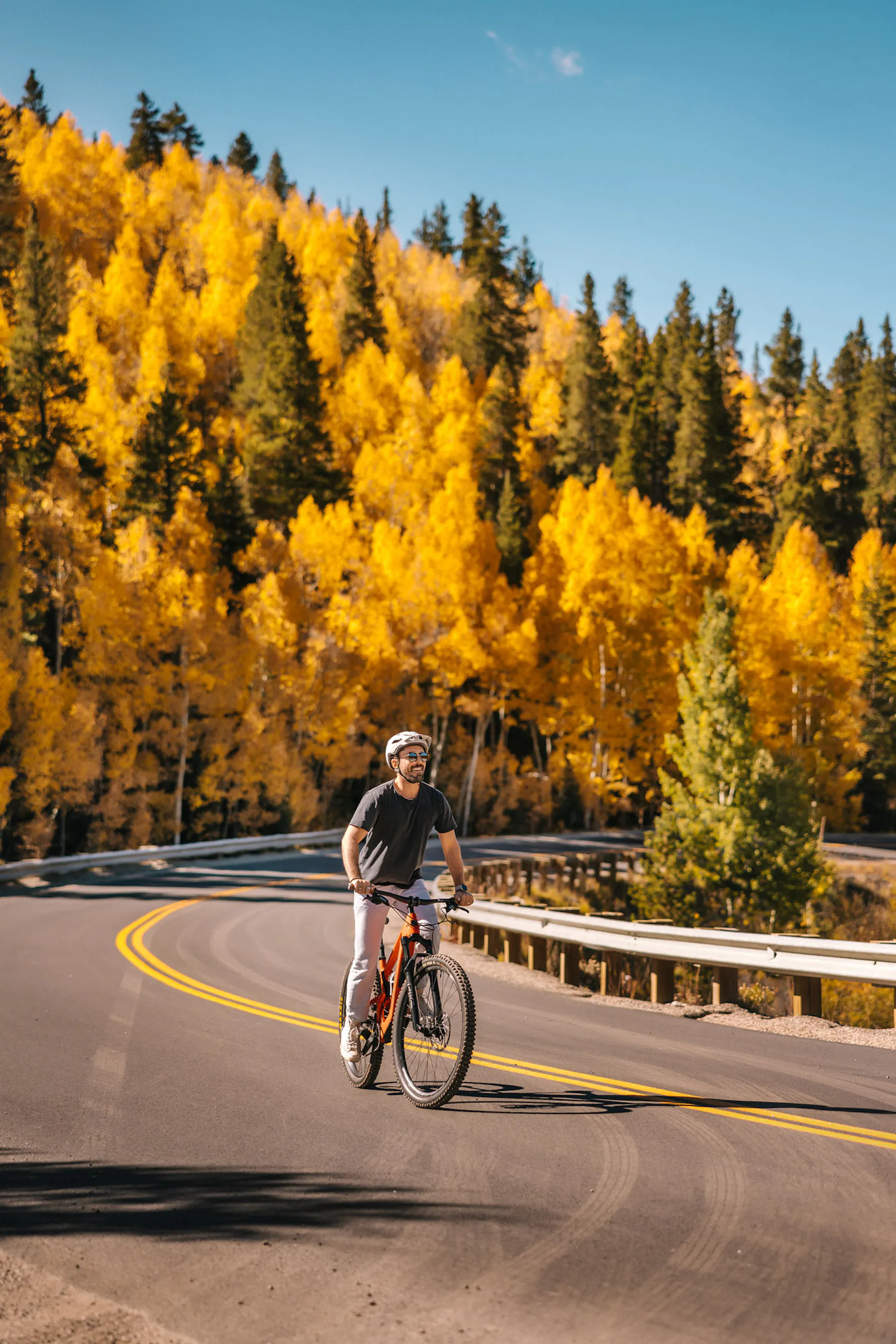
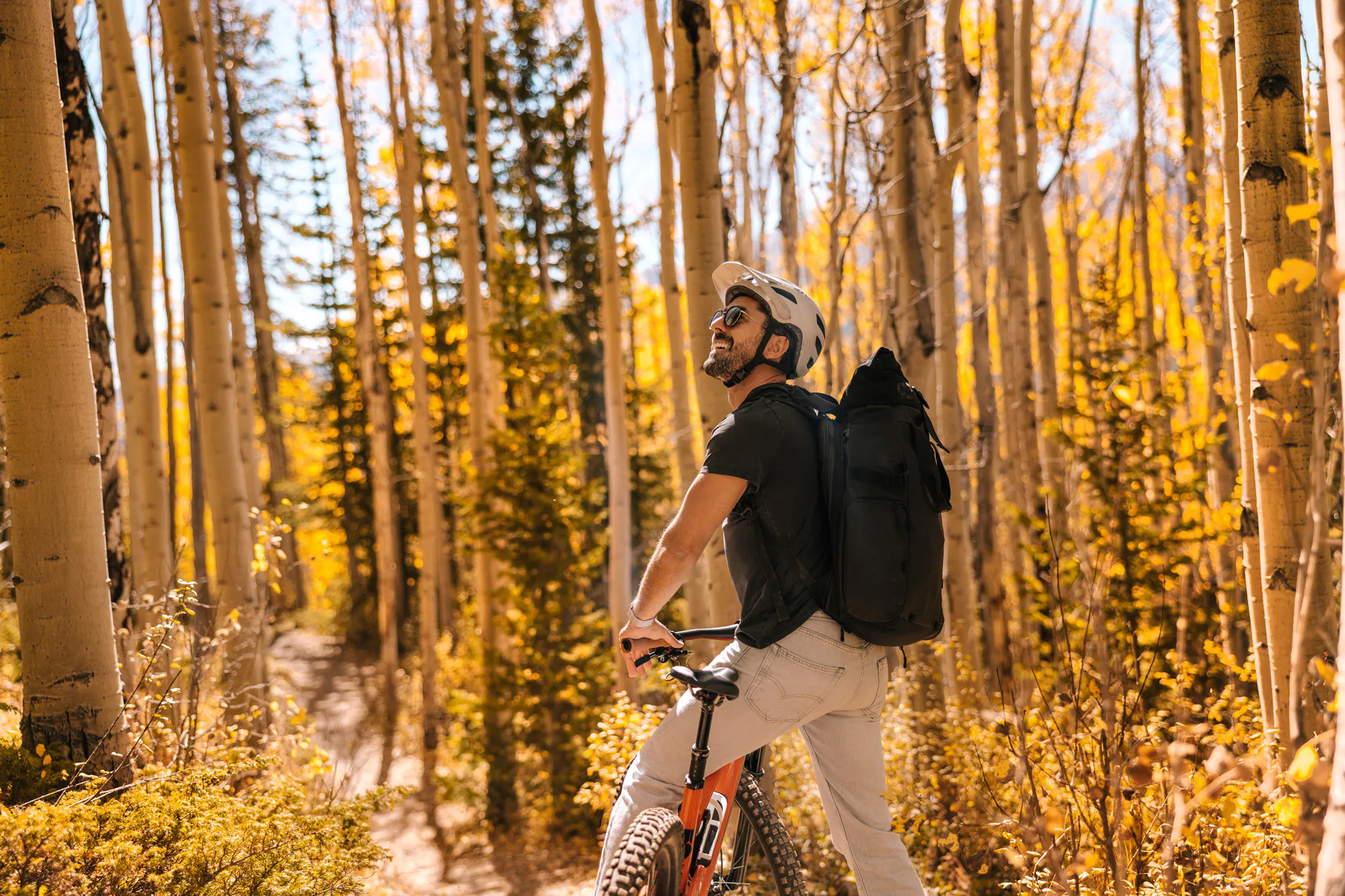
Your terrain, experience level, and riding goals should drive this decision more than anything else. If you ride mostly smooth trails, gravel paths, or light singletrack, a hardtail is likely a better fit. It rewards you with efficiency, durability, and a lower price tag. The simpler setup also lets you develop core mountain biking skills more quickly because the bike demands more active input from you.
If you ride aggressive trails, tackle technical descents, or want to push your speed on rougher terrain, a full-suspension bike makes a strong case for itself. The added control and comfort on difficult terrain can be the difference between a ride that feels manageable and one that feels genuinely dangerous. Full-suspension bikes also reduce physical fatigue on long rides, which means you can ride longer before your body gives out.
Skill level matters, too, but perhaps not in the way you'd expect. Beginners often benefit from starting on a hardtail because it teaches proper technique and builds confidence on the trail. More experienced riders who know their preferred terrain and riding style are better positioned to invest in a full-suspension setup that matches their specific needs. That said, if your local trails are naturally technical and rocky, jumping straight to full-suspension can make the sport more accessible from the start.
Conclusion
There's no universally correct answer between a hardtail and a full-suspension mountain bike. Your terrain, budget, and riding goals define which one serves you best. Hardtails offer simplicity, efficiency, and value. Full-suspension bikes deliver comfort and control on demanding trails. Take an honest look at where you ride, how often you ride, and how much you're prepared to spend. That clarity will point you toward the right choice faster than any spec sheet ever could.