Europe finally made it to your travel list? You have probably saved Paris cafés, Swiss mountains, Italian streets, and a suspicious number of airport reels by now. If you are wondering where to begin, this Europe travel guide is a good place to start.
Now you must be wondering which country to visit during Europe trip for first-time travelers? How does the Schengen visa work? Should you book a tour or plan everything yourself? Which cities can you cover by train? How much should you budget in rupees? And, most importantly, how do you avoid spending your holiday dragging luggage across three railway platforms?
Europe vacation packages from India can make planning easier, especially if this is your first international trip. You can also plan the journey yourself if you prefer more freedom. Either way, a sensible route, realistic budget, proper visa preparation, and a little knowledge of European travel can save you plenty of time, money, and last-minute panic.
You do not need to squeeze ten countries into ten days. All you have to do is to pick three to four countries, connect them with practical train or flight routes, and leave some room for unexpected discoveries. With the right preparation, you can enjoy more of Europe, handle the usual travel hiccups, and return with memories instead of a suitcase full of regrets.
Europe Travel Guide for Indians: The Checklist
1. Decide Your Europe Route First
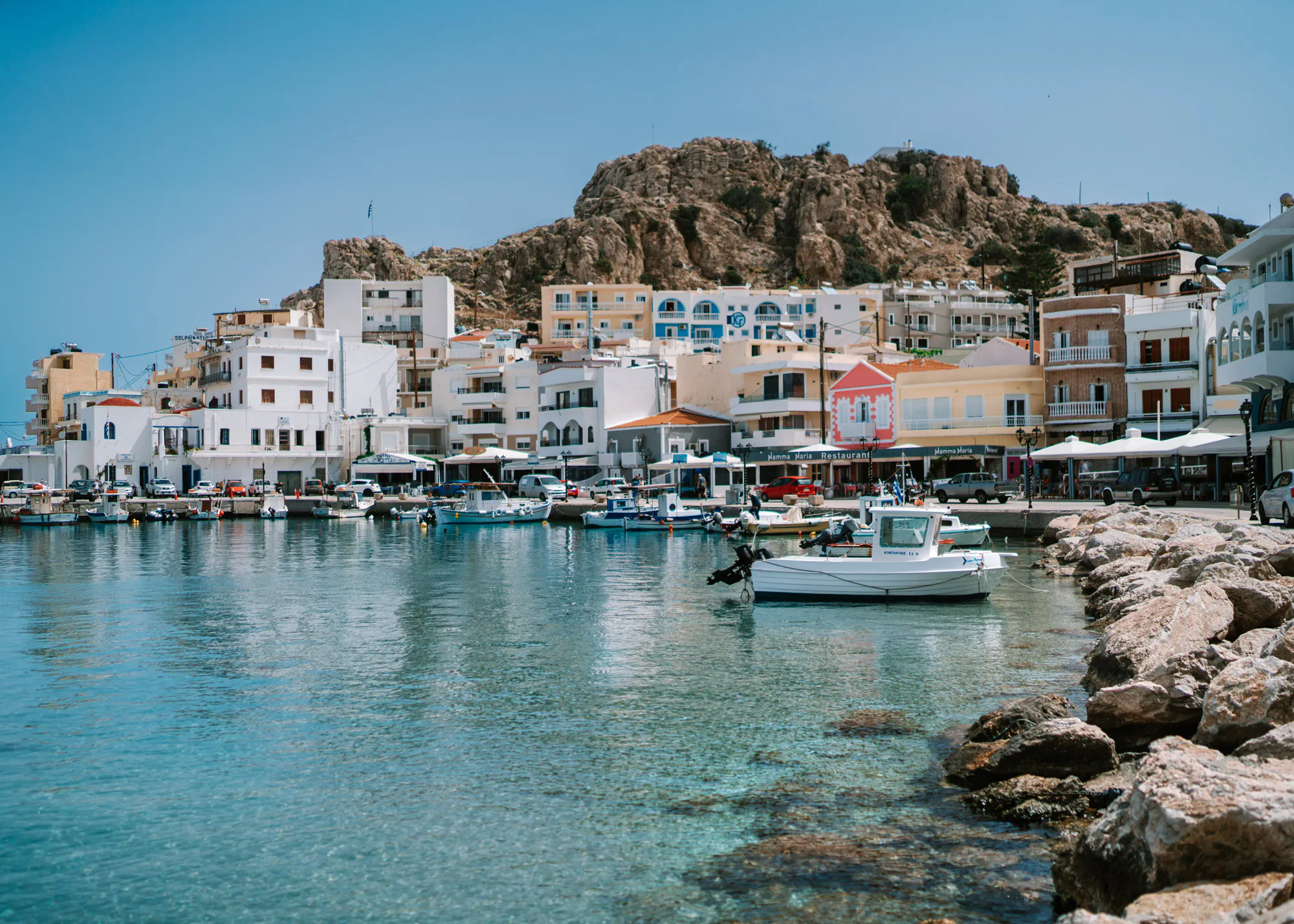
Before booking flights, decide what kind of Europe experience you want. For famous landmarks, Alpine scenery, and Italian food, France, Switzerland, and Italy make a strong first trip. Prefer more cities and lower daily costs? Combine Paris, Amsterdam, Prague, and Vienna. Want Central Europe without Switzerland’s higher prices? Try Prague, Budapest, and Vienna.
As a genuine Europe travel guide for Indians, these routes offer a useful mix of sightseeing, food, transport, and different price levels. Choose based on what you actually want to do, not just how many countries you can squeeze onto Instagram.
2. Understand the Schengen Visa
Think your Europe trip starts with the Eiffel Tower? Sorry, paperwork comes first. You will need a Schengen visa for short tourism stays of up to 90 days in 180 days. The adult visa fee is €90, and can be applied through VFS Global. You need to have a valid passport, a duly filled application form, photos, travel insurance, proof of travel and stay, financial proof, a travel plan, and a solid cover letter that establishes your intent to return to India.
You can apply through the country where you spend the longest part of your trip. Normal processing takes 15 days, but it can stretch to 45 days if extra checks are needed. Popular choices for first-time Indian travelers include France, Italy, Switzerland, Spain, Greece, and Austria. This Europe travel guide recommends starting the paperwork well before your flight date.

3. Choose Flights From India Carefully
One of the simplest Europe travel planning decisions is choosing where to fly from. Start with Delhi and Mumbai, especially if you are looking for European routes. Return economy fares to Paris, Rome, Frankfurt, or Amsterdam can often fall around ₹40,000 - ₹80,000, depending on your dates. If you are deciding the best time to visit Europe, compare fares for spring, early autumn, and peak summer before booking. Direct flights from Delhi or Mumbai save time, while one-stop routes through Doha, Dubai, Abu Dhabi, or Istanbul can cost less.
Traveling from Bengaluru, Chennai, or Hyderabad? Compare the total cost before positioning yourself in Delhi or Mumbai. Planning several countries? Choose a multi-city ticket. No backtracking, no suitcase marathon.
4. How Much Money Should You Carry?
Wondering how much cash you actually need in Europe? For 10 - 14 days, an Indian traveler can start with around ₹1.2 - ₹1.8 lakh per person for a budget trip. A comfortable luxury holiday can cross ₹4 - ₹8 lakh. Credit Cards will handle most of your hotel, train, and restaurant bills. Still, keep €50 - €100 handy for a Paris bakery, a Budapest market, or that tiny café where the card machine mysteriously takes the day off.
Before leaving India, check your card's foreign transaction fee, ATM withdrawal charge, and currency-conversion rate. Keep a second card separately from your main wallet. If one disappears in Rome, your holiday should not disappear with it, as advised in many Europe vacation guide. Also remember that not every European country uses the euro. Hungary uses the forint, Czechia uses the koruna, Poland uses the złoty, and Switzerland uses the Swiss franc.

5. Pick Hotels Near Public Transport
You do not need to sleep beside the Eiffel Tower to enjoy Paris. Your hotel only needs to be close enough to a metro, tram, or train station so that you can reach the main sights without turning every outing into a taxi bill. In Paris, Prague, Vienna, Budapest, and Rome, staying near public transport can save both time and money. Look for a station within roughly 5 - 10 minutes on foot. That extra walk is usually easier than paying for a taxi after every museum.
One of the very important lesson under Europe travel guide for Indians is that on a tighter budget, check hostels, guesthouses, and three-star hotels. For more comfort, consider four-star hotels with breakfast, especially if the room rate is competitive. Before booking, check late-night transport, station access, lifts, and luggage storage. A beautiful hotel becomes less beautiful when you are dragging a 23-kg suitcase up three flights of stairs. And yes, those European cobbled streets have a personal grudge against trolley bags.
6. Use Trains Between European Cities
European trains can be a smart choice for Indian travelers because city-center stations often save you the airport commute and check-in hassle with Europe travel guide for Indians. Routes such as Paris to Amsterdam, Paris to Zurich, Vienna to Budapest, Prague to Vienna, Milan to Rome, and Rome to Florence are easy to consider for a first trip. Book high-speed trains early as last-minute fares can climb quickly.
For a scenic splurge, the Glacier Express takes you between Zermatt and St. Moritz through the Swiss Alps, while the GoldenPass Express connects Montreux and Interlaken with lake and mountain views. Want full Bollywood treatment? The Venice Simplon-Orient-Express from Paris to Venice brings vintage cabins, formal dining, and serious Zindagi Na Milegi Dobara energy. It costs far more than a regular train, though, so keep it for the “once in a lifetime” budget.

7. Plan Your Sightseeing Around Geography
Think of your Europe trip like a cross-country journey, not a treasure hunt. Group nearby places and avoid zigzagging across cities. In Paris, combine the Louver, Tuileries Garden, and Seine along with a Europe travel guide who will explain everything to you about those attractions. When you are in Switzerland, explore Lucerne’s lake and Chapel Bridge, then head to Interlaken for Lake Brienz, Lake Thun, and Jungfraujoch.
In Greece, pair the Acropolis with Plaka, then keep another day for beaches. Barcelona and Lisbon also offer beaches and waterfronts alongside city sights. Book timed entries early for smoother Europe travel planning, and checking official sites can save you unnecessary third-party fees. You can also consider joining WanderOn Europe group tour to help you plan your experiences within your location.
8. Eat Local Without Blowing Your Budget
You do not need a €100 dinner every night. In Paris, pick up a croissant and café au lait from a local boulangerie for breakfast. In Rome, order carbonara or cacio e pepe at a neighborhood trattoria. In Naples, go for a Margherita pizza. In Budapest, try lángos or goulash. In Kraków, order pierogi with a side of sour cream.
For cheaper meals, visit Mercado da Ribeira in Lisbon, Central Market Hall in Budapest, Naschmarkt in Vienna, or Stary Kleparz in Kraków for pastries, sandwiches, cheese, fruit, and local dishes. Missing Indian food after a week? You will find Indian restaurants in Paris, London, Rome, Amsterdam, and Berlin, but expect to pay considerably more than you would in India.

9. Prepare for European Weather
Europe does not pack its weather into one neat box. July in Rome, Athens, or Barcelona can be hot, while Switzerland and Northern Europe can feel much cooler, especially in the mornings and evenings. Heading to the Alps? Pack a light jacket even in summer; mountain weather can change quickly.
Wondering about the best time to visit Europe? April - May and September - October can be useful months for travelers who want milder weather and fewer peak-season crowds, although conditions vary by country. For winter trips, Prague, Vienna, Budapest, and Switzerland can get properly cold, so pack thermal layers, wool socks, gloves, and a warm waterproof coat.
And bring proper walking shoes. Rome’s cobblestones, Lisbon’s steep streets, and Paris’s long sightseeing days can easily put 15,000 - 20,000 steps on your phone. Your shoes should be ready for the assignment.
10. Get a SIM or eSIM Before You Need It
You will use mobile data constantly in Europe. Google Maps, train apps, digital tickets, restaurant bookings, translation, and WhatsApp can eat through data faster than expected. If you use Jio, Airtel, or Vi, check their international roaming packs before leaving India. Compare the total data, validity, and outgoing call charges rather than choosing the first package you see.
For a 10 - 14 day trip, consider a regional eSIM such as Airalo Eurolink, which covers multiple European countries. Compare the data allowance and validity before buying. Europe vacation guide planning becomes much easier when your maps and train tickets work the moment you land.
With the right Europe travel guide, your holiday can be exciting without becoming a daily battle with trains, visas, budgets, and luggage. And if you are booking a Europe trip for first-time travelers, remember one simple rule: plan enough to avoid chaos, but not so much that you leave no room for fun.