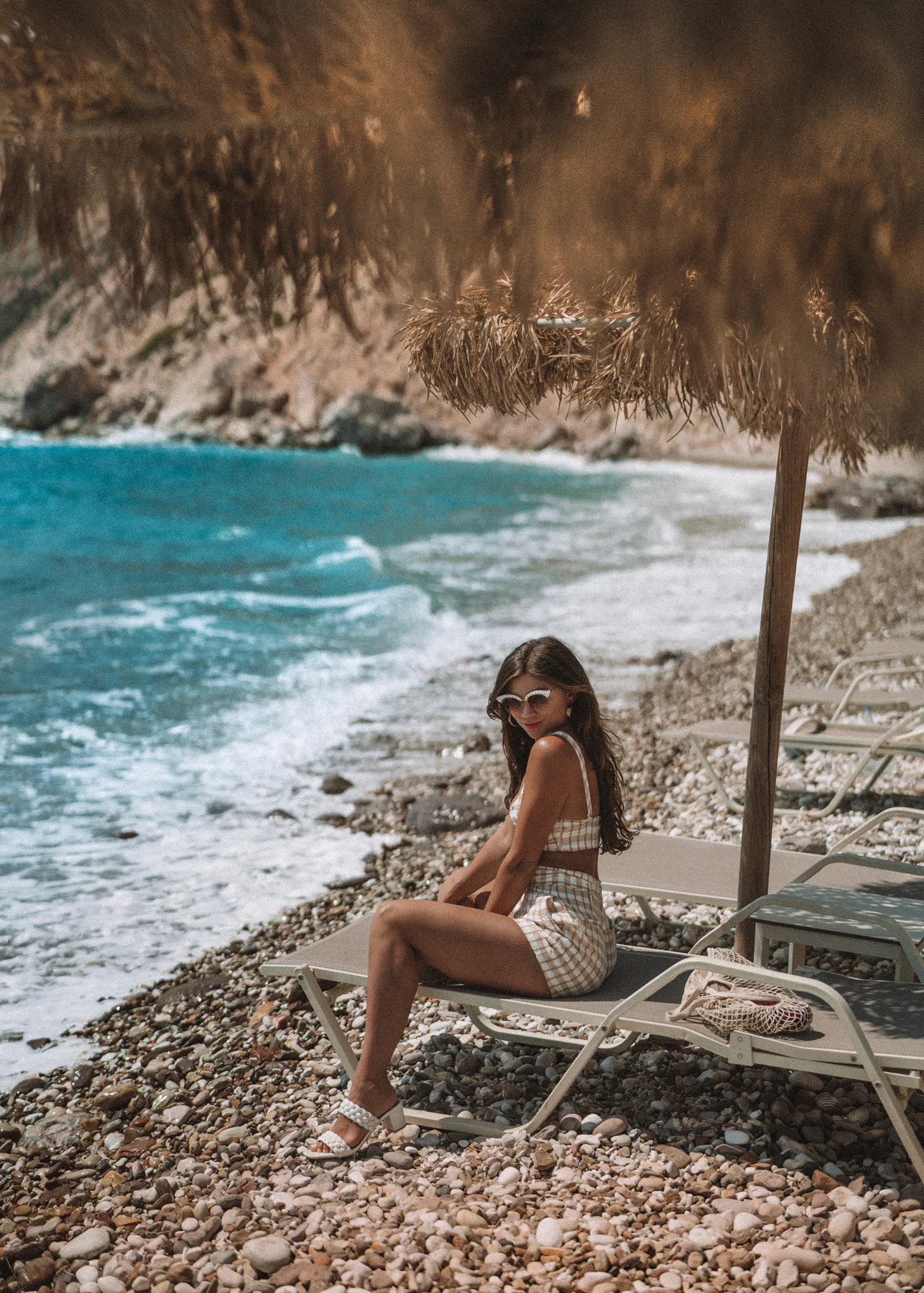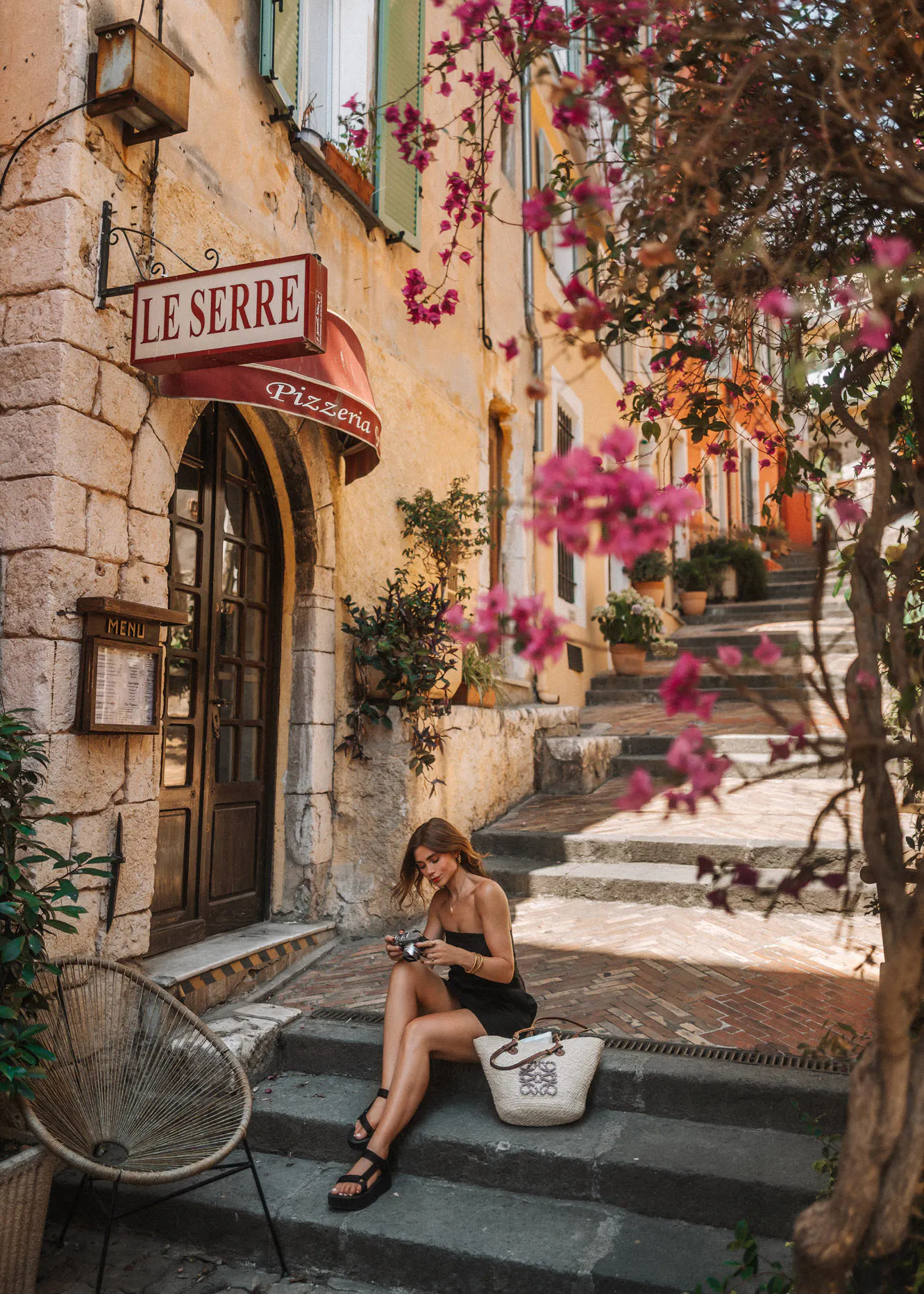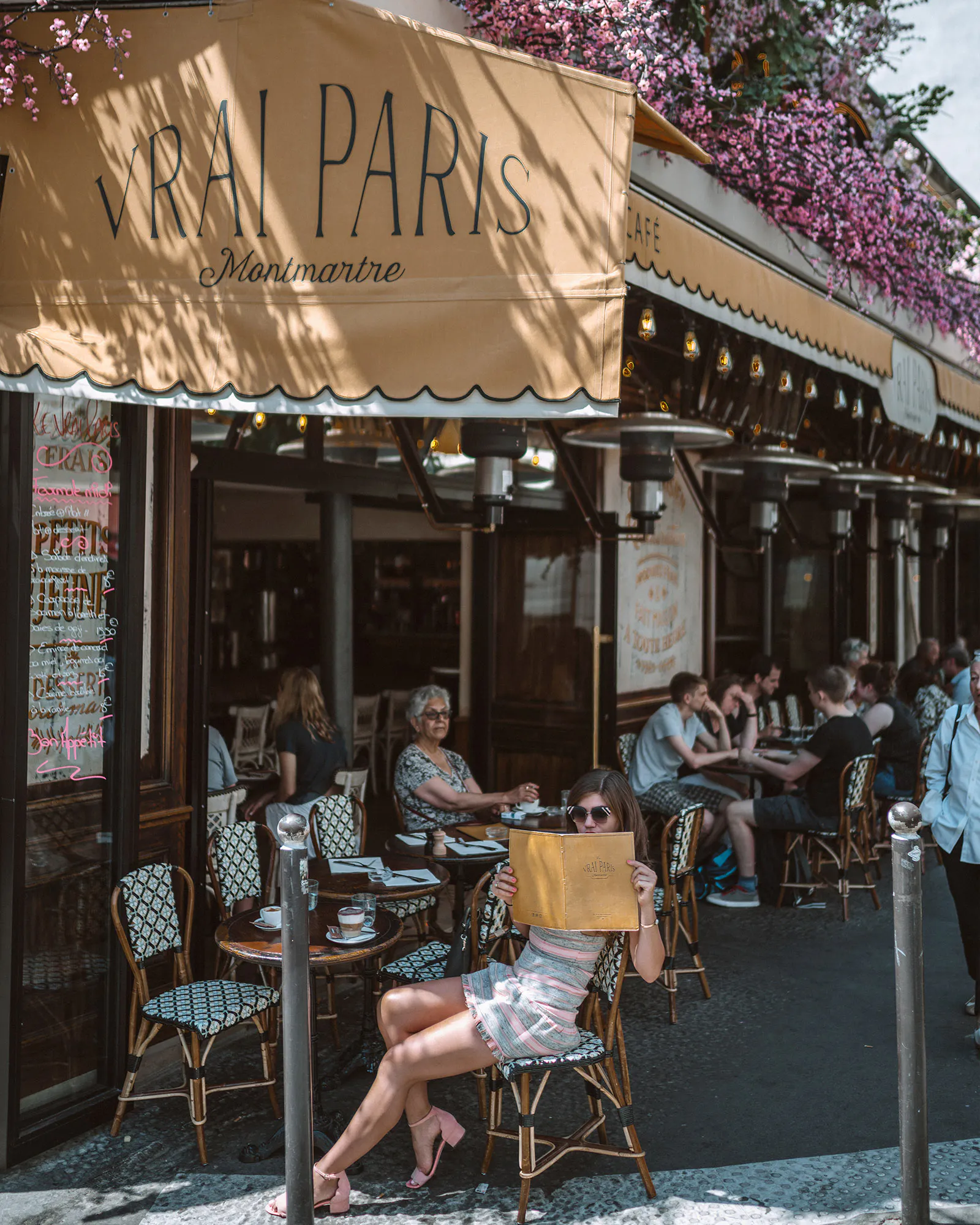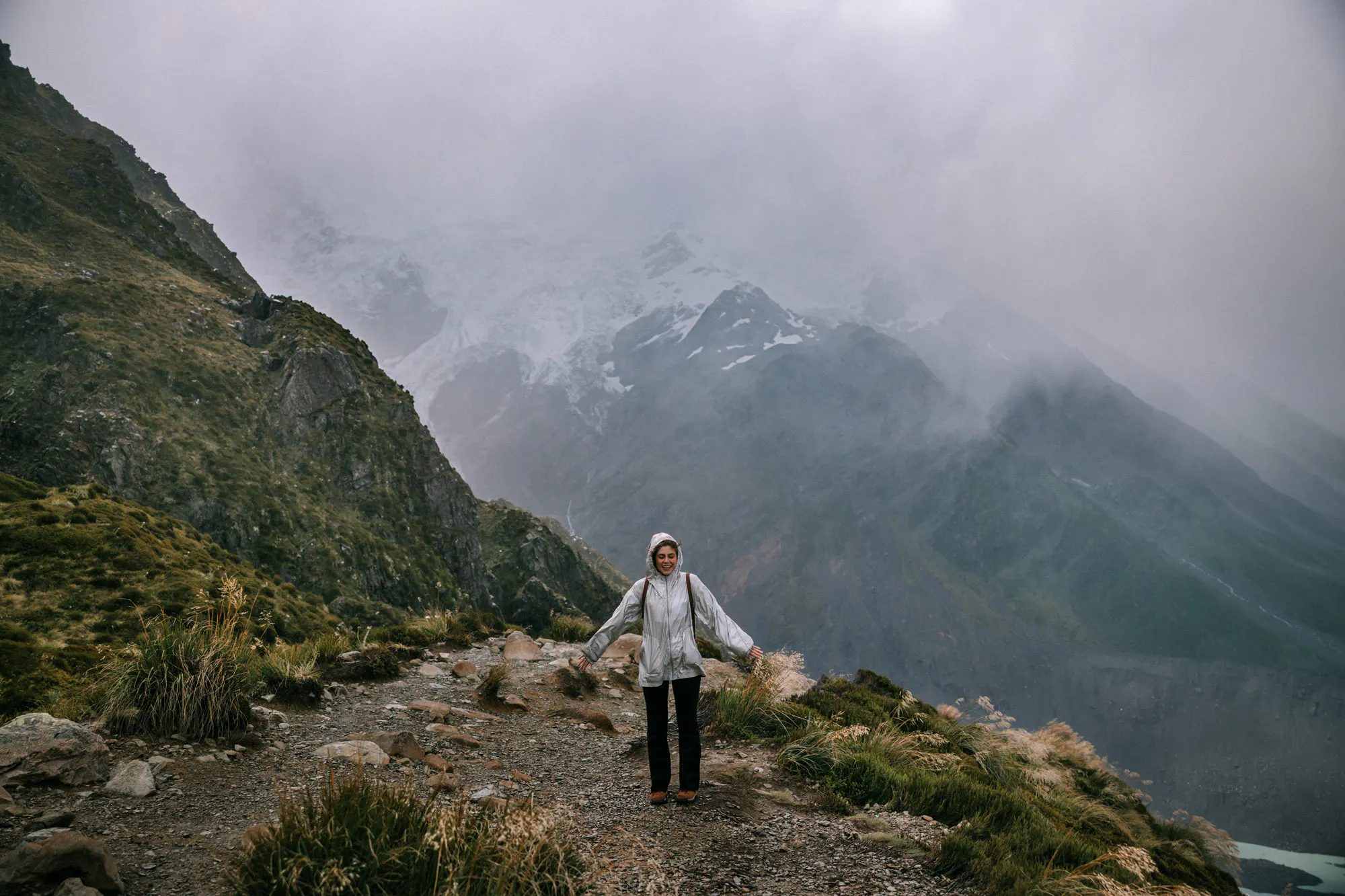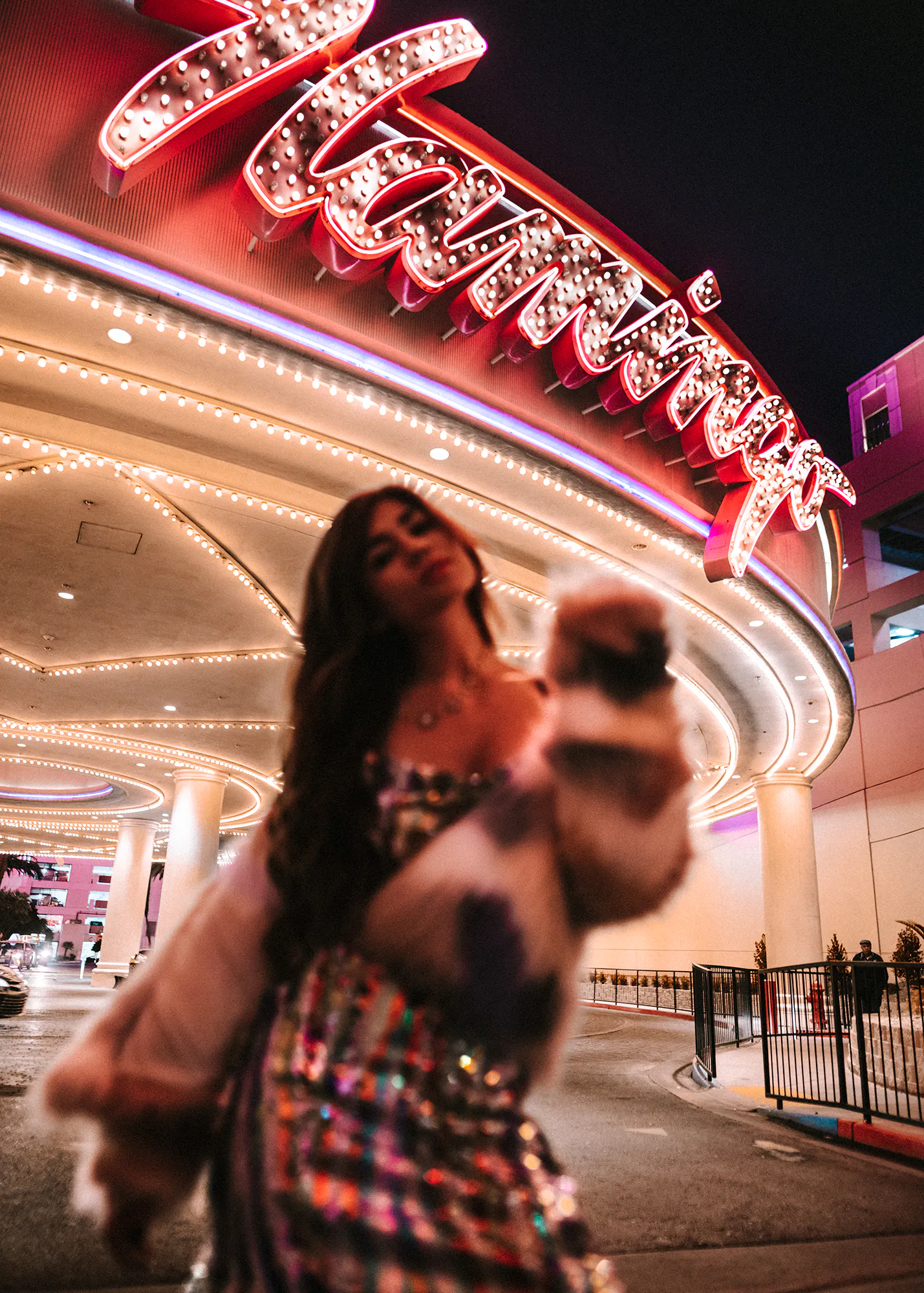
There's a specific disappointment that hits when you get back to the hotel and start culling the day's images. You felt fine. You looked fine in the bathroom mirror. And then there it is on a 45-megapixel file - texture across the cheeks, shadows sitting wrong under the eyes, makeup catching on dry patches you couldn't see at arm's length.
Nine years of shooting on the road and the pattern never changed: the photos from day one of a trip are almost always the ones I end up discarding. Here's what's happening technically, and the routine I built to stop losing that first day.
The Camera Isn't Being Unkind, It's Being Accurate
Your bathroom mirror gives you flat, overhead, forgiving light. A camera outdoors gives you directional light, and directional light rakes across the surface of your skin.
That's the whole problem. Dehydrated skin has slightly disrupted surface texture - microscopic irregularities that catch and scatter light unevenly. Under flat light, you'll never see it. Put the sun at 45 degrees, which is exactly where you want it for a portrait, and every one of those irregularities throws a tiny shadow.
Cabin air is what sets this up. Aircraft humidity runs somewhere between 10 and 20 percent. The Sahara sits around 25. You've spent nine hours in conditions drier than a desert, and your skin has been losing water to the air the entire time.
Foundation makes it worse, not better. Product sits in the dry patches instead of over them, and the sensor picks that up with more clarity than your eye ever will.
The Night Before Is the Whole Game
This is the part people get backward. They try to fix it the morning of, twenty minutes before heading out, and there simply isn't time for anything to work.
Skin rehydration isn't instant. You need hours of occlusion - something sitting on the surface preventing water loss while the deeper layers recover. Which means the work happens while you sleep, on the night you land, not on the morning you shoot.
My arrival-night routine is three steps and takes four minutes. Cleanse gently, apply something hydrating to skin that's still damp, then seal it. That last step is where a face oil for overnight use earns its place in the bag - Prima's Night Magic is the one I've been traveling with, a botanical blend of prickly pear, moringa, rosehip and chia layered over a jojoba base. Their own independent study, run on 30 women over eight weeks, reported a 33 percent improvement in hydration and 16 percent in visible firmness. Small, company-commissioned, so treat it as directional. What I care about practically is that it's one bottle doing the job of three, and it goes on last.
Damp skin is the detail most people skip. Applying an oil to a dry face gives you a barrier over nothing. Applying it over damp skin traps the water underneath, which is the entire mechanism.
Quick tip: hotel air conditioning is the second desert of your trip. If the room has a bathroom, run a hot shower for two minutes before bed and leave the door open. Free humidifier.


The Shine Trap
Now the counterintuitive part, and the reason I keep oils strictly nocturnal.
Oil on skin creates specular highlights - a hard, mirror-like reflection rather than the soft, diffuse glow you're after. In person, that reads as luminous. Under a flash or midday sun it reads as an oil slick across the forehead and nose, and it's genuinely difficult to retouch because you're recovering blown highlights.
So: oil at night, absorbed by morning, nothing heavy on the day you're shooting. The glow you want in the image comes from skin that's properly hydrated underneath, not from something reflective sitting on top of it.
If you do end up shiny on location, blotting paper beats powder every time. Powder over oil turns into visible texture within an hour.
Puffiness Is a Separate Fight
Worth separating out, because hydration doesn't touch it.
Under-eye puffiness is fluid retention, and after a travel day it's some combination of airplane sodium, low cabin pressure, alcohol, and having slept semi-upright at an angle. It shows up in photos as shadow, not texture, and no amount of facial oil will help.
What works: sleep with an extra pillow so your head sits above your heart, and put something cold on your face for two minutes in the morning. Chilled spoons, a cold can, the hotel's ice bucket. Cold constricts, fluid drains, and you buy yourself about three hours.
Schedule Around It
The last piece isn't skincare at all - it's your itinerary.
I stopped putting portrait work on arrival day entirely. Landscapes, architecture, details, anything that doesn't involve my face. Portraits go on day two, after one proper night of sleep and one night of the routine above.
That single scheduling change improved my first-day keeper rate more than any product ever did. The fix was never really about looking better. It was about not asking my face to perform on the worst possible day for it.