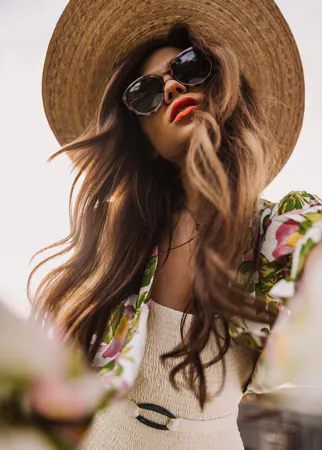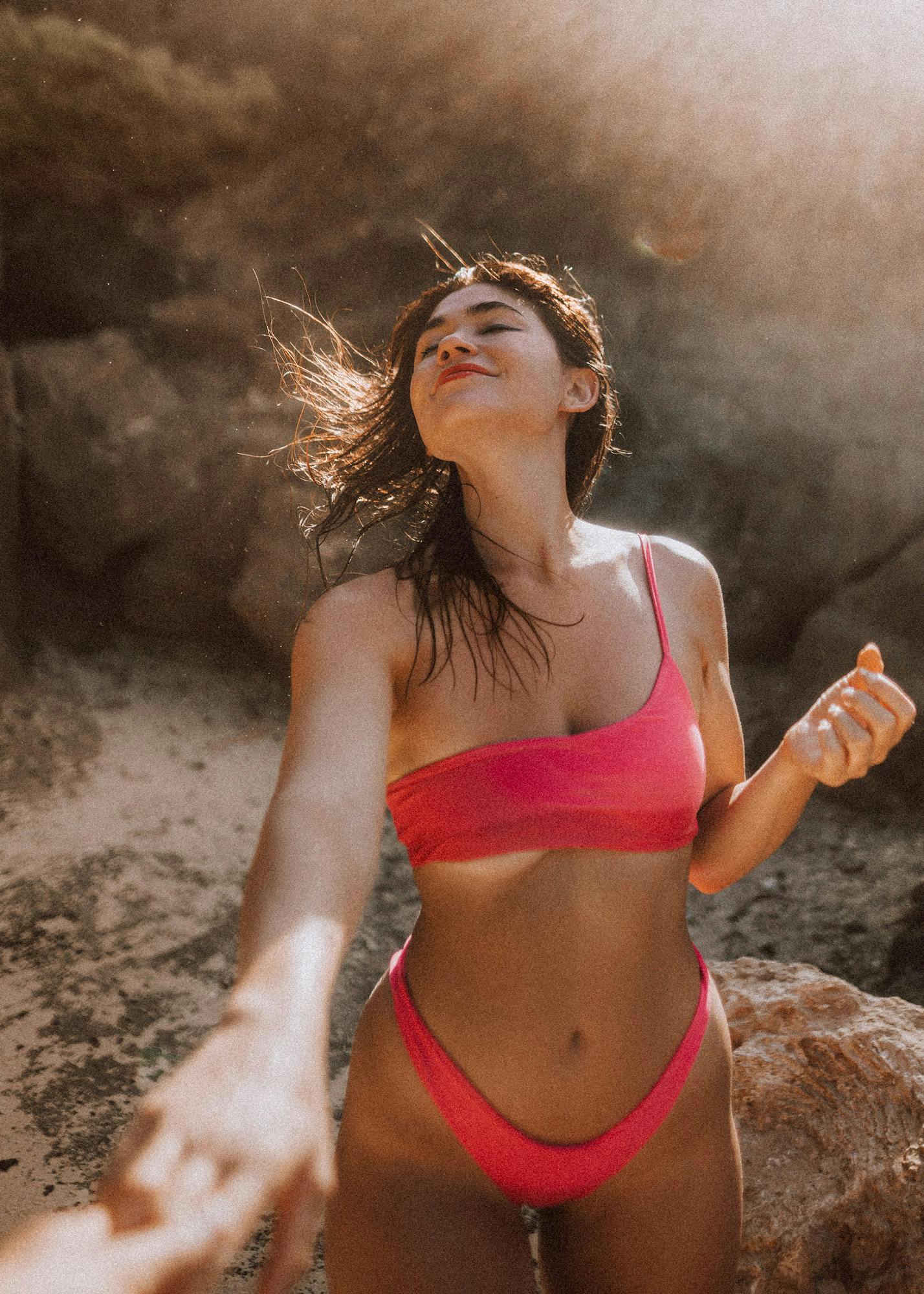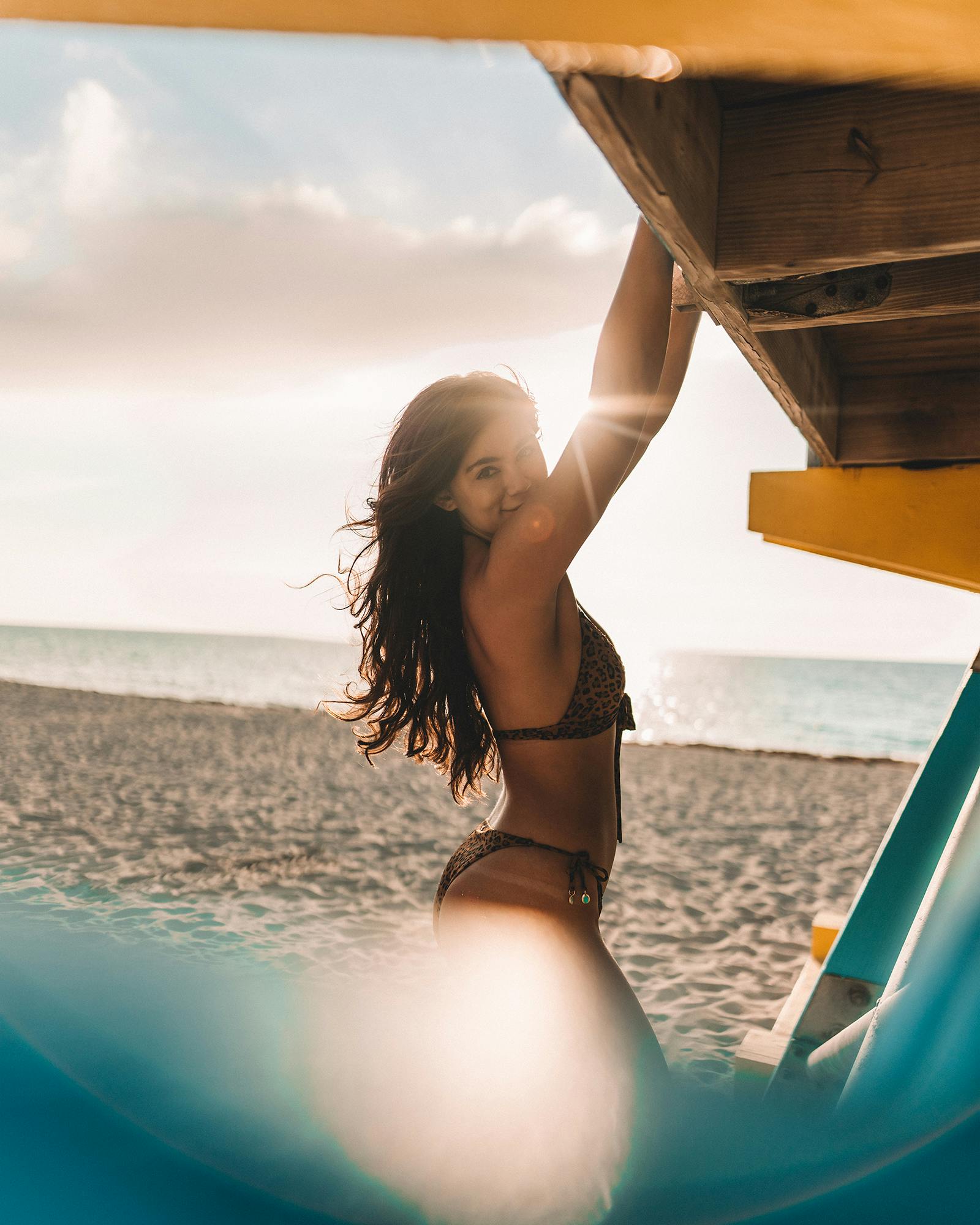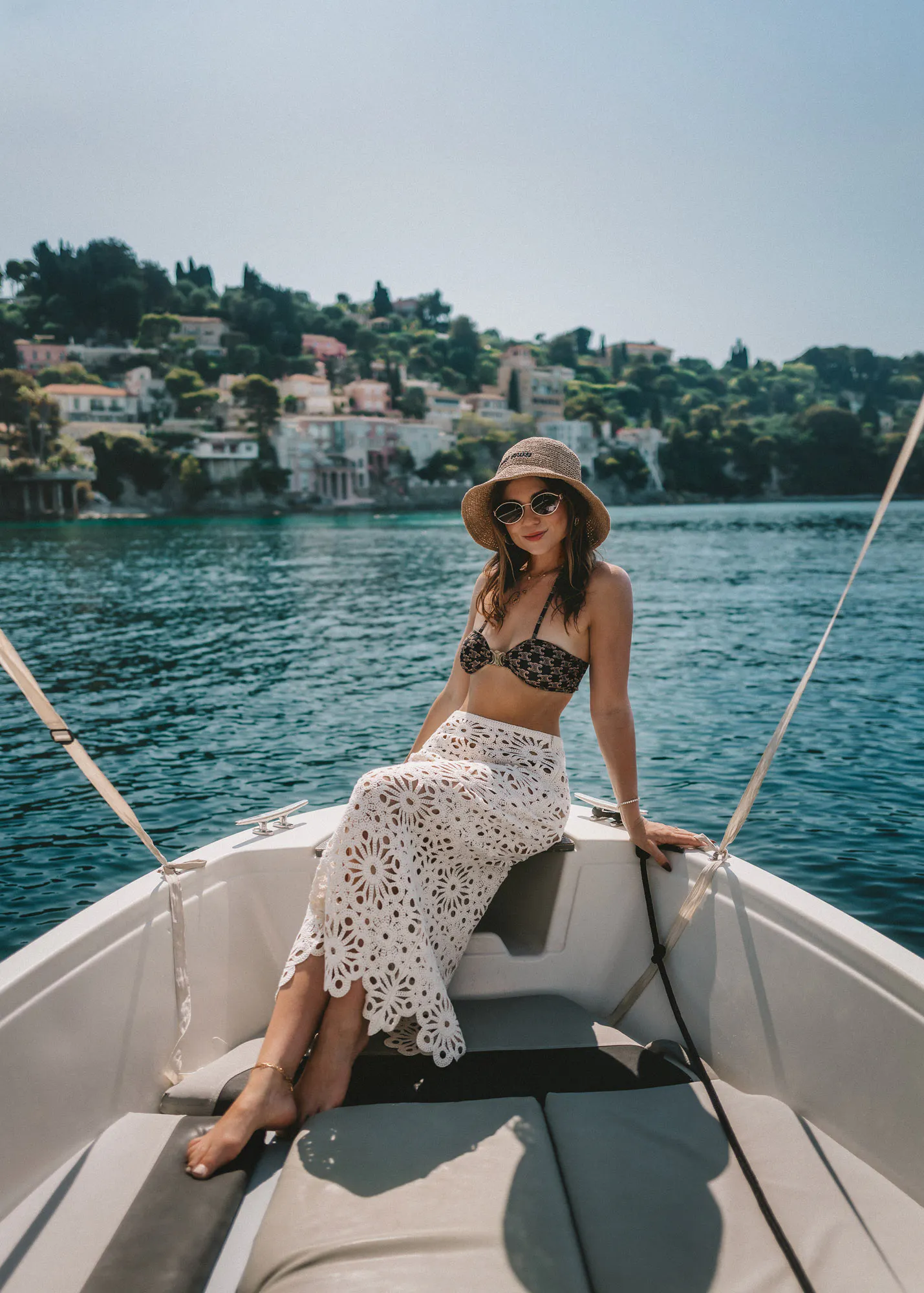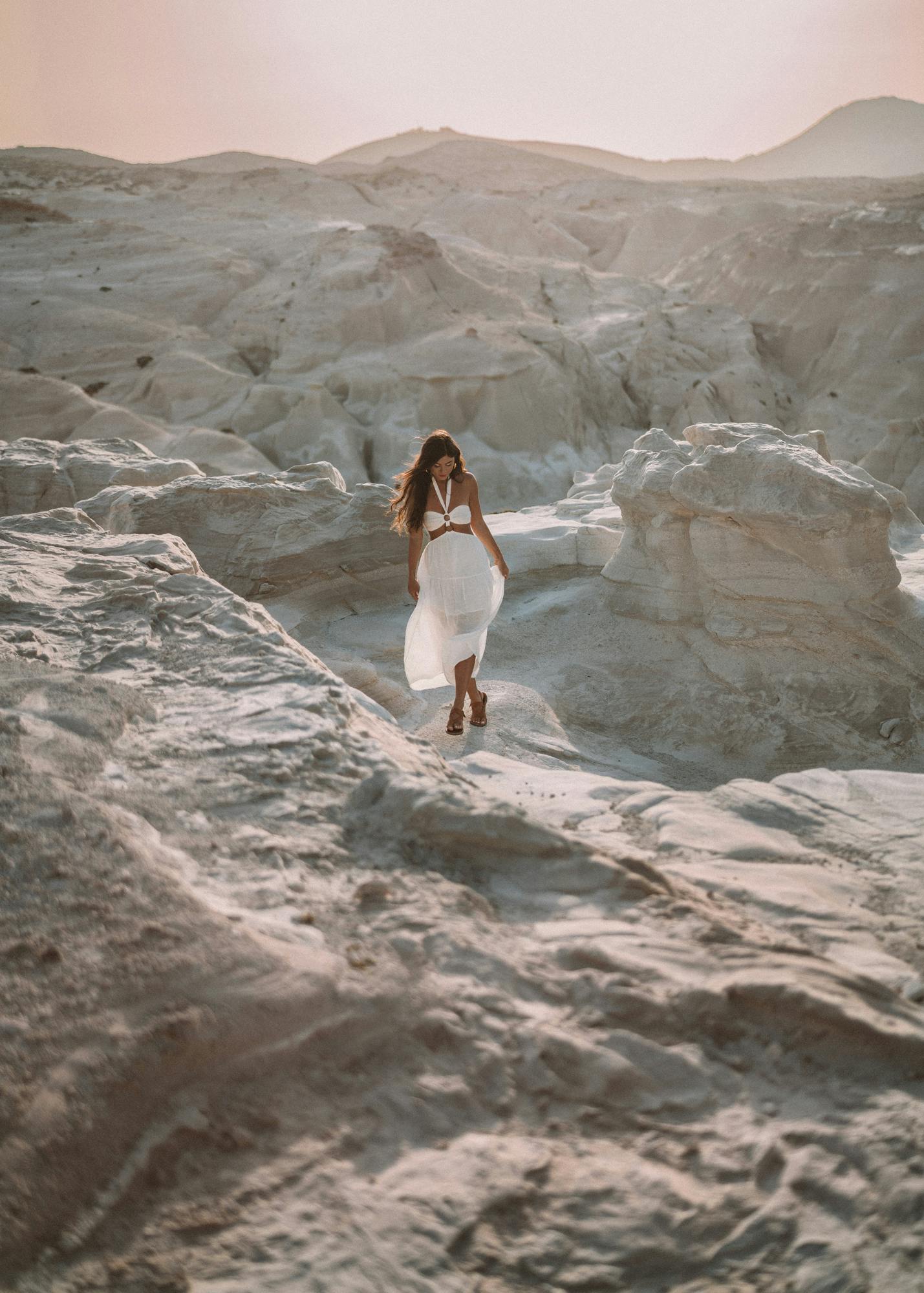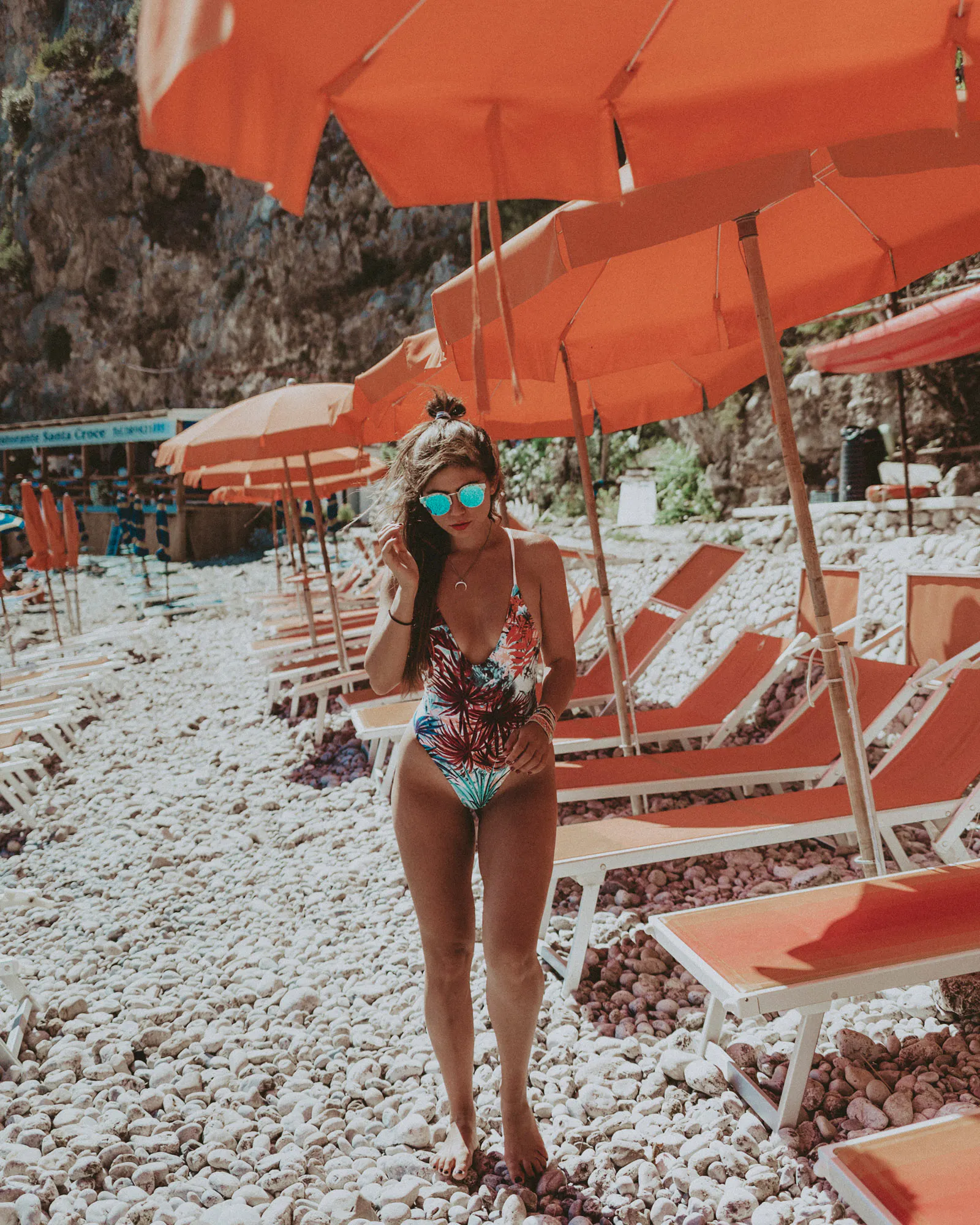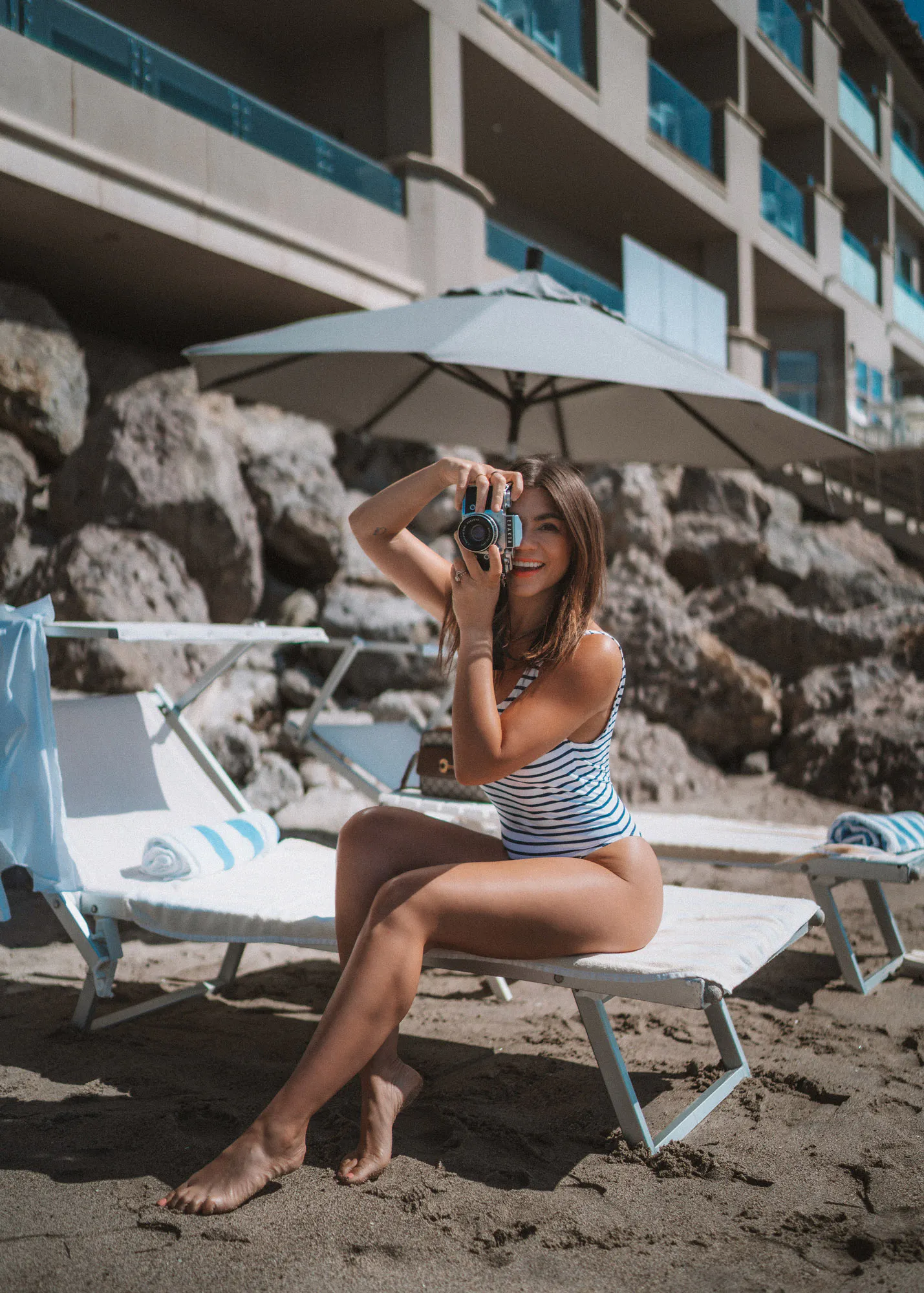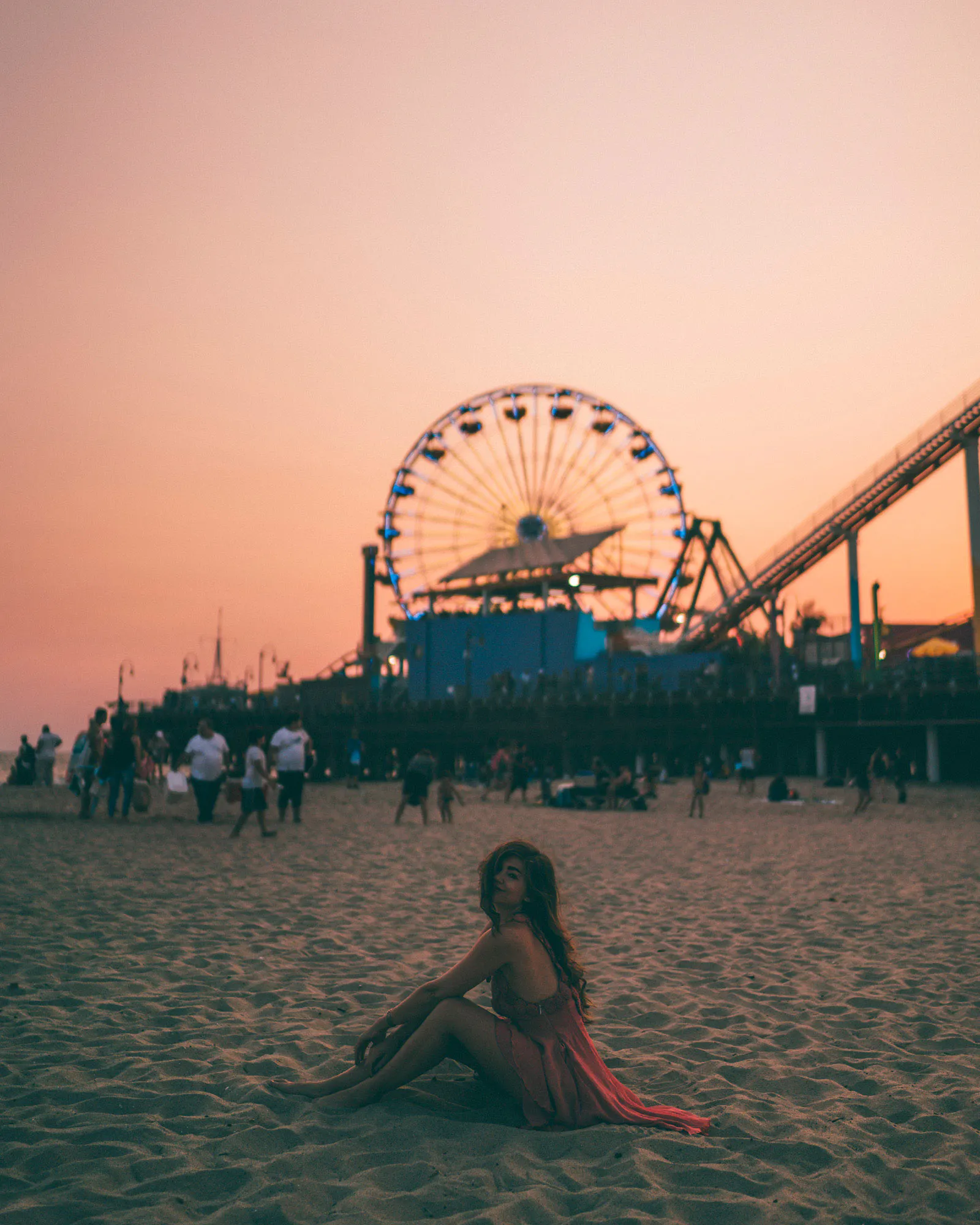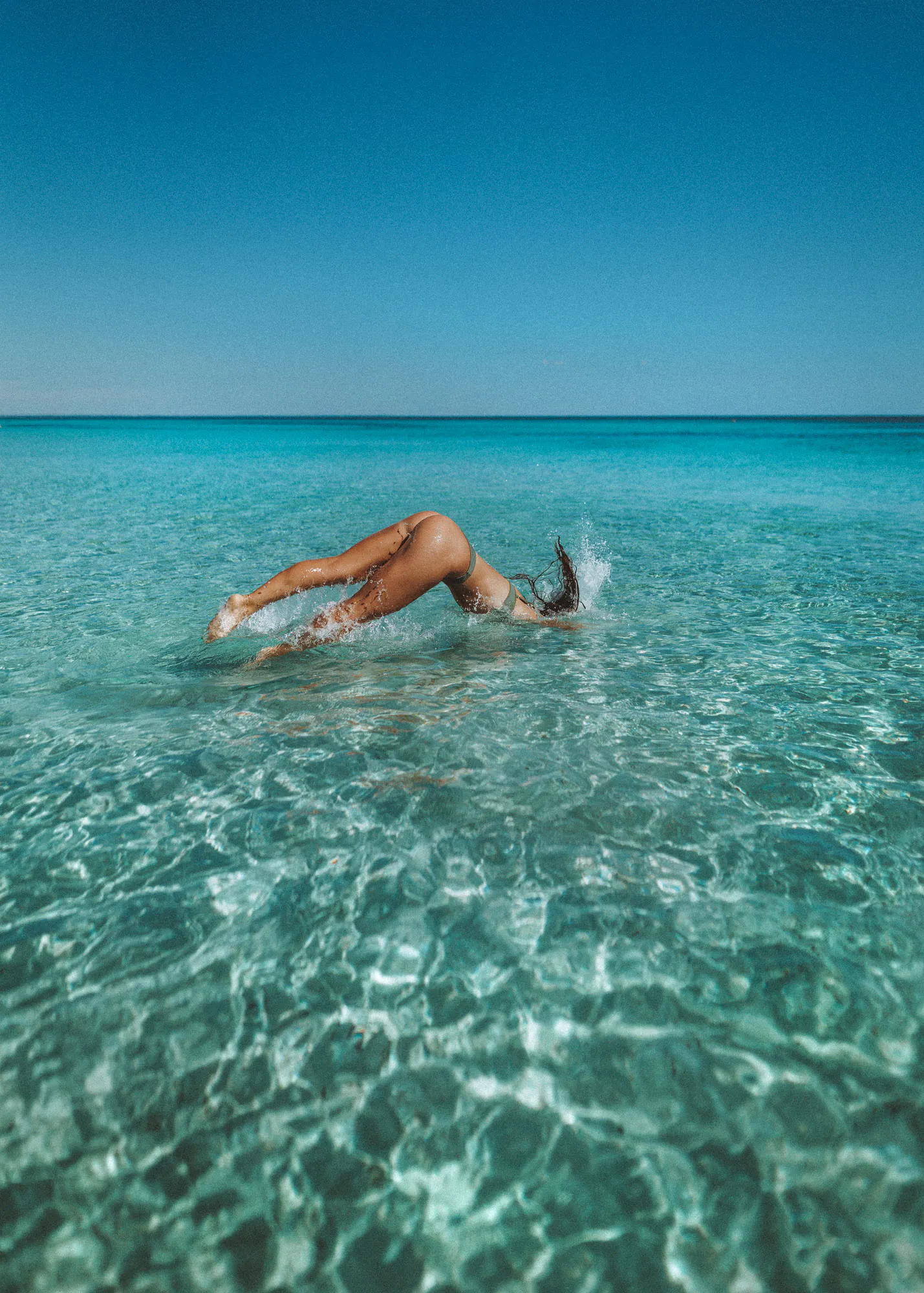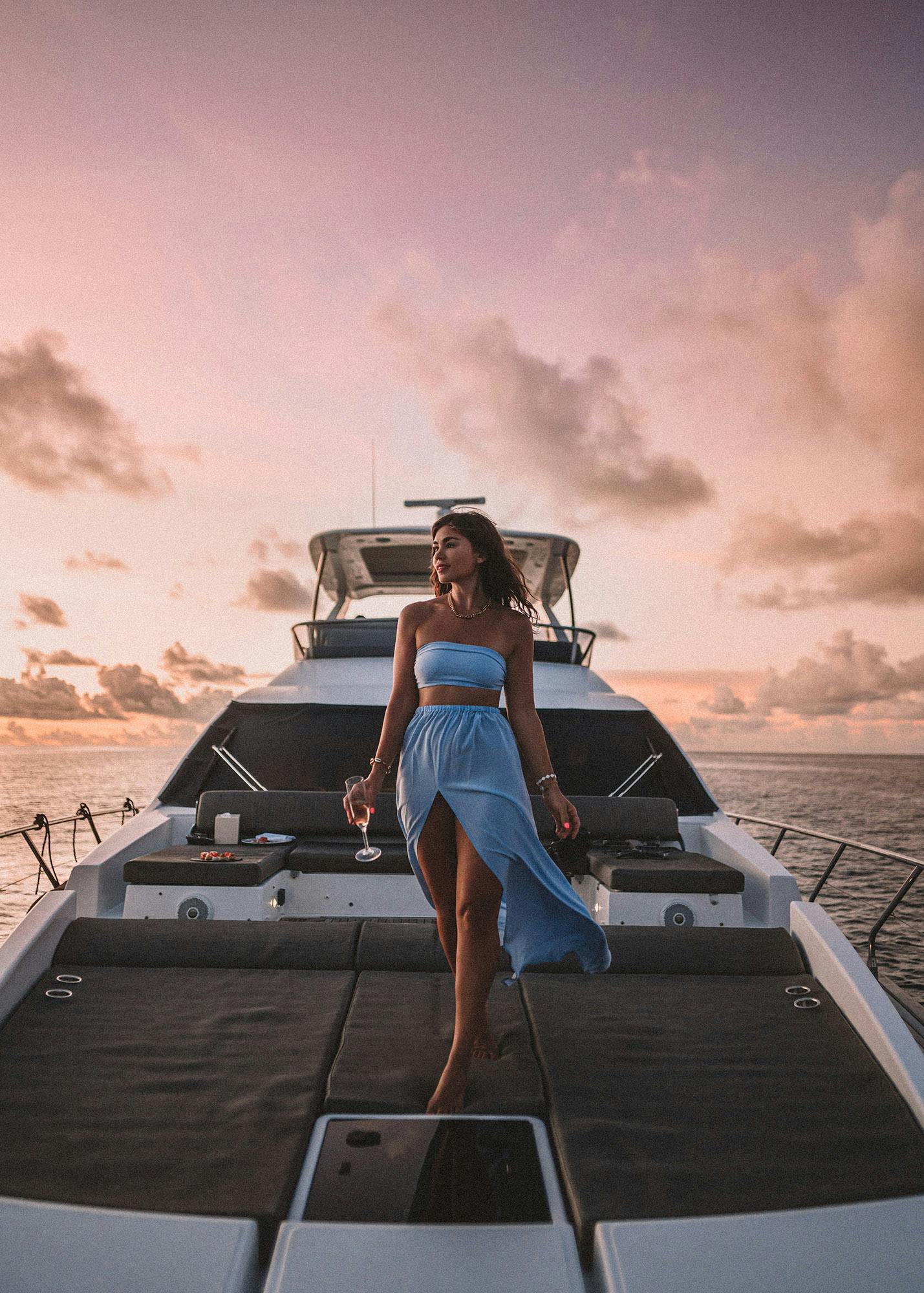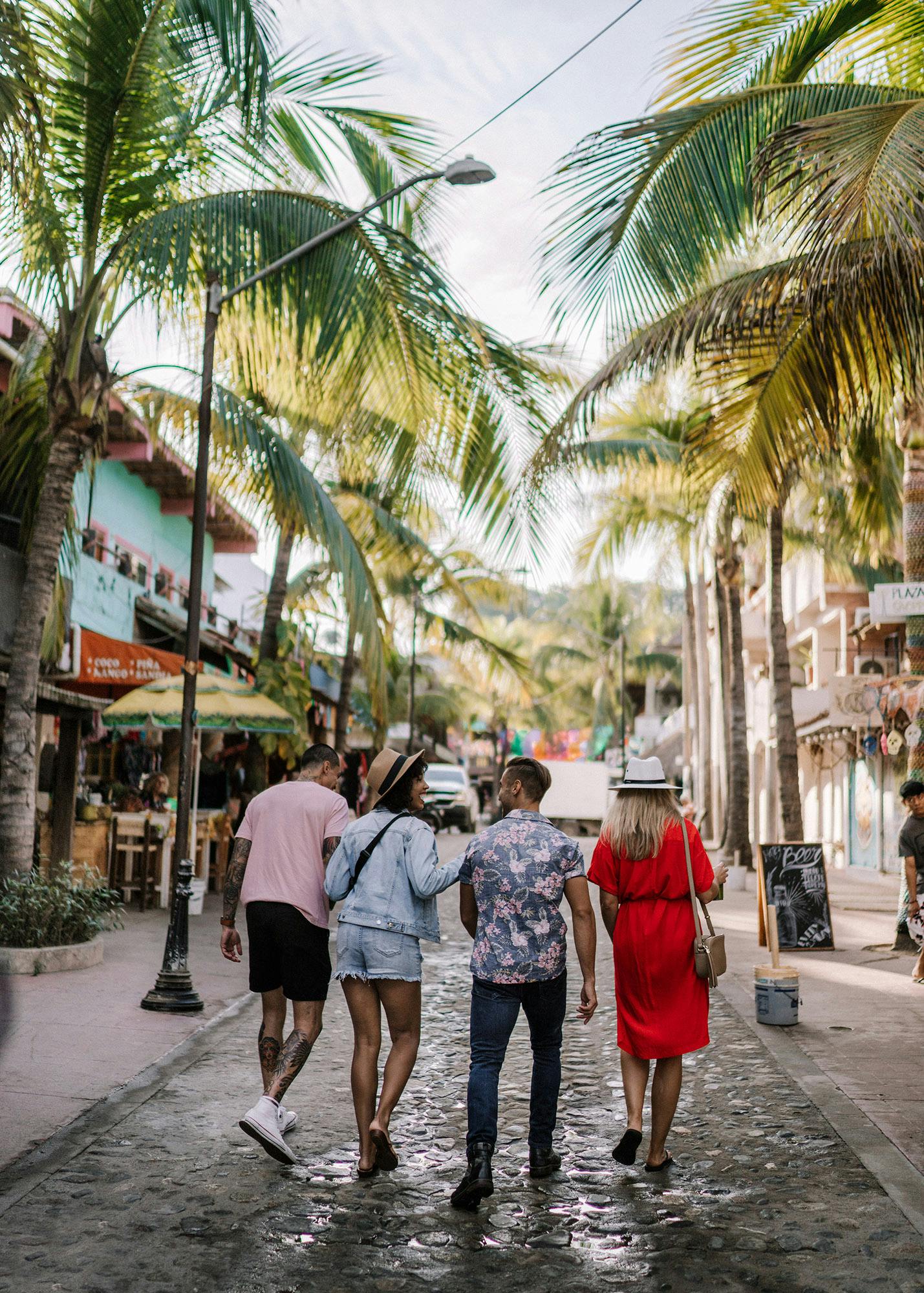
Finding the best travel hairstyle usually comes down to a practical question: what will still look good after a long flight, a humid afternoon, a day at the beach, or several hours spent walking around a city? Hair behaves differently away from home, particularly when your trip involves a climate change, swimming, frequent sun exposure, limited access to styling tools, or mornings when spending 45 minutes getting ready feels like a poor use of vacation time.
The best travel hairstyles for women tend to require relatively little daily intervention while remaining flexible enough to work with different outfits and activities. Depending on your hair type and destination, that might mean wearing your natural texture with a simplified routine, putting longer hair into a braid or low bun, choosing a protective style before departure, or traveling with a wig that provides a finished look without requiring you to restyle your natural hair every morning.
Your destination matters almost as much as your hair type. A sleek blowout that works beautifully during a winter weekend in Paris may require considerably more maintenance during a humid trip through Southeast Asia, while long loose hair can become cumbersome on beach days, boat trips, hikes, and other active itineraries. Planning your hair around the actual conditions of the trip can substantially reduce both the products you need to pack and the amount of time you spend getting ready.
What Makes a Hairstyle Good for Travel?
A good travel hairstyle should be manageable within the conditions you are likely to encounter rather than dependent on your complete routine at home. Hotel bathrooms vary considerably, electrical outlets and voltage can complicate bringing hot tools internationally, and heat, humidity, wind, salt water, chlorine, and long days outdoors can change how hair behaves.
Before choosing a hairstyle for a vacation, consider:
- Climate: Humidity can encourage frizz and cause straightened or heat-styled hair to revert, while dry climates can leave already-dry hair feeling more brittle.
- Activities: Swimming, hiking, boating, cycling, and long sightseeing days generally favor styles that can be secured easily.
- Trip length: A weekend trip may require little adjustment to your normal routine, while a multi-week itinerary makes maintenance more important.
- Access to styling tools: International voltage differences can make relying on your regular dryer, flat iron, or curling iron inconvenient unless the appliance is dual voltage.
- Wash schedule: Consider how frequently you realistically expect to wash your hair and whether your chosen style still works on second-, third-, or fourth-day hair.
- Packing space: A hairstyle that requires several full-size products, brushes, and electrical tools takes considerably more luggage space than one built around a small number of multipurpose products.
- Your natural texture: A practical travel routine generally works with the way your hair naturally behaves rather than requiring you to continually correct it throughout the trip.
This becomes especially useful when traveling through several climates on the same itinerary. A trip combining cities, beaches, and outdoor activities calls for more flexibility than a weekend spent primarily indoors.
Easy Travel Hairstyles for Long Hair
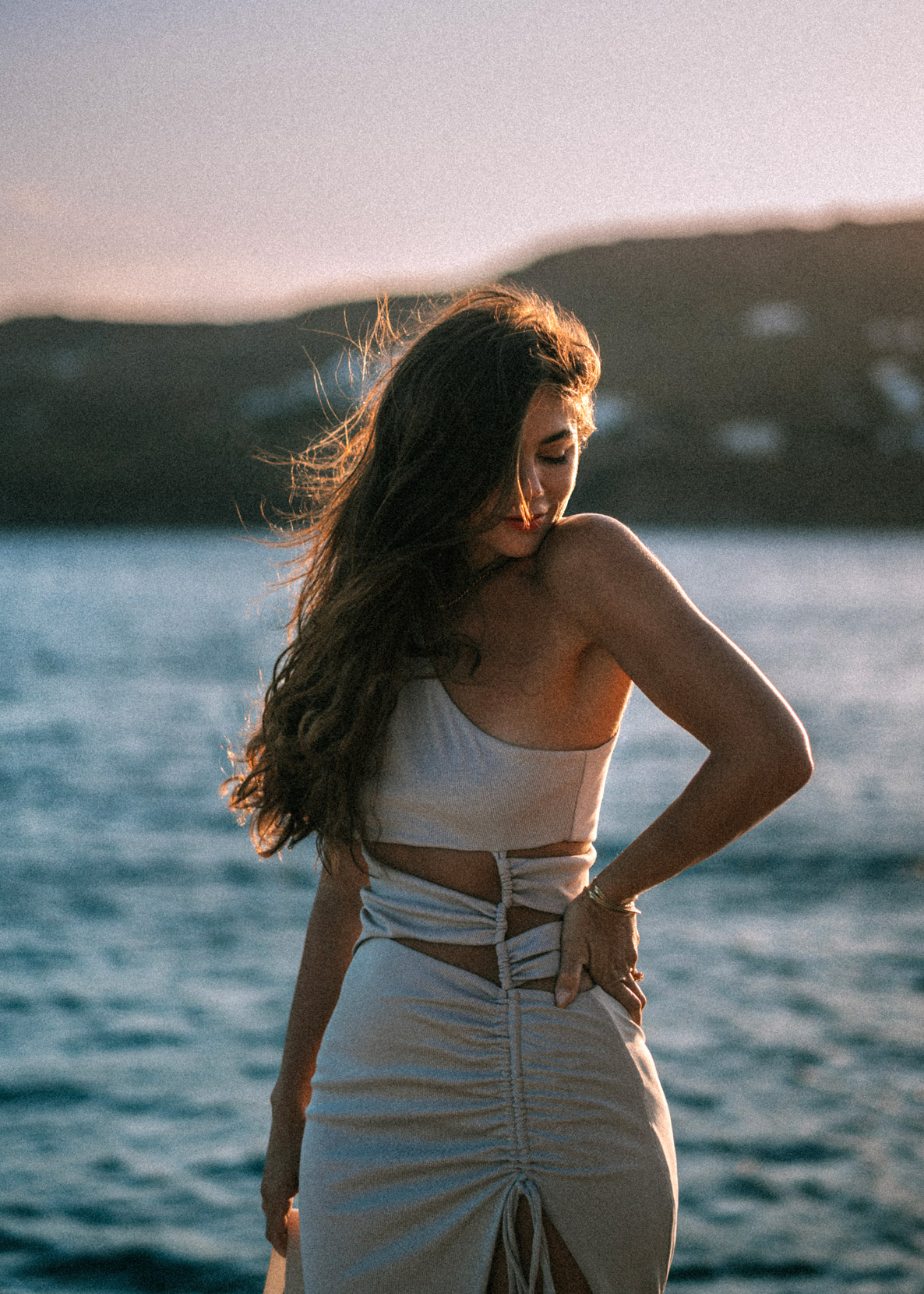
Long hair offers plenty of styling options while traveling, although keeping it loose every day can become inconvenient in heat, wind, or humid weather. Simple styles that can be adjusted throughout the day tend to be the most useful.
A low bun is one of the easiest options for flights, sightseeing, and warm destinations. Positioning the bun lower on the head also makes it more comfortable when sitting against an airplane or train headrest. A loose version works well for casual days, while a smoother center or side part can make the same basic style appropriate for dinner.
A single loose braid keeps long hair contained during flights, road trips, hikes, and windy days without requiring much equipment. It can also reduce tangling when compared with leaving long hair completely loose during an active day.
Two braids are particularly practical for beaches, boats, hiking, and other situations where wind becomes a factor. They distribute the hair more evenly than one heavy braid and fit easily beneath many hats.
A claw-clip twist provides an easy alternative when you want your hair off your neck without securing it into a tight ponytail. Pack a sturdy clip that can actually accommodate your hair density, since replacing a favorite size or shape can be surprisingly difficult in some destinations.
For sleeping, a loose braid or similarly low-tension style can also help prevent long hair from becoming excessively tangled overnight, particularly when hotel bedding is less hair-friendly than what you use at home.
Easy Travel Hairstyles for Short and Medium-Length Hair
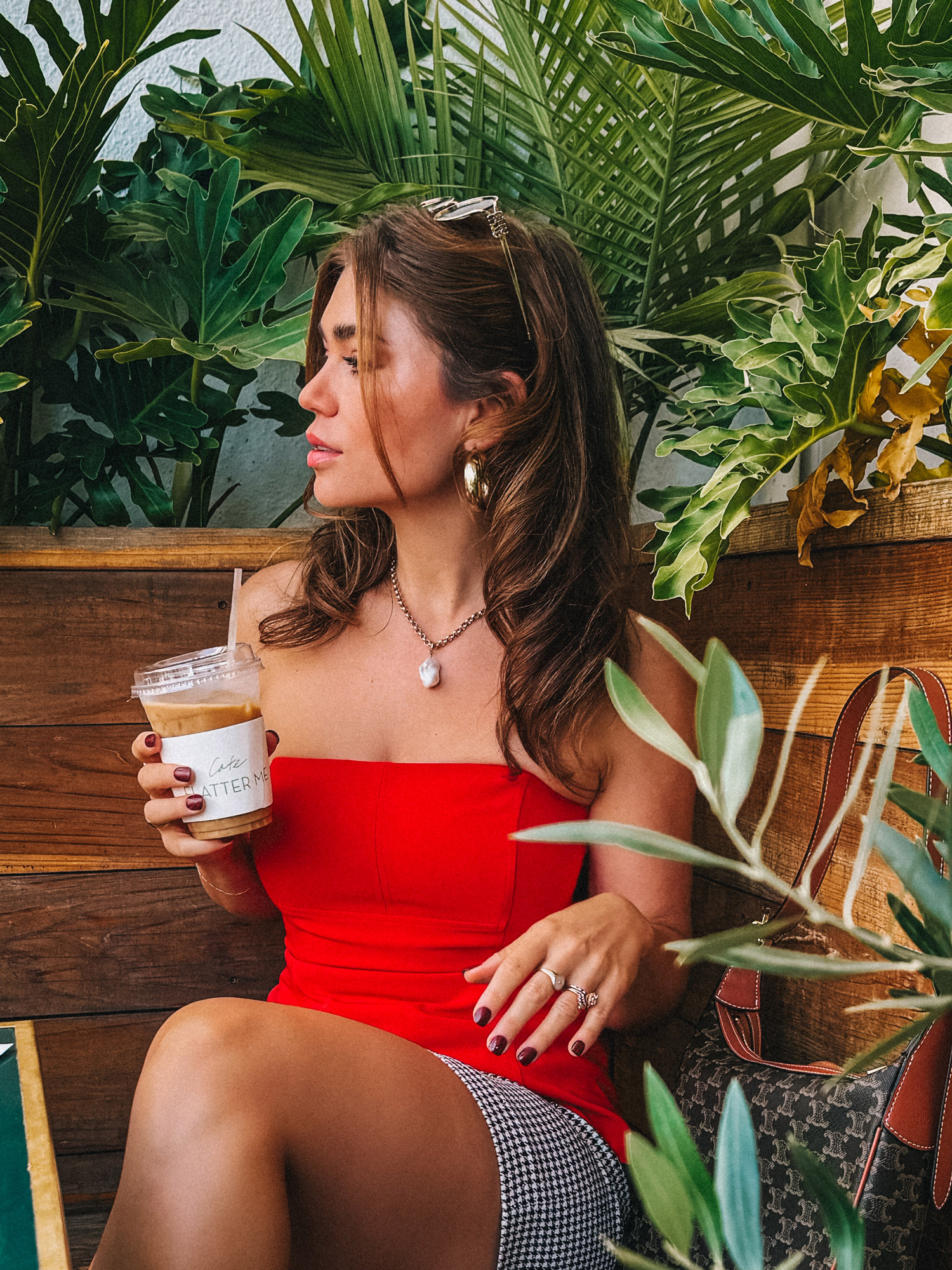
Short and medium-length cuts naturally eliminate some of the maintenance associated with very long hair, although they can sometimes require more frequent styling to maintain their shape. For travel, choose techniques that preserve the cut without making a blow dryer or flat iron essential every morning.
A textured bob or lob works especially well because the style can accommodate natural movement rather than depending on perfectly straight hair. A small amount of lightweight styling cream or leave-in product can often be enough to redefine the shape after sleeping.
For shoulder-length hair, a half-up style keeps shorter front pieces away from your face while leaving enough hair down to maintain the shape of the haircut. Small claw clips, soft elastics, and a few bobby pins provide several variations without taking up meaningful luggage space.
If your hair is long enough for a low ponytail or small bun, these become useful backup styles for hot days or mornings when you have an early tour, flight, or train.
Shorter cuts can also be particularly convenient for warm-weather travel because there is less hair sitting against the neck and shoulders, although anyone accustomed to daily heat styling should experiment with air-drying the cut before departure rather than trying an entirely new routine after arriving.
Protective Hairstyles for Travel
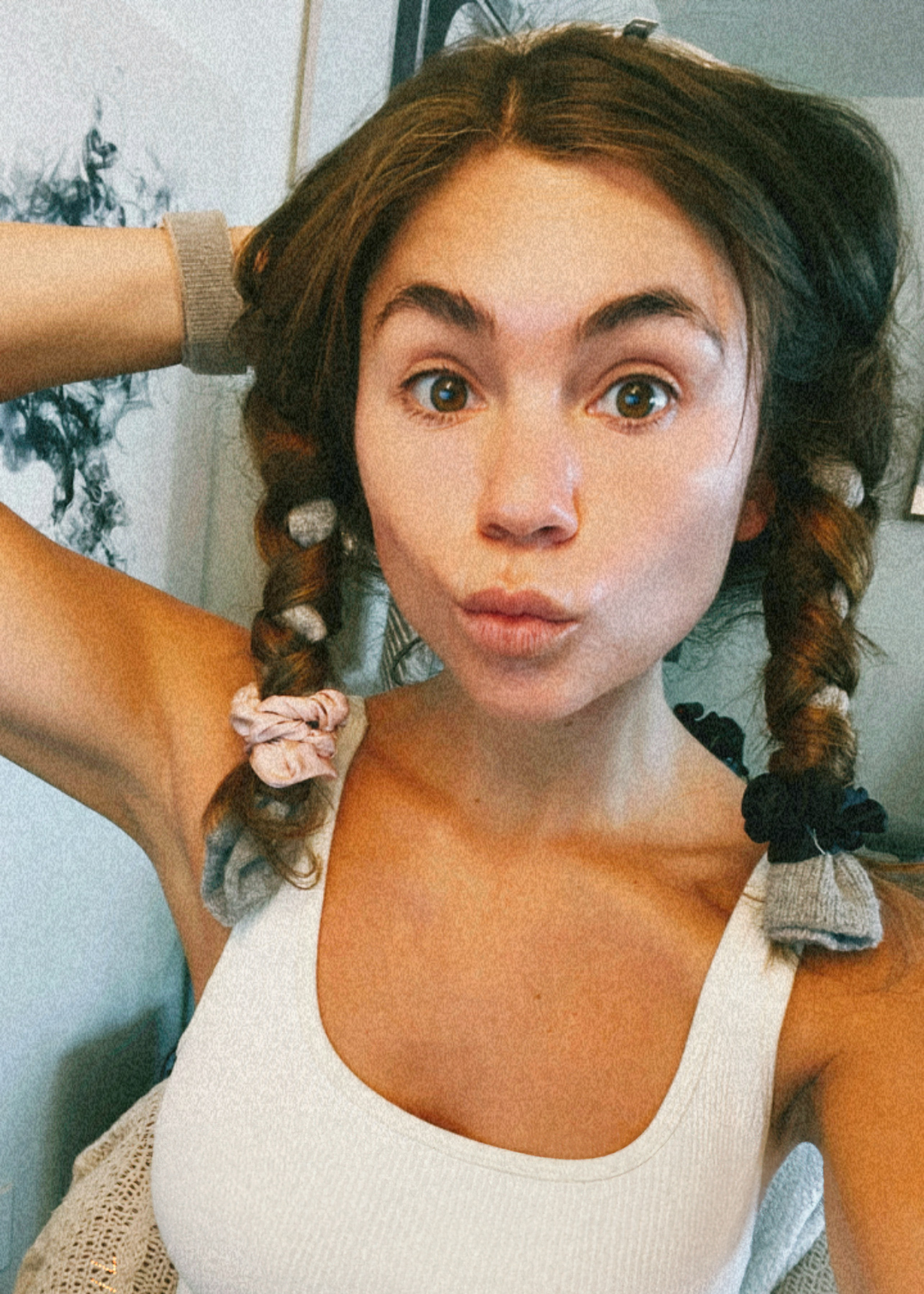
Protective hairstyles can be particularly convenient for longer vacations because much of the styling is completed before departure. Braids, twists, cornrows, and wigs can reduce daily manipulation and make it easier to move between flights, sightseeing, beaches, and evenings out without completely restyling your hair.
Knotless braids and box braids are popular for longer trips because they can remain wearable for weeks when installed and maintained properly. The ability to wear them down, in a ponytail, partially up, or gathered into a bun gives you several looks without packing extensive styling equipment.
Twists offer similar versatility and are available in numerous lengths and sizes. Depending on the installation and your natural texture, they can provide a softer appearance than traditional braids while still substantially reducing daily styling.
Cornrows can work particularly well for active vacations and warm destinations because the hair remains close to the scalp and out of the way. They can also serve as a base beneath a wig if you want the ability to change your finished hairstyle during the trip.
Tension matters with any protective style. Braids, extensions, ponytails, and cornrows that continually pull at the scalp can contribute to breakage and hair loss over time, particularly around the hairline. A travel style should feel comfortable from the beginning, and an excessively tight installation should never be considered necessary for making a style last longer.
Nadula Yaki Straight Hair Wig and Nadula Bob Wig
Wigs can be especially useful when you want a consistent finished hairstyle while reducing the amount of daily manipulation of your natural hair. They also give you the option of preparing your natural hair before departure and keeping your everyday vacation routine relatively simple.
The Nadula Yaki Straight Hair Wig has a textured straight finish designed to resemble straightened natural hair, making it an option for women who prefer a polished straight style with more texture than a silky-straight finish. Depending on the specific wig and length, Yaki straight hair can also provide enough versatility for different looks throughout a trip, rather than requiring you to wear exactly the same hairstyle every day.
For longer itineraries, that versatility can be useful when you need your hair to work across several settings. Wear it down for city days and dinners, or secure longer lengths when sightseeing, flying, or spending significant time outdoors. Packing a wig also allows your natural hair routine to remain largely separate from your daily styling routine while you are away.
The Nadula Bob Wig offers a shorter alternative that can be particularly practical for warm destinations. Bob-length hair has less material around the neck and shoulders than longer styles and is easier to manage during active days, while retaining enough structure to look finished with minimal styling.
A shorter wig can also make sense when luggage space is limited because it is relatively compact and generally requires fewer accessories than maintaining a longer, highly styled look. If you are flying with a wig, store it carefully rather than compressing it into the smallest available space, and bring the basic maintenance items required for the specific wig construction and hair type.
Best Hairstyles for Humid Destinations
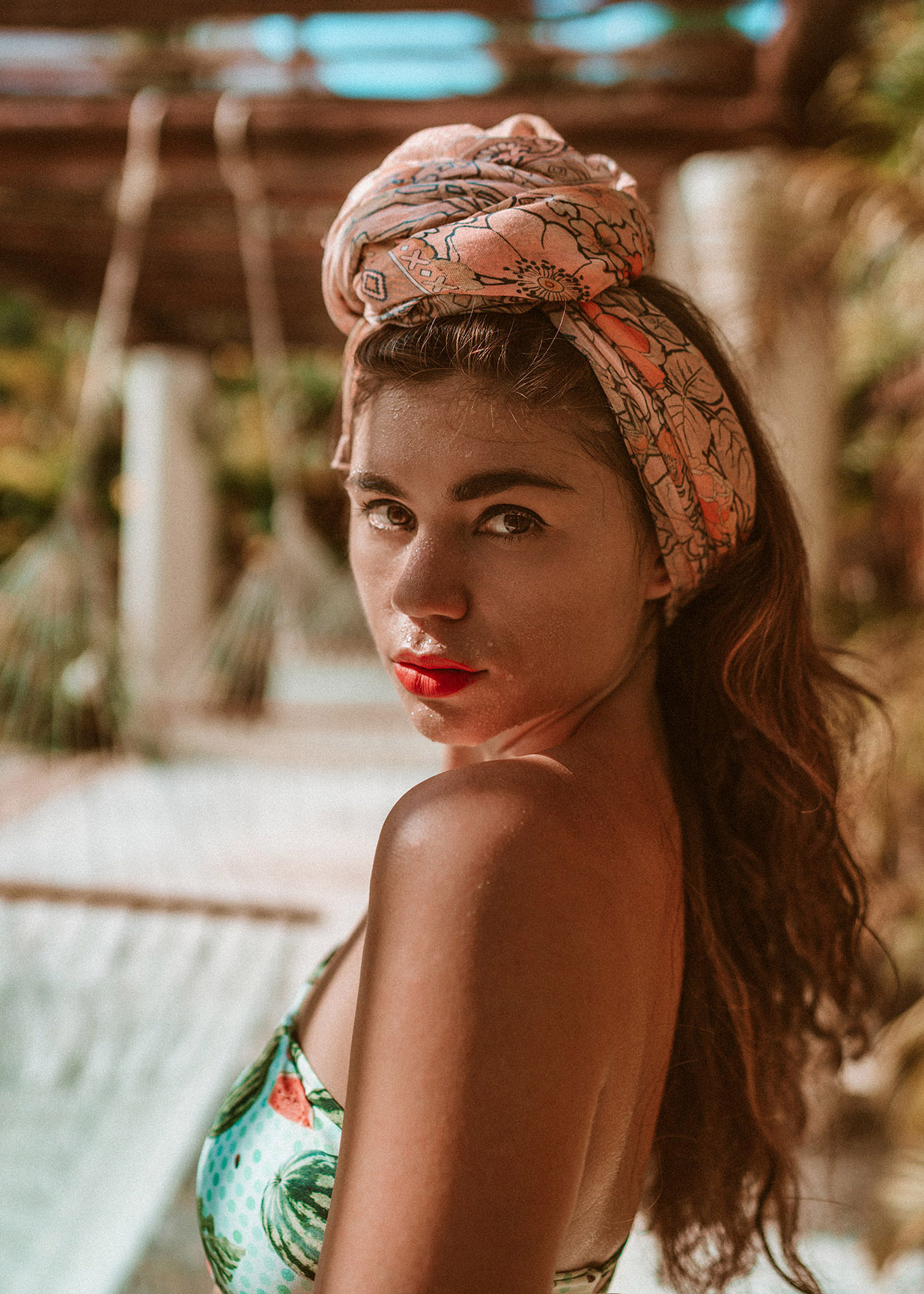
Humidity is one of the biggest variables to consider when choosing a travel hairstyle. Tropical destinations, islands, and humid summer cities can make styles dependent on smoothness or heat styling considerably harder to maintain, particularly if your natural texture responds strongly to moisture in the air.
Braids, twists, buns, natural curls, and other styles that accommodate texture tend to require less correction throughout the day. If you prefer wearing your hair loose, using your natural wave, curl, or coil pattern as the basis for the style can make the routine much easier.
Humidity-friendly options include:
- Braids or twists
- Low buns
- Natural curls, waves, or coils
- Bob-length styles
- Half-up styles
- Claw-clip twists
- Wigs selected for easy daily maintenance
The goal is to choose a style that can tolerate some environmental change. Even a carefully styled head of hair will encounter moisture during a tropical trip, whether that comes from the air, a sudden rainstorm, swimming, or simply spending a full day outdoors.
Best Hairstyles for Beach Vacations
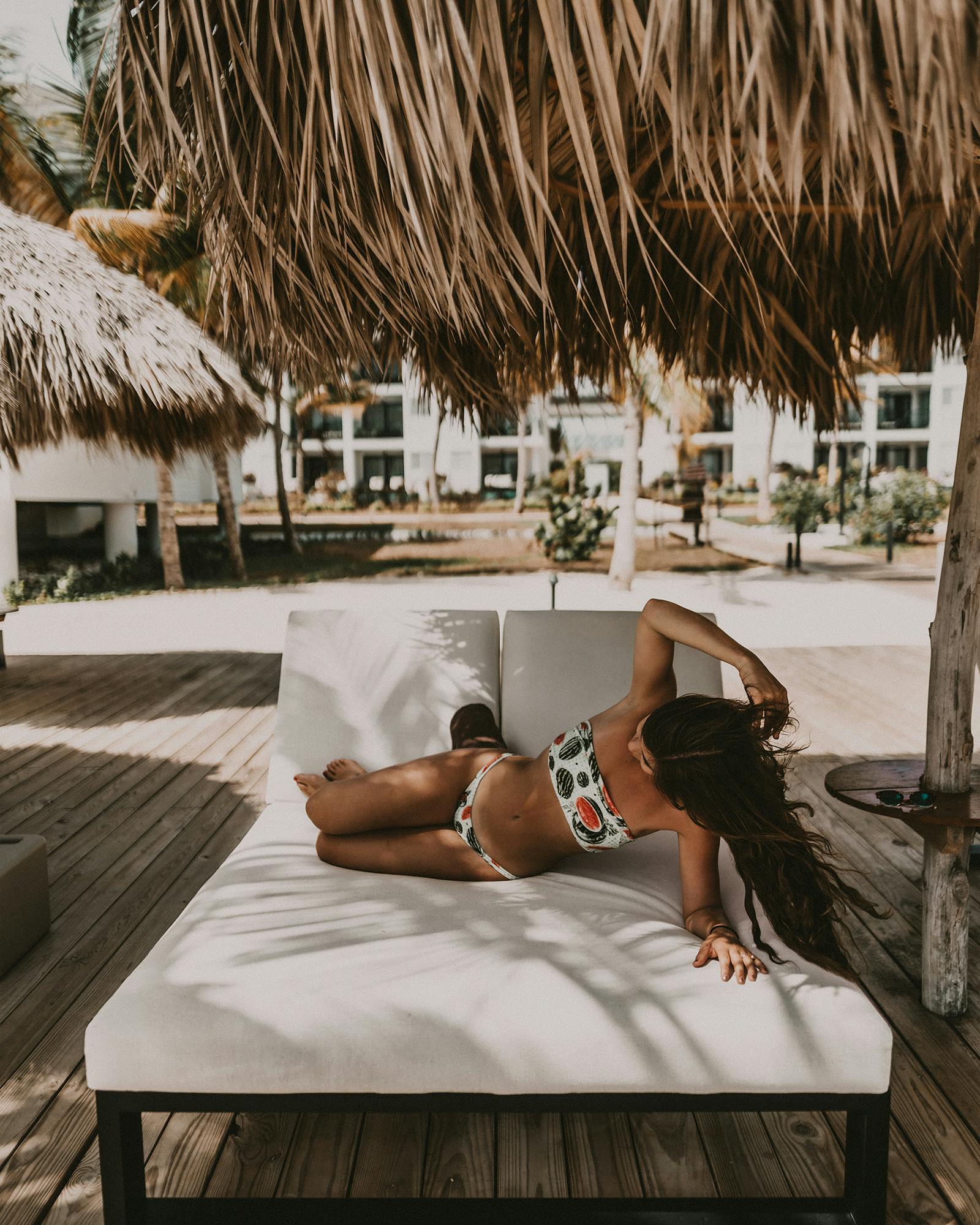
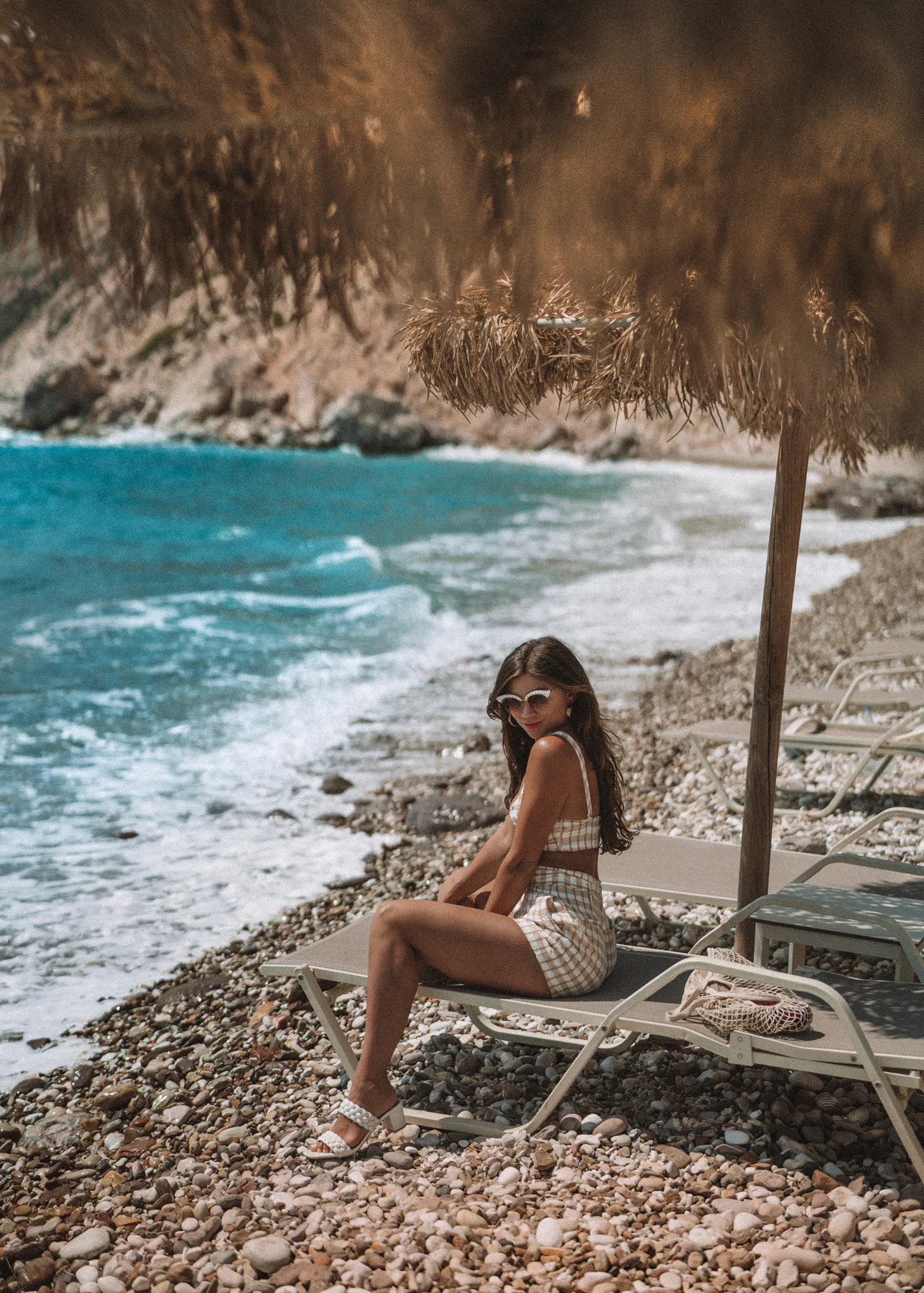
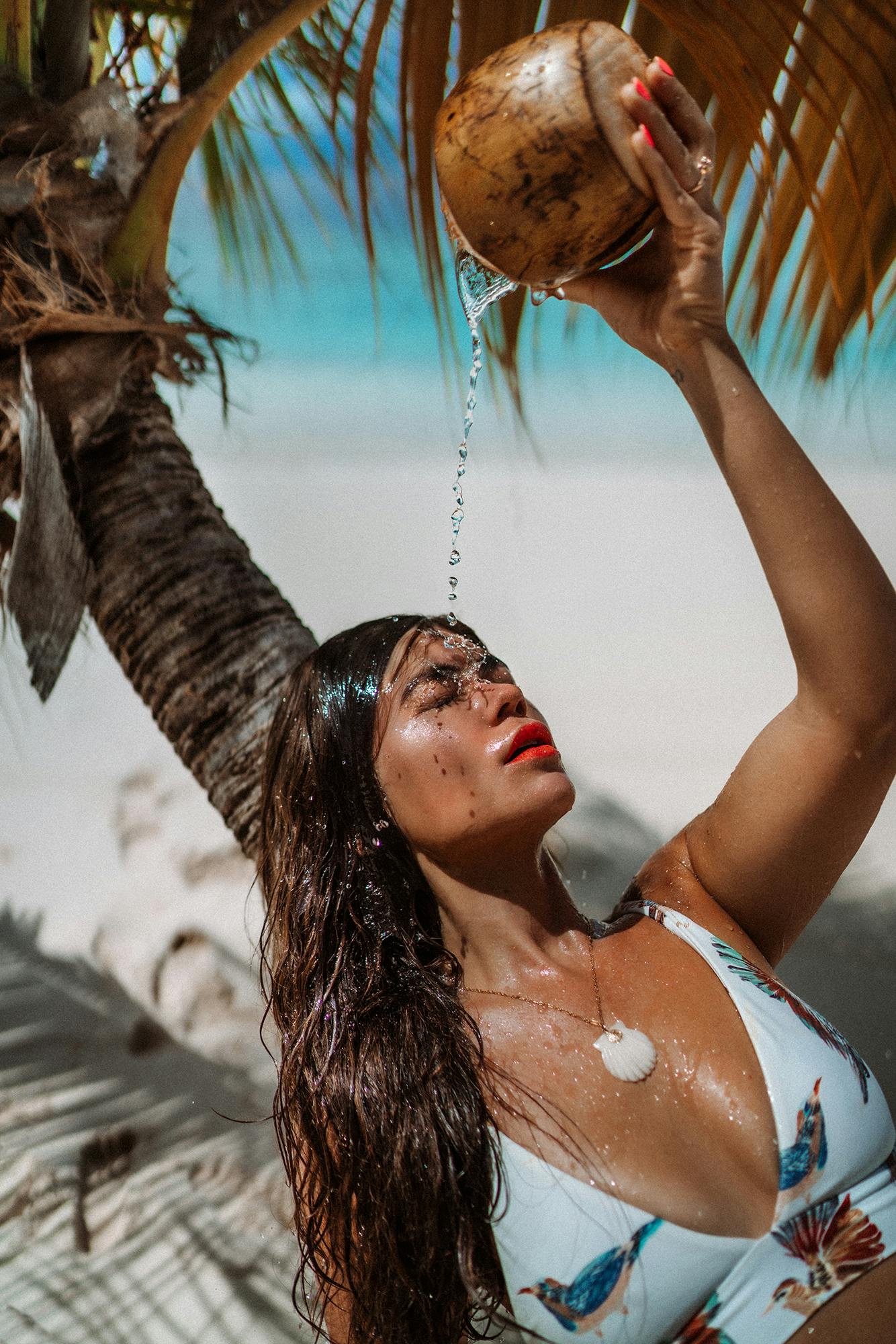
Beach hair has to contend with considerably more than humidity. Salt water, wind, sun, sand, repeated swimming, and frequent tying and untying can make a beach vacation surprisingly demanding on hair, especially when it is long, color-treated, fine, or already prone to dryness.
Braids are among the most functional beach hairstyles because they keep hair controlled when swimming, walking in strong wind, or spending time on a boat. A low bun can work well when you want the hair completely off your neck, although continuously securing wet hair very tightly can increase stress on fragile strands.
Natural waves and curls are another logical option when your hair responds well to air-drying. Beach trips are often a good time to simplify styling and allow natural texture to take over rather than repeatedly applying heat in an attempt to maintain a highly finished style.
Bring a hat when appropriate for additional sun coverage, along with the conditioning and detangling products your hair already tolerates well. Hair often needs more conditioning after repeated exposure to salt water or chlorine, so a familiar conditioner or mask may be more valuable than several styling products.
Hairstyles for Long Flights and Travel Days
The hairstyle you wear to dinner at your destination does not necessarily need to be the one you wear through a 12-hour flight. Travel days create their own requirements because your hair repeatedly comes into contact with airplane seats, headrests, coats, scarves, and luggage straps.
A low braid is one of the most comfortable choices for long flights because there is no bulky bun or clip pressing between your head and the seat. A loose low ponytail can also work well for hair that does not tangle easily, although longer hair is generally more contained in a braid.
Avoid placing a large claw clip directly at the back of your head for a long flight if you plan to sleep against the headrest. Instead, keep the clip accessible in your personal item and put your hair up after landing.
If your hair tends to become oily at the roots during long travel days, a small amount of dry shampoo can be useful after arrival. Apply it according to the product directions and give it time to absorb rather than continually adding more product throughout the trip.
Travel Hairstyles for Active Trips
An itinerary involving hiking, cycling, sailing, snorkeling, skiing, or other outdoor activities requires hair to stay secure without becoming a source of constant tension.
Braids are particularly adaptable because they fit beneath many types of headwear and keep long hair from blowing across your face. A low ponytail can work for moderate activity, while a bun may be more convenient when you need the ends completely secured.
For trips involving helmets, plan your hairstyle around the helmet rather than trying to fit a bulky hairstyle underneath it. Low braids and other relatively flat styles are generally easier to accommodate than high ponytails, buns, or large clips.
If you expect to move between an outdoor activity and lunch or sightseeing without returning to your hotel, carry one small accessory that allows you to change the style afterward. A compact clip or soft elastic is usually enough.
How to Choose a Travel Hairstyle for Your Hair Type
There is no single hairstyle that works equally well for every woman because texture, density, length, chemical processing, and individual styling habits affect how hair responds to travel.
For fine hair, lightweight styles and products can help prevent the hair from becoming flat or overloaded. Loose braids, low buns, claw clips, and natural waves can all work well, while heavy oils and styling creams may be more product than fine strands need.
For thick hair, secure braids, larger claw clips, twists, and buns can make long days more comfortable. Make sure accessories are large and strong enough to hold the hair without requiring excessive tension.
For curly and coily hair, styles that work with the existing texture can simplify a vacation considerably. Braids, twists, cornrows, wigs, wash-and-go styles, and other familiar routines can all be adapted to the destination and length of the trip.
For color-treated or chemically processed hair, minimizing unnecessary heat and friction becomes especially useful when the trip already includes environmental exposure from sun, swimming, dry air, or humidity. Bring the conditioning products that reliably work for your hair rather than depending on whatever happens to be supplied by the hotel.
How to Protect Your Hair While Traveling
A good hairstyle handles only part of the equation. Changes in climate and routine can leave hair feeling very different after a week or two away, particularly when a trip includes extensive swimming or time outdoors.
Try to keep your travel hair routine relatively close to one you already know works. Vacation is rarely the ideal time to test several unfamiliar products simultaneously, since you have fewer options if your scalp or hair responds poorly.
A compact travel hair kit might include:
- Shampoo and conditioner appropriate for your hair type
- Leave-in conditioner or your preferred lightweight moisturizing product
- Wide-tooth comb or your usual detangling brush
- Soft hair ties or scrunchies
- Bobby pins
- One reliable claw clip
- A small amount of styling cream, gel, or oil if you regularly use one
- Dry shampoo if it already works well for your scalp and hair
- A satin or silk bonnet, scarf, or pillowcase if it is part of your normal routine
If you use heat tools, verify their voltage compatibility before an international trip. A simple plug adapter changes the shape of the plug but does not automatically make a single-voltage appliance compatible with another country's electrical system. A dual-voltage tool or a reliable heatless styling routine is generally easier for frequent international travel.
How to Manage Hair After Swimming
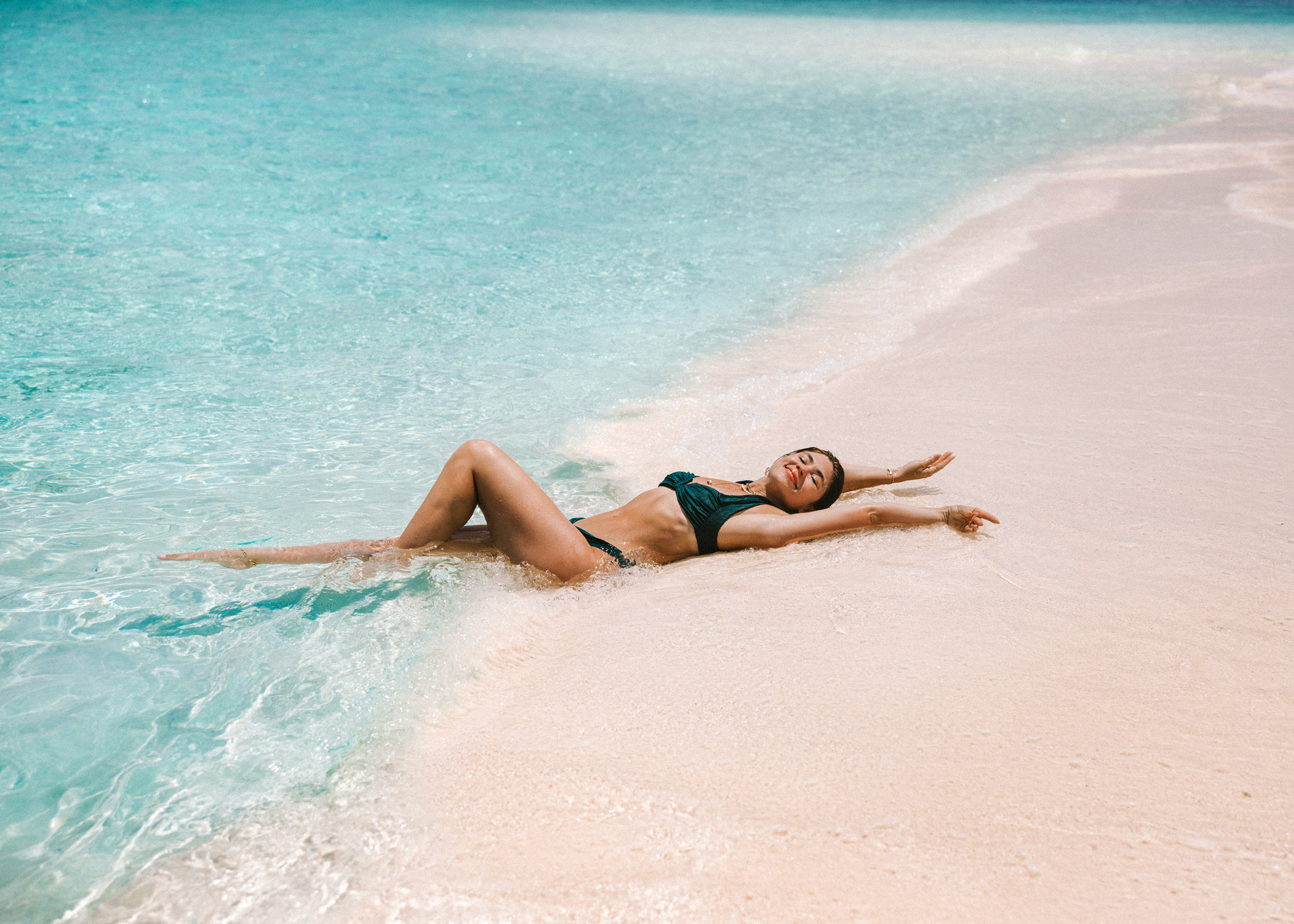
Swimming can change both the appearance and condition of your hair, particularly when repeated throughout a vacation. Salt water can leave hair feeling dry and tangled, while pool water introduces chlorine and other chemicals.
If possible, wetting your hair with fresh water before swimming can reduce the amount of pool or ocean water it absorbs. Afterward, rinse your hair with fresh water as soon as practical rather than allowing salt or pool water to remain on it for the rest of the day.
A loose braid can keep longer hair contained while swimming, although hair should not be pulled painfully tight. After rinsing, detangle according to the method appropriate for your texture and follow with conditioner or your usual post-swim hair products.
For a week built around beaches and pools, it may be more realistic to plan several wash or rinse days than trying to preserve one highly styled look for the entire trip.
How to Pack Hair Products Without Overpacking
Hair products can consume a surprising amount of luggage space, particularly when every part of your home routine makes its way into your suitcase. Start with the products you genuinely expect to use based on the length and type of trip.
Decanting products into appropriately sized reusable travel containers can reduce bulk when you only need a few washes' worth. Label anything that could be confused with another product, especially oils, serums, shampoos, and conditioners with similar appearances.
Multipurpose products are particularly valuable. A leave-in product that provides moisture, detangling, and some styling support can replace several separate bottles, while one good hair oil may be enough for smoothing dry ends and finishing a style.
For carry-on travel, remember that liquids, aerosols, gels, creams, and pastes are subject to airport security restrictions, which can influence what you pack and where you place it. Solid accessories such as clips, scrunchies, brushes, and bonnets take up relatively little room and can give you several styling options without adding liquids to your bag.
Choosing the Best Hairstyle for Your Trip
Start with the destination, itinerary, and the amount of maintenance you genuinely want to do each morning. A city trip with dinners and museums may justify a different routine than two weeks of beaches, boats, and swimming, while a long international itinerary often benefits from a hairstyle that can change easily as the trip progresses.
For some women, that means braids or another protective style installed before departure. Others may prefer a wig that provides a consistent finished look while their natural hair remains protected underneath. Short cuts, natural curls, loose braids, low buns, and simple clip styles can be equally practical when they already fit your normal hair