Some of the most valuable learning experiences children have happen far beyond a traditional classroom. A walk through an unfamiliar neighborhood, helping order lunch somewhere new, spotting wildlife on a hike, choosing the route through a museum, or simply figuring out what to pack for a day away from home can turn an ordinary family trip into an exercise in curiosity and independence.
The early years are particularly important because children are constantly building an understanding of how the world works and what they are capable of doing within it. Academic skills matter, but so do curiosity, adaptability, problem-solving, and the confidence to approach something unfamiliar without immediately retreating from it.
Travel offers an unusually natural setting for developing those abilities because even a carefully planned trip involves novelty. New foods appear on the table, routines change, transportation works differently, and unfamiliar landscapes invite questions. You do not need to take children around the world to create those experiences, either. Many of the same lessons can emerge from a weekend road trip, a museum visit, a hike close to home, or simply involving children more actively in everyday family life.
Encourage Curiosity Wherever You Go
Young children are remarkably good at noticing details adults have learned to ignore. A different type of building, an unusual plant, a train arriving underground, or a language they have never heard before can generate an entire sequence of questions.
Rather than treating those questions as interruptions, travel gives parents an opportunity to follow them.
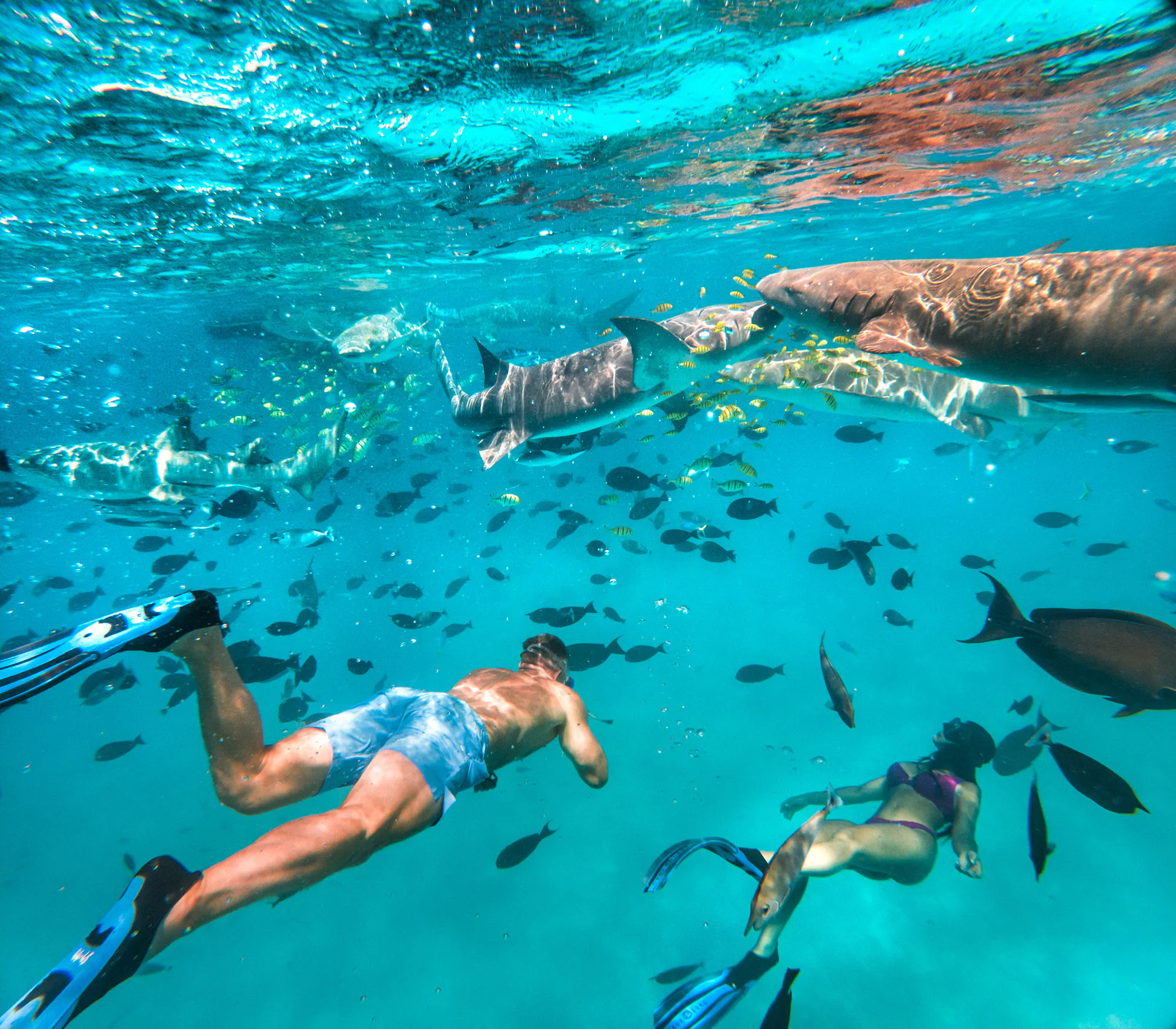
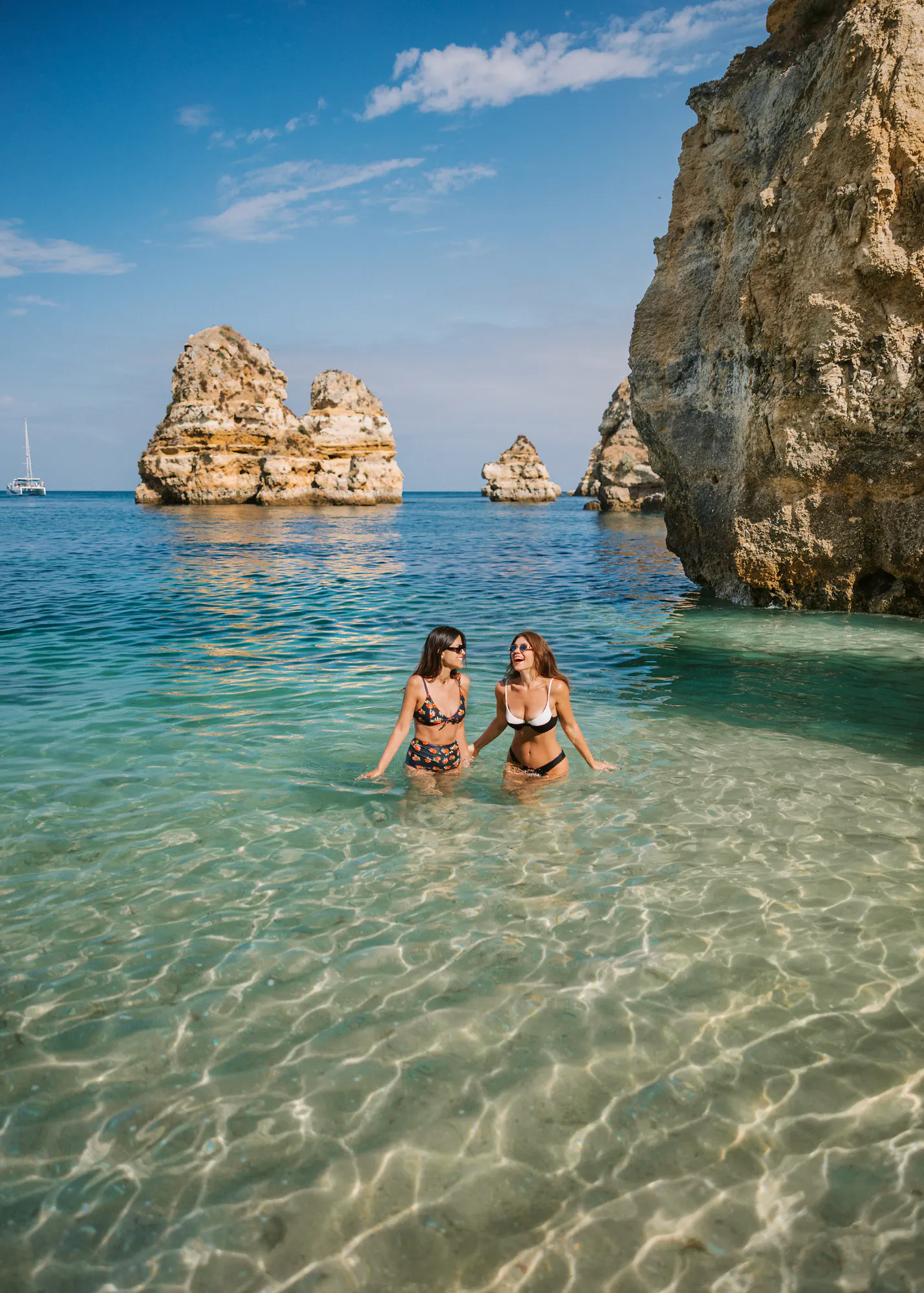
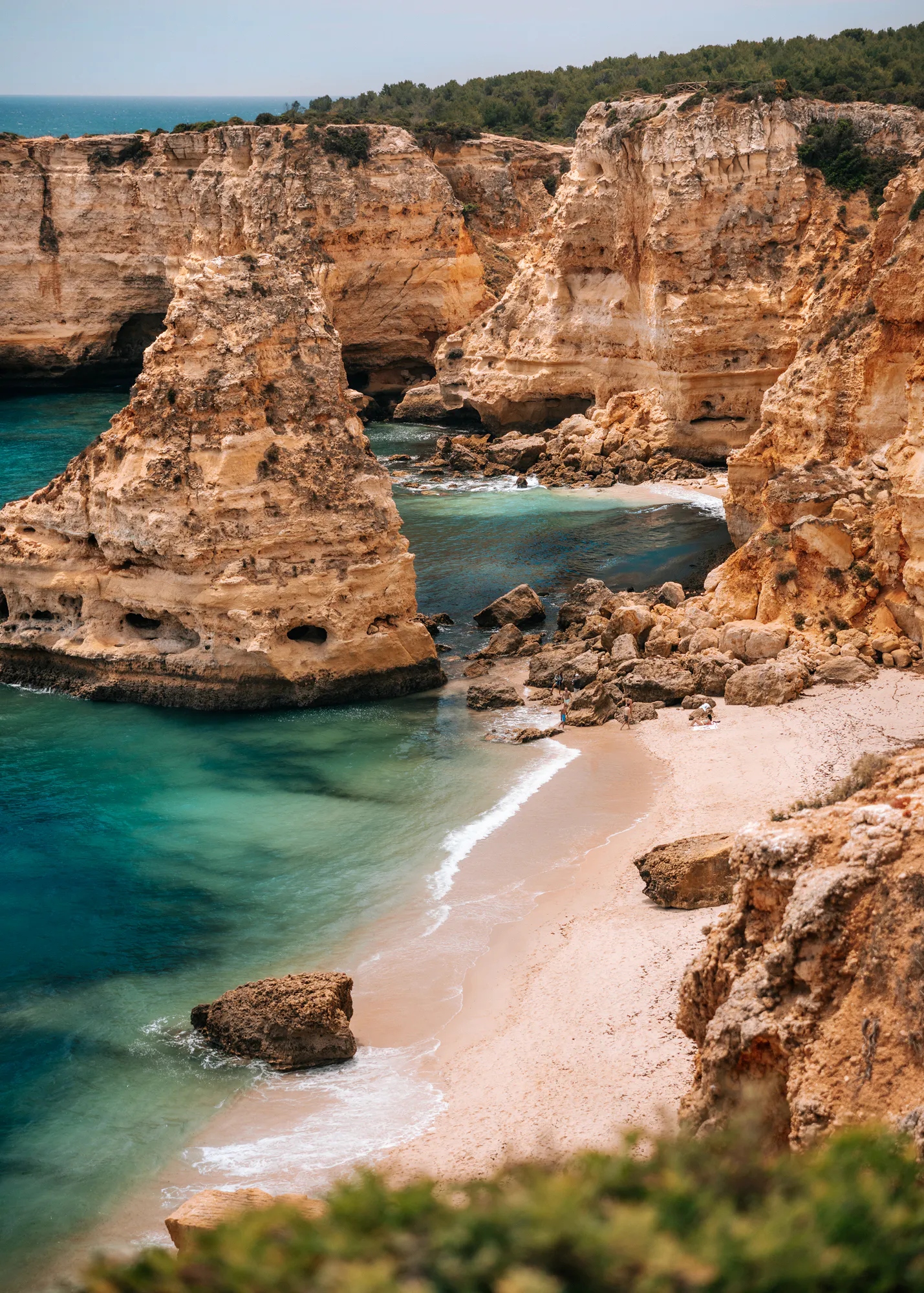
A visit to the coast might lead to conversations about tides and marine animals, while hiking through a national park introduces geology, weather, wildlife, and conservation without requiring a formal lesson. Visiting a market somewhere new can prompt questions about where food comes from, why people eat differently around the world, and how money works in another place.
You do not need to know every answer. In fact, looking something up together or encouraging a child to make an observation first can be more useful than immediately explaining everything. Curiosity becomes much more powerful when children begin seeing themselves as capable of finding answers rather than simply waiting for an adult to provide them.
Give Children Small Responsibilities While Traveling
Travel naturally creates dozens of opportunities for children to practice independence without asking them to manage anything beyond their abilities.
A young child might carry a small backpack, choose between two activities, help identify the correct gate number, select a book for the flight, or check that their water bottle is packed before leaving the hotel. Older children can take on progressively larger responsibilities, from helping navigate a walking route to researching an attraction or calculating how much spending money they have left.
The responsibility itself can be small. What matters is giving children something that genuinely belongs to them rather than creating a pretend task that an adult immediately takes over.
Repeated experiences of completing manageable tasks help build confidence because children accumulate evidence that they can handle things independently. A child who has successfully packed their own day bag, ordered a meal, or helped navigate through an unfamiliar place has a concrete reason to trust their own abilities the next time something new appears.
Let Everyday Experiences Become Part of Learning
Travel makes experiential learning particularly obvious, but the same principle works at home.
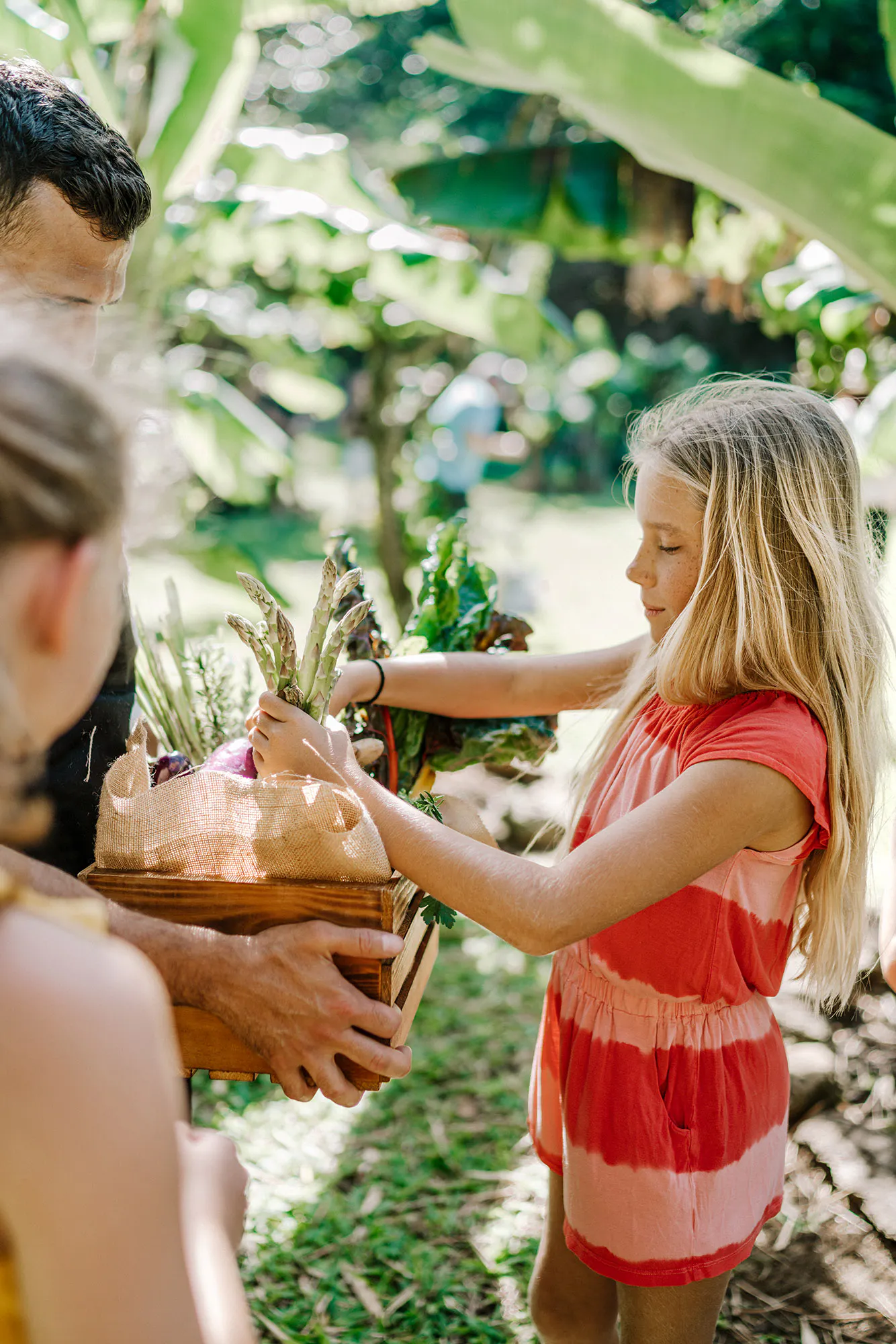
Cooking involves measurement, sequencing, patience, and reading. Grocery shopping introduces prices, quantities, comparison, and decision-making. Gardening encourages observation and responsibility, while a neighborhood walk can become an introduction to architecture, plants, weather, maps, or local history.
The advantage of these experiences is that the information has a purpose. Measuring flour matters because otherwise the pancakes will not turn out correctly. Reading a map matters because you are actually trying to reach somewhere. Counting money has immediate relevance when a child is deciding what they can afford to buy.
Structured resources can complement this kind of everyday learning when families want additional material at home. Preschool learning materials from Tuttle Twins offer activities designed around early learning and independent thinking, but resources like these work best as one part of a much larger environment in which children are encouraged to ask questions, explore, and participate in ordinary life.

Use New Places to Build Adaptability
One of the most useful things travel teaches children is that familiar routines are not the only way the world can work.
Breakfast might look different. People may speak another language. Transportation systems can be unfamiliar, bedtime might shift, and a restaurant may not serve the foods a child normally expects. Even relatively easy family vacations contain countless small changes.
That does not mean deliberately making a trip difficult. Children still benefit from familiar routines and enough predictability to feel secure. The value comes from experiencing manageable differences while knowing they have support around them.
Over time, children begin accumulating examples of unfamiliar situations that eventually became understandable. The airport that initially seemed enormous becomes navigable. The food they were unsure about becomes something they enjoy. The hiking trail that looked difficult becomes something they completed.
Those experiences can gradually make novelty feel less threatening.
Allow Enough Time for Children to Solve Small Problems
Family travel becomes considerably easier when adults solve every logistical problem themselves, but efficiency is not always the most valuable outcome.
If a child's jacket will not fit inside their backpack, give them a moment to rearrange it. If they cannot find something they packed, encourage them to think about where they last used it. If two activities sound appealing but there is only time for one, involve them in weighing the options.
The objective is not to leave children struggling unnecessarily. It is to resist stepping in during the first few seconds of manageable frustration.
Problem-solving develops through practice. A fallen tower of blocks at home and an overstuffed backpack on vacation involve different stakes, but both give children an opportunity to identify what went wrong, consider alternatives, and try again.
That process also helps separate a setback from a disaster. Plans change constantly when traveling, and learning that another solution usually exists is a useful skill at almost any age.
Build Confidence Through Experiences, Not Perfection
Confidence develops through doing things rather than repeatedly being told that you are capable of doing them.
Travel creates memorable opportunities for this because accomplishments are often tangible. A child remembers reaching the waterfall at the end of a hike, swimming somewhere new, trying a food they initially rejected, or navigating their first flight.
Parents can reinforce those moments by focusing on the process rather than presenting every success as evidence of innate ability. Acknowledging persistence, preparation, curiosity, or willingness to try gives children something they can repeat.
This becomes especially important when an activity does not go perfectly. A difficult hike that ends earlier than planned can still teach good judgment. Trying an unfamiliar food and disliking it still required openness. Getting confused on a museum map and eventually finding the right gallery still involved problem-solving.
Success does not have to mean completing everything exactly as planned.
Keep Some Familiar Routines on the Road
New experiences are valuable, but children do not need every part of their lives disrupted simultaneously.
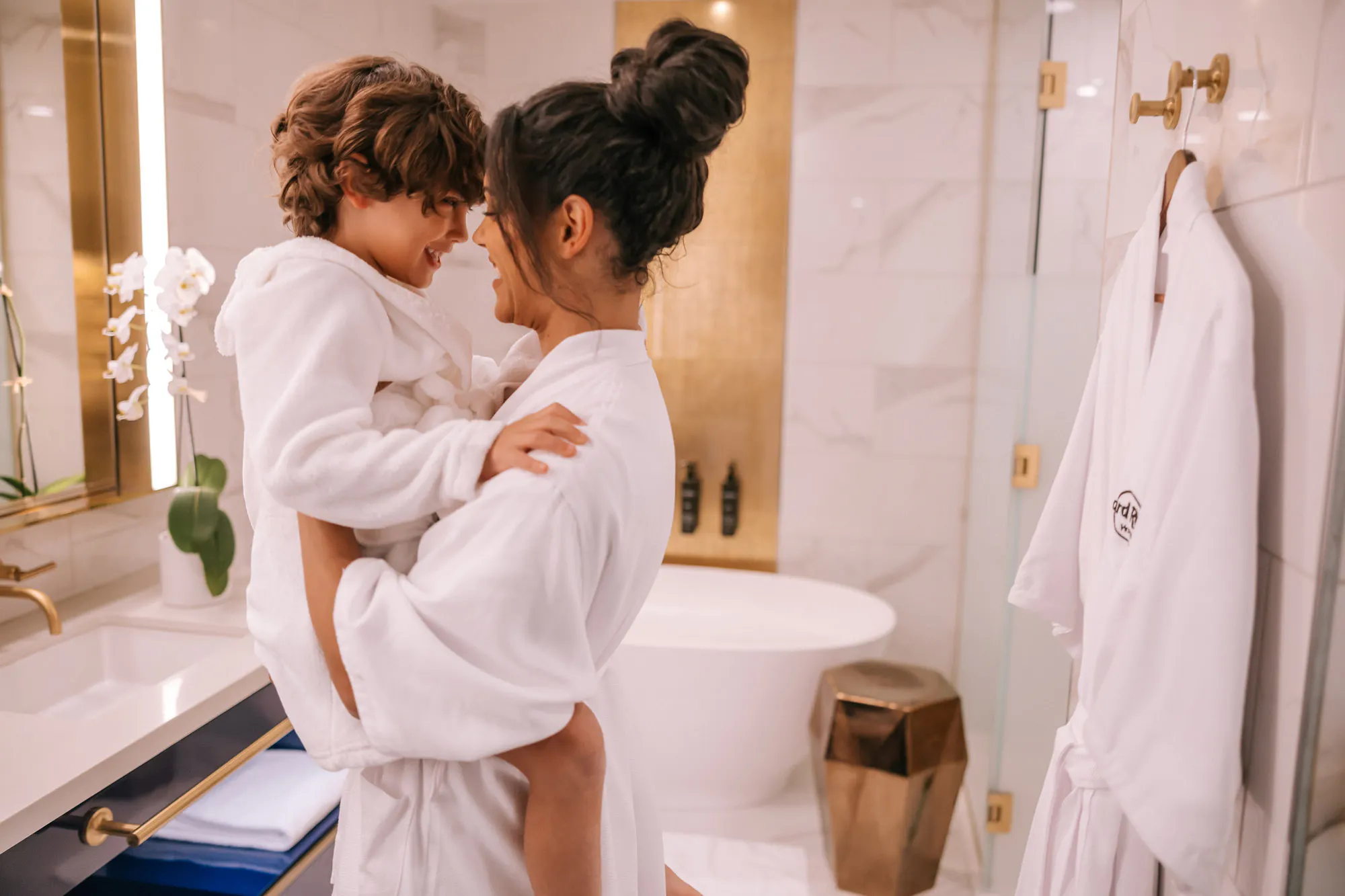
A few familiar routines can provide an anchor during travel. Reading together before bed, keeping a familiar morning ritual, bringing a favorite small toy, or maintaining a predictable quiet period can make the rest of the day's novelty easier to absorb.
The same principle works at home. Consistent reading time, creative play, outdoor time, or a regular family meal can establish patterns without turning childhood into a rigid schedule of educational activities.
Consistency and flexibility can exist together. A child can understand that reading happens most evenings while also learning that sometimes the family will be on a late train and the routine will change. Learning to function within both structure and occasional disruption is itself a useful form of adaptability.
Let Children Participate in Planning the Trip
One of the easiest ways to make family travel more engaging is to give children some influence over what happens.
Depending on age, that might mean choosing between two museums, picking a restaurant from a short list, researching an animal they might see, or selecting one activity everyone will do together.
Older children can become much more involved. They might research a neighborhood, compare transportation options, calculate a budget for an activity, or identify a place they want to photograph.
Planning gives context to the destination before arrival and creates a sense of ownership once the trip begins. A museum is different when a child chose it themselves. Seeing an animal becomes more exciting when they researched it beforehand, while successfully navigating somewhere they helped map provides an immediate confidence boost.
It also teaches an important reality of travel: choices involve trade-offs. Time and money are finite, distances matter, and choosing one activity sometimes means giving up another.
Make Museums, Nature and Culture Interactive
Family travel does not need to revolve around attractions specifically designed for children.
Many destinations become child-friendly when children have something active to look for or understand. In an art museum, choose five paintings rather than trying to cover every gallery. At an archaeological site, talk about what everyday life might have looked like rather than reciting dates. On a hike, identify plants, animal tracks, rock formations, or changes in elevation.
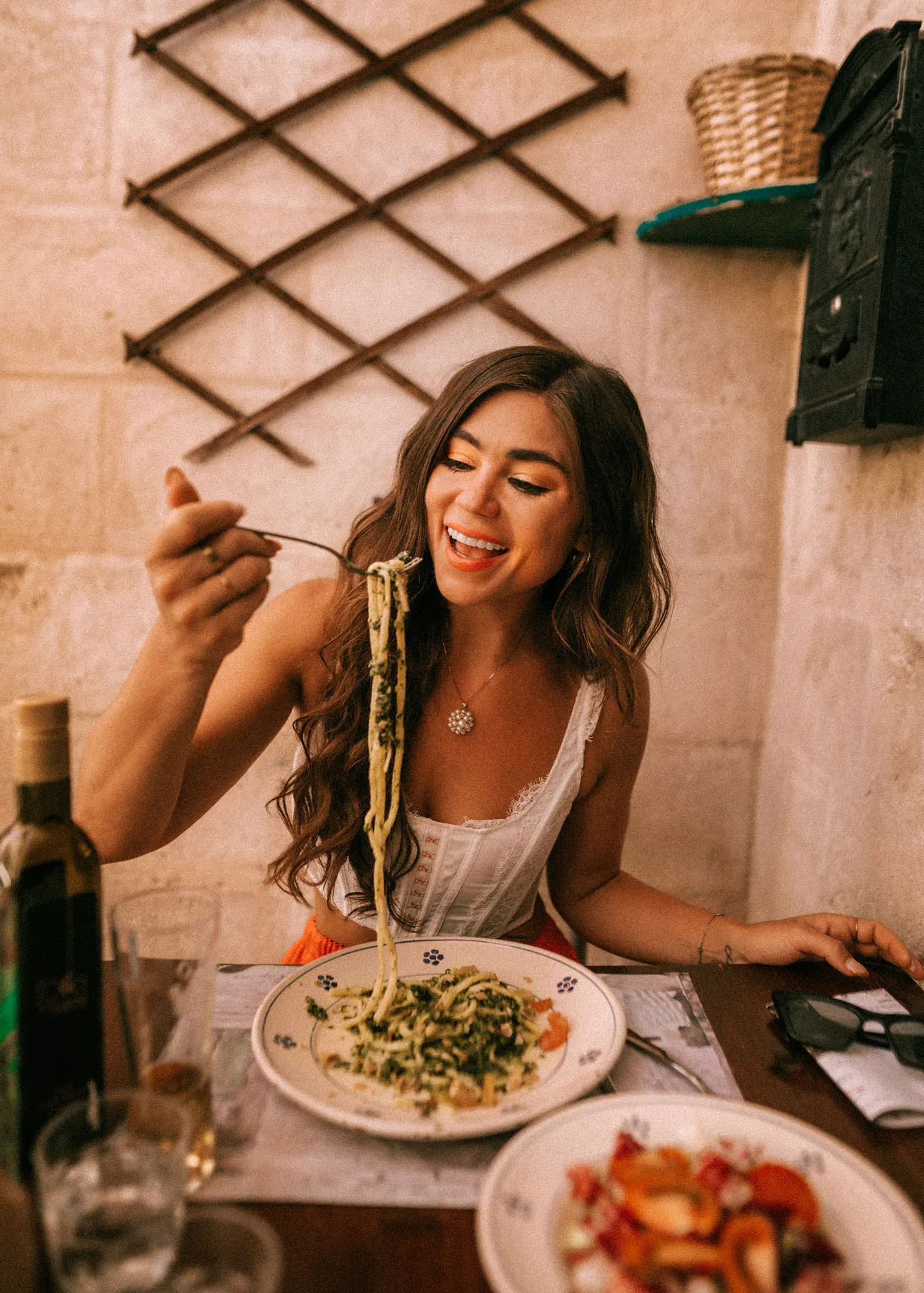
Food can be particularly effective. Visiting a market, trying regional dishes, watching something being prepared, or taking a family cooking class connects geography and culture to something immediate and sensory.
These experiences also help children understand that different does not automatically mean strange or wrong. Foods, homes, languages, customs, and routines vary dramatically around the world, and encountering those differences firsthand can make cultural diversity feel normal rather than abstract.
Create Space for Independent Exploration at Home
You do not need a plane ticket to continue the habits that travel encourages.
A home environment with accessible books, puzzles, maps, art supplies, building materials, and age-appropriate educational activities gives children opportunities to follow their own interests without waiting for an adult to organize every minute.
The atmosphere surrounding those materials matters as much as the materials themselves. Children who can experiment without worrying that every mistake will be corrected immediately are more likely to test ideas and persist when something does not work.
Expensive equipment is unnecessary. A library card, cardboard boxes, kitchen ingredients, a patch of outdoor space, or a neighborhood map can create plenty of opportunities for exploration when children are given enough time to use them creatively.
Show Children That Adults Are Still Learning Too
Children absorb an enormous amount from watching how adults respond to uncertainty.
Travel makes adult learning particularly visible. Parents get lost, encounter words they cannot pronounce, try unfamiliar food, misunderstand transportation systems, and occasionally make decisions that turn out to be wrong.
Handled well, those moments demonstrate something valuable: competence does not require knowing everything in advance.
Look up the train route together. Ask someone for directions. Admit when you do not know what a building is and research it later. Try the unfamiliar dish yourself before expecting a child to be adventurous about it.
Children who regularly see adults approach uncertainty with curiosity are learning that being confused temporarily is normal. They also see that learning continues long after school ends.
Raise Children Who Feel Comfortable Exploring the World
The goal of early learning is much larger than preparing children to reach academic milestones ahead of schedule. Curiosity, confidence, adaptability, independence, and problem-solving shape how children respond to opportunities long after preschool ends.
Travel happens to provide an exceptional environment for practicing all of them. New places create questions, unfamiliar situations require adjustment, and even ordinary travel logistics give children opportunities to participate rather than simply follow.
Families do not need elaborate international trips to create these experiences. A weekend road trip, a museum afternoon, a hike, a neighborhood market, or cooking a meal from somewhere you hope to visit can all encourage the same habits.
What matters is allowing children to participate in the world around them. Give them manageable responsibilities, let them make some decisions, encourage the questions that inevitably follow, and leave enough room for them to solve a few problems without immediately taking over.
Eventually, the confidence to explore somewhere unfamiliar becomes something larger: confidence that they can encounter a world they do not completely understand yet and figure out how to move through it.