A jar of homemade cold brew in the fridge on a hot week is one of summer's small pleasures. Smooth, refreshing, and once a batch is in the fridge, the hardest part of your morning coffee is done. But it's surprisingly easy to get wrong.
Two choices shape the cup more than any others: how you grind the coffee, and what roast you choose. This guide covers what the research says, and how to pick beans and a grind that repay the wait.
Why Grind Size Is One of the Biggest Levers in Cold Brew
Every coffee brewing method comes down to one question. How do you get flavor out of a bean and into your cup? With espresso, hot water and pressure do the heavy lifting in about 25 seconds. With drip, a shorter contact time and finer grind extract quickly. Cold brew has neither. No heat, no pressure, no rush. Just coffee and cool water sitting together for hours while time and surface area do the work.
That's why grind size matters so much. Smaller particles extract faster because they expose more surface area to water. Larger particles extract more slowly. Temperature, time, and ratio all matter too, and grind is one of the easiest variables to control.
Too fine, and extraction moves faster. Over a long steep, that can push the cup toward more bitter or astringent flavors while also leaving more sediment and clogging filters.
Too coarse, and the opposite happens. Not enough surface area, not enough extraction, and you end up with cold brew that smells great but tastes like coffee-flavored water.
The safe starting point is a visibly coarse grind. Think raw sugar, breadcrumbs, or sea salt in size. Published cold brew research has successfully used particle sizes around 800 to 1,000 microns, though there's no single universal setting. Some brewers go slightly finer to speed extraction or increase strength, then shorten the steep to compensate. That works, but if you're starting out, err on the coarser side.
Two more things worth knowing:
- Use a burr grinder if you can. Burr grinders produce more consistent particles than blade grinders, which chop unevenly and create a mix of fines and larger chunks that extract at different rates.
- Grind right before you brew. Whole beans hold their aroma much longer than ground coffee, which starts losing volatiles quickly once exposed to air. Storage conditions matter, but grinding fresh is one of the simplest improvements you can make.
Read More: The Best Orchard Road Cafés in Singapore for a Relaxed Slow Travel Experience
The Roast Question: What Actually Works in a Cold Steep
Once your grind is right, the roast is what shapes how the cup actually tastes. And here's where cold brew gets interesting, because it doesn't always reward the same things hot coffee does.
Roast level and origin strongly influence how a cold brew ends up tasting. Research on immersion coffee has found that cold brew can come out more floral and less bitter, sour, and rubbery than chilled hot brew of the same coffee when strength and serving temperature are controlled. But roast still matters, and it changes what you're likely to get.
Light roasts are the most divisive choice. They keep more of the delicate, acid-driven character that hot brewing brings out, and in cold brew that can go two ways. Some drinkers get a bright, fruit-forward, tea-like cup they love. Others get something thin and sour that feels like the coffee didn't fully arrive. It depends on the bean, the steep time, and your palate. If you already love light roasts hot, it's worth trying cold. Just know it takes a lot of trial and error to get it right.
Medium roasts are the reliable place to start. This is where chocolate, caramel, brown sugar, and toasted nut notes tend to live, and those translate well into a cold steep for most drinkers. If you're only going to try one roast for cold brew, medium roasts are hard to go wrong with.
Medium-dark roasts add weight and richness. They cut through milk, oat milk, and ice, which makes them a strong choice if you drink your cold brew with cream or as a latte base.
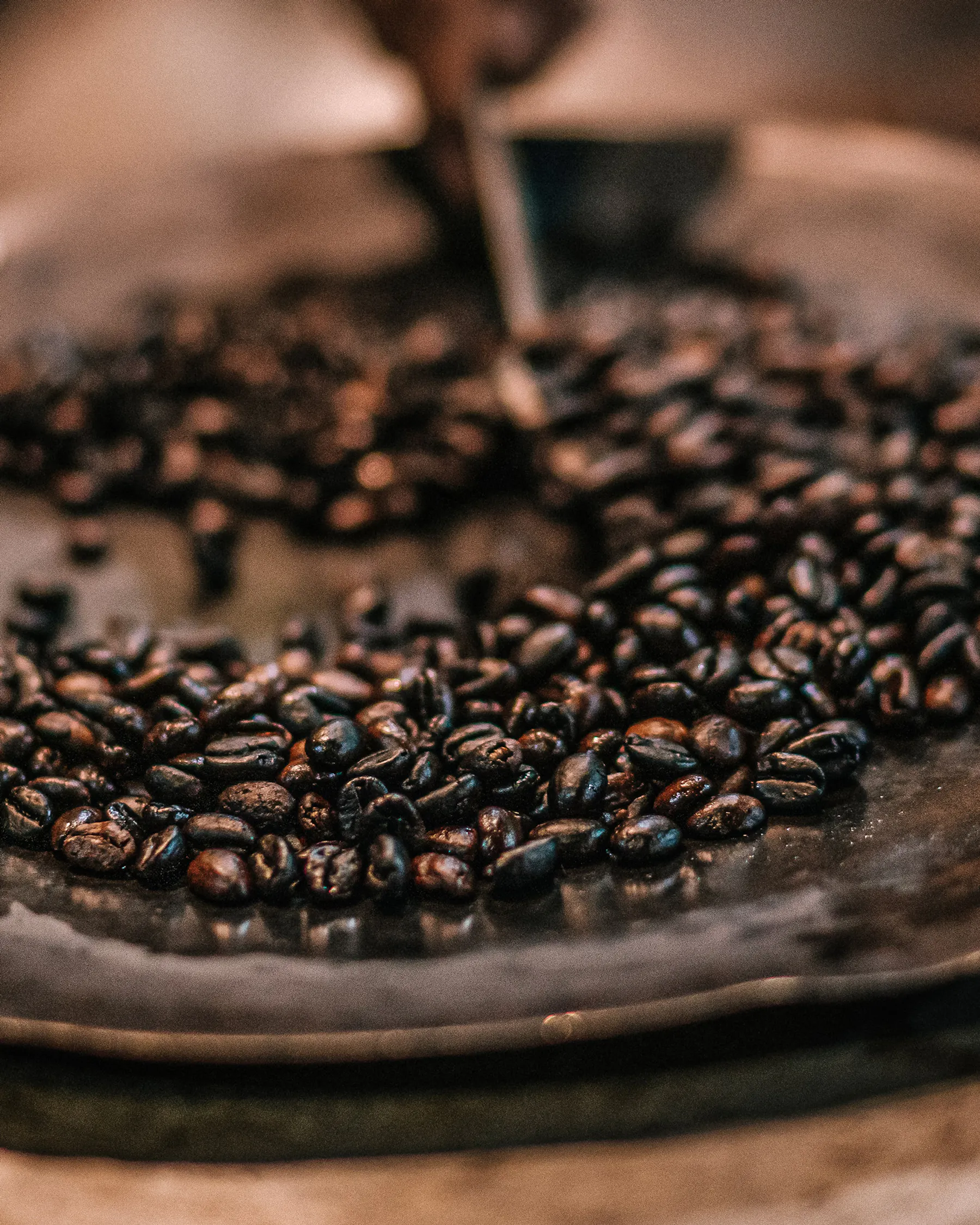
Dark roasts work, but with a smaller window. Dark roasts can become more roast-forward as the steep progresses. In controlled research, bitter and burned attributes in dark-roast cold brews changed with longer extraction times, so shortening the steep is worth trying if the cup gets too intense.
There's also a genuine argument for coffee that's been roasted with cold brewing specifically in mind. Most bags on the shelf are roasted to make a good hot cup, and you're just hoping they translate. A few roasters take the opposite approach and build a roast built specifically for cold brewing, crafted specifically for cold brewing. Purity Coffee is one example. It's a limited-run medium roast made specifically for cold brew rather than a general-purpose bean asked to do a job it wasn't designed for. One product-specific note if you're using it: Purity's Cold Brew Roast has its own brewing recommendation: 75 grams of coffee to 32 ounces of water, steeped refrigerated for at least 6 to 7 hours. Follow the bag instructions when using that particular roast.
Cold brew is often marketed as "less acidic" than hot coffee. The answer depends on how you're measuring acidity. A study by Rao and Fuller, published in Scientific Reports, found that the pH of cold- and hot-brew coffee is comparable, both landing between 4.85 and 5.13, while cold brew had lower total acid content overall. Later work under controlled conditions found modestly higher pH and lower perceived sourness in cold brew. So cold brew often tastes less sour or harsh than hot coffee from the same beans. It just isn't as simple as a single pH number.

The Rest of the Recipe
Grind and roast are the biggest calls, but a few other things affect the outcome too.
Ratio. Cold-brew recipes vary widely. As a practical starting point, use roughly 1 part coffee to 5 parts water by weight for a concentrate you plan to dilute, or around 1 to 8 for a stronger ready-to-drink brew. Treat those as starting points rather than fixed rules and adjust to taste. Weigh the coffee if you can, since ground coffee varies in density from bag to bag.
Steep time. Twelve to 24 hours is a common traditional range for immersion cold brew, but it isn't a requirement. Extraction speed depends on grind size, temperature, ratio, and the coffee itself, and recent research from UC Davis shows useful extraction can happen considerably sooner. Start with your brewer or roaster's recommendation, then adjust by taste.
Water. Cold brew is mostly water. Use clean, good-tasting water. If your tap water has noticeable chlorine or other off-flavors, appropriate filtration can help, while some mineral content is useful for coffee extraction.
Temperature. Both room-temperature and refrigerator brews work, and research by the Specialty Coffee Association confirms that colder brewing simply proceeds more slowly than warmer brewing. Treat time and temperature as linked variables. A shorter room-temperature steep and a longer fridge steep can land in similar places.
Filtering. A fine mesh strainer catches the big stuff. Following it with a paper filter catches the tiny particles that make cold brew silty and generally gives you the cleanest cup.
Storage. Transfer finished cold brew to a clean, sealed container and refrigerate it promptly. For homemade cold brew, drink it within about a week. Actual shelf life varies with sanitation, filtration, packaging, and whether the brew contains milk or sweetener.
Clean equipment. Wash the brewing vessel, filter, and lid thoroughly between batches. Cold brewing doesn't include the hot-water step that hot coffee uses, so good sanitation and clean water matter. It also stops old coffee oils from turning rancid and dulling the flavor of your next batch.
Small habits, all of them. But together they turn a fine batch into a genuinely good one.
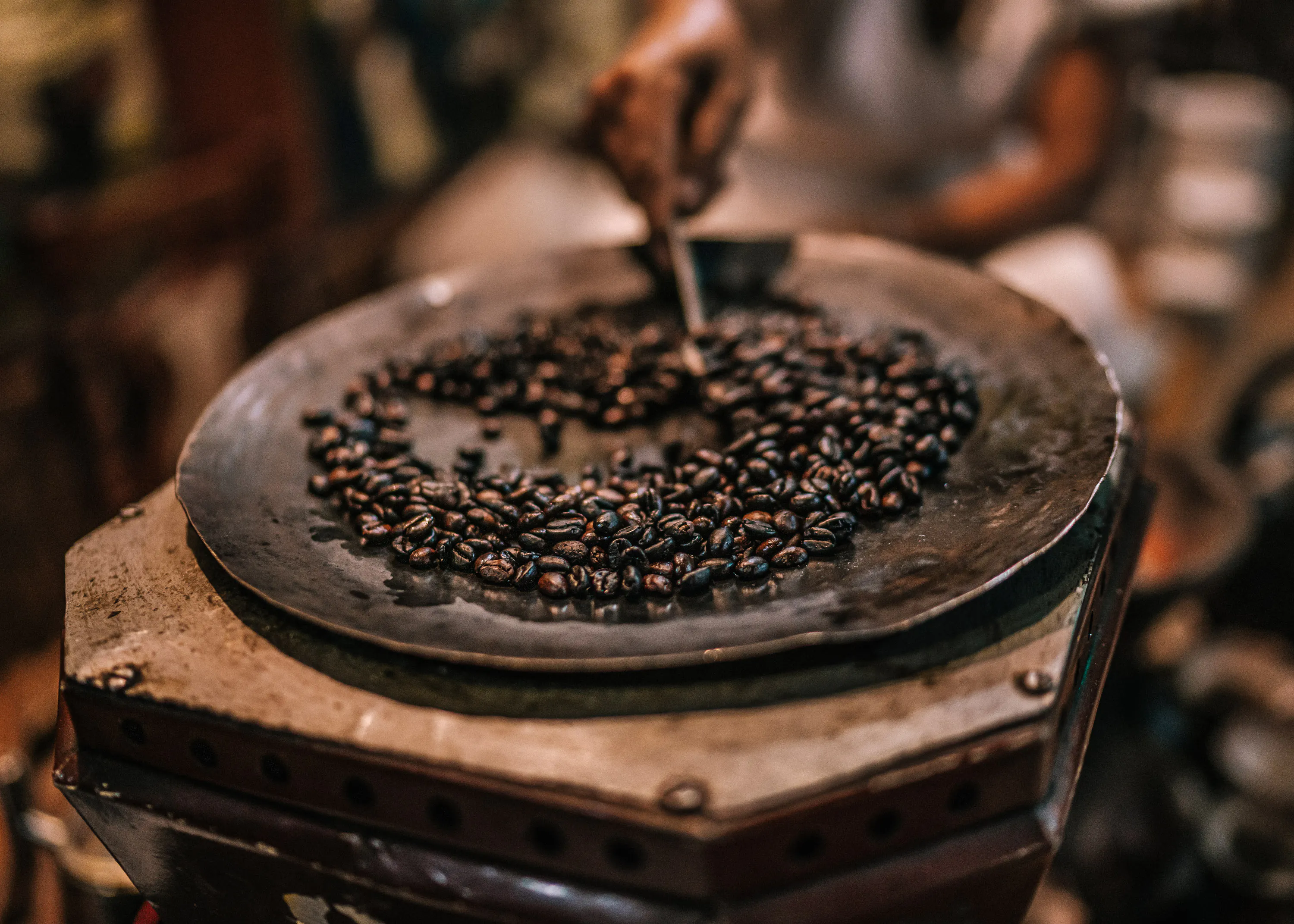
Getting It Right
If you take one thing from this, take the two decisions that matter most. Coarse grind, medium-to-medium-dark roast, freshly ground, patient steep.
The reward is worth the small effort. A well-made cold brew can be smooth, refreshing, and tasty. It suits the pace of a slow morning, an afternoon that wants a pick-me-up, or a hot day when hot coffee just doesn't sound right.
If you'd like a shortcut to beans that already meet the mark, a purpose-built cold brew roast like Purity's is a good place to start. Otherwise, take a medium roast you already trust, grind it coarse, give it time, and see what happens. Cold brew rewards patience more than technique. And it's worth the wait.