How to Get the Most Out of a Solo Tour
At first glance, solo traveling can look scary, intimidating, and risky, especially when traveling to a different country or continent. However, you can turn everything around in your favor by how you plan and coordinate your travel.
Right from the start, you can choose the most exciting places and activities to engage in while touring your new destination. Instead of the worrisome and imaginative risks solo travelers have, you can enjoy one of the most eye-opening experiences in our first-ever solo tour. Here’s how you can plan and get the most out of your next solo travel experience.
Research Extensively
Before setting off to your destination, make sure to do extensive research about everything that would be of interest during your stay. Check whether the food culture is something you can embrace seamlessly, and whether the bars, restaurants, and surrounding areas are a depiction of what you expect. You should also research prices of basic commodities and affordable communities if you intend to stay for a longer period.
If you’re visiting a busy city like Las Vegas, research specific activities, such as its nightlife, any news updates, and if there’s anything out of the ordinary, like Las Vegas escorts. Knowing what to expect in advance through research helps you budget and mentally prepare for a successful tour.
Prepare to Face Your Fears
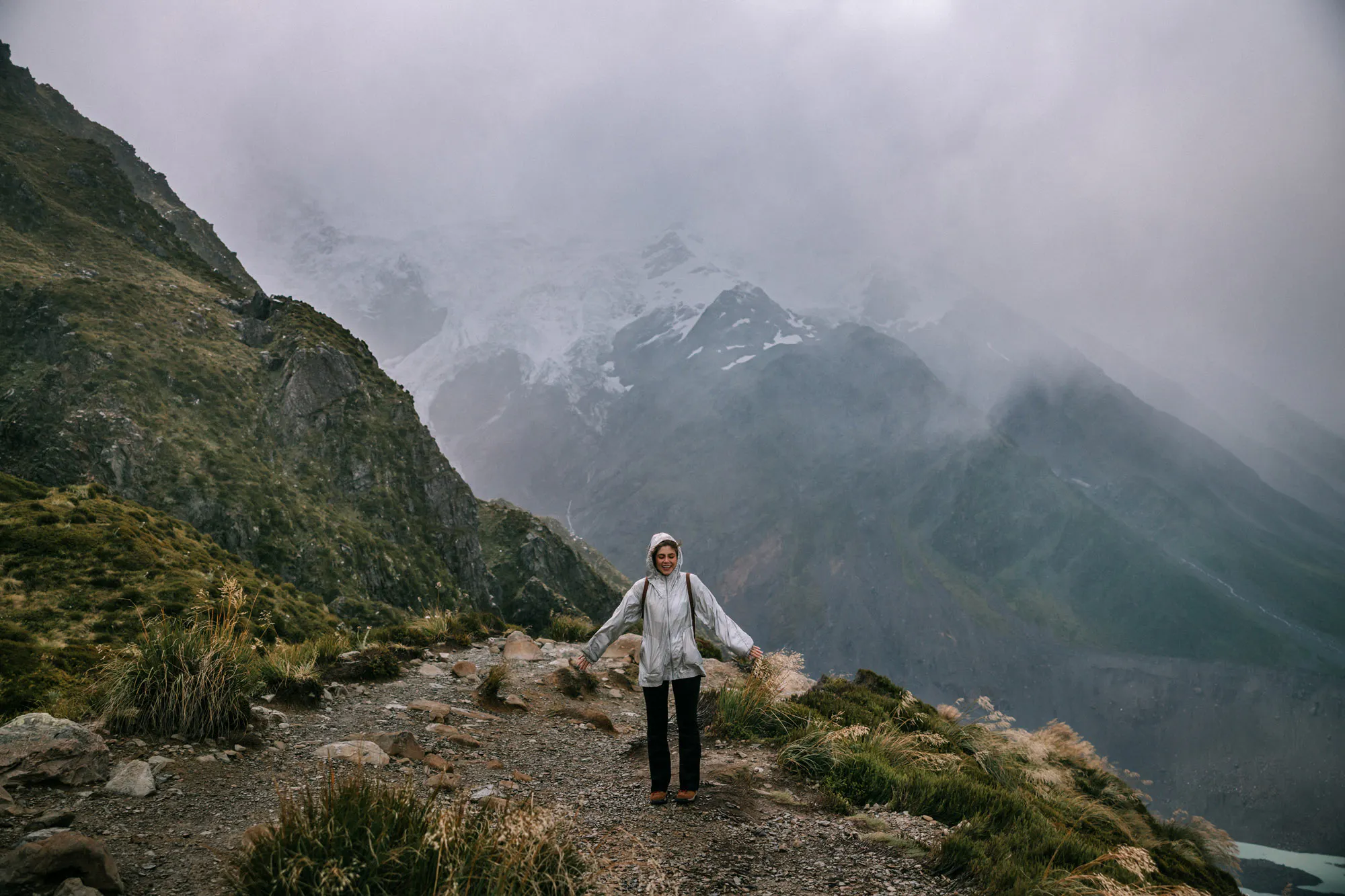
One of the biggest challenges with planning a solo trip is overcoming personal fears, especially for first-time travelers. There’s always the worry of what could go wrong, whether it’s with the food, location, or excursions. Dwelling so much on negative thoughts can hinder you from building the right expectations for your trip. You should, therefore, focus more on doing a few things you fear doing than sweeping them under the carpet.
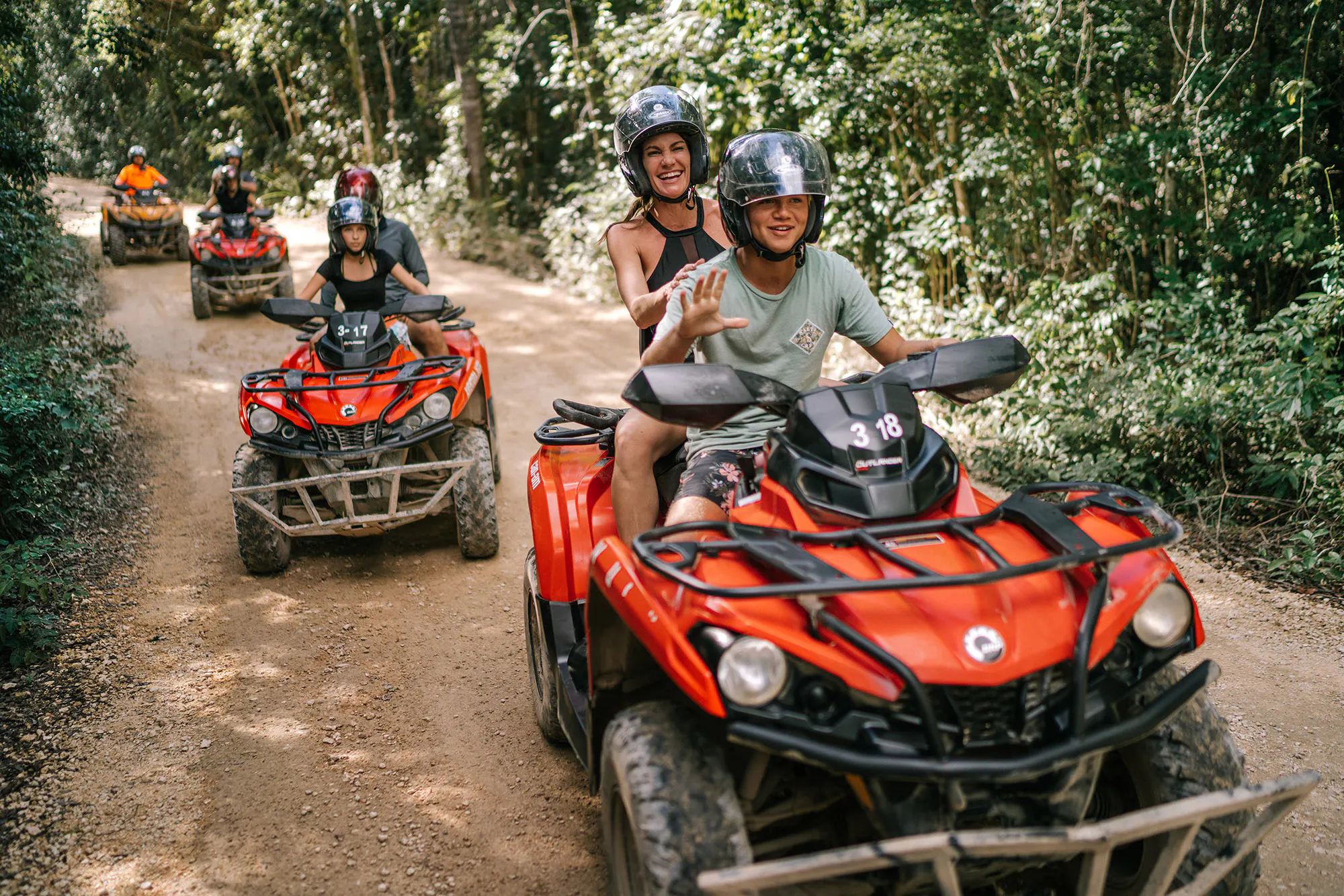
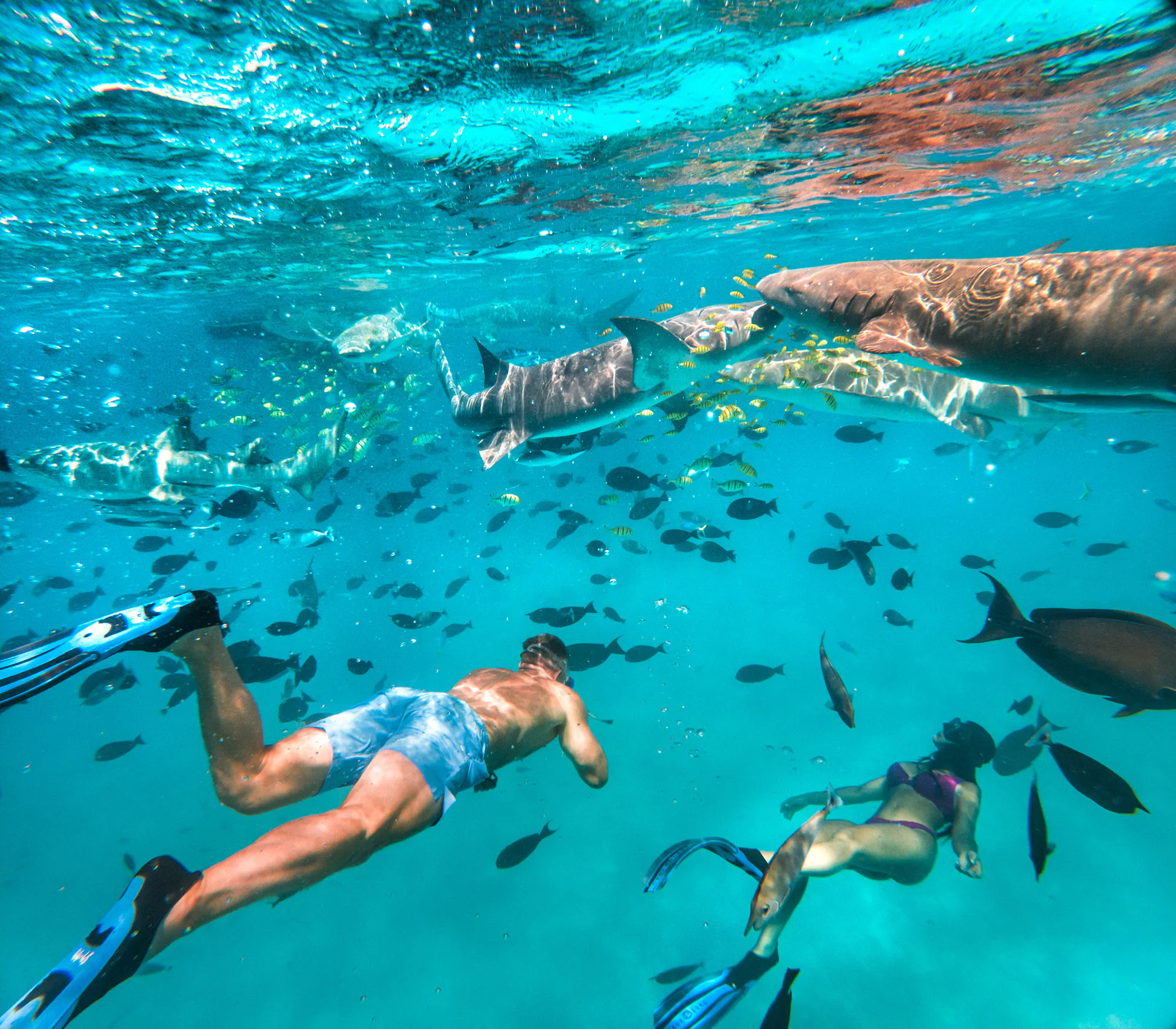
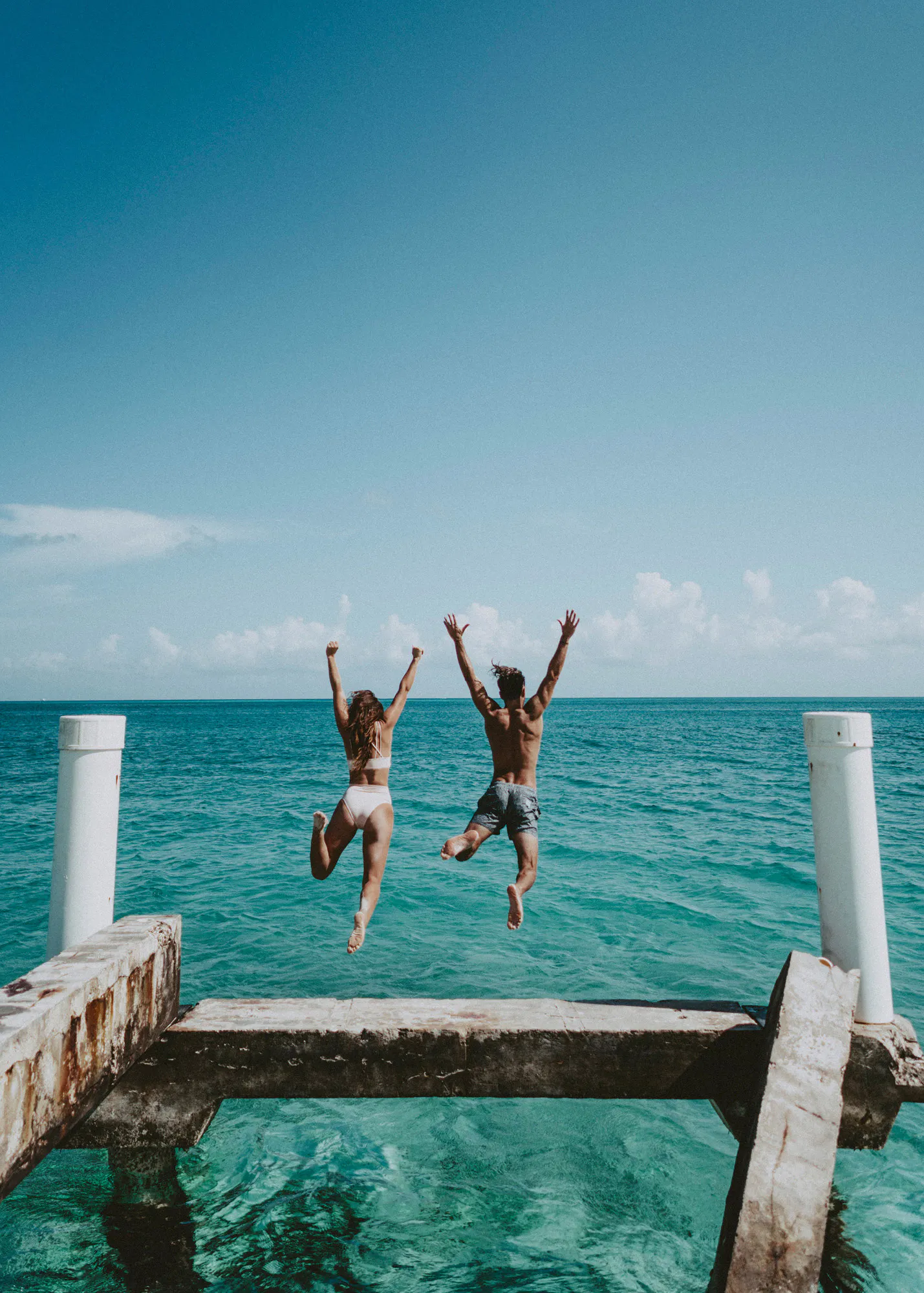
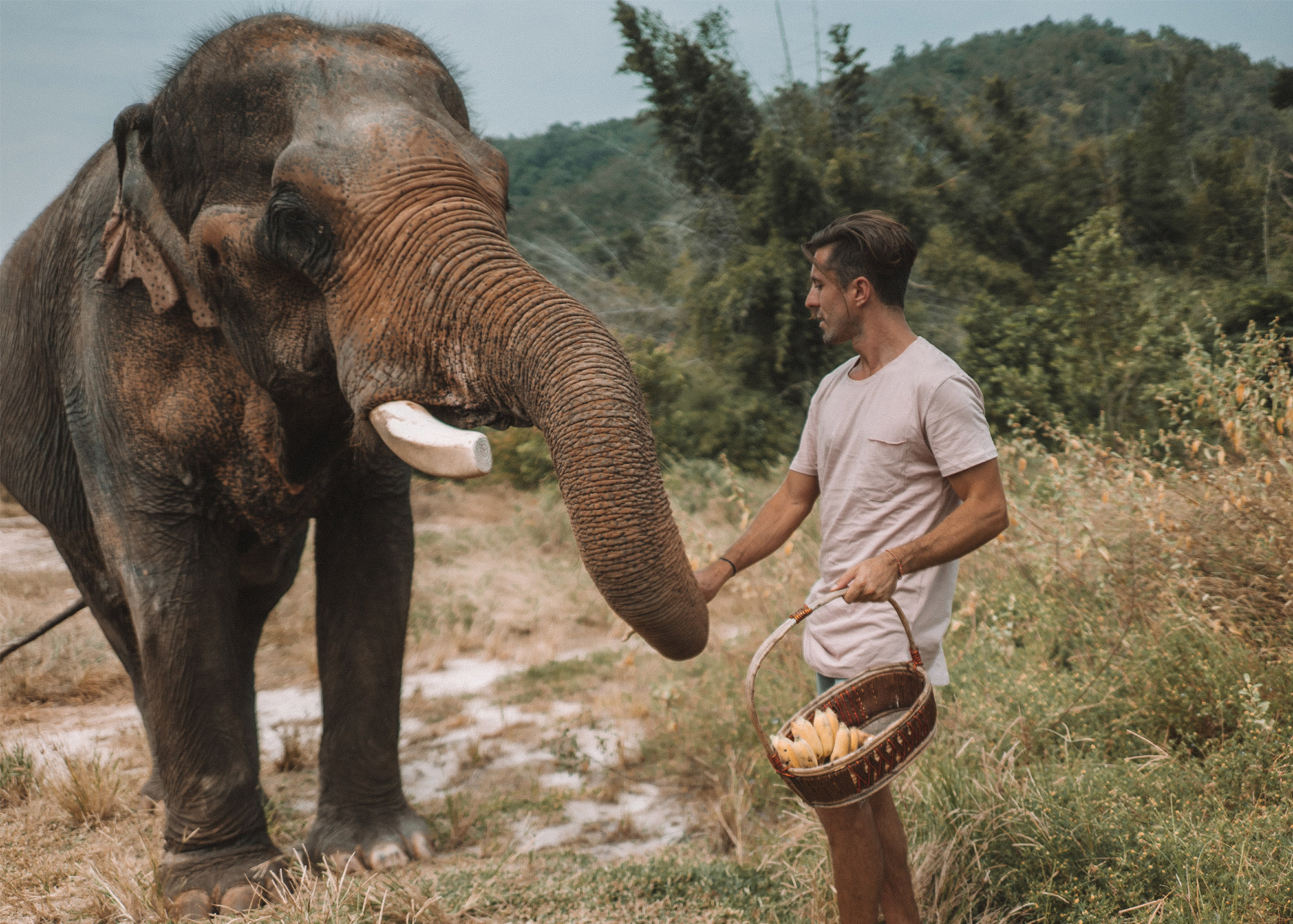
If you’ve never tried an extreme sport or challenging activity, you may want to try it out during your solo trip. Since you don’t have family or friends to worry about, you can engage in these activities without having someone create doubt in your mind. You can go on a Safari in Kenya, climb Mount Everest, or cuddle with Tigers in Thailand, all to ensure you overcome your fears and have the best time.
Stay in a Hotel, Airbnb Can Wait
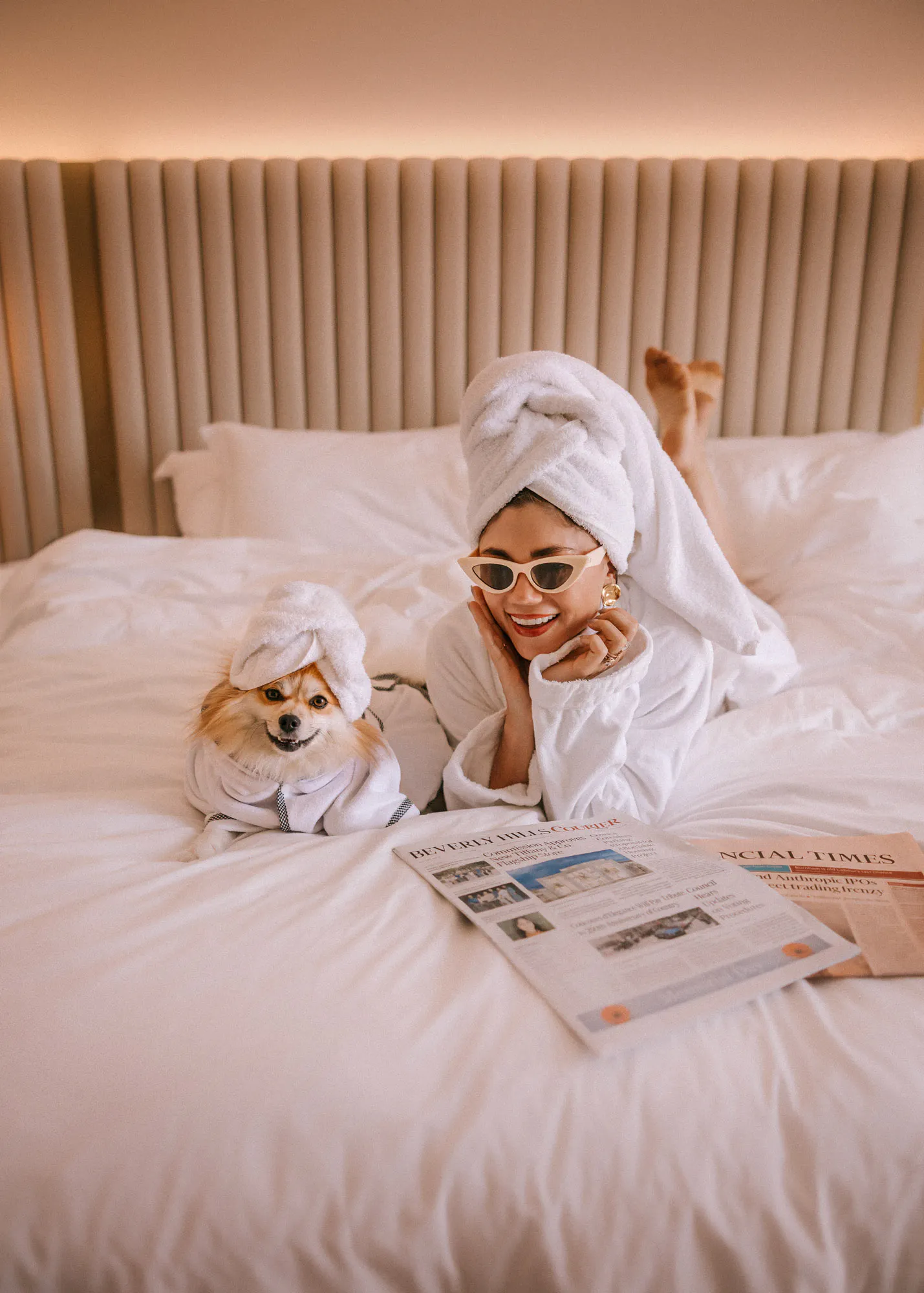
For your first solo trip to a new place, it’s best if you choose a hotel over an Airbnb, for good reasons. While Airbnbs can be cheaper than most hotels, they’re not exactly the accommodation option you need for your first night out alone in a far-off town or country. Checking into a hotel feels more secure because hotels have more secure entrances with several staff on-site to help you if any issues arise.
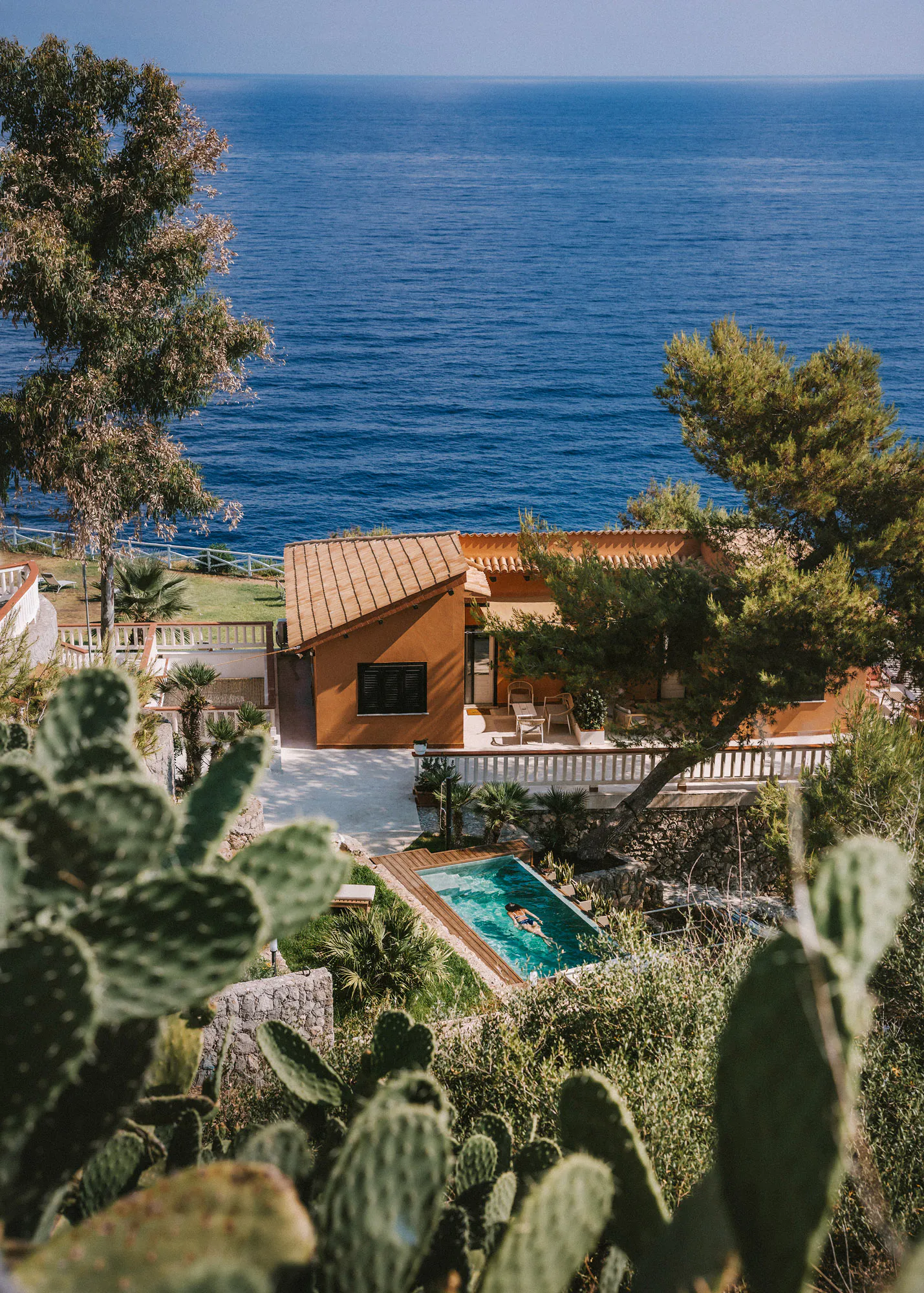
Additionally, hotels often have common areas and amenities such as spas, restaurants, gyms, or hotel pools that can add to your list of activities during your trip. These amenities and common areas are a great opportunity to meet new people and network.
Build an Itinerary That Gives You Structure Without Overplanning
One of the best parts of traveling alone is having complete control over your schedule, so avoid recreating the rigidity of a group tour unless that is genuinely how you like to travel. For a first solo trip, I would plan one or two important activities each day and leave the rest relatively flexible.
Book anything that genuinely requires advance reservations, whether that is a museum with timed entry, a popular restaurant, a boat trip, or an excursion outside the city. Then give yourself enough unscheduled time to wander through a neighborhood, stop somewhere that looks interesting, or change plans because someone you meet recommends somewhere better.
It also helps to group activities geographically. Crossing a large city several times in one day wastes both time and money, and navigating complicated transportation becomes more tiring when you are doing everything yourself. Save several places on your map before the trip and organize each day around one general area.
Learn How You'll Get Around Before You Arrive
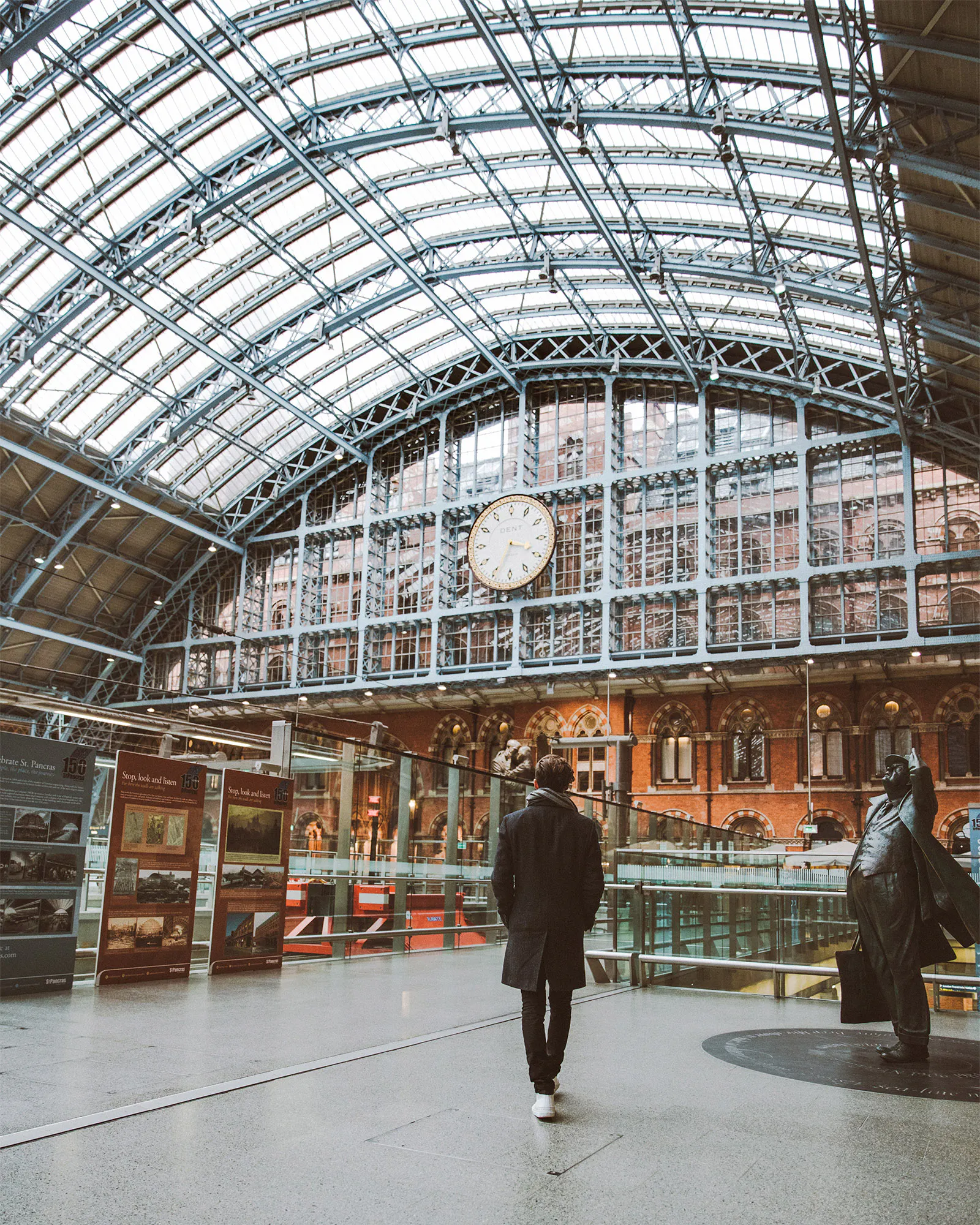
Transportation can be one of the most stressful parts of arriving somewhere alone, particularly after a long flight when you are tired, carrying luggage, and unfamiliar with the destination.
Before leaving home, work out exactly how you will get from the airport or train station to your accommodation. Research the official taxi system, rideshare availability, public transportation, and approximate journey time so you are not making those decisions for the first time while standing in an arrivals hall.
Download the local transportation app and an offline map before your trip, and save your hotel's address somewhere accessible without an internet connection. If public transportation stops running at a certain hour, know that too. You do not need to plan every journey in advance, but knowing how the system works makes exploring alone considerably easier.
Share Your Plans Without Giving Up Your Independence
Traveling alone does not mean nobody should know where you are. Send your basic itinerary, flight information, and accommodation details to someone you trust before departure, particularly if you are traveling internationally.
For longer excursions, hikes, road trips, or activities that take you somewhere remote, tell someone where you are going and approximately when you expect to return. Keep copies of your passport, travel insurance information, and other important documents somewhere separate from the originals.
The goal is not to become paranoid about everything that could happen. It is to put a few basic safeguards in place so you can spend less time thinking about them once the trip begins.
Don't Schedule Every Evening
The first few days of solo travel can be surprisingly tiring. You are making every decision yourself, navigating unfamiliar streets, absorbing a new environment, and spending far more time alert to your surroundings than you probably would at home.
Leave some evenings open.
A hotel with a good restaurant, rooftop bar, pool, spa, or comfortable common space becomes particularly valuable when you are traveling alone because you have somewhere enjoyable to spend a few hours without needing another elaborate plan. There is nothing wrong with returning to your room early, ordering dinner, editing photos, reading, or simply recovering before another full day.
You do not need to maximize every hour for a trip to be worthwhile.

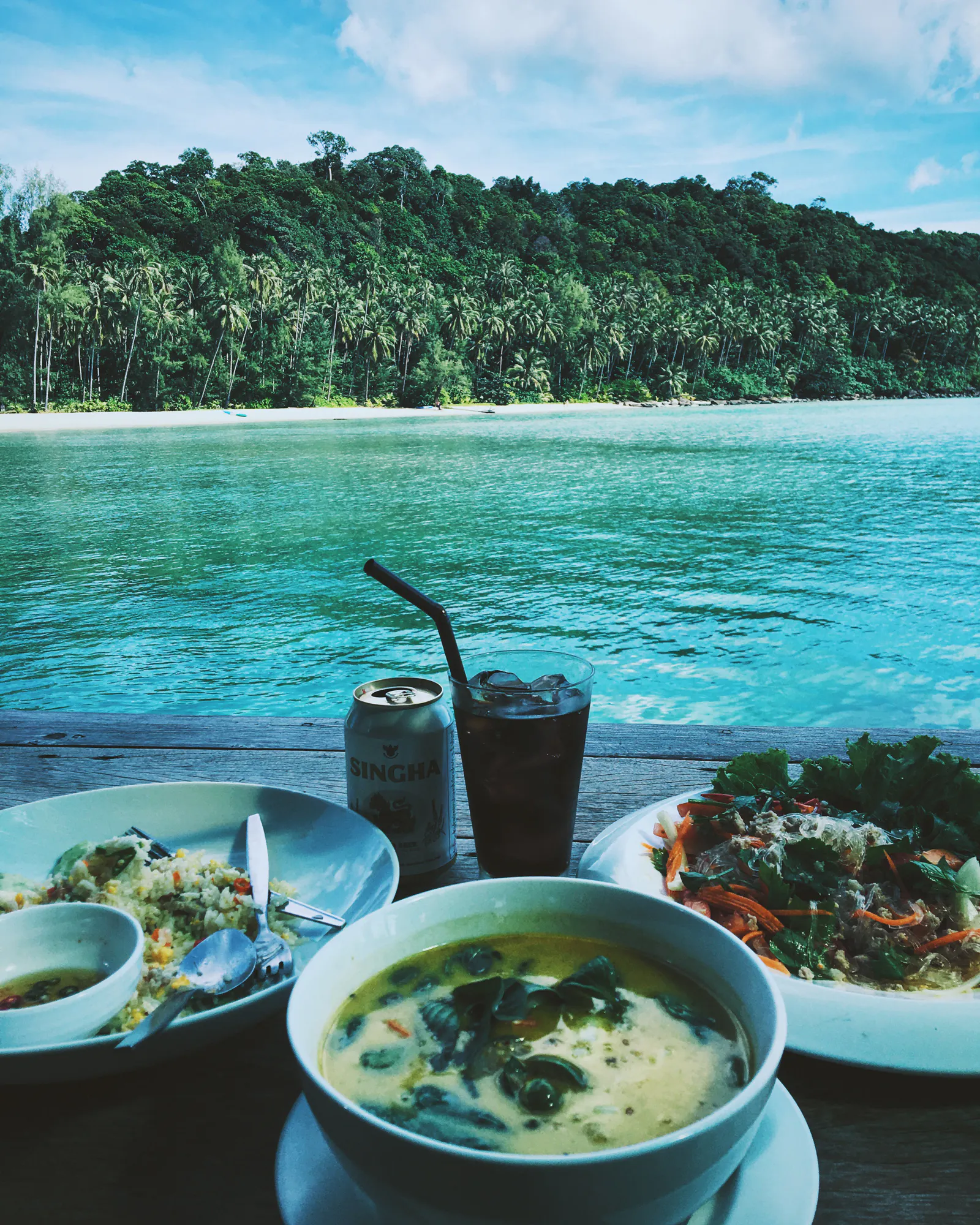
Get Comfortable Eating Alone
Eating alone is one of the things first-time solo travelers tend to worry about far more before a trip than they do once they actually start doing it.
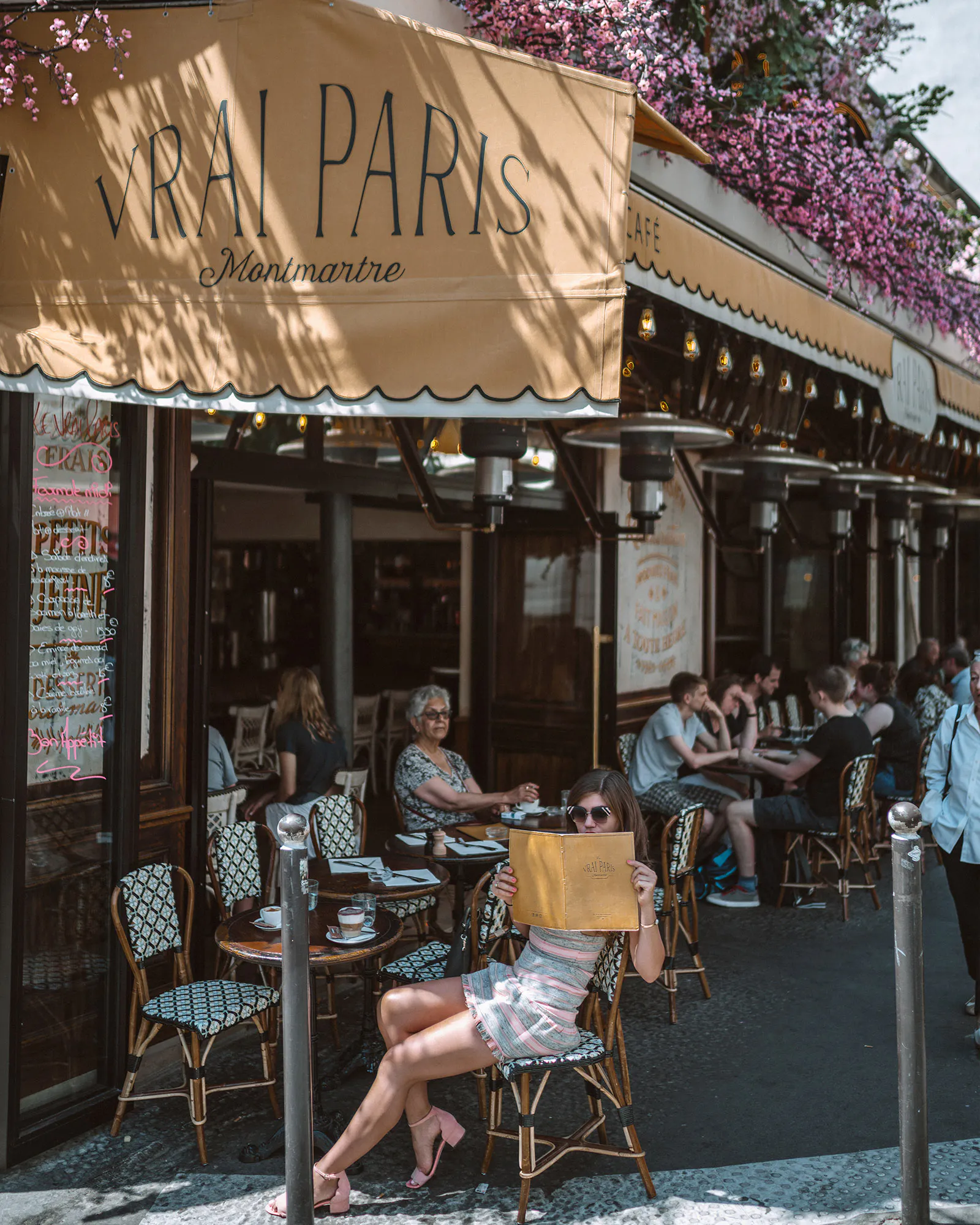
Lunch is an easy place to begin. Sit at a café, market counter, or restaurant bar rather than choosing the most formal dining room you can find. Bring a book if you want something to do, although people-watching quickly becomes its own form of entertainment in a new city.
For dinner, counter seating and restaurant bars can feel more social than a table for one, and they often make it easier to talk to bartenders, servers, or other diners naturally. Food tours and cooking classes are also useful if you want to experience the local food scene without eating every meal alone.
Most importantly, do not settle for mediocre takeaway every night because you feel awkward requesting a table for one. Trying the food is part of experiencing a destination, whether someone is sitting across from you or not.
Find Social Experiences When You Actually Want Company
Solo travel does not have to mean spending the entire trip alone. In fact, traveling independently often makes it easier to meet people because you are considerably more approachable without a partner or group around you.
Walking tours, small-group excursions, cooking classes, diving trips, fitness classes, photography walks, and organized day trips all provide natural opportunities to interact with other travelers without committing your entire vacation to them.
You can spend the morning exploring with a group and still have the afternoon completely to yourself.
This balance is particularly useful on a longer solo trip. Some days you may want conversation and company; other days you may genuinely enjoy not having to negotiate a single decision with another person.
Keep Your Phone Ready, but Don't Depend on It for Everything
Your phone will probably become your most important travel tool when you are alone. It holds your maps, reservations, boarding passes, translation apps, transportation information, payment methods, and a direct connection to people back home.
Keep a portable charger in your day bag and download anything essential for offline access. Screenshots of tickets, hotel information, train reservations, and important addresses can save you when mobile service disappears unexpectedly.
At the same time, pay enough attention to your surroundings that you are not walking through an unfamiliar neighborhood staring continuously at a map. Check the route before you start moving, use headphones cautiously, and step into a café or shop if you need a few minutes to figure out where you are going.
Pack Lighter Than You Think You Need To
Packing light matters even more when you are traveling alone because nobody else is there to watch your bags, help carry something upstairs, or stay with your suitcase while you solve a transportation problem.
For most trips, prioritize clothing you can wear several ways, comfortable walking shoes, a secure everyday bag, basic medication, charging equipment, and whatever destination-specific gear you genuinely need. Avoid packing for hypothetical situations that are unlikely to happen.
Keep your passport, wallet, phone, medication, chargers, and at least one change of clothing in your carry-on when flying. If checked luggage disappears temporarily, you should still be able to function without immediately replacing everything.
Give Yourself Permission to Change the Plan
A solo itinerary belongs entirely to you, which means you can change it without disappointing anyone.
If you love a neighborhood, stay longer. If an excursion sounded better online than it feels once you arrive, leave. If you are exhausted, sleep in. If you meet people and decide to join them somewhere, rearrange the afternoon.
That flexibility is one of the biggest advantages of traveling alone and something group travel rarely offers to the same extent.
Your first solo trip does not need to prove that you can handle every challenge, visit every landmark, or spend every waking hour outside your hotel. The point is learning what kind of traveler you are when nobody else's preferences are shaping the experience.
Start With a Solo Trip That Feels Manageable
You do not need to make your first solo adventure a month-long journey across several countries. A three- or four-night city break can teach you most of the practical skills you will use on much longer trips: navigating alone, eating alone, managing transportation, making decisions, and becoming comfortable with your own company.
Choose somewhere that genuinely interests you and has straightforward transportation, plenty to do, and accommodations in areas where you will feel comfortable coming and going independently. Give yourself enough structure that you never feel stranded without a plan, but enough freedom to experience what makes solo travel different in the first place.
The biggest advantage of traveling alone is not simply that you can go somewhere without waiting for someone else. It is that every part of the trip becomes yours to shape. Once you realize you can navigate a new destination, solve the inevitable small problems, and have a genuinely good time on your own, planning the second solo trip tends to feel considerably easier than planning the first.
Now that you know what to do on a solo trip, you don’t have any excuses for not planning that trip you’ve been pushing aside for a long time. Whether you plan to do it in your next work vacation or during a solo business trip, the above tips will help you get through the trip successfully.