A product launch is one of the rare moments your brand gets everyone's attention at once. Waste it with a generic backdrop and a folding table, and people leave with nothing to share.
The visual presentation of your launch shapes how journalists write about it, how guests photograph it, and how long the moment stays in people's heads. Here are five ways to make it genuinely stick.
1. Use Oversized Product Replicas as a Visual Anchor
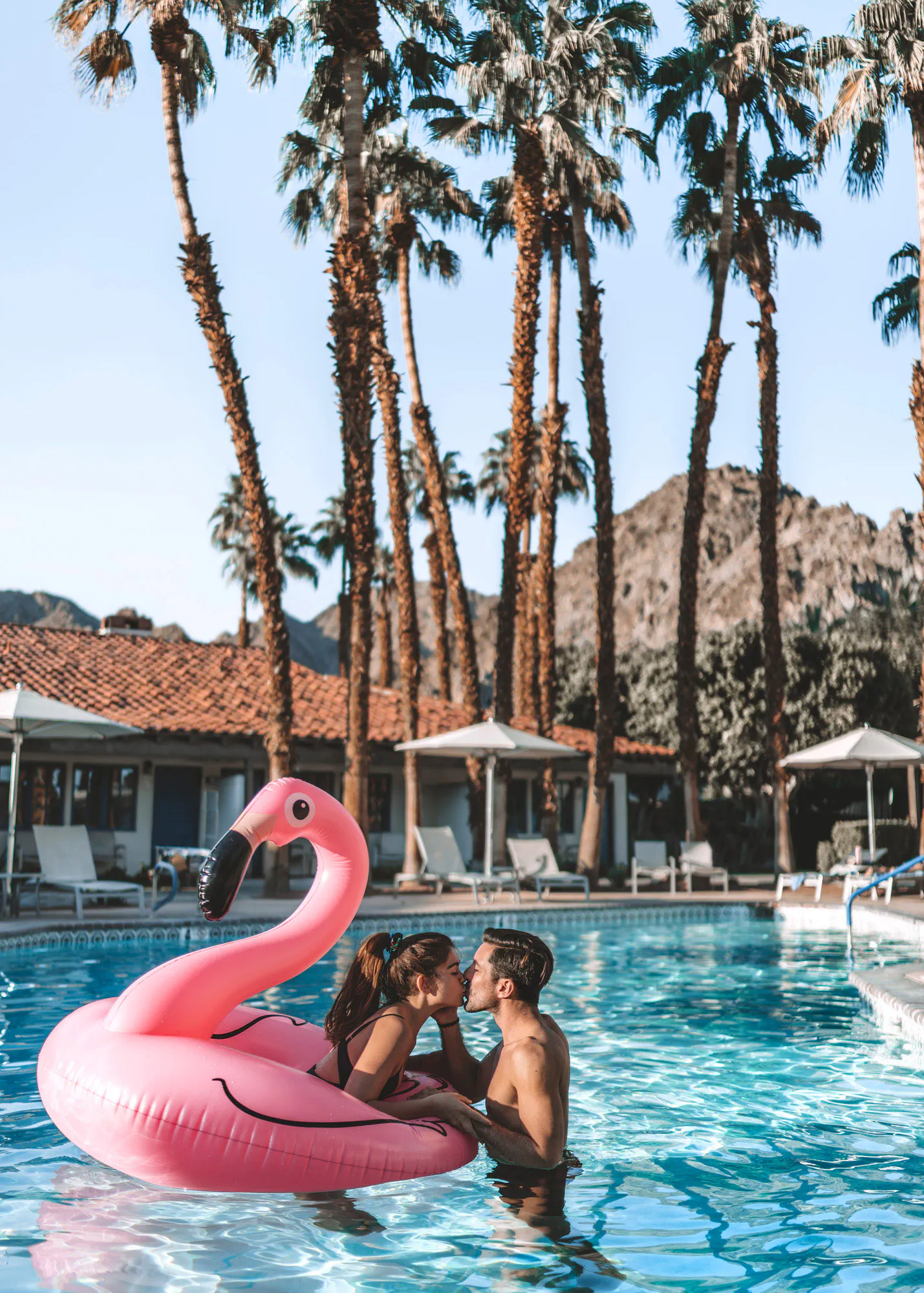
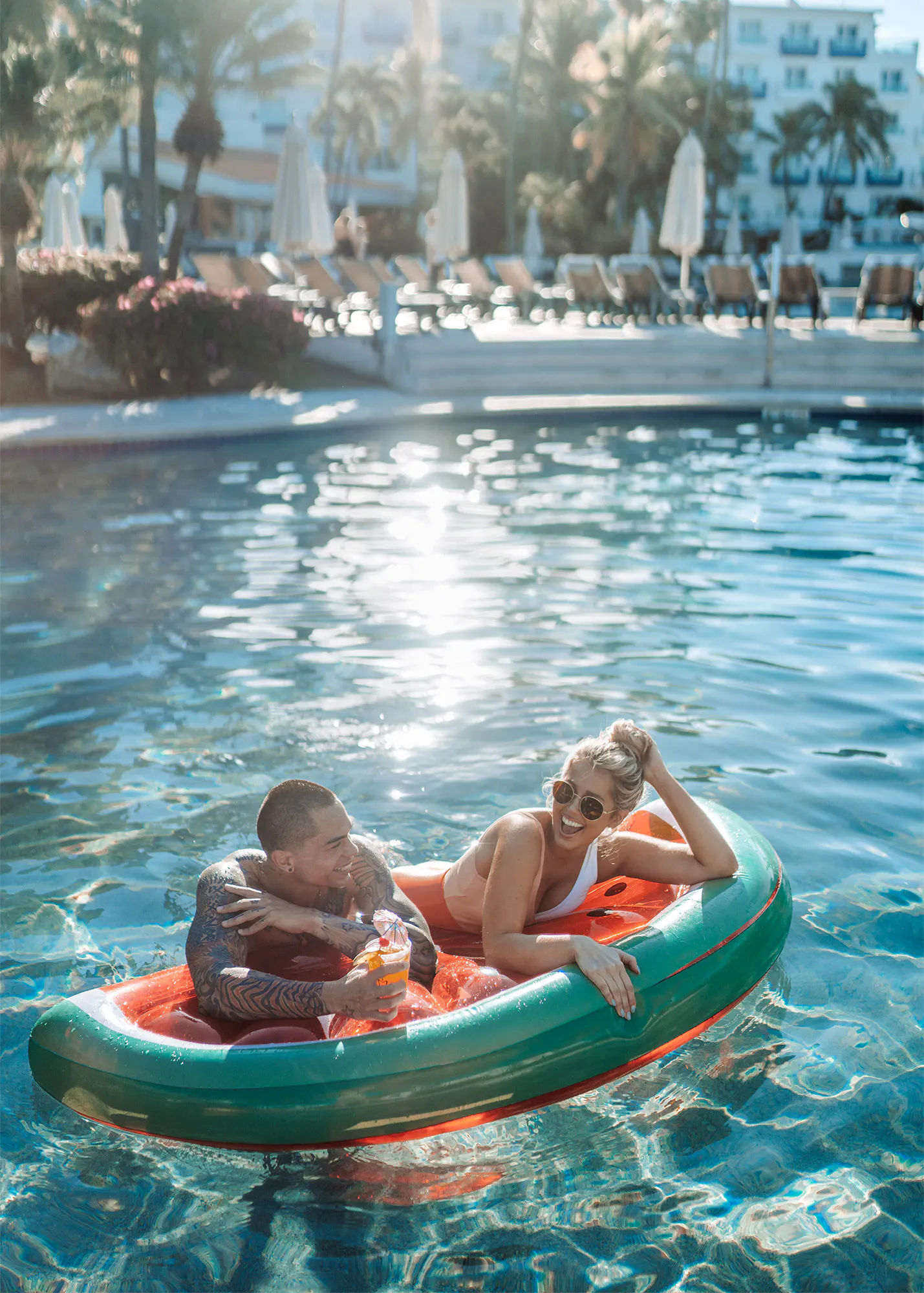
Custom product replica inflatables are one way brands do this, positioning the piece at the center of a setup rather than off to the side, which increases the chances it shows up in photos taken in the room. Scale plays a big role in how much engagement a piece gets without any prompting. A company launching a new beverage bottle, for instance, could order a custom product replica shaped like its signature container in ten-foot dimensions, turning the venue into a branded environment that attendees often end up photographing from different angles.
People photograph what catches them off guard. A life-size bag of salad, an oversized water bottle, or a giant replica of your logo becomes the event's de facto backdrop precisely because nobody saw it coming. That surprise converts directly into social sharing, and the images that travel organically are always the ones that feel tied to a specific brand rather than pulled from some generic event template.
Budget is a real concern here, but inflatable replicas cost a fraction of what a custom-built foam or fiberglass prop runs. Per-unit costs typically land between $5 to $30 depending on size and what you need, and production lead times average around 20 to 30 days, which fits inside most launch planning windows. So if you're working with a mid-range event budget, this format hands you a visual centerpiece without swallowing the entire line item.
2. Build a Branded Photo Moment Into the Venue
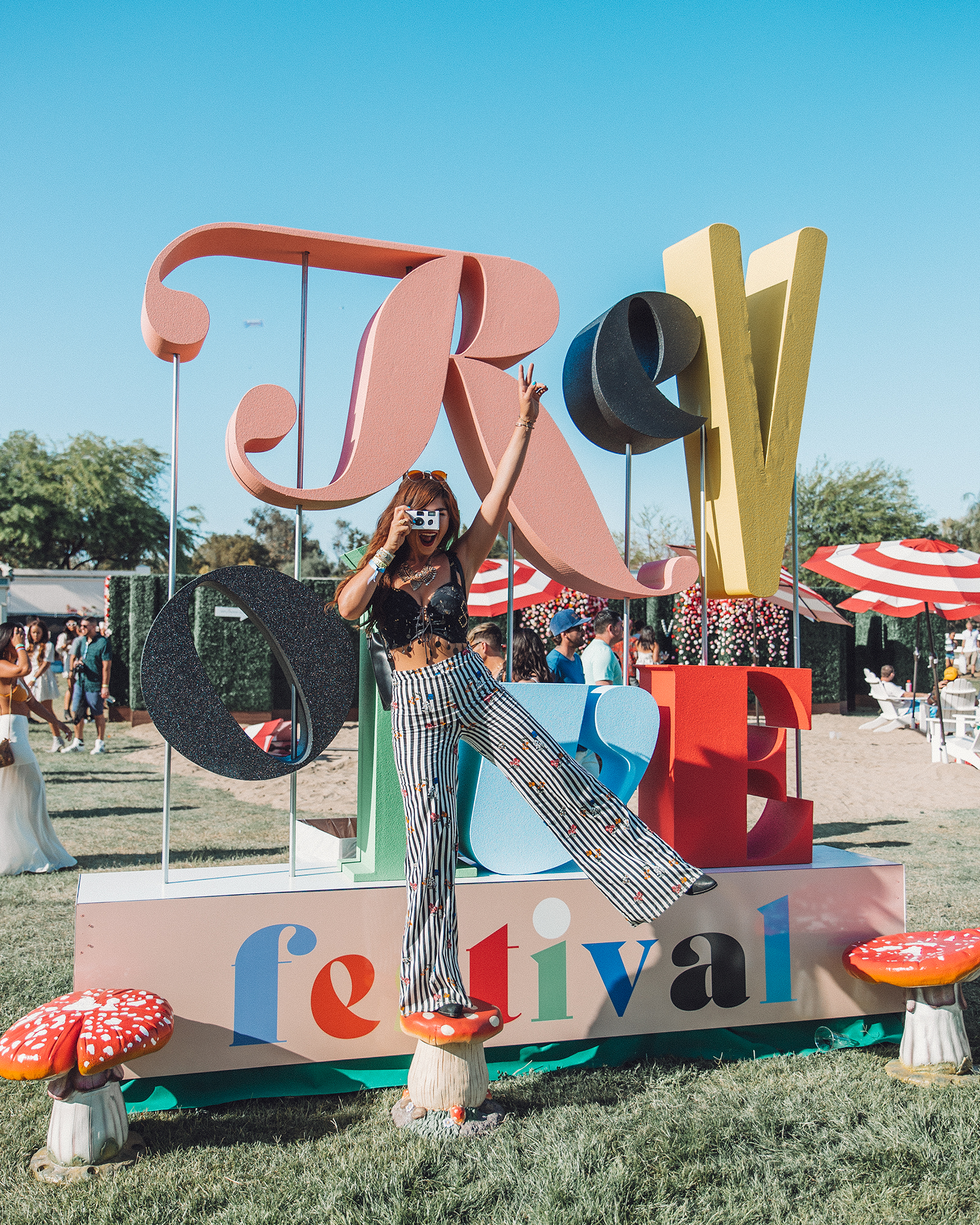
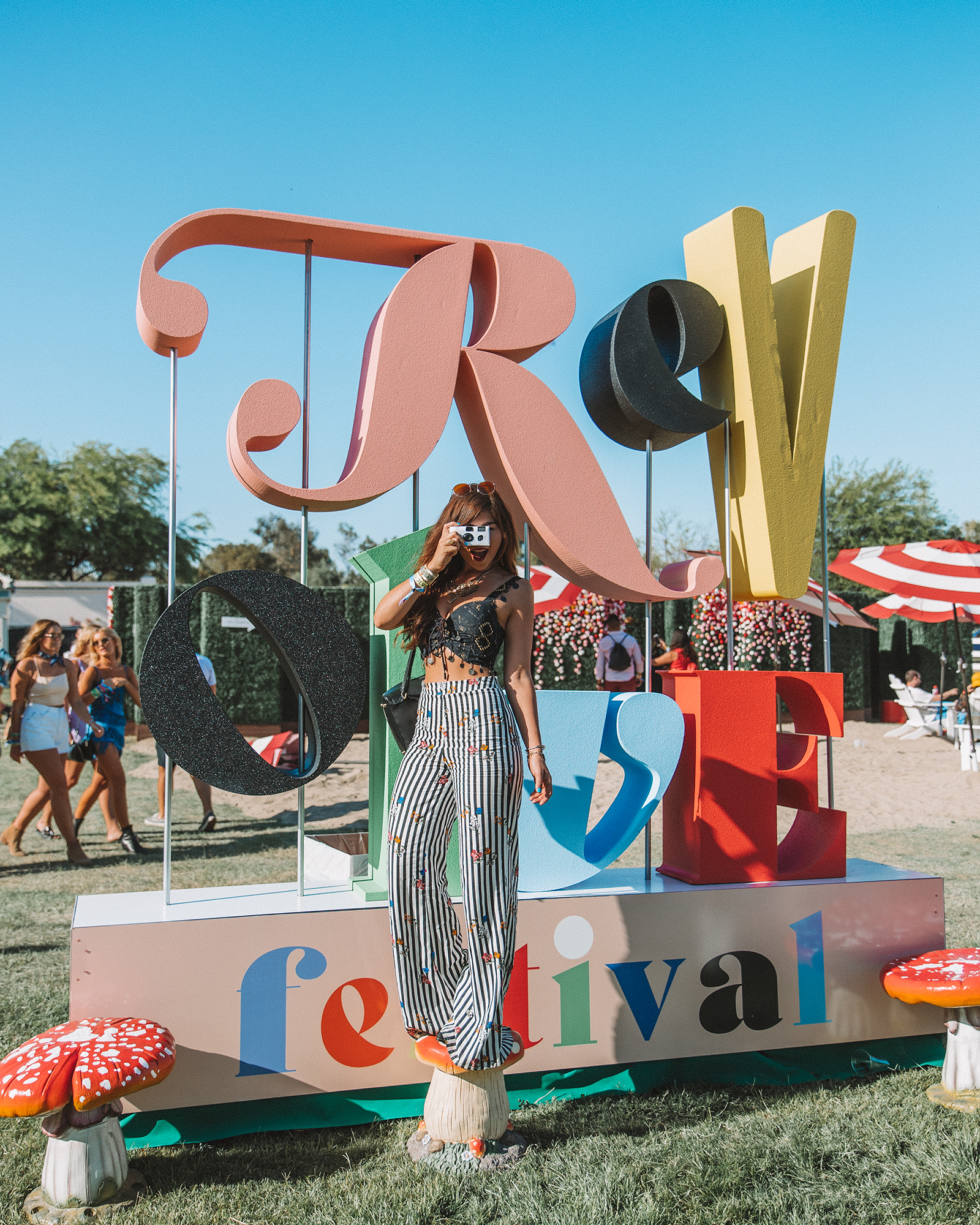
Guests at any event will look for a place to take a photo. If you don't design one intentionally, they'll find a corner that happens to have good light and shoot there instead - with none of your branding in frame.
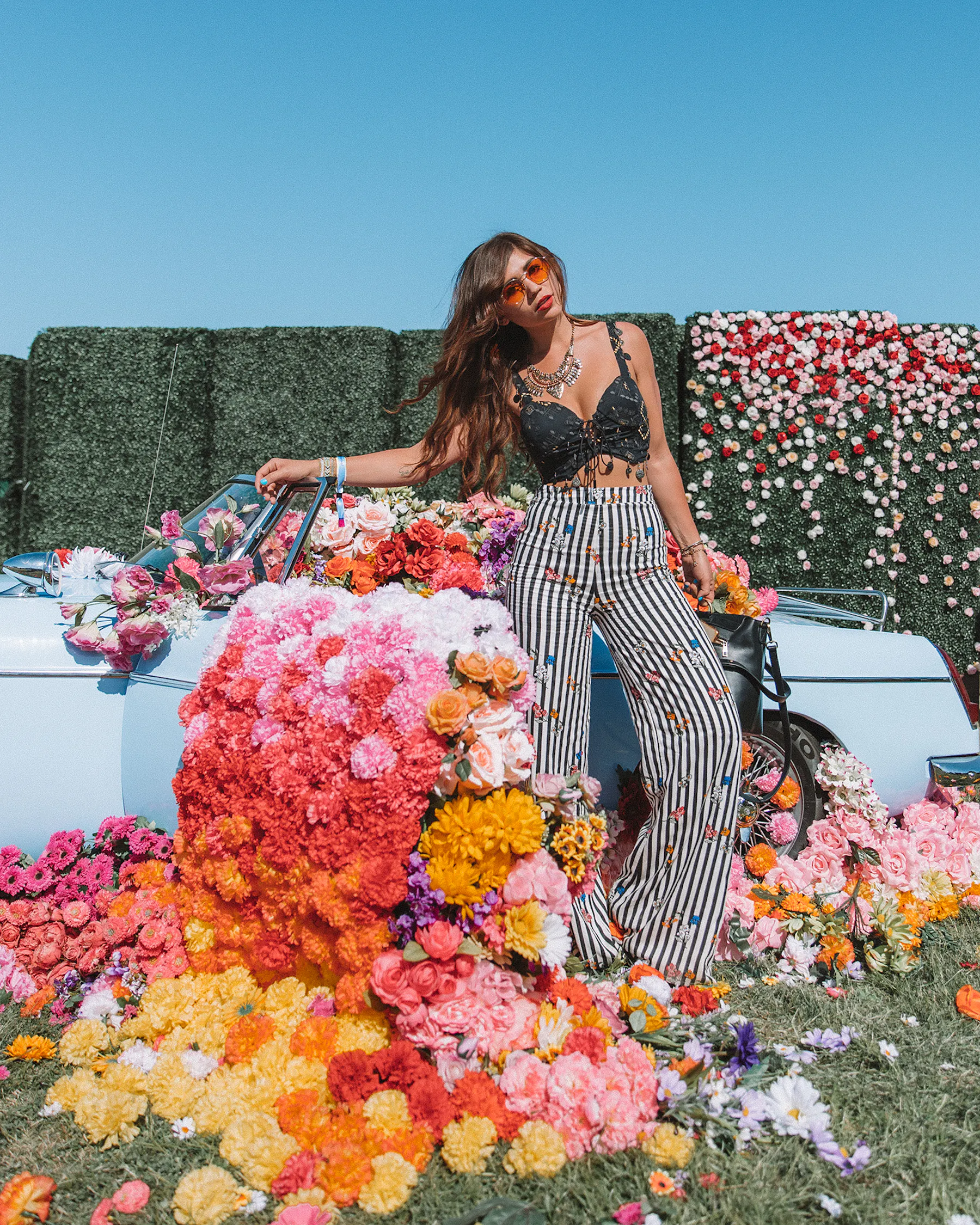
A dedicated photo moment doesn't need to be complicated. It needs two things: something visually specific to your product, and lighting that holds up on a phone camera. A curved flower wall in your brand colors, a neon sign carrying your product tagline, or a structured frame with product packaging printed at scale all give guests a reason to stop, pose, and post.
A designed photo moment also anchors the room. Guests drift toward it, gather around it, and treat it as a social reference point for the rest of the night. You end up with repeated organic impressions across every phone in the building, all pointed at a single branded asset you planned and controlled from the start.
3. Commit to a Single, Specific Color Story
Most product launches suffer from visual dilution. There are too many colors across the signage, table linens, staff uniforms, and printed materials, and none of them feel intentional. The result looks like a committee made every decision separately.
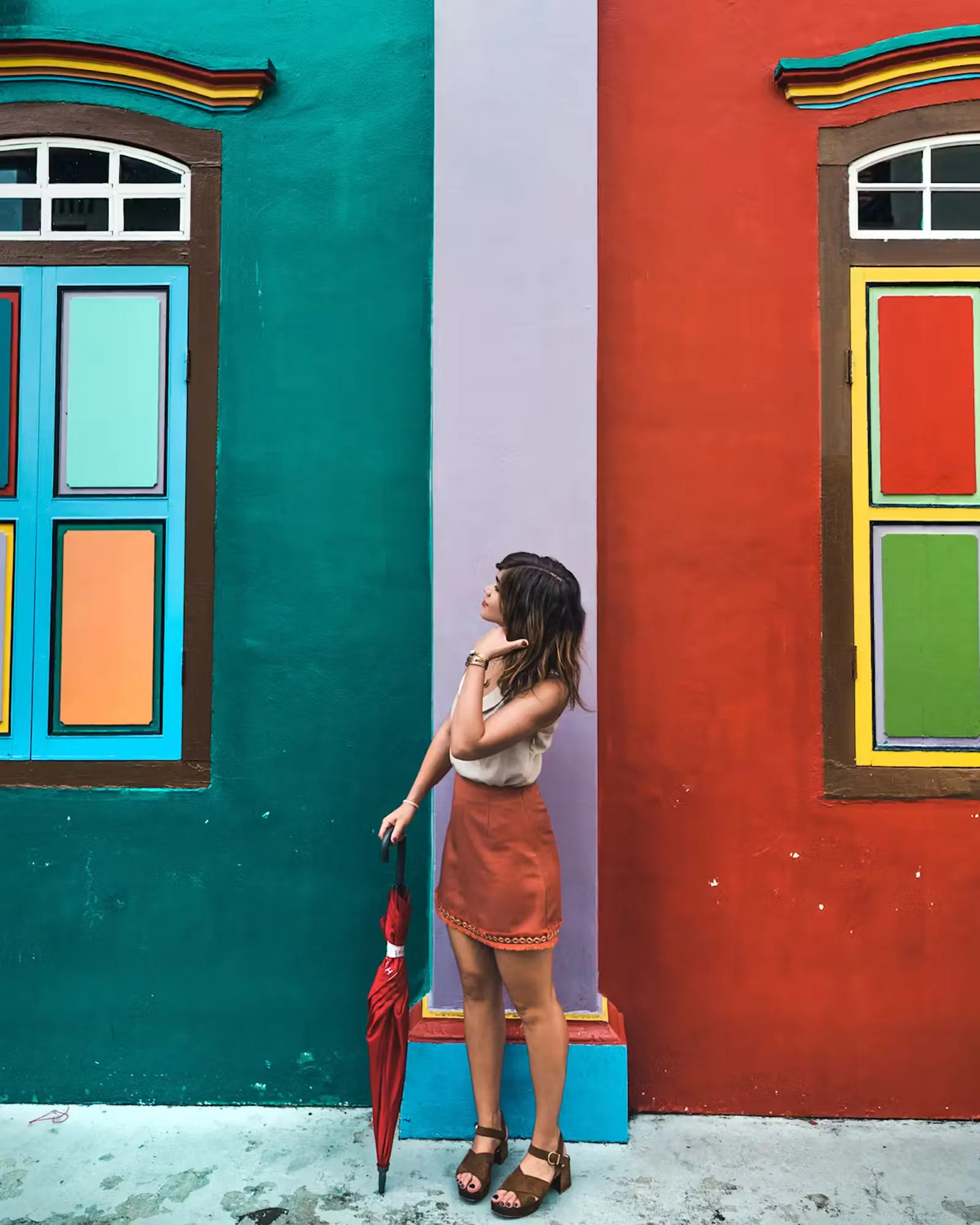
Pull two or three colors from your product's existing palette and run them through every element in the room: napkins, balloons, flower arrangements, cup sleeves, slide deck backgrounds, everything. Repetition at that scale builds a visual language the brain starts connecting to your brand specifically, not to events in general.
Color consistency also makes your professional photography far more usable. When the color story holds across every detail, individual shots feel like they came from one deliberate creative vision, and that matters when you're selecting assets for post-launch press releases, social content, and sales decks. A fragmented visual event produces fragmented photography. But a controlled color environment gives you polished assets your team can actually pull from for months.
4. Light Your Product the Way Retail Stores Light Jewelry
Ambient event lighting is built to make people look good and feel comfortable. It's not built to make your product look its best. Those two goals call for completely different light temperatures and angles.
Set up a dedicated display area for your hero product - the actual unit guests can pick up, examine, and photograph - and treat it like a retail display. Warm directional lighting from above and slightly in front creates the depth and shadow that make objects look premium on camera. Flat overhead lighting does the opposite. It flattens texture, washes out detail, and makes even an expensive product look unremarkable.
If your product is something people wear or hold, add a small ring light setup nearby so guests photographing themselves with it get a flattering catchlight in their eyes. It sounds minor. But it's the difference between photos people post and photos people quietly delete, and the more shareable each individual shot is, the longer your launch stays alive in people's feeds after the event wraps.
5. Give the Room Something That Changes Over Time
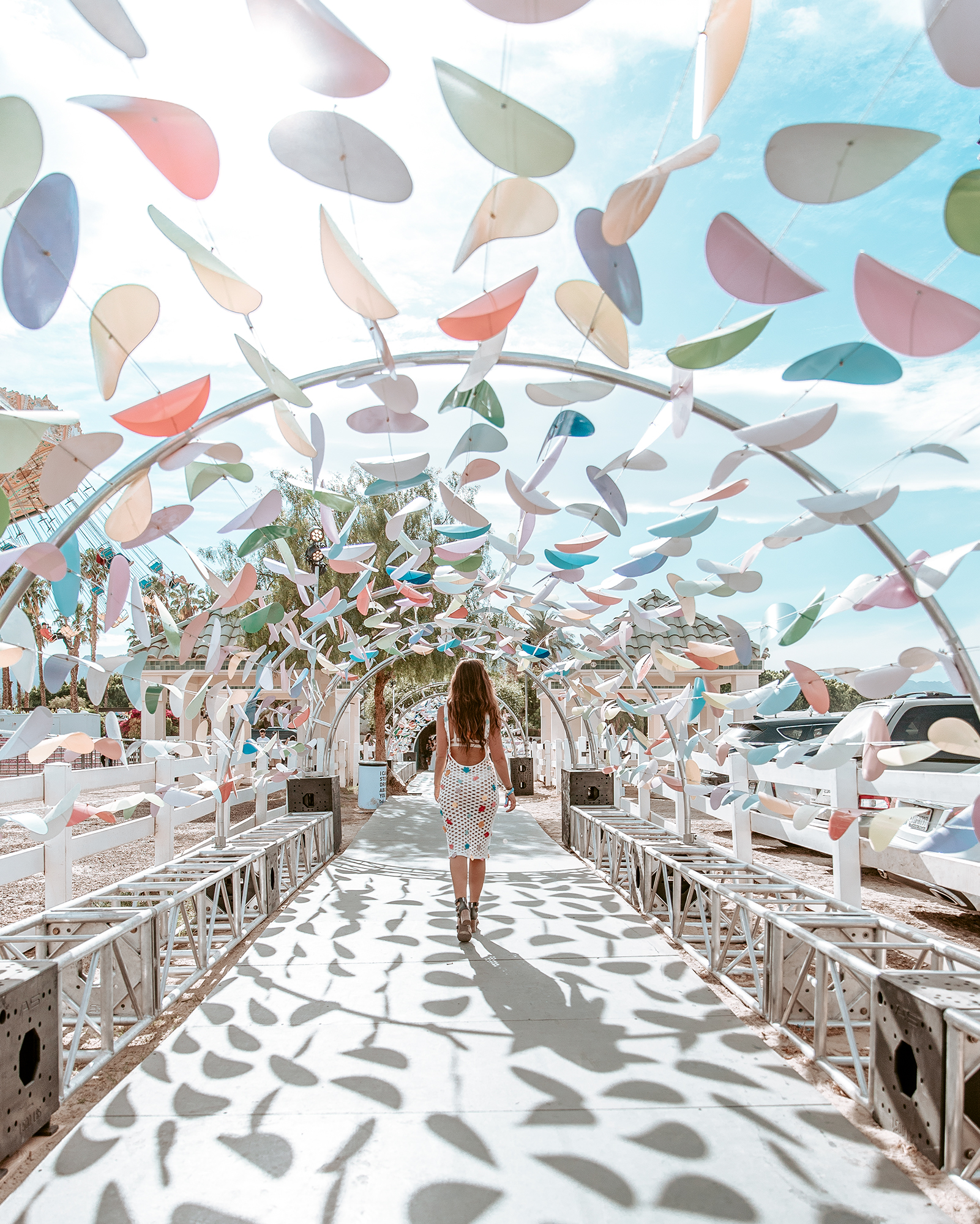
Static displays lose attention. The most memorable launches include a visual element that changes during the event - something guests who arrived early will come back to see again, and something guests who arrive late will hear about from the people who got there first.
Live art installations work well for this. A muralist painting your product in real time, a screen that populates with guest-submitted photos throughout the night, or a large-format countdown board that reveals product details at set intervals all give the room a reason to stay engaged. The experience feels different at 7 PM than it did at 5 PM, which means guests who stayed the whole time witnessed something that didn't exist when they walked in.
The psychological effect is that the launch stops feeling like a presentation and starts feeling like an event with a beginning, middle, and end. People tell others about experiences, not displays. And a launch that people talk about afterward extends your visual reach far beyond the room.
Conclusion
The top 5 ways to make a product launch more visually memorable all run on the same logic: give people something specific enough to remember and photograph-worthy enough to share. Oversized replicas, a built-in photo moment, a tight color story, intentional product lighting, and a striking visual element each add a layer that generic event setups skip entirely. You don't need all five at once; pick two or three that fit your product and budget, and execute them with real intention. That discipline is what separates a launch people talk about from one they've forgotten before they've even made it home.