The first time we drove up to Lake Tahoe, we told ourselves it was just a long weekend. Pack the car, drive up from the Bay Area, ski for a couple of days, come home. That was the plan.
We did not come home with that plan intact. Somewhere between the first glimpse of that impossibly blue water and the second cup of coffee on a frozen dock at sunrise, something shifted. We started talking about what it would take to actually live here, or at least own a small piece of it. We are far from the only ones. Ask almost anyone who has spent more than one trip in this basin, and you will hear some version of the same story: a vacation that quietly turned into a real estate search.
Lake Tahoe has a strange effect on people. It pulls visitors back again and again until the idea of owning something here stops feeling like a fantasy and starts feeling like a plan.
Quick Answer: Why Visitors Keep Buying in Lake Tahoe
If you only have a minute, here is the short version of why so many travelers end up putting down roots in this basin:
- The lake works year-round. Skiing in winter, boating and hiking in summer, so there is no real off-season the way there is in most mountain towns.
- Two states, two very different tax pictures. The California and Nevada sides sit on the same lake but come with very different costs of ownership.
- Rental income can offset the mortgage. Well-located properties can generate strong revenue during peak ski and summer seasons.
- Repeat visits build emotional attachment fast. Most buyers here did not start out looking to buy. They started out renting a cabin for a week.
- Remote work removed the old barrier. You no longer have to choose between your job and the mountains.
- Supply is permanently capped. Environmental regulations limit new construction, which keeps long-term values resilient even when other markets soften.

What Makes Lake Tahoe Different From a Typical Vacation Spot
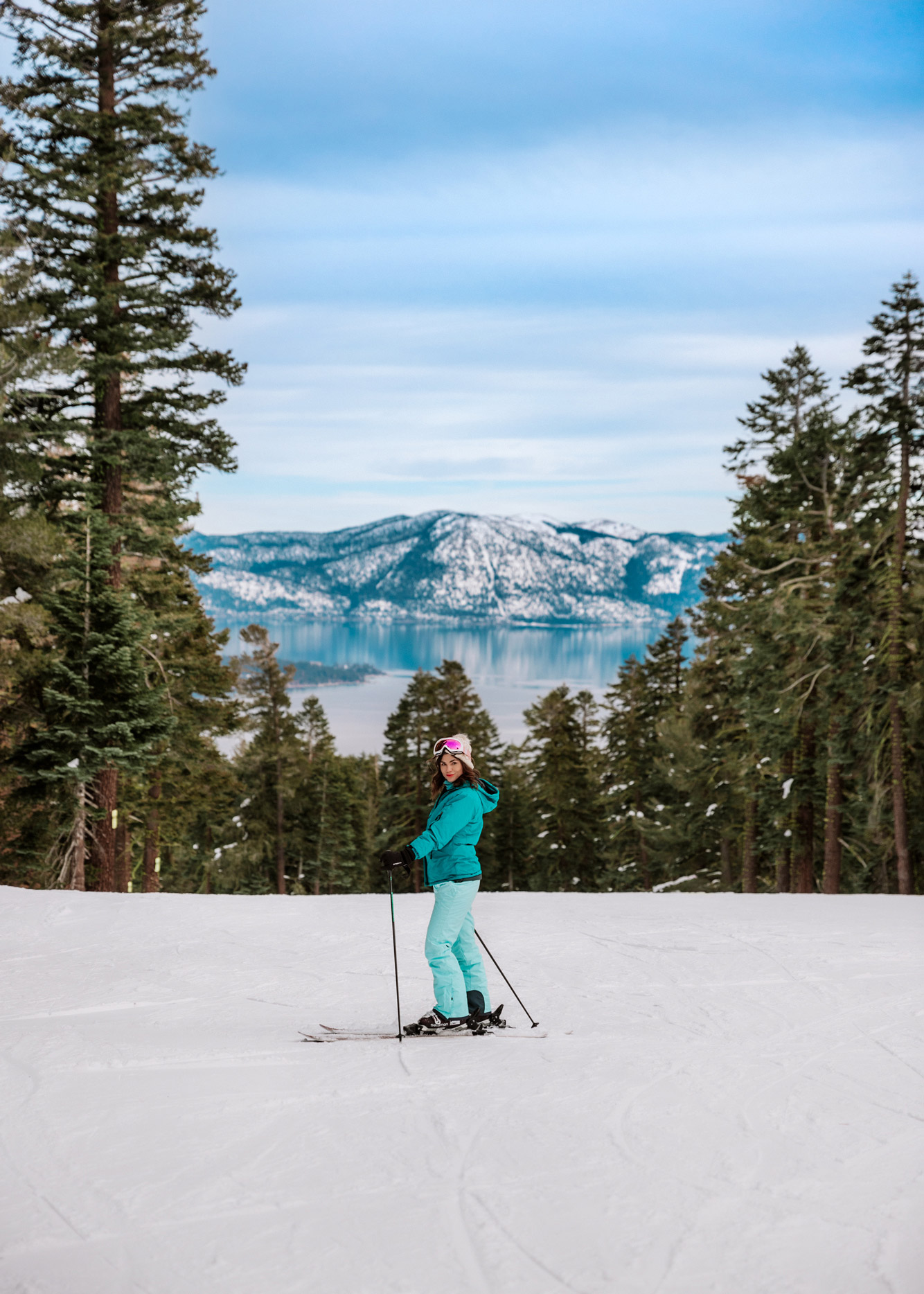
Most vacation destinations ask you to pick a season. Beach towns peak in summer. Ski towns peak in winter. Lake Tahoe refuses to choose. Sitting at 6,225 feet in the Sierra Nevada, it delivers world-class skiing from December through March and then flips into a lake town with sailing, paddleboarding, and hiking the moment the snow melts.
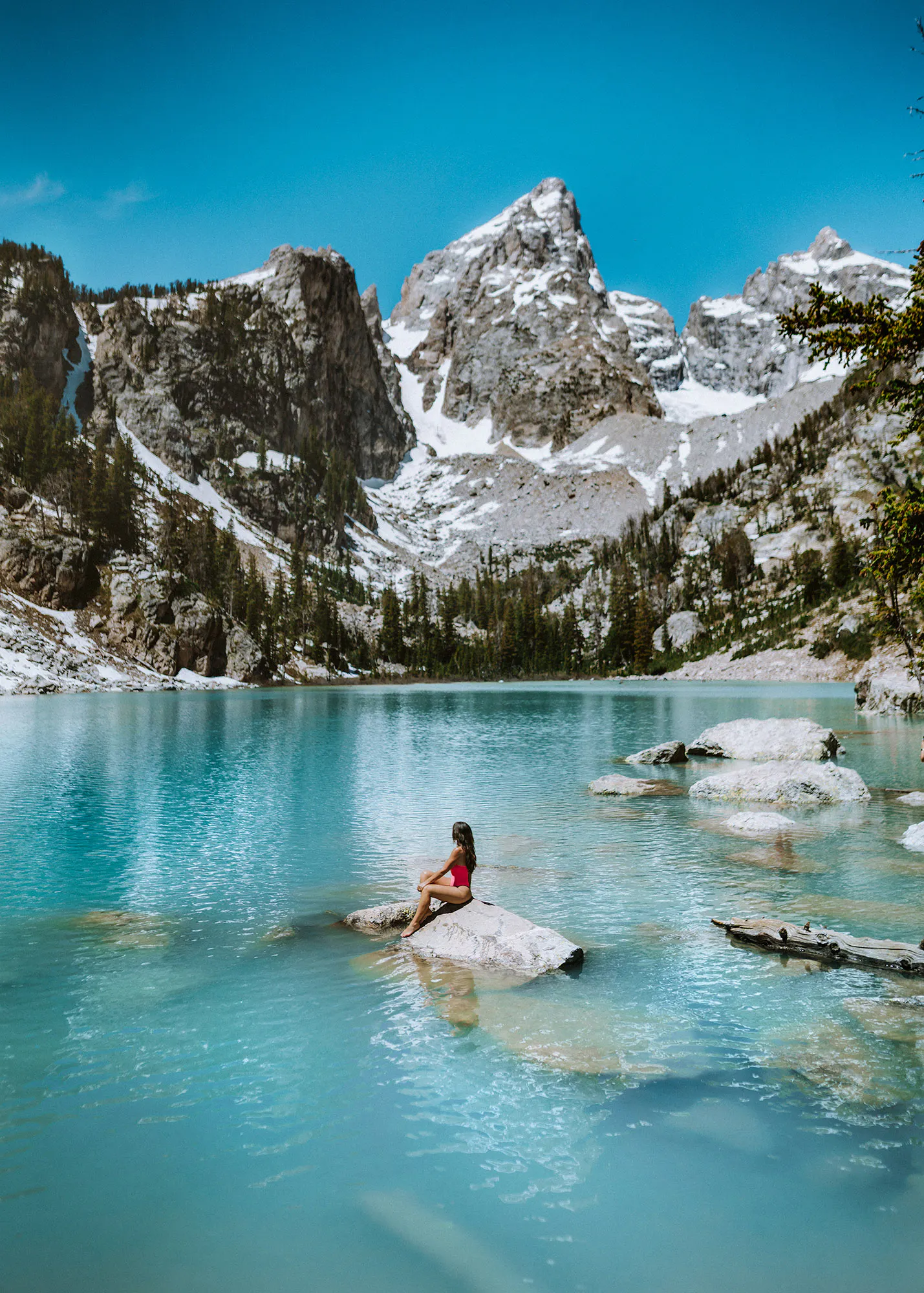
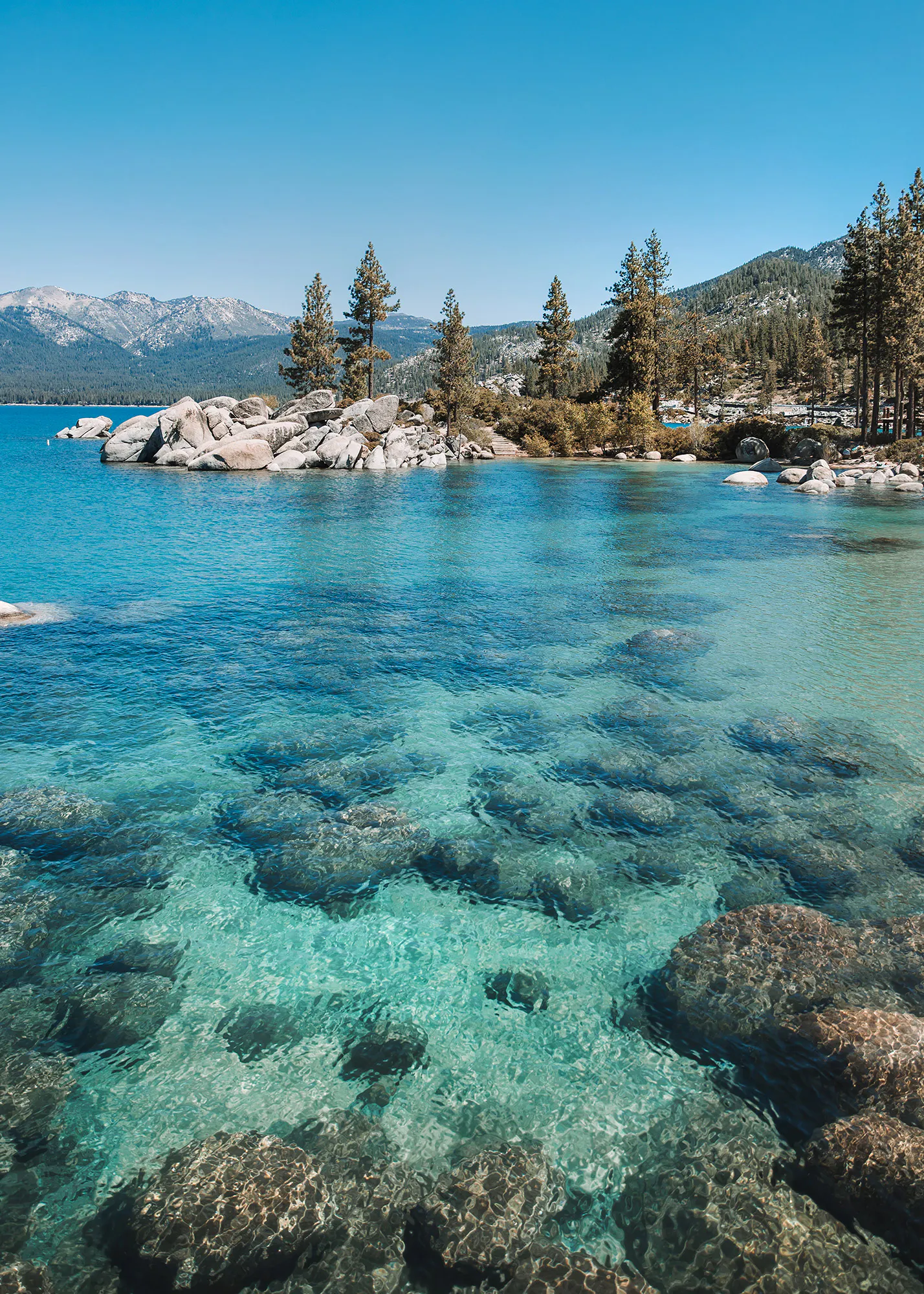
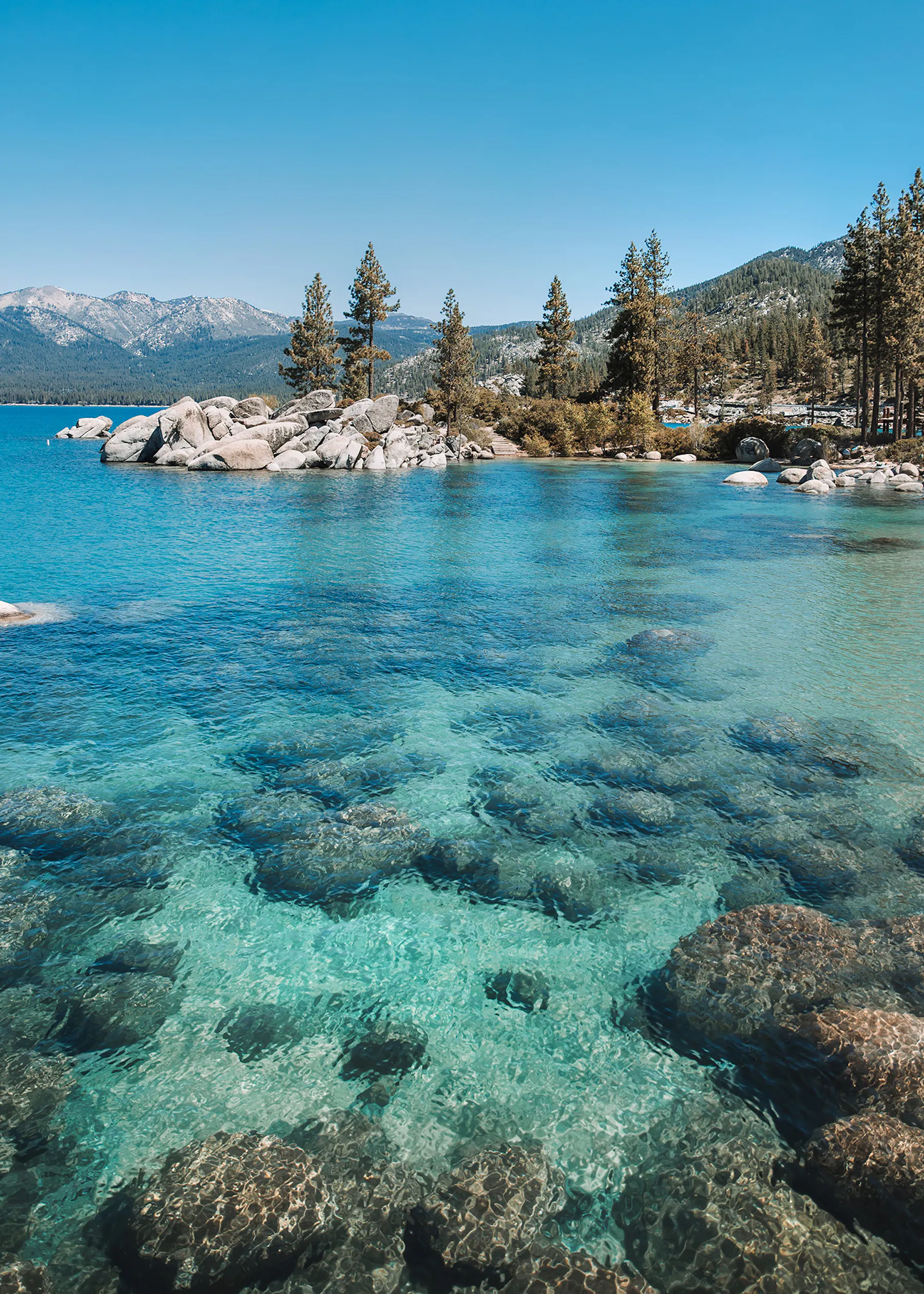
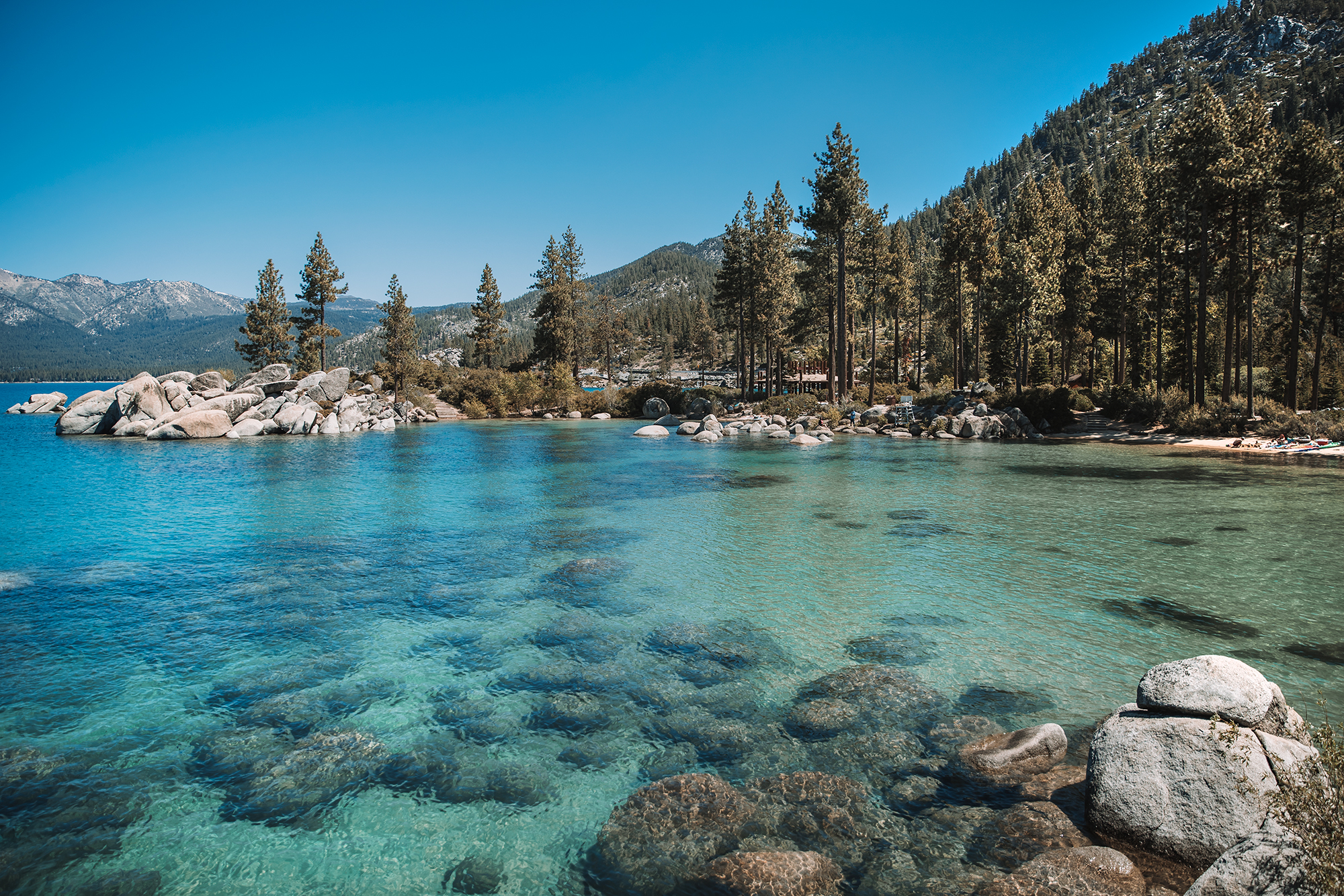
The water itself is part of the pull. Lake Tahoe holds some of the clearest water on the planet, the kind of blue that looks slightly unreal in photos until you are standing on the shore looking at it yourself. We remember one September morning on a boat near the South Shore, watching the color shift from turquoise near the beach to a deep, almost navy blue further out. It is the kind of thing that sticks with you long after the trip ends.
That natural beauty is not just a nice backdrop. It is one of the biggest reasons the real estate here holds its value. Development around the lake is tightly restricted to protect water quality and the surrounding forest, which means the supply of homes will likely never catch up to demand. For anyone thinking long-term, that scarcity matters as much as the view.
There is also the community layer, which surprised us the first time we spent more than a few days in one spot. Tahoe is not one town. It is a string of small communities, each with its own personality, stretched around the lake across two states and several counties. Incline Village feels different from South Lake Tahoe, which feels different again from a quiet spot like Homewood on the West Shore. Spend enough weekends exploring these pockets, and you start to develop real opinions about where you would actually want to plant a flag, the same way you might develop favorite neighborhoods in a city you visit often.
And then there is the access. Unlike a lot of remote mountain destinations, Tahoe sits within easy reach of several major cities. Sacramento is roughly 100 miles away, and Reno is closer still to the Nevada side, about 30 miles from Incline Village. That proximity means weekend trips do not eat up an entire day of travel each way, which is part of why so many Bay Area and Sacramento residents treat Tahoe less like a bucket-list trip and more like a regular part of their calendar.
The Moment a Vacation Starts to Feel Like a Lifestyle
There is usually a turning point. It rarely happens on the first trip.
Repeat Visits and the Pull of "What If We Lived Here?"
The second or third trip is usually when the question starts creeping in. You stop just sightseeing and start noticing things like which neighborhoods you keep gravitating toward, which coffee shop has become "our" coffee shop, and how the drive up from the valley starts to feel less like a trip and more like heading home. We noticed it happen to us around trip number three, when we caught ourselves checking listings online out of pure curiosity, telling ourselves it did not mean anything.
It usually means something.
Remote Work and the New Kind of Tahoe Buyer
A big part of why this pattern has accelerated in recent years comes down to remote work. Buyers who once had to choose between their job and the mountains no longer have to make that trade. A meaningful share of today's Tahoe buyers still work for companies based in the Bay Area or Southern California, but they no longer need to live near an office to do it. That single shift turned Tahoe from a weekend escape into a realistic full-time home for a much wider range of people.


California Side vs Nevada Side: Why It Matters for Buyers
Lake Tahoe straddles two states, and that line matters more than most first-time visitors realize. The lake's shoreline splits mostly to California, with a smaller but significant stretch on the Nevada side around communities like Incline Village and Crystal Bay.
When we started digging into the actual numbers, the difference between the two sides surprised us. California has one of the highest state income tax rates in the country, topping out above 13% for high earners. Nevada has no state income tax at all. For anyone earning a high income and considering primary residency, that gap alone can outweigh almost every other factor in the decision.
If you are exploring the numbers for yourself, a resource like Lake Tahoe Real Estate Nevada is a good starting point for understanding how pricing, permits, and community options differ once you cross over to the Nevada side.
FactorCalifornia SideNevada SideState income taxUp to 13.3%NoneEffective property tax rateAround 0.7-0.76%Around 0.53-0.6%Capital gains taxTaxed as ordinary incomeNonePopular communitiesSouth Lake Tahoe, Tahoe City, HomewoodIncline Village, Crystal Bay, Zephyr Cove
Why Nevada's Side Draws Investment-Minded Buyers
This tax gap has quietly reshaped who buys where. In recent years, a wave of tech founders and executives have gravitated toward the Nevada shore, partly for the shorter flight from Silicon Valley and partly for the tax advantages. Forbes contributor Jim Dobson, who has covered the shift closely, wrote about how the Nevada side has become a magnet for a new class of ultra-wealthy buyers, describing it as part of a "new era for Tahoe real estate."
You do not need billionaire money to feel the pull of that same logic. Buyers at every price point are asking the same question those bigger names asked first: does it make more sense to own on the California side or the Nevada side? The honest answer depends on your income, your long-term plans, and whether rental income factors into the equation.
What It Actually Costs to Own a Piece of Tahoe
Prices across the Tahoe basin vary more than most people expect. South Lake Tahoe tends to sit on the more accessible end, with median home prices generally landing between $650,000 and $750,000 depending on the neighborhood and property condition. Move toward Incline Village on the Nevada side, and prices climb sharply, often exceeding $1.5 million for a standard single-family home.
Entry-Level vs Luxury Price Points
AreaTypical Price RangeSouth Lake Tahoe (CA)$650,000 - $750,000Tahoe City / West Shore (CA)$900,000 - $1.3 millionTruckee / North Shore (CA)$1.1 million - $2 million+Incline Village (NV)$1.5 million and upCrystal Bay lakefront (NV)Multi-million, often well above $5 million
These numbers move with the seasons and with interest rates, so treat them as a starting point rather than a fixed answer. What stays consistent is the pattern: the Nevada side, especially anything near the water, commands a premium that reflects both the view and the tax advantage.
Can a Tahoe Property Pay for Itself?
One of the first questions almost every buyer asks us is whether a Tahoe property can cover its own costs through rental income. In many cases, the answer is yes, though it depends heavily on the property type, its exact location, and how well it is managed.
What Short-Term Rental Owners Actually Earn
Lake Tahoe benefits from two distinct rental seasons instead of just one. Winter brings skiers chasing snow at resorts, and summer brings families and boaters chasing the lake itself. That dual demand is part of what makes the numbers here different from most single-season mountain towns.
Property TypeTypical Annual RevenueStudio or 1-bedroom condo$35,000 - $55,0002-3 bedroom home$70,000 - $110,0004-5 bedroom or ski-in/ski-out home$85,000 - $180,000
Location tends to matter more than square footage. A smaller condo near a ski resort base or a lively downtown area will often outperform a bigger home tucked further away from the action. Occupancy rates for well-managed rentals typically run between 60% and 75% annually, with peak weeks during ski season and summer often exceeding 90%.
One catch worth knowing early: permit rules vary widely by county, and some areas, including parts of South Lake Tahoe, have stopped issuing new short-term rental permits entirely. Always confirm current permit availability for a specific property before assuming you can rent it out.
What First-Time Tahoe Buyers Get Wrong
We have watched more than a few friends learn these lessons the hard way, so consider this the advice we wish someone had given us.
The biggest one involves TRPA, the Tahoe Regional Planning Agency. TRPA is the bi-state agency that governs development around the lake, covering everything from tree removal and shoreline structures to how much you are allowed to renovate. It exists to protect water clarity and the surrounding forest, and its rules apply regardless of which side of the state line your property sits on. Skipping this research before making an offer is one of the most common and most expensive mistakes buyers make.
Insurance is another blind spot. Some Tahoe cabins, especially those in high-elevation or heavily wooded areas, can be difficult or expensive to insure against wildfire risk. Get a real insurance quote before you make an offer, not after. We have seen deals collapse at the closing table because nobody checked this early enough.
Inspections matter more here than in most markets too. Beyond the usual structural and roof checks, mountain properties often need septic, well, and defensible space evaluations that a standard home inspection will not automatically include.
Is 2026 a Good Time to Make the Leap?
The Tahoe market has settled into a more balanced rhythm compared to the frantic bidding wars of a few years ago. Inventory is still tight thanks to the permanent construction limits, but homes are sitting on the market slightly longer than they did at the recent peak, which gives buyers more room to negotiate and evaluate before committing.
For anyone who has been circling the idea of buying here for a while, that balance is worth paying attention to. You are less likely to feel rushed into a decision, and more likely to find a seller willing to talk.
That said, the two sides of the lake are not moving at the same pace. The Nevada shore, particularly Incline Village and Crystal Bay, has continued setting records even as the broader basin holds steady, driven largely by that wave of high-income buyers relocating for tax reasons. The California side has generally stayed calmer, giving buyers there a bit more breathing room to compare properties before committing. Neither side is a bad choice. They simply reward different strategies, which is exactly why so many buyers spend months studying both before making a move.
A pre-approval letter matters more here than in a lot of markets too. Sellers in this basin will rarely take an offer seriously without one already in hand, and in a multiple-offer situation, a strong pre-approval can carry as much weight as the price itself. If buying in Tahoe is genuinely on your radar for this year, getting that piece sorted early is one of the simplest ways to move quickly once the right property shows up.
FAQ
Do I need to live in Tahoe full-time to buy property there? No. Many owners use their Tahoe property as a vacation home or rental investment and live elsewhere most of the year. Just be clear on how that plan affects your tax residency and rental permit eligibility.
Is it actually cheaper to buy on the Nevada side? Home prices on the Nevada side, especially near Incline Village, tend to run higher than the California side. The real savings usually come from Nevada's lack of state income tax, not from a lower purchase price.
Can I really rent out a Tahoe home short-term? Sometimes, but permit availability varies a lot by county and even by neighborhood. Some areas have stopped issuing new permits, so always confirm current rules before assuming a property can be rented.
What is the single biggest mistake first-time Tahoe buyers make? Skipping TRPA research before making an offer. Its rules affect what you can build, renovate, or remove on a property, and ignoring them can turn a great find into a frustrating one.
How long does the buying process usually take in Tahoe? It varies, but expect it to move a bit slower than a typical suburban market, especially with additional inspections for septic, well, and wildfire defensible space that many mountain properties require.
Is Lake Tahoe real estate a good long-term investment? Permanently restricted new construction keeps supply scarce, which has historically supported long-term value even during periods when other markets cool off. Nothing is guaranteed, but the scarcity factor is real and unlikely to change.